
The Ultimate Bird Cage Dish Checklist: Essential Features to Consider

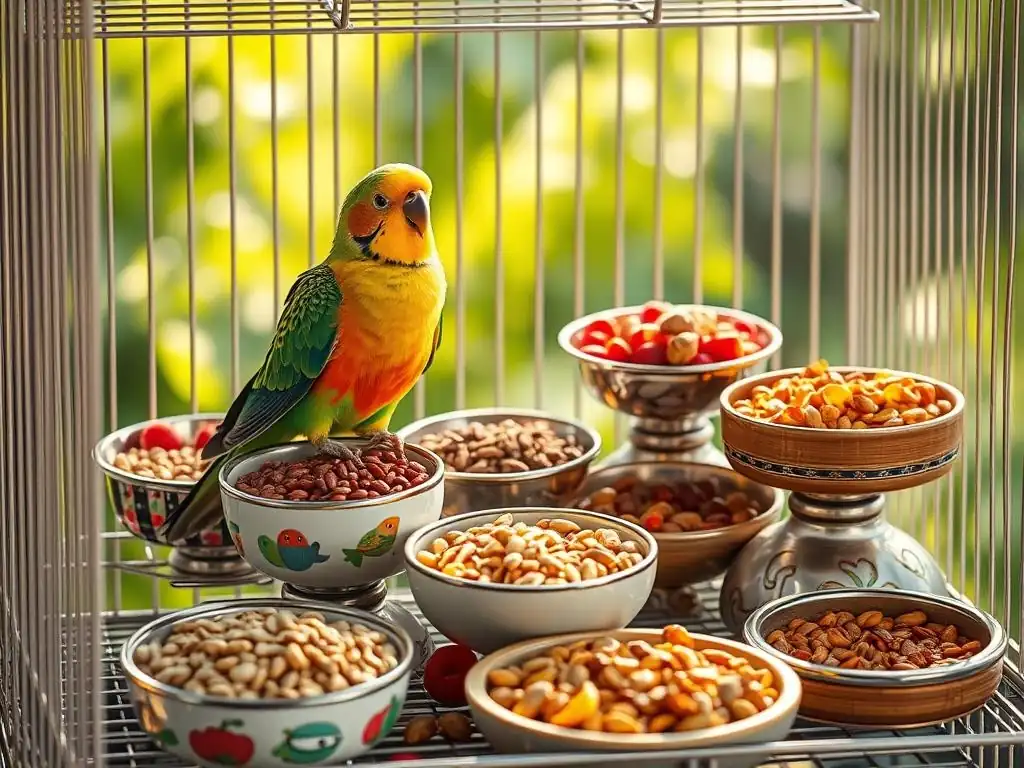
Welcome to PetCareWorld, your ultimate guide to happy and healthy pets! Are you ready to transform your feathered friend's dining experience? We delve into the crucial details of selecting the best bird cage food dishes in our comprehensive guide. Discover the essential features that ensure optimal feeding and hygiene, and unlock the secrets to a happier, healthier bird. Learn more and find the perfect dish for your beloved companion—explore now!
- Choosing the Best Bird Cage Food Dishes: A Comprehensive Guide
- Types of Bird Cage Food Dishes: Exploring Your Options
- Essential Features of High-Quality Bird Cage Dishes
- Where to Buy the Best Bird Cage Food Dishes: Online and Offline Retailers
- Maintaining Hygiene: Cleaning and Disinfecting Bird Dishes
- Beyond Food Dishes: Water Dishes and Accessories
- Troubleshooting Common Bird Dish Problems
- Frequently Asked Questions
- Final Reflection: Reimagining the Bird's Table: Beyond the Bowl
- Design Your Dream Aviary: Craft the Perfect Bird Cage Today!
Choosing the Best Bird Cage Food Dishes: A Comprehensive Guide
Providing your feathered friend with the right food and water dishes is crucial for their health and well-being. This comprehensive guide will walk you through the essential features to consider when selecting the best bird cage food dishes, ensuring your bird enjoys comfortable and hygienic mealtimes. We'll explore different materials, sizes, and designs to help you make an informed decision and ultimately contribute to a happier, healthier bird.
Choosing the right dish isn't just about aesthetics; it's about promoting proper nutrition and preventing potential health issues. This guide focuses on selecting the best bird cage food dishes, covering everything from material selection to ease of cleaning, making your search for the perfect dish significantly easier. We’ll delve into what makes a truly best dish, going beyond superficial features to address the practical needs of your avian companion.
Understanding Your Bird's Needs: Size, Species, and Feeding Habits
The ideal bird cage food dish isn't one-size-fits-all. Consider your bird's species and size. A small finch will require a much smaller dish than a large macaw. Observe your bird's feeding habits. Do they scatter food? Do they prefer to eat from a shallow or deep dish?
A larger bird might benefit from a dish with a wider base to prevent tipping. Smaller birds, on the other hand, might be better suited to a smaller, shallower dish to prevent them from getting submerged in their food or water. Consider the type of food you're providing. Some foods, like pellets, might require a different type of dish than softer foods. For example, a gridded dish might be ideal for pellets to prevent waste.
Here's a table summarizing dish size recommendations based on bird size:
| Bird Size | Dish Size Recommendation | Notes |
|---|---|---|
| Small (finch) | Small, shallow | Prevents drowning; easy access to food |
| Medium (cockatiel) | Medium, slightly deeper | Allows for more food; less spillage |
| Large (macaw) | Large, wide base | Prevents tipping; ample space for food |
Remember to always supervise your bird during mealtimes, especially when introducing new dishes.
Material Matters: Stainless Steel, Ceramic, or Plastic Bird Dishes?
The material of your bird's food and water dishes is a critical factor affecting both hygiene and durability. Each material presents advantages and disadvantages:
- Stainless Steel: Stainless steel dishes are highly durable, easy to clean, and resistant to chewing. They are also non-porous, preventing bacteria buildup. However, they can be more expensive than other options. They are generally considered the best option for long-term use and hygiene.
- Ceramic: Ceramic dishes are attractive, durable, and easy to clean. They are often dishwasher-safe, adding to their convenience. However, they can be breakable, especially if dropped.
- Plastic: Plastic dishes are inexpensive and lightweight. However, they can be easily chewed by birds, potentially leading to ingestion of plastic fragments. They are also more prone to scratching and harboring bacteria. Avoid plastic dishes whenever possible.
Choosing the right material depends on your bird's chewing habits and your budget. For birds known for their destructive chewing habits, stainless steel is the safer bet.
Durability and Easy Cleaning: Key Considerations for Bird Cage Dishes
Durability and easy cleaning are paramount when choosing bird cage dishes. A durable dish will withstand your bird's activities and last longer, saving you money in the long run. Easy cleaning is essential for maintaining hygiene and preventing the spread of bacteria. Look for dishes with smooth surfaces that are easy to wipe clean or are dishwasher safe.
Avoid dishes with crevices or intricate designs that can trap food and bacteria. The ease of cleaning directly impacts the overall hygiene of your bird's environment and its health. Prioritize dishes that are simple to clean thoroughly and regularly. This is crucial for preventing bacterial growth and maintaining a healthy feeding environment for your bird.
Types of Bird Cage Food Dishes: Exploring Your Options
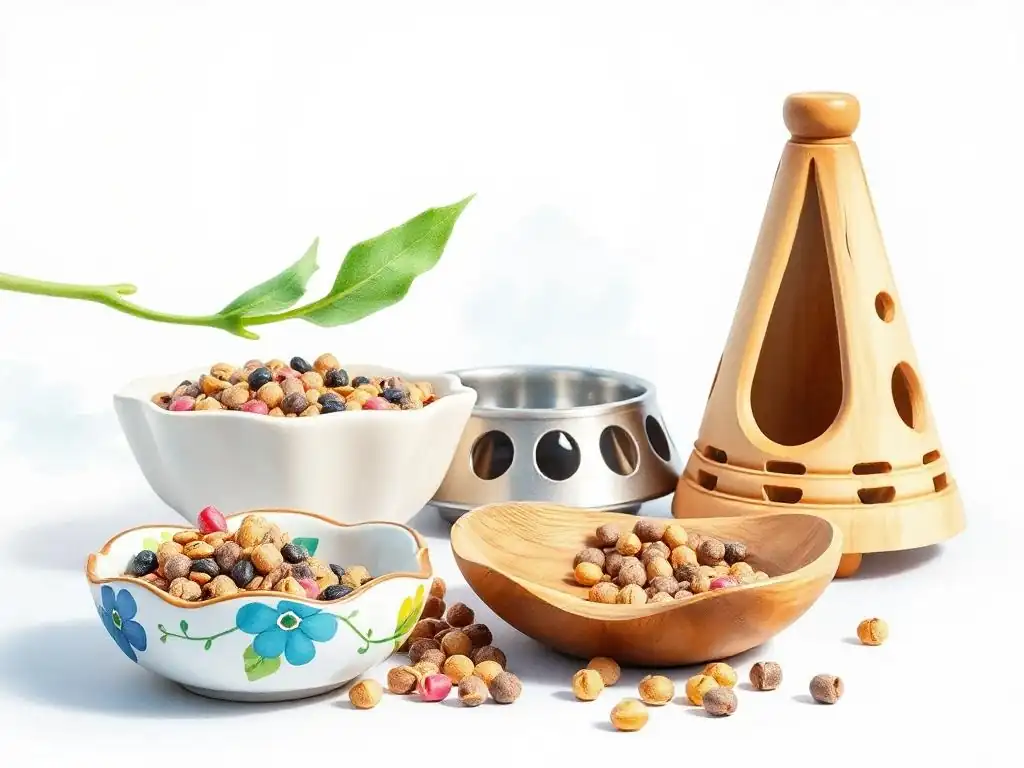
Choosing the right food dish for your feathered friend is crucial for maintaining their health and hygiene. The "best bird cage food dishes" aren't a one-size-fits-all solution; the ideal choice depends on your bird's species, size, eating habits, and your own preferences regarding cage cleanliness. This section explores the diverse options available, helping you select the perfect food and water receptacles for your avian companion.
Consider factors like material (stainless steel is often preferred for its durability and easy cleaning), size (proportionate to your bird's size to prevent food waste and spillage), and design (some designs are better suited to prevent messy eaters from scattering food). Ultimately, the best dish is one that keeps your bird fed, happy, and your cage relatively clean.
Standard Food Bowls: Sizes and Styles for Various Bird Species
Standard food bowls represent the most common type of bird cage food dish. They come in a wide array of sizes, materials, and designs catering to various bird species and their unique needs. Smaller bowls, often made of ceramic or stainless steel, are ideal for smaller birds like finches or canaries.
These typically have a diameter of 2-3 inches. Larger parrots, on the other hand, require substantially larger bowls, perhaps 6 inches or more in diameter, often made from heavier-duty materials like stainless steel to withstand more robust feeding habits. The depth of the bowl is also a consideration; shallower bowls are preferable for birds that tend to scatter food, while deeper bowls might be suitable for birds that prefer to peck at their food more methodically.
Consider the following table summarizing suitable bowl sizes for different bird types:
| Bird Species | Recommended Bowl Diameter (inches) | Material Suggestions |
|---|---|---|
| Finches, Canaries | 2-3 | Ceramic, Stainless Steel, Plastic |
| Cockatiels | 4-5 | Stainless Steel, Ceramic |
| Conures | 5-6 | Stainless Steel, Heavy-duty Ceramic |
| Macaws, Amazons | 6+ | Stainless Steel, Large Ceramic Bowls |
Choosing the right material is vital. Stainless steel is easy to clean and sanitize, while ceramic bowls offer a more aesthetically pleasing look. However, ceramic bowls can be more prone to chipping if dropped. Plastic bowls are generally less expensive, but can be more difficult to clean thoroughly and may harbor bacteria more easily.
Elevated Food Dishes: Preventing Messes and Promoting Hygiene
Elevated food dishes offer a practical solution to a common problem: messy eaters. By raising the food bowl off the cage floor, these dishes significantly reduce the amount of spilled food and droppings contaminating the bird's environment. This improved hygiene minimizes the risk of bacterial growth and makes cage cleaning a significantly easier task. This is particularly beneficial for larger birds with messy eating habits.
Elevated dishes come in various designs, from simple stands to more intricate platforms that integrate seamlessly into the cage structure. Some even incorporate features like removable trays for easy cleaning. The height of the elevation should be appropriate for the bird's size and ability to reach the food comfortably.
The benefits extend beyond just cleanliness. Elevated food dishes can also help prevent the bird from accidentally stepping in or contaminating their food with droppings. This contributes to better overall hygiene and reduces the risk of illness. The added height can also provide a sense of security for some birds, as it allows them to eat in a less vulnerable position. For owners prioritizing hygiene and a cleaner cage environment, an elevated food dish is a worthwhile investment.
Specialized Feeders for Specific Diets: Seed Cups, Pellet Dishes, and More
Different bird diets require different feeding solutions. While standard bowls are suitable for many birds and food types, specialized feeders cater to specific dietary needs. Seed cups, for instance, are designed to hold and dispense seeds efficiently, preventing spillage and waste. They often feature a mesh or perforated bottom that allows the bird to access the seeds easily while minimizing mess. Pellet dishes, on the other hand, are designed to hold and present pellets in a way that encourages consumption. Some pellet dishes feature angled surfaces or compartments to prevent the pellets from clumping together.
Beyond seed cups and pellet dishes, you might consider specialized feeders for fruits, vegetables, or other supplementary foods. These might include small bowls, clips, or even specialized perches with food holders built-in. The key is to select a feeder that's appropriate for the type of food you're offering and your bird's eating habits.
Some birds are more adept at handling certain types of feeders than others, so observation is crucial. If you notice your bird struggling with a particular feeder, consider switching to a different style. Remember, the goal is to provide a comfortable and efficient feeding experience for your bird while maintaining a clean and hygienic cage environment.
Essential Features of High-Quality Bird Cage Dishes
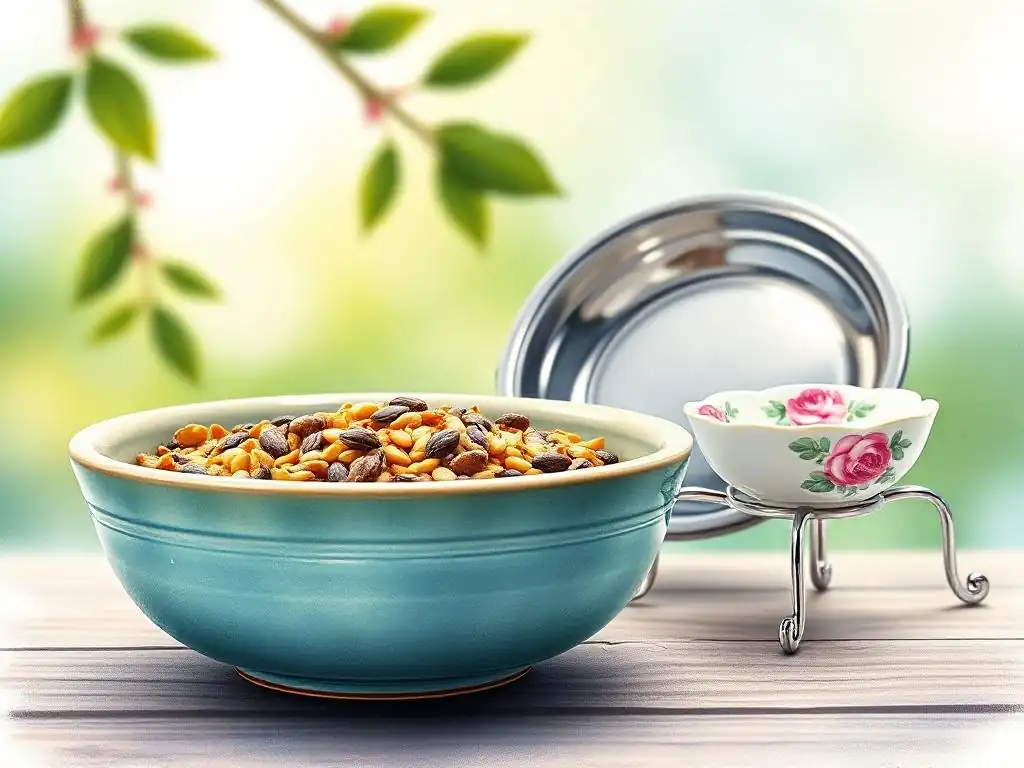
Choosing the right food and water dishes for your feathered friend is crucial for their health and well-being. A poorly designed dish can lead to wasted food, unsanitary conditions, and even injuries. This section delves into the essential features that distinguish a best bird cage food dish from an ordinary one, focusing on design, safety, and ease of cleaning. Selecting the best option significantly impacts your bird's daily life and your own ease of care. Investing in high-quality dishes is an investment in your bird's health and your own sanity!
Preventing Food Waste and Messes: Design and Functionality
Preventing food waste and mess is paramount when selecting bird cage dishes. Certain design features significantly reduce spillage and encourage cleaner eating habits. Consider these factors:
- Dish Shape and Size: The shape and size of the dish should be appropriate for your bird's size and feeding habits. Smaller birds might benefit from shallow, smaller dishes to prevent drowning or excessive soiling. Larger birds, conversely, will need larger, more stable dishes. A slightly raised edge can also help prevent scattering of seeds or pellets.
- Material: Some materials are inherently more resistant to spills than others. Heavy ceramic or stainless steel dishes are less likely to tip over than lighter plastic options.
- Placement: Strategically placing the dish within the cage can also minimize mess. Position it in an area with enough space around it to prevent accidental knocks.
- Multiple Dishes: Consider using multiple, smaller dishes instead of one large one. This can encourage your bird to eat more regularly and prevent food from spoiling. This is especially useful for birds that are prone to overeating or hoarding food.
A well-designed dish can significantly reduce the time spent cleaning up after your bird,
says experienced avian veterinarian, Dr. Anya Sharma.
Safety First: Non-Toxic Materials and Secure Mounting
The safety of your bird should always be the top priority. Choosing non-toxic materials and ensuring secure mounting of the dishes are critical aspects of responsible bird ownership.
- Material Toxicity: Avoid dishes made from materials that are toxic to birds. Lead-based paints, certain plastics, and uncoated metals can leach harmful chemicals into the food and water, posing serious health risks. Opt for stainless steel, ceramic, or food-grade plastic options explicitly designed for bird use.
- Secure Mounting: The dish should be securely mounted to prevent tipping or accidental displacement. Dishes with clips or built-in mounting systems are ideal. Avoid using dishes that are easily knocked over, especially if you have an active or playful bird. A securely mounted dish minimizes the risk of injury or mess.
- Regular Inspection: Regularly inspect the dishes for any signs of damage or wear and tear. Replace any damaged or worn-out dishes immediately to prevent potential hazards.
| Material | Pros | Cons |
|---|---|---|
| Stainless Steel | Durable, easy to clean, non-toxic | Can be heavy, may dent if dropped |
| Ceramic | Durable, attractive, easy to clean | Can break if dropped, may be more expensive |
| Food-Grade Plastic | Lightweight, inexpensive, various colors | Less durable than stainless steel or ceramic, can crack |
Easy Cleaning and Maintenance: Time-Saving Design Features
Cleaning bird cages and dishes is a regular chore. Choosing dishes with easy-to-clean features will save you significant time and effort in the long run.
- Dishwasher Safe: Look for dishes that are dishwasher safe for easy and hygienic cleaning. This is a significant time saver, especially when dealing with multiple dishes.
- Smooth Surfaces: Dishes with smooth, non-porous surfaces are easier to clean and less likely to harbor bacteria. Avoid dishes with crevices or intricate designs that trap food particles.
- Removable Parts: Dishes with removable parts, such as separate bowls or trays, allow for easier cleaning and sanitization. This makes deep cleaning much more efficient and thorough.
- Size and Weight: Consider the size and weight of the dishes, especially if you have a large cage. Heavier dishes may be more difficult to remove and clean, while smaller dishes are easier to handle and clean. The right size and weight will make cleaning a breeze! 🧼
Choosing the best bird cage food dishes involves careful consideration of several factors. By prioritizing safety, ease of cleaning, and minimizing mess, you can create a healthier and more enjoyable environment for your beloved bird. Remember, a little forethought in choosing your dishes can make a big difference in your daily bird care routine.
Where to Buy the Best Bird Cage Food Dishes: Online and Offline Retailers
Finding the perfect bird cage food dishes can sometimes feel like a quest! Luckily, numerous retailers offer a wide selection to suit various bird species and cage setups. Knowing where to look, however, is crucial to securing the best bird cage food dishes for your feathered friend. This section will guide you through the best places to find high-quality, durable, and safe food and water dishes for your avian companion.
Reputable Brands and Their Offerings: A Quick Overview
Several reputable brands specialize in crafting bird cage accessories, including food and water dishes. These brands often prioritize safety, durability, and ease of cleaning – all essential factors for optimal pet health and owner convenience. Let's explore some prominent examples:
- Brand A: Known for its stainless steel dishes, Brand A offers a range of sizes and designs, including elevated dishes to minimize mess and promote better posture for your bird during feeding. They often emphasize hygiene and easy cleaning, a crucial aspect of preventing bacterial growth. Their products are generally considered a top choice for larger parrots due to their robustness.
- Brand B: This brand focuses on innovative designs, incorporating features like spill-proof rims and non-slip bases. Their plastic options are typically BPA-free and dishwasher-safe, making maintenance a breeze. They cater to a broader range of bird sizes, offering smaller dishes for finches and larger ones for cockatoos.
- Brand C: Specializing in natural materials, Brand C offers ceramic and bamboo food and water dishes. These options often provide a more aesthetically pleasing addition to your bird's cage, while also being durable and easy to clean. They often highlight the eco-friendly nature of their materials.
The table below summarizes key features of these brands:
| Brand | Material Options | Size Range | Key Features | Price Range (USD) |
|---|---|---|---|---|
| Brand A | Stainless Steel | Small to Extra Large | Durable, Hygienic, Easy to Clean | $10 - $30 |
| Brand B | BPA-Free Plastic | Small to Large | Spill-proof, Non-slip, Dishwasher Safe | $5 - $20 |
| Brand C | Ceramic, Bamboo | Small to Medium | Natural Materials, Aesthetically Pleasing | $8 - $15 |
Choosing the right brand depends heavily on your bird's size, your budget, and your personal preferences regarding materials and design.
Factors to Consider When Choosing a Retailer: Price, Shipping, and Returns
Beyond the brand itself, the retailer plays a significant role in your overall purchasing experience. Several factors should influence your choice of retailer when buying best bird cage food dishes:
- Price: Compare prices across different retailers to ensure you're getting the best value for your money. Be wary of excessively low prices, as these might indicate lower-quality products or unreliable sellers.
- Shipping: Consider shipping costs and delivery times. Faster shipping might be worth the extra expense, especially if you need the dishes urgently. Check the retailer's shipping policy carefully, paying attention to potential delays or additional charges for certain locations.
- Returns: A robust return policy is crucial in case you receive a damaged product or are unsatisfied with your purchase. Look for retailers that offer easy returns and refunds, minimizing any potential hassle. Check the retailer's return policy before making a purchase.
Remember, a little research goes a long way in ensuring you find the perfect bird cage food dishes for your beloved pet. Prioritizing safety, durability, and ease of cleaning, while carefully considering your chosen retailer, will contribute significantly to your bird's overall health and happiness. 🐦
Maintaining Hygiene: Cleaning and Disinfecting Bird Dishes
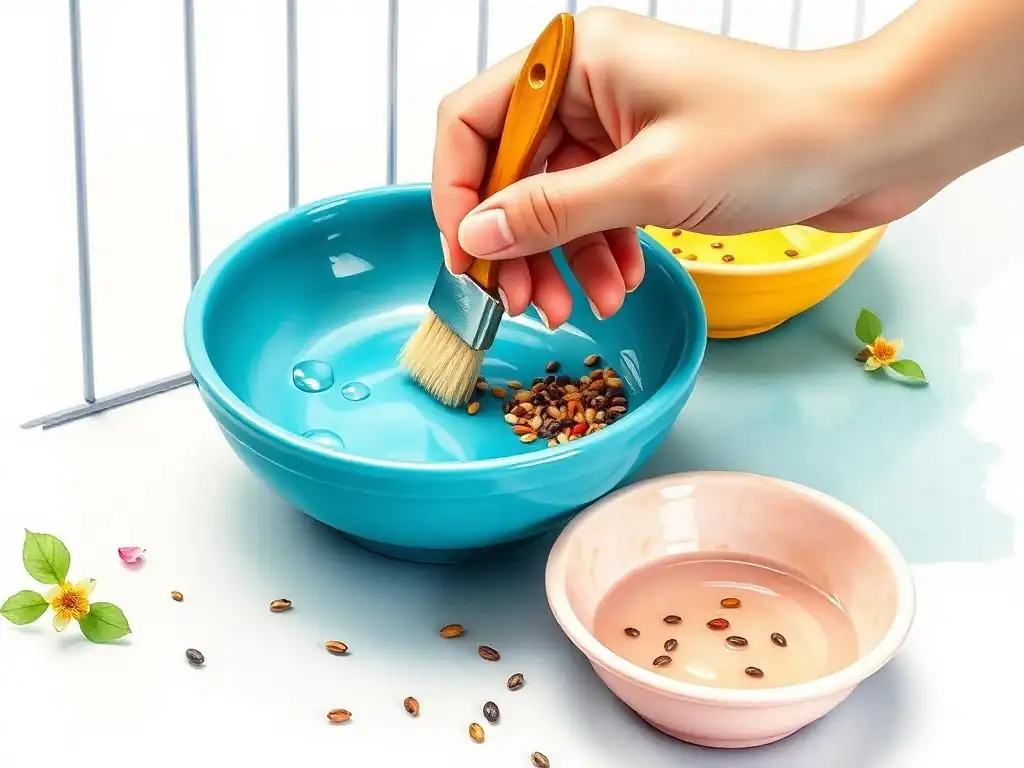
Maintaining impeccable hygiene for your bird's food and water dishes is paramount to preventing illness and ensuring your feathered friend thrives. Neglecting regular cleaning can lead to bacterial growth, fungal infections, and the spread of parasites, significantly impacting your bird's health and well-being. Choosing the right cleaning method and products is crucial for effective sanitation without harming your pet. This section will detail best practices for keeping your bird's dishes sparkling clean and safe.
Regular Cleaning Schedules for Optimal Bird Health
The frequency of cleaning your bird's dishes directly correlates with your bird's health. A daily cleaning routine is ideal, especially for smaller dishes that are more prone to rapid contamination. Larger dishes might require cleaning every other day, but a thorough cleaning at least once a week is non-negotiable. The schedule should be adjusted based on several factors:
- Number of birds: Multiple birds using the same dish necessitate more frequent cleanings.
- Type of food: Foods that spoil quickly, like soft fruits or cooked grains, require more immediate attention.
- Dish material: Porous materials may harbor bacteria more readily than non-porous ones.
Consider implementing a color-coded system to streamline your cleaning routine. For example, use different colored dishes for different days of the week, making it easier to track when each dish last received a thorough cleaning. This simple system can prevent accidental omissions and ensure consistent hygiene. Remember, consistency is key! A missed cleaning can quickly compromise your bird's health. Think of it as a preventative measure, much like a regular vaccination appointment for your pet. Regular cleaning is an investment in your bird's long-term health and happiness.
Safe Cleaning Products for Bird Dishes: Avoiding Harmful Chemicals
Choosing the right cleaning products is just as vital as the cleaning schedule itself. Many common household cleaners contain harsh chemicals that are toxic to birds. Even residual traces of these chemicals can be harmful if ingested. Therefore, opt for bird-safe cleaning solutions. Avoid using bleach, ammonia, or other strong disinfectants. These products can leave behind harmful residues, posing a significant risk to your pet's health.
Here are some safer alternatives:
- Warm soapy water: This is often the most effective and safest method. Use a gentle, pet-safe dish soap and rinse thoroughly.
- White vinegar: A diluted solution of white vinegar and water (approximately 1:1 ratio) is a natural disinfectant effective against many common bacteria and fungi. Always rinse thoroughly afterwards.
- Commercial bird-safe disinfectants: Several pet stores offer commercially available disinfectants specifically formulated for bird cages and accessories. Carefully read the product label to ensure it's safe for your bird before use.
Remember to always rinse the dishes thoroughly after cleaning to remove any traces of soap or disinfectant. Thorough rinsing is crucial to prevent your bird from accidentally ingesting harmful chemicals. A final rinse with clean, fresh water is an essential step in the cleaning process. Regularly inspect your bird's dishes for any signs of damage or wear and tear.
Replace any damaged dishes promptly to maintain optimal hygiene and prevent accidental injuries. This proactive approach to cleaning and maintenance will contribute significantly to your bird's overall health and well-being. Prioritizing your bird’s health by maintaining clean "best bird cage food dishes" is a vital aspect of responsible pet ownership.
Beyond Food Dishes: Water Dishes and Accessories
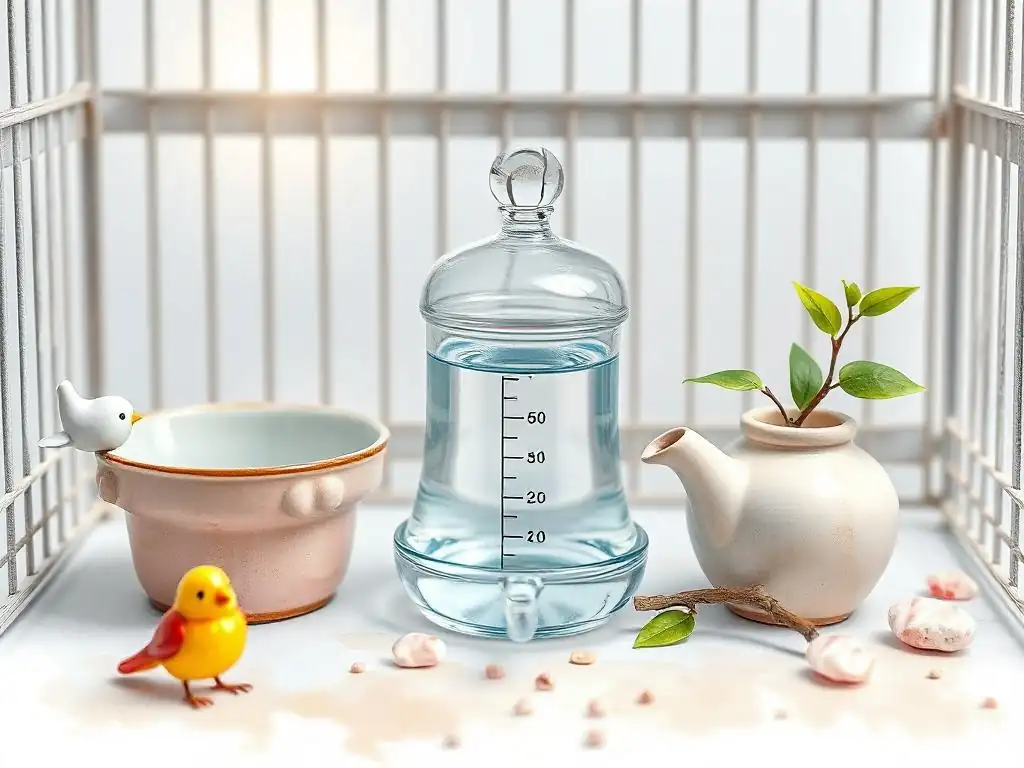
Finding the best bird cage food dishes is only half the battle. Providing fresh, clean water is equally crucial for your feathered friend's health and well-being. This section explores the importance of water dishes and essential accessories that enhance both convenience and hygiene. The right water dish, just like the right food dish, contributes significantly to your bird's overall health and happiness. Neglecting this aspect can lead to dehydration and other health problems. Therefore, choosing the appropriate water source is paramount.
Choosing the Right Water Dish for Your Bird
Selecting the ideal water dish depends on several factors, including your bird's size, species, and personality. Larger birds, such as macaws or cockatoos, require larger, more robust water dishes that can withstand their potentially boisterous feeding habits. Smaller birds, like finches or canaries, need smaller, appropriately sized dishes to prevent drowning or accidental spillage.
Consider the material of the dish. Stainless steel is a popular choice due to its durability, ease of cleaning, and resistance to bacterial growth. Ceramic dishes are also a good option, offering a more aesthetically pleasing look, but they can be more prone to chipping or breaking. Avoid plastic dishes, as these can harbor bacteria and may be chewed on by some birds, posing a potential ingestion hazard.
The shape and design of the dish also matter. Some birds prefer shallow dishes, while others prefer deeper ones. Some birds are messy eaters and drinkers, so a dish with a wider base might be more suitable to prevent spills. Consider dishes with non-slip bottoms to prevent accidental tipping.
Here's a table summarizing suitable dish types for different bird sizes:
| Bird Size | Recommended Dish Material | Recommended Dish Type | Considerations |
|---|---|---|---|
| Small (Finches) | Stainless steel, Ceramic | Shallow, small diameter | Prevent drowning, easy cleaning |
| Medium (Parakeets) | Stainless steel, Ceramic | Medium size, stable base | Easy access, spill resistance |
| Large (Macaws) | Stainless steel | Large, heavy-duty, wide base | Durability, ease of cleaning, spill control |
Remember to clean and refill your bird's water dish daily to maintain optimal hygiene and prevent bacterial growth. A clean water supply is paramount for preventing illness.
Automatic Waterers: Convenience and Hygiene
Automatic waterers offer a convenient and hygienic solution for providing your bird with a constant supply of fresh water. These devices typically consist of a reservoir that automatically replenishes the water in a drinking cup or bowl as the bird drinks. This eliminates the need for daily manual refills, reducing your workload and ensuring a consistent water supply, even if you are away from home for short periods.
Several advantages make automatic waterers a worthwhile investment. Firstly, they maintain a cleaner water supply by minimizing the exposure of the water to air and contaminants. Secondly, they reduce the frequency of manual cleaning, saving you time and effort. Thirdly, they are especially beneficial for birds who tend to make a mess when drinking or those who are prone to knocking over their water dishes.
However, automatic waterers are not without their potential drawbacks. Some birds may be hesitant to use them initially, requiring a period of adjustment. Furthermore, regular cleaning and maintenance are still necessary to prevent bacterial growth and ensure proper functioning. It’s crucial to choose a high-quality, durable automatic waterer from a reputable manufacturer to guarantee reliability and longevity.
Consider factors like the reservoir capacity, the type of drinking mechanism, and the ease of cleaning when making your selection. Regular inspection and cleaning are key to preventing issues such as algae growth and bacterial contamination. A clean automatic waterer is crucial for maintaining your bird's health.
Troubleshooting Common Bird Dish Problems
Finding the best bird cage food dishes isn't just about aesthetics; it's about practicality and hygiene. Even the highest-quality dishes can present challenges. Let's explore some common issues and their solutions. Many problems stem from the bird's eating habits and the dish's design. Understanding these factors is crucial for maintaining a clean and healthy environment for your feathered friend. We'll focus on practical solutions to enhance your bird's dining experience and simplify your cleaning routine.
Dealing with Messy Eaters: Tips and Tricks
Some birds are notoriously messy eaters, scattering food and creating a significant cleanup challenge. This isn't necessarily a reflection on your bird's intelligence or training; some species are simply predisposed to messy eating habits. The key is to mitigate the mess. Here are some effective strategies:
- Choose the Right Dish: Consider dishes with raised edges or a slightly recessed bottom to contain spills. Ceramic dishes, due to their weight and stability, are often better than plastic ones for preventing accidental tipping. Some owners even use shallow, wide dishes specifically designed to minimize scattering.
- Portion Control: Instead of filling the dish to the brim, offer smaller portions more frequently. This reduces the opportunity for your bird to fling food around.
- Alternative Feeding Methods: Explore alternatives to traditional dishes. For example, you can use food holders that clip onto the cage bars, keeping the food elevated and contained. Some specialized perches incorporate food wells, encouraging more controlled eating.
- Regular Cleaning: This is paramount! Daily cleaning of the area around the dish is crucial to prevent the accumulation of uneaten food and droppings, which can attract pests and bacteria.
- Training: While challenging, you can try gently training your bird to eat more neatly. Positive reinforcement techniques, rewarding desired behavior with treats, can be surprisingly effective. Be patient and consistent; training takes time.
Preventing Mold and Bacteria Growth in Bird Dishes
Maintaining the hygiene of your bird's food and water dishes is essential for preventing illness. Mold and bacteria thrive in moist, food-rich environments. Implementing these preventative measures will help keep your bird healthy:
- Frequent Cleaning: Daily cleaning is ideal, especially for food dishes. Thoroughly wash dishes with hot, soapy water, ensuring you reach all crevices. Use a bird-safe disinfectant (check the label carefully) to eliminate harmful bacteria. Rinse thoroughly afterward.
- Material Selection: Opt for materials that are easy to clean and sanitize, like stainless steel or ceramic. Avoid porous materials, such as wood, which can harbor bacteria. These materials are also less likely to retain odors.
- Proper Drying: After washing, allow the dishes to air dry completely before refilling them. Moisture is a breeding ground for mold and bacteria. Consider using a clean towel to dry them thoroughly.
- Regular Replacement: Even with diligent cleaning, dishes can eventually wear down or become scratched, making them more difficult to clean and potentially harboring bacteria. Periodically replace your bird's dishes to maintain optimal hygiene.
- Monitoring: Regularly inspect the dishes for signs of mold or bacterial growth. Any discoloration, unusual odor, or slimy residue should prompt immediate replacement and thorough cleaning of the cage area.
Remember, providing your bird with clean, safe food and water dishes is a crucial aspect of responsible bird ownership. By following these tips, you can minimize common problems and ensure your feathered friend enjoys a healthy and happy life. Choosing the best bird cage food dishes is an investment in your bird's well-being. 🐦
Frequently Asked Questions
What makes a bird cage food dish "the best"?
The "best" bird cage food dish depends on your bird's species and size. Look for a dish that's easy to clean, durable, and appropriately sized to prevent spills and mess. Consider materials like stainless steel for easy sanitation.
What are the most important features to consider when buying a bird cage food dish?
Prioritize material safety (non-toxic and easy to clean), size and design (suitable for your bird and preventing spills), secure mounting (to prevent tipping), and ease of cleaning. Consider multiple dishes for varied foods.
Are there different types of bird cage food dishes?
Yes, there are many! You'll find stainless steel, ceramic, plastic, and even wooden options. Each has pros and cons regarding durability, cleaning, and cost. Choose based on your bird's needs and your preferences.
How do I choose the right size bird cage food dish for my bird?
The ideal size depends on your bird's size and eating habits. A dish that's too small will lead to food shortages and mess, while one too large might be difficult for your bird to access. Observe your bird's feeding behavior to determine the best size.
How often should I clean my bird's food dishes?
Clean your bird's food and water dishes daily to prevent bacterial growth and maintain hygiene. Regular cleaning is crucial for your bird's health and well-being. Thoroughly wash with warm soapy water and rinse completely.
Final Reflection: Reimagining the Bird's Table: Beyond the Bowl
The seemingly simple act of providing food for our feathered friends is far more significant than we often realize; it directly impacts their health, happiness, and overall well-being. Choosing the right food dish isn't just about convenience; it's a crucial step in responsible bird ownership, ensuring a thriving and enriching environment for our avian companions.
The impact of a well-designed bird cage dish extends beyond mere functionality. It speaks to our commitment to providing the best possible care, reflecting a deeper understanding of our birds' needs and enriching their daily lives. The details are not the details. They make the design.
- Charles Eames. This quote perfectly encapsulates the importance of seemingly small elements like food dishes in creating a truly enriching environment for our birds. The right dish can prevent messy spills, encourage healthy eating habits, and even contribute to a bird's overall sense of security and comfort.
Consider the implications of your choice. Will you opt for a simple, functional dish, or will you invest in a design that enhances your bird's experience? Take a moment to reflect on the daily interactions your bird has with its food dish. What improvements could you make to enhance its quality of life? By thoughtfully selecting the best bird cage food dish, you're not just providing sustenance; you're investing in a stronger bond with your feathered friend, ensuring a happier and healthier life for both of you.
Design Your Dream Aviary: Craft the Perfect Bird Cage Today!
Thank you for exploring the essential features of a bird cage! We hope this checklist helped you understand how to create a safe and enriching home for your feathered friend. Now, let's put that knowledge into action.
- Prioritize your bird's needs: Begin by researching cages that perfectly suit your bird's size and species. This is crucial for a happy and healthy companion.
- Share your knowledge: Help other bird lovers by sharing this article on social media. Spread the word about responsible bird ownership!
- Join the discussion: What unexpected feature have you found essential for your bird's cage? Share your experience in the comments below – let's learn from one another!
What aspect of bird cage design are you most excited to explore?