
Bird Head Trauma: First Aid and Monitoring

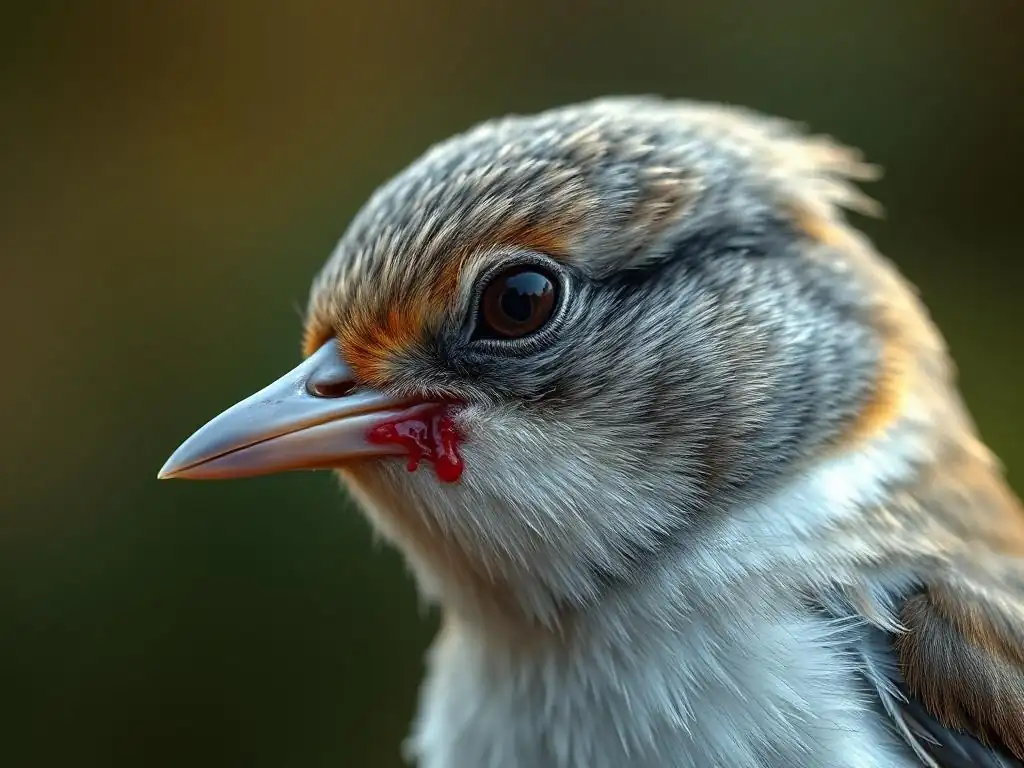
Welcome to PetCareWorld, your ultimate guide to a happier, healthier life for your beloved pets! We're passionate about providing the most accurate and helpful information available, and today, we're tackling a critical topic: Bird head trauma. Is your feathered friend showing signs of injury? Learn essential first aid techniques and crucial monitoring strategies in our comprehensive guide to ensure their swift recovery. Discover the vital steps you can take to help your bird in this crucial moment – your proactive care can make all the difference. Read on to learn more!
- Recognizing the Signs of Bird Head Trauma
- Immediate First Aid for Bird Head Trauma
- Transporting Your Injured Bird to Veterinary Care
- Monitoring Your Bird After Head Trauma
-
Long-Term Recovery and Rehabilitation After Bird Head Trauma
- Gradual Return to Normal Activity: Rehabilitation Guidelines for Avian Head Trauma
- Dietary Adjustments for Recovery: Nutritional Recommendations for Convalescence
- Monitoring for Long-Term Neurological Effects: Potential Long-Term Neurological Issues
- The Importance of Regular Veterinary Checkups Post-Trauma
- When to Seek Immediate Veterinary Attention for Bird Head Injury
- Frequently Asked Questions
- Final Reflection: A Wing and a Prayer: Saving Our Feathered Friends
- Ready to Be a Bird First-Aid Hero?
Recognizing the Signs of Bird Head Trauma
Bird head trauma, sadly, is a relatively common occurrence among avian companions, often resulting from falls, collisions with objects, or attacks by other animals. Understanding the signs and symptoms of head trauma in birds is crucial for providing timely and appropriate first aid, potentially saving your feathered friend's life. This guide will walk you through recognizing the severity of head injuries, assessing your bird's responsiveness, and understanding the next steps to take. Prompt action is vital in these situations, as even seemingly minor injuries can quickly escalate if left untreated.
We'll cover identifying mild, moderate, and severe head trauma indicators, helping you make informed decisions about seeking veterinary care. Remember, this information is for educational purposes only and should not replace professional veterinary advice. Always consult an avian veterinarian for diagnosis and treatment.
Identifying Mild Head Injuries in Birds
Mild head trauma in birds may present subtly, making them easily overlooked. These injuries often involve minor concussions or superficial wounds. Key indicators of mild head trauma can include:
- Lethargy and unusual stillness: Your bird might be less active than usual, exhibiting a noticeable decrease in energy levels and a preference for staying still.
- Slightly disoriented behavior: Minor disorientation can manifest as difficulty navigating familiar surroundings or unusual clumsiness.
- Head tilting or bobbing: A subtle head tilt or intermittent bobbing of the head can be indicative of a minor neurological issue.
- Mild bleeding from the beak or nostrils: Small amounts of bleeding, often stemming from minor abrasions, can be present.
- Changes in vocalizations: Your bird may exhibit quieter or altered vocalizations, or they might become unusually silent.
While these symptoms might seem insignificant, they warrant close observation. Monitor your bird closely for any worsening of symptoms and seek veterinary attention if the condition doesn't improve or if new symptoms appear. Even seemingly minor head injuries can have underlying complications.
Moderate to Severe Head Trauma Indicators in Avian Patients
Moderate to severe head trauma presents more serious and easily identifiable symptoms. These injuries often require immediate veterinary intervention. Signs to watch for include:
- Significant bleeding from the head or beak: Heavy bleeding is a clear indication of a serious injury requiring immediate attention.
- Obvious deformities of the skull or beak: Visible fractures or deformities are serious and require immediate veterinary care.
- Seizures or convulsions: These are critical signs indicative of severe neurological damage.
- Loss of consciousness or unresponsive state: If your bird is unconscious or unresponsive to stimuli, this is a life-threatening emergency demanding immediate veterinary intervention.
- Respiratory distress: Difficulty breathing, characterized by rapid, shallow breaths or gasping, suggests potential internal injuries.
- Pupil dilation or asymmetry: Unequal pupil sizes or abnormally dilated pupils can signal neurological compromise.
- Paralysis or weakness in limbs: Inability to use one or more limbs is a clear sign of potential nerve damage.
The presence of any of these symptoms necessitates immediate veterinary care. Time is of the essence in these situations, as prompt treatment can significantly improve the chances of survival and recovery.
Assessing Consciousness and Responsiveness in Injured Birds
Assessing your bird's level of consciousness and responsiveness is critical in determining the severity of the head trauma. Use the following methods to gauge their condition:
- Stimulus Response: Gently try to rouse your bird by softly calling its name or touching it. Observe its reaction. A responsive bird will react to these stimuli, while an unresponsive bird will show no reaction.
- Righting Reflex: Gently place your bird on its back. A healthy bird will quickly right itself, while an injured bird may not be able to do so.
- Pupillary Response: Observe the size and reactivity of your bird's pupils. Slow or absent pupillary response to light indicates a potential neurological problem.
- Monitoring Breathing and Heart Rate: Note the rate and quality of your bird's breathing and heart rate. Irregular or labored breathing, along with an abnormally fast or slow heart rate, are warning signs.
Accurate assessment of your bird's consciousness and responsiveness will help you communicate effectively with your avian veterinarian, providing them with crucial information for diagnosis and treatment. Remember to remain calm and handle your bird gently to avoid further injury. Detailed observation and prompt veterinary attention are key to maximizing the chances of a positive outcome.
Neurological Signs to Watch For After Bird Head Trauma
Neurological signs following bird head trauma can be subtle or dramatic, demanding immediate attention. Early detection is crucial for effective treatment and improving the chances of recovery. These signs often manifest differently depending on the severity of the trauma and the specific area of the brain affected. A swift assessment is key, as some neurological deficits can rapidly worsen.
One of the most common and easily observable signs is altered mentation. This can range from mild lethargy and decreased responsiveness to complete unresponsiveness or stupor. Your bird may seem less interactive, less interested in its usual activities, or display unusual sleep patterns. A normally active and playful bird suddenly becoming withdrawn or unresponsive should be considered a serious warning sign. Pay close attention to their usual behavior; even subtle changes can indicate underlying neurological problems.
Another significant sign is ataxia, which refers to a loss of coordination and balance. This might present as difficulty perching, stumbling, falling, or an inability to maintain its usual posture. You might observe head tilting, circling movements, or an unsteady gait. The severity of ataxia can vary greatly, ranging from slight unsteadiness to complete inability to control body movements. Observe your bird carefully during its normal activities, noting any unusual clumsiness or lack of coordination.
Seizures are a more severe neurological symptom and indicate significant brain damage. These can manifest as sudden, involuntary muscle spasms, tremors, or convulsions. Your bird may exhibit repetitive movements, loss of consciousness, or paddling movements of the legs. Seizures are a medical emergency and require immediate veterinary attention. Document the duration, frequency, and characteristics of the seizures to provide your avian veterinarian with valuable information.
Changes in pupil size and reactivity are also important indicators of neurological dysfunction. Unilateral or bilateral dilation or constriction of the pupils, along with a lack of normal response to light, can suggest brain injury. Observe your bird's eyes closely, noting any asymmetry or unusual reactions to light stimuli. This requires a keen eye and careful observation.
Finally, changes in vocalizations can also be a tell-tale sign. A bird that suddenly becomes quieter, changes its vocalizations, or loses the ability to vocalize altogether may be experiencing neurological issues. Compare its current vocalizations to its normal repertoire to identify any significant deviations. Changes in vocal patterns can be subtle and easily missed unless you are familiar with your bird's usual vocalizations.
Keep detailed records of any behavioral or vocal changes. Early detection and prompt veterinary care are vital for improving the prognosis of birds experiencing head trauma. Remember, even subtle changes in behavior can be indicative of a serious underlying condition.
Immediate First Aid for Bird Head Trauma
This section details the crucial first steps to take when your bird suffers head trauma. Remember, prompt and appropriate action can significantly improve your bird's chances of survival and recovery. Time is of the essence in these situations; every second counts. This guide focuses on providing immediate care until professional veterinary attention can be obtained. Effective "bird head trauma first aid" requires calm, decisive action.
Stabilizing the Injured Bird: Safe Handling Techniques
Handling an injured bird, especially one with head trauma, requires extreme gentleness to avoid further injury. Rough handling can exacerbate existing damage and potentially cause additional trauma. Before attempting to touch your bird, carefully assess the situation. Is the bird conscious? Is it exhibiting signs of aggression or distress?
- Approach with Caution: Approach slowly and quietly, minimizing sudden movements that might frighten the bird further. Speak in a soft, soothing voice to calm it.
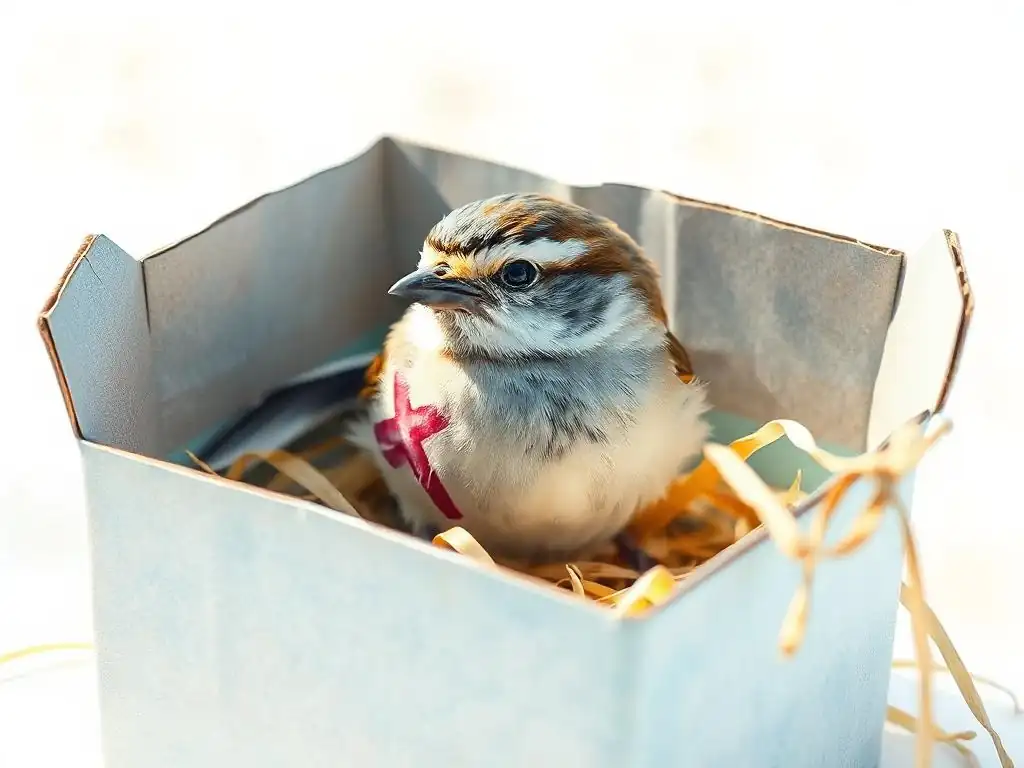
- Use Appropriate Containment: If possible, gently guide the bird into a secure, dark, and quiet container such as a small, well-ventilated box lined with soft towels. Avoid using anything that could further injure the bird, such as rough materials or sharp objects. The goal is to minimize stress and movement.
- Support the Head and Neck: If you must handle the bird, support its head and neck gently but firmly. Avoid any sudden jerking or twisting movements. Use both hands to provide stable support, cradle the body, and prevent the bird from struggling. Improper support can worsen the trauma, potentially causing spinal cord damage.
- Minimize Movement: Once the bird is secure, keep it still and minimize handling to a bare minimum. Excessive movement could worsen the internal injuries associated with head trauma.
Preventing Further Injury: Creating a Safe Environment
After stabilizing your bird, creating a safe environment is paramount. This involves eliminating any potential hazards that could cause further injury or stress. A safe environment is essential for the bird's recovery.
- Remove Potential Hazards: Remove any potential hazards from the immediate vicinity, including sharp objects, toys, mirrors, and other birds. A clean, quiet space is crucial for recovery.
- Provide Darkness and Quiet: A dark, quiet environment helps to reduce stress and promote rest. Cover the container or cage with a dark cloth to minimize external stimuli. Noise can exacerbate the bird's stress levels.
- Maintain Optimal Temperature: Birds are highly sensitive to temperature fluctuations. Maintain a comfortable temperature within the bird's normal range. Consult your bird's species-specific care guidelines for ideal temperatures. Hypothermia or hyperthermia can worsen the bird's condition.
- Prevent Self-Mutilation: If your bird is exhibiting signs of self-mutilation, such as excessive preening or feather plucking, you may need to use a soft Elizabethan collar to prevent further injury. This requires veterinary guidance.
Controlling Bleeding: Methods for Avian Head Wounds
Bleeding from head wounds in birds can be alarming. While you should prioritize getting your bird to a veterinarian, controlling bleeding is a crucial first aid step. However, direct intervention should be minimal to avoid causing more harm.
- Assess the Wound: Gently assess the wound to determine its severity. Note the location, size, and amount of bleeding. Minor bleeding might stop on its own, but significant bleeding requires immediate veterinary attention.
- Apply Gentle Pressure (If Necessary): If bleeding is profuse, you can gently apply pressure to the wound using a clean, soft cloth or gauze. Avoid direct pressure on the eye or any sensitive areas of the head. Excessive pressure could cause further damage.
- Avoid Direct Contact with Wound: Do not attempt to clean or treat the wound yourself. This can introduce infection and further complicate the situation. Focus on stabilizing the bird and getting it to a veterinarian as quickly as possible.
- Monitor for Shock: Monitor your bird for signs of shock, such as weakness, pale comb or wattles (if applicable), rapid breathing, and lethargy. These are critical indicators requiring immediate veterinary intervention. Prompt veterinary care is crucial for the best possible outcome in cases of bird head trauma. The sooner your bird receives professional treatment, the higher its chances of recovery.
Administering First Aid: Emergency Care Procedures for Avian Head Trauma
Avian head trauma requires immediate and careful first aid. The severity of the injury dictates the urgency and specific actions. Remember, your primary goal is to stabilize the bird and minimize further harm until professional veterinary care can be obtained. Do not attempt to diagnose or treat the injury yourself; your actions should focus on keeping the bird safe and comfortable while transporting it to a veterinarian specializing in avian medicine.
First, ensure your own safety. A frightened or injured bird may bite or scratch. Use thick gloves or a towel to gently restrain the bird, minimizing handling to prevent further injury. Avoid sudden movements or loud noises which could exacerbate the bird's stress and potentially worsen the trauma.
Next, assess the bird's breathing and consciousness. Is the bird breathing easily? Is it responsive to stimuli? If breathing is labored or absent, perform gentle rescue breathing using a small syringe or specialized avian rescue breathing device. [Specific instructions for avian rescue breathing pending]. Note any bleeding, swelling, or deformities around the head and neck. Gently examine the bird's eyes for any signs of damage, such as bleeding or swelling.
Gentle restraint is crucial. Wrap the bird securely in a soft, dark towel to reduce stress and prevent further injury. Avoid applying pressure to the injured area. A small, well-ventilated carrier is ideal for transport. Keep the bird warm and quiet during transport.
Control any external bleeding. If there is external bleeding, apply gentle pressure with a clean cloth to the bleeding area. However, avoid applying too much pressure, as this could cause further damage. [Specific instructions for controlling avian bleeding pending].
Finally, transport the bird immediately to an avian veterinarian. Time is critical in head trauma cases. Inform the veterinarian about the incident, the bird's symptoms, and the first aid measures you provided. Prompt veterinary care significantly increases the bird's chances of survival and recovery. Remember that even seemingly minor head injuries can have serious underlying consequences in birds. Therefore, seeking immediate professional help is paramount for optimal bird head trauma first aid. Early intervention can make a significant difference in the outcome.
Transporting Your Injured Bird to Veterinary Care
Getting your injured bird to an avian veterinarian swiftly and safely is crucial for its survival and recovery after experiencing head trauma. Time is of the essence in these situations, as even seemingly minor injuries can quickly worsen. This section details the critical steps involved in transporting your feathered friend to receive the necessary emergency care. Remember, handling a bird with a head injury requires gentleness and care to avoid further complications.
Preparing for Transport: Essential Supplies and Considerations
Before you even think about moving your bird, gather the necessary supplies. Improper transport can exacerbate the injury, so preparation is key. Here's a checklist of essentials:
- A sturdy, well-ventilated carrier: Avoid using anything flimsy or easily damaged. The carrier needs to be dark and quiet to minimize stress. A small, secure pet carrier lined with soft, absorbent material is ideal. Avoid using wire cages, as these offer insufficient protection and can cause further injuries.
- Soft bedding: Line the carrier with a soft, absorbent towel or cloth. This will help cushion your bird and absorb any potential bleeding or discharge. Avoid using materials that could be ingested or cause entanglement.
- A small water source: Provide a small, shallow dish of water, secured to prevent spillage. Dehydration is a serious concern, especially during stressful situations.
- A warm source (if necessary): Birds are susceptible to hypothermia. If your bird seems cold, a small, wrapped heating pad (on low setting) placed under the carrier can help maintain body temperature. Never place the heating pad directly against the carrier.
- First aid kit (if applicable): While you should not attempt extensive first aid on a head injury, having clean gloves and a small, clean towel handy is advisable. Avoid any unnecessary touching of the wound.
- Paper towels: For cleaning up any mess during transport.
- Emergency contact information: Have your veterinarian's phone number readily available.
Choosing the Right Transportation Method: Safe and Humane Transport Options
The method of transport depends on the severity of the injury and the distance to the veterinary clinic. Prioritize safety and minimize stress for your bird.
- For short distances: A carefully prepared carrier carried by hand is often the best option. Keep the carrier stable and avoid sudden movements. Driving slowly and carefully is essential.
- For longer distances: A car is generally preferable to public transport. Ensure the carrier is securely fastened to prevent movement during the journey. Maintaining a consistent temperature inside the vehicle is crucial. Avoid using a pet carrier that hangs from the car seat as this is dangerous in accidents.
- Avoid: Public transport, unless absolutely unavoidable, due to potential jostling and exposure to stressors.
Contacting an Avian Veterinarian: Finding Emergency Care
Time is critical when dealing with bird head trauma. Before you even begin preparing for transport, contact an avian veterinarian. Explain the situation clearly and concisely, providing as much detail as possible about the incident and your bird's condition. They may provide immediate instructions or advice over the phone, even before your arrival. If your regular vet doesn't specialize in avian care, they should be able to provide a referral to an avian specialist in your area.
Having the emergency contact information for an avian veterinarian already saved in your phone is highly recommended. This ensures you can quickly access their contact information when seconds count. Remember, prompt veterinary attention significantly increases your bird's chances of recovery. 🐦
Monitoring Your Bird After Head Trauma
This section focuses on the crucial post-trauma period for birds experiencing head injuries. Effective monitoring is paramount to ensuring a positive outcome and identifying potential complications early. Remember, immediate veterinary attention is always the best course of action after suspected bird head trauma. This section provides supplementary information to aid in post-veterinary care. Proper observation and supportive care can significantly improve your bird's chances of recovery.
Post-Trauma Observation: Key Signs to Monitor at Home
Following a head injury, consistent observation is critical. Even if your avian companion seems to have recovered initially, subtle changes can indicate underlying issues. Keep a close eye on these key indicators:
- Level of Consciousness and Responsiveness: Note any changes in alertness, responsiveness to stimuli (sound, touch), or unusual lethargy. A bird that is unusually sleepy or unresponsive needs immediate veterinary attention. Document the frequency and duration of these episodes.
- Motor Function and Coordination: Assess your bird's ability to move normally. Observe any signs of ataxia (loss of coordination), tremors, head tilt, or difficulty perching or climbing. Record any instances of stumbling or falling. For example, if your bird normally preens meticulously, note any reduction in this behavior.
- Pupil Size and Response to Light: Check the size and reactivity of your bird's pupils. Unequal pupil size (anisocoria) or a lack of response to light can indicate neurological damage. Note the color and clarity of the eyes as well. Cloudiness could indicate internal bleeding or other complications.
- Eating and Drinking Habits: Monitor food and water intake closely. A significant decrease in appetite or thirst can be a serious sign. Weigh your bird daily to track any weight loss, a critical indicator of health deterioration. Note the types of food consumed and the amount.
- Breathing and Respiratory Rate: Observe your bird's breathing pattern. Increased respiratory rate, labored breathing, or gasping can indicate respiratory distress, potentially linked to head trauma. Count the breaths per minute at regular intervals.
- Behavioral Changes: Any significant change in behavior, such as increased aggression, unusual vocalizations, or self-mutilation, should be documented and reported to your avian veterinarian immediately. A sudden shift in personality warrants immediate attention.
| Sign | Normal Observation | Abnormal Observation | Action |
|---|---|---|---|
| Alertness | Responsive, active | Lethargy, unresponsiveness, prolonged sleep | Contact veterinarian immediately |
| Coordination | Normal movement, perching, climbing | Ataxia, tremors, head tilt, stumbling, falling | Contact veterinarian immediately |
| Pupil Response | Equal pupil size, reactive to light | Unequal pupil size (anisocoria), lack of light response | Contact veterinarian immediately |
| Appetite | Eats and drinks normally | Significant decrease in food or water intake | Contact veterinarian immediately |
| Respiration | Normal breathing rate | Increased rate, labored breathing, gasping | Contact veterinarian immediately |
| Behavior | Normal behavior for the species | Increased aggression, unusual vocalizations, self-mutilation | Contact veterinarian immediately |
Remember to keep detailed records of your observations. This information will be invaluable to your veterinarian in assessing your bird's progress and guiding treatment. The more data you provide, the better equipped your vet will be to help your feathered friend.
Providing Supportive Care: Nutrition, Hydration, and Rest
Providing optimal supportive care is crucial during the recovery phase. This involves focusing on three key areas: nutrition, hydration, and rest.
Proper nutrition is essential for tissue repair and overall health. Offer easily digestible, high-quality foods that your bird enjoys. Consider offering smaller, more frequent meals to avoid overwhelming your bird. If your bird is refusing food, you may need to assist with feeding, but seek veterinary guidance on appropriate methods.
Maintaining adequate hydration is equally important. Offer fresh, clean water at all times. If your bird is struggling to drink, you may need to assist with hydration, possibly with a syringe under veterinary supervision.
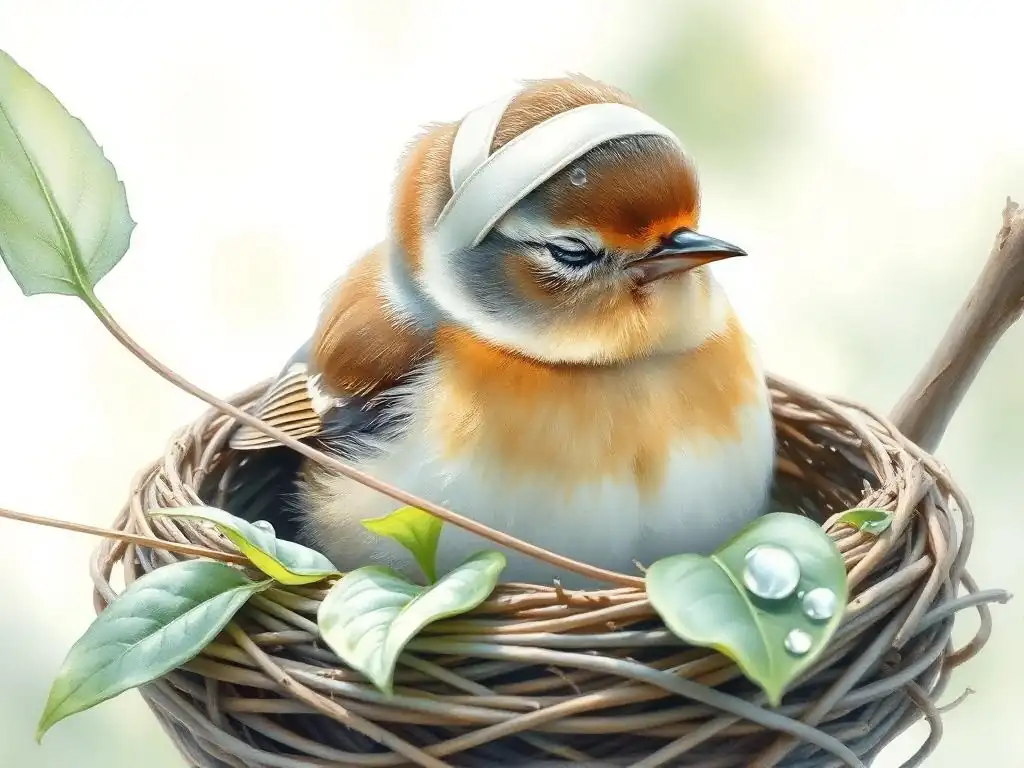
Finally, ensure your bird has a quiet, dark, and secure environment to promote rest. Minimize stress and noise. A dimly lit, comfortable cage will help your bird relax and conserve energy for healing. Avoid handling your bird excessively.
Recognizing Complications: Signs of Worsening Condition
Even with diligent monitoring and supportive care, complications can arise. Recognize these warning signs that indicate a worsening condition:
- Seizures: These are characterized by sudden, involuntary muscle contractions and loss of consciousness. Seizures are a serious medical emergency requiring immediate veterinary attention.
- Increased Neurological Deficits: A progressive worsening of motor function, such as increased ataxia or paralysis, is a concerning sign. Any new neurological symptoms should be reported immediately.
- Respiratory Distress: Progressive difficulty breathing, including increased respiratory rate, cyanosis (bluish discoloration of the skin or mucous membranes), or open-mouth breathing, is a critical sign requiring immediate veterinary care.
- Persistent Lethargy or Unresponsiveness: If your bird remains lethargic or unresponsive despite supportive care, it indicates a serious problem.
- Bleeding: Any signs of bleeding from the nose, mouth, or other orifices should be addressed immediately by a veterinarian.
Prompt recognition of these complications and immediate veterinary intervention are critical for improving the chances of a successful recovery. Do not hesitate to seek veterinary help if you notice any concerning changes in your bird's condition. Early intervention is key when dealing with bird head trauma.
Following Veterinary Instructions: Importance of Compliance
Following your avian veterinarian's instructions meticulously is paramount after a head trauma incident. Your bird's recovery hinges on your precise adherence to the prescribed treatment plan. This isn't merely about following instructions; it's about actively participating in your bird's healing process. Deviation from the prescribed medication dosages, frequency, or administration methods can significantly impede recovery and potentially lead to complications or even death. Remember, your veterinarian has assessed your bird's specific condition and tailored the treatment accordingly. They understand the nuances of avian physiology and the potential risks associated with head injuries.
Ignoring or altering the prescribed medication regimen is particularly dangerous. Certain medications have narrow therapeutic windows, meaning the effective dose is very close to the toxic dose. Even slight variations can have severe consequences. Similarly, failing to follow instructions regarding cage rest, dietary modifications, or environmental adjustments can negatively impact your bird's recovery. For instance, if your vet recommends a quiet, dimly lit environment to reduce stress, failing to provide this can hinder the healing process and potentially exacerbate the injury.
Furthermore, regular follow-up appointments are crucial. These appointments allow the veterinarian to monitor your bird's progress, assess the effectiveness of the treatment, and make any necessary adjustments. Missing these appointments prevents early detection of potential complications and delays appropriate interventions. During these visits, be prepared to provide detailed information about your bird's behavior, appetite, and any noticeable changes in their condition.
Open and honest communication with your veterinarian is essential for optimal care. Remember, you are your bird's advocate, and your diligence in following instructions is a critical element in ensuring a successful recovery. The success of treatment is a collaborative effort between you and your veterinary team. Your active participation is not optional; it's vital.
Long-Term Recovery and Rehabilitation After Bird Head Trauma
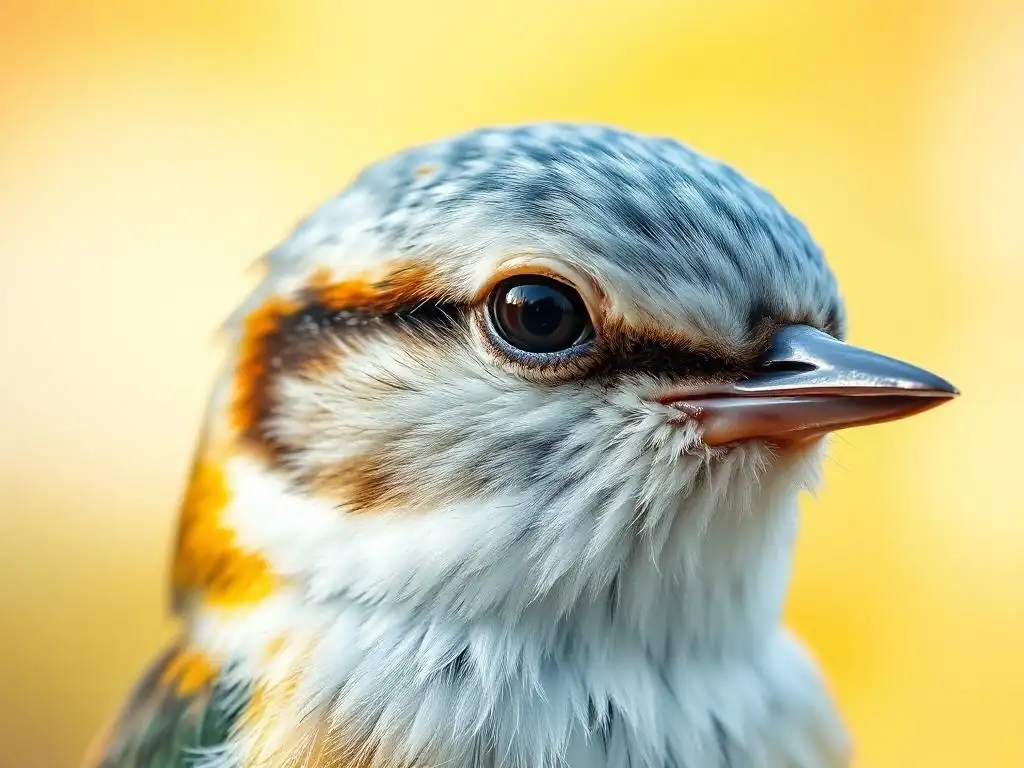
Following initial stabilization and treatment of a bird head trauma, the long road to recovery begins. This phase focuses on gradual rehabilitation and careful monitoring for any lingering effects. Successful long-term recovery depends heavily on consistent care and attentive observation. The severity of the initial injury significantly impacts the recovery timeline and prognosis. Some birds may recover fully within weeks, while others may require months of intensive care and rehabilitation. Patience and a proactive approach are crucial. Remember, early intervention and consistent veterinary care dramatically increase the chances of a positive outcome in avian head trauma cases.
Gradual Return to Normal Activity: Rehabilitation Guidelines for Avian Head Trauma
Reintroducing your bird to its normal activities should be a gradual process. Rushing this phase can lead to setbacks and potentially worsen the injury. The following guidelines provide a framework, but always consult your avian veterinarian for personalized advice tailored to your bird's specific needs and recovery progress.
- Initial Rest: Complete rest is crucial in the first few days to weeks post-trauma. This involves minimizing stimulation and ensuring a quiet, dark environment. Avoid handling your bird unless absolutely necessary for medication or cleaning.
- Gradual Enrichment: After the initial rest period, slowly introduce familiar toys and perches. Start with one or two items and gradually add more as your bird tolerates them. Observe for signs of stress or discomfort; remove any items that seem to cause distress.
- Cage Environment: Ensure the cage is clean, safe, and free from hazards. Remove any potentially dangerous items that could cause further injury. Consider placing soft bedding to prevent falls.
- Controlled Exercise: Once your veterinarian approves, begin supervised short periods of flight or out-of-cage time. Start with very short sessions and gradually increase the duration as tolerated. Always provide a safe, enclosed space to prevent falls or collisions.
- Social Interaction: Gradually reintroduce your bird to its usual social interactions, be it with other birds or human companions. Monitor for any signs of aggression or unusual behavior. Maintain a calm and reassuring demeanor.
Remember, the key is to proceed slowly and observe your bird's responses carefully. Any signs of relapse, such as increased lethargy, wobbliness, or changes in behavior, warrant immediate veterinary attention.
Dietary Adjustments for Recovery: Nutritional Recommendations for Convalescence
Proper nutrition plays a vital role in the recovery process after avian head trauma. A balanced diet provides the essential nutrients needed for tissue repair and overall health. Your veterinarian may recommend specific dietary adjustments based on your bird's individual needs and condition. Here are some general guidelines:
- High-Quality Diet: Ensure your bird receives a high-quality, species-appropriate diet. This may involve supplementing their regular food with additional vitamins and minerals as directed by your veterinarian. Consider offering soft, easily digestible foods during the initial stages of recovery.
- Hydration: Adequate hydration is crucial. Ensure your bird has constant access to fresh, clean water. You may need to assist with hydration if your bird is having difficulty drinking independently.
- Small, Frequent Meals: Offer small, frequent meals throughout the day rather than large meals less often. This can help prevent digestive upset and promote better nutrient absorption.
- Avoid Sugary Foods and Treats: Avoid sugary foods and treats, as these provide empty calories and can hinder recovery.
- Veterinary Guidance: The most critical aspect is consulting your avian veterinarian. They can provide tailored recommendations based on your bird’s species, age, health condition, and the severity of the head trauma. They might suggest specialized nutritional supplements or therapeutic diets.
Monitoring for Long-Term Neurological Effects: Potential Long-Term Neurological Issues
Even with successful initial treatment, some birds may experience long-term neurological effects following head trauma. Careful monitoring is crucial to identify and manage any potential complications. These effects can manifest in various ways, including:
- Changes in Behavior: Observe for changes in your bird's behavior, such as increased aggression, lethargy, or changes in vocalizations. Any significant deviation from their normal behavior should be reported to your veterinarian.
- Motor Skill Deficits: Monitor for any motor skill deficits, such as difficulty perching, climbing, or flying. These could indicate ongoing neurological problems.
- Balance Issues: Assess your bird's balance. Observe if they appear unsteady or prone to falling. This could be a sign of vestibular dysfunction.
- Seizures: In some cases, head trauma can lead to seizures. If you observe any seizure activity, seek immediate veterinary attention.
- Vision Problems: Check for any signs of vision problems, such as difficulty navigating their environment or bumping into objects.
- Cognitive Impairment: Some birds may experience cognitive impairment, which can manifest as disorientation, confusion, or memory loss.
Regular veterinary check-ups are essential to monitor for these potential long-term neurological effects. Early detection allows for timely intervention and management of any complications, improving the bird's quality of life and overall prognosis. Early identification and appropriate management can significantly improve the bird's long-term well-being. Remember, proactive monitoring is key to ensuring the best possible outcome.
The Importance of Regular Veterinary Checkups Post-Trauma
Following a head trauma, even if your bird seems to have recovered well initially, regular veterinary checkups are absolutely crucial. These aren't just routine appointments; they're vital for monitoring your bird's progress and detecting any potential long-term complications that might not be immediately apparent. Head injuries can lead to subtle neurological issues that may not manifest for weeks or even months.
These could include changes in behavior, such as increased lethargy, decreased appetite, or altered vocalizations. They might also present as subtle motor skill impairments, like difficulty perching or coordinating movements. A veterinarian can perform thorough neurological examinations to identify these issues early, allowing for timely intervention and potentially preventing further damage.
Regular checkups also allow for the monitoring of healing. Your avian veterinarian can assess the extent of the skull fracture, if any, and ensure that it's healing properly. They can also check for signs of infection, which is a significant risk following any head injury. Early detection of infection is critical for effective treatment and preventing serious consequences. Furthermore, your vet can adjust medication dosages as needed, ensuring your bird receives the optimal level of care throughout the recovery process. This might involve adjusting pain medication, antibiotics, or other supportive therapies.
The frequency of these checkups will depend on the severity of the initial injury and your bird's response to treatment. In cases of severe trauma, weekly or even more frequent visits might be necessary initially. As your bird improves, the frequency can be reduced, but regular checkups – at least monthly for several months – are strongly recommended to ensure a complete and successful recovery. Don't hesitate to contact your veterinarian immediately if you notice any concerning changes in your bird's behavior or physical condition between scheduled appointments.
Early intervention is key to maximizing the chances of a positive outcome. Remember, your vigilance and proactive approach are essential components of your bird's long-term health and well-being after experiencing head trauma. Proactive care is far more effective and less costly than reactive emergency visits.
When to Seek Immediate Veterinary Attention for Bird Head Injury
Determining when to rush your feathered friend to an avian veterinarian after a head injury can be stressful. Time is often critical in these situations, so understanding the severity of the injury is paramount. While minor bumps and bruises might heal on their own, many head injuries require immediate professional care to prevent long-term complications or even death.
This section will help you identify situations requiring immediate veterinary attention, focusing on recognizing life-threatening signs and symptoms. Careful observation and quick action can significantly improve your bird's chances of recovery. Remember, it's always better to err on the side of caution when dealing with potential bird head trauma.
Emergency Situations Requiring Immediate Veterinary Care
Several scenarios necessitate immediate veterinary intervention for a bird suffering head trauma. These situations often indicate severe injury and require prompt professional care. Delaying treatment in these cases can have dire consequences.
- Unconsciousness or Altered Mental State: If your bird is unconscious, unresponsive, or exhibiting unusual behavior like disorientation or lethargy, seek immediate veterinary care. This suggests a significant neurological impact requiring rapid assessment and treatment. Even brief periods of unconsciousness should be considered a serious emergency.
- Severe Bleeding: Any significant bleeding from the head, beak, or eyes demands immediate veterinary attention. This indicates potential damage to blood vessels and requires prompt intervention to control the bleeding and prevent further complications. The location and amount of bleeding should be carefully noted for the veterinarian.
- Seizures or Tremors: Seizures or uncontrollable tremors are alarming signs of potential brain damage and require immediate veterinary assessment. Accurate observation and recording of the frequency and duration of these episodes is crucial for the veterinarian's diagnosis.
- Respiratory Distress: Difficulty breathing, gasping, or open-mouth breathing after head trauma suggests potential damage to the respiratory system or brain stem. This is a life-threatening condition demanding immediate veterinary intervention.
- Paralysis or Weakness: Inability to move a limb or significant weakness in any part of the body following a head injury is a serious sign and necessitates immediate veterinary care. This could indicate nerve damage or spinal cord injury requiring specialized treatment.
- Deformity of the Skull or Beak: Visible deformities of the skull or beak after trauma indicate a severe injury requiring immediate professional attention. These deformities may compromise the bird's ability to eat, drink, or breathe.
Recognizing Life-Threatening Signs in Birds with Head Trauma
Beyond the immediate emergencies, several subtle signs can indicate a life-threatening situation developing. These signs require close monitoring and prompt veterinary consultation if they worsen or persist. Early detection can be crucial for successful treatment.
- Changes in Behavior: Sudden changes in your bird's usual behavior, such as increased aggression, unusual vocalizations, or a loss of interest in its surroundings, should be monitored closely. These behavioral shifts could signal underlying neurological problems.
- Loss of Appetite or Dehydration: Refusal to eat or drink is a significant concern, especially following a head injury. Dehydration can quickly become life-threatening, so monitor your bird's water intake closely and seek veterinary attention if dehydration is suspected.
- Abnormal Eye Movements or Pupil Dilation: Unusual eye movements, such as nystagmus (involuntary eye movements), or abnormal pupil dilation can indicate brain damage. These signs require prompt veterinary assessment.
- Bleeding from the Nares (Nostrils): While less visually apparent than external bleeding, bleeding from the nostrils can also indicate a serious internal injury and should be reported to your avian veterinarian immediately.
Remember, this information is for guidance only. Always consult with an avian veterinarian for diagnosis and treatment of any bird head injury. Prompt veterinary care significantly improves the chances of a successful outcome. Early intervention is key to mitigating potential long-term complications and ensuring the well-being of your beloved bird. 🐦
Frequently Asked Questions
What are the common signs of head trauma in birds?
Signs of bird head trauma include loss of balance, head tilting, seizures, lethargy, and unusual eye movements. Immediate veterinary care is crucial.
How can I safely transport my injured bird to a vet?
Use a small, well-ventilated carrier to minimize stress and further injury. Keep the carrier dark and quiet. Drive carefully and avoid sudden movements.
What first aid can I provide before reaching a vet?
Keep your bird warm and quiet. Avoid giving food or water. Control any bleeding with gentle pressure if possible, but prioritize getting to a veterinarian.
Is it always necessary to take my bird to an avian vet for head trauma?
Yes, avian head trauma is a serious condition requiring specialized care. Even seemingly minor injuries can have severe underlying consequences.
What is the prognosis for a bird with head trauma?
The prognosis depends on the severity of the injury and the promptness of treatment. Early intervention by an avian veterinarian significantly improves the chances of recovery.
Final Reflection: A Wing and a Prayer: Saving Our Feathered Friends
The fragility of avian life, often overlooked, is starkly revealed when considering head trauma in birds. This silent suffering demands our attention and immediate action. Understanding the intricacies of avian anatomy and the specific first aid protocols outlined in this article is not merely academic; it's a crucial step towards ensuring the survival of these vital creatures. The consequences of inaction are dire, highlighting the urgent need for widespread knowledge and responsible intervention.
The impact of human activity on bird populations is undeniable, and head trauma, often resulting from collisions with windows or vehicles, is a significant contributing factor to avian mortality. This underscores the importance of raising awareness and promoting responsible environmental practices. The fate of the birds is inextricably linked to the fate of humanity.
This simple truth compels us to act as stewards of their well-being, extending our compassion beyond our own species. The knowledge gained from understanding bird head trauma extends beyond immediate first aid; it fosters a deeper appreciation for the interconnectedness of life and our responsibility to protect it.
You now possess the knowledge to make a difference. Consider the next time you see a bird in distress; will you simply walk by, or will you act? The ability to provide even basic first aid can mean the difference between life and death for a creature that enriches our world with its beauty and song. Let the information shared in this article empower you to become an advocate for these often-unsung heroes of the natural world. Take action, spread awareness, and help build a future where every bird has a chance to soar.
Ready to Be a Bird First-Aid Hero?
Thank you for taking the time to learn about treating head injuries in birds! You've gained crucial knowledge to help injured birds. Now let's consider how to put that knowledge into action:
- Immediately contact your local avian veterinarian or wildlife rehabilitation center. This is the most critical step to ensure the bird receives the best possible care.
- Prepare a bird first-aid kit with essential supplies such as a clean towel, a small, secure container for transport, and blunt-ended scissors. This will allow you to respond effectively to future emergencies.
- Share this vital information with fellow bird enthusiasts—you never know when it could make a life-saving difference!
What steps will you take to be better prepared to assist an injured bird in the future?