
StepbyStep: A Bird Quarantine Checklist for New Owners

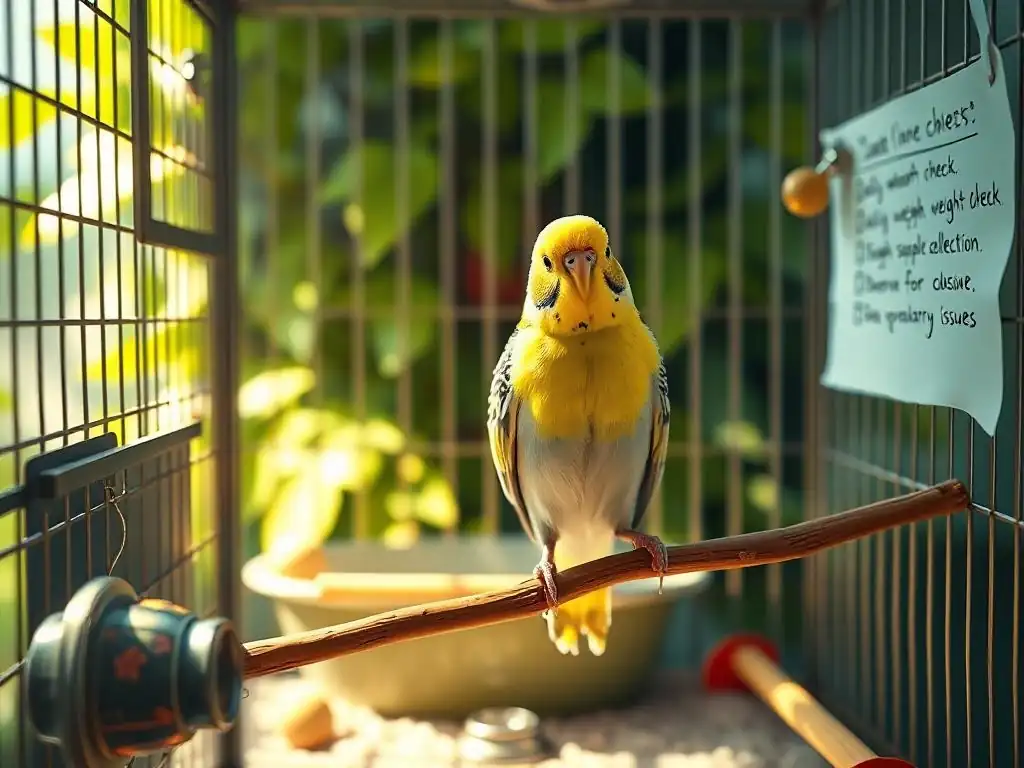
Welcome to PetCareWorld, your ultimate guide to happy and healthy pets! Are you bringing a new feathered friend home? Then you've come to the right place. Our comprehensive New Bird Quarantine Checklist will ensure a smooth and safe transition for your new companion, minimizing the risk of disease and setting the stage for a long and fulfilling life together. Dive in and discover the essential steps to a successful quarantine!
- Preparing for Your New Bird's Quarantine: Essential Setup
- Week 1: Initial Observation and Basic Health Assessment of Your New Bird
- Week 2-3: Introducing Enrichment and Socialization (with caution)
- Week 4: Final Health Check and Integration into the Flock (if applicable)
- When to Seek Veterinary Attention During Bird Quarantine
- Maintaining Hygiene During and After Bird Quarantine
- New Bird Quarantine Checklist: A Quick Reference Guide
- Frequently Asked Questions
- Final Reflection: Safeguarding Feathered Friends: The Long-Term Impact of Quarantine
- Ready to Give Your Feathered Friend a Safe & Happy Home?
Preparing for Your New Bird's Quarantine: Essential Setup
Bringing a new feathered friend home is an exciting time! However, before integrating your new bird into your existing flock (if you have one) or letting it freely explore your home, a crucial step is quarantine. This process protects both your new bird and your existing pets from potential illnesses.
This comprehensive guide provides a step-by-step checklist to ensure a smooth and safe quarantine period for your new avian companion, minimizing the risk of disease transmission and maximizing your bird's chances of a healthy and happy life. We'll cover everything from setting up a dedicated quarantine space to selecting the right supplies and location to mitigate cross-contamination risks.
Following this checklist will help you confidently welcome your new bird into your home while prioritizing their well-being and the health of your other pets. This guide is essential for all new bird owners looking to implement a successful "new bird quarantine checklist."
Creating a Dedicated Quarantine Space for Your New Avian Friend
The first step in a successful quarantine is establishing a dedicated space solely for your new bird. This prevents the spread of any potential illnesses to your other pets. This space should be separate from other birds or animals, ideally in a room with minimal traffic. The size of the space will depend on your bird's size and species; a larger cage is always preferable to allow for sufficient movement and comfort during the isolation period. Consider these points when setting up your bird's quarantine area:
- Cage Size: The cage should be large enough to accommodate your bird comfortably, allowing for ample space to perch, play, and exercise. A cramped cage can increase stress levels, weakening the bird's immune system and making it more susceptible to illness.
- Perches: Provide various types and sizes of perches to mimic natural environments and promote healthy foot development.
- Toys: A few simple, easily cleanable toys can help keep your bird entertained and prevent boredom during quarantine. Avoid overly complex toys that are difficult to sanitize.
- Substrate: Choose a substrate that is easy to clean and disinfect, such as paper towels or newspaper. Avoid using wood shavings or other materials that are difficult to sterilize.
- Cleaning Supplies: Have readily available disinfectants specifically designed for avian use. Always follow the manufacturer's instructions carefully.
Essential Supplies: Cage, Food, Water, and Accessories for Isolation
Before your new bird arrives, gather all necessary supplies to avoid unnecessary stress and exposure during the quarantine period. Having everything prepared beforehand will make the transition smoother and safer. This includes:
- A spacious cage: As mentioned above, ensure the cage is appropriately sized for your bird's species and size.
- Fresh food and water: Provide a variety of fresh foods appropriate for your bird's species. Use clean, fresh water daily in multiple containers to ensure adequate hydration.
- Food and water bowls: Opt for bowls that are easy to clean and disinfect.
- Clean towels and bedding: Regularly clean and replace soiled bedding to maintain a hygienic environment.
- Disinfectant spray: Use a disinfectant specifically designed for avian use, following manufacturer's instructions carefully.
- Thermometer: Monitor your bird's temperature regularly.
- First-aid kit (avian specific): While preventative care is key, having a basic avian first-aid kit on hand is prudent. [Specific contents pending]
Choosing the Right Quarantine Location: Minimizing Cross-Contamination Risk
The location of your bird's quarantine area is crucial in preventing the spread of potential diseases. Choose a room that minimizes contact with other pets and family members. Consider these factors:
- Isolation: The quarantine area should be completely separate from other birds and pets. Air circulation is important, but direct contact with other animals should be avoided.
- Ventilation: Good ventilation is important to maintain air quality, but avoid drafts that could chill your bird.
- Easy Access: The location should be easily accessible for regular cleaning and monitoring of your bird's health.
- Quiet Environment: A quiet and calm environment will help reduce stress levels for your new bird during the quarantine period. Minimize noise and disturbances as much as possible.
- Hygiene: Maintain a high level of hygiene in and around the quarantine area to minimize the risk of contamination. Regularly disinfect surfaces and clean up any droppings promptly. 🧼🧽
This checklist provides a solid foundation for your new bird's quarantine. Remember, consistency and attention to detail are key to a successful quarantine, ensuring a healthy and happy start for your new feathered friend. Remember to consult with an avian veterinarian for species-specific recommendations. 🐦❤️
Week 1: Initial Observation and Basic Health Assessment of Your New Bird
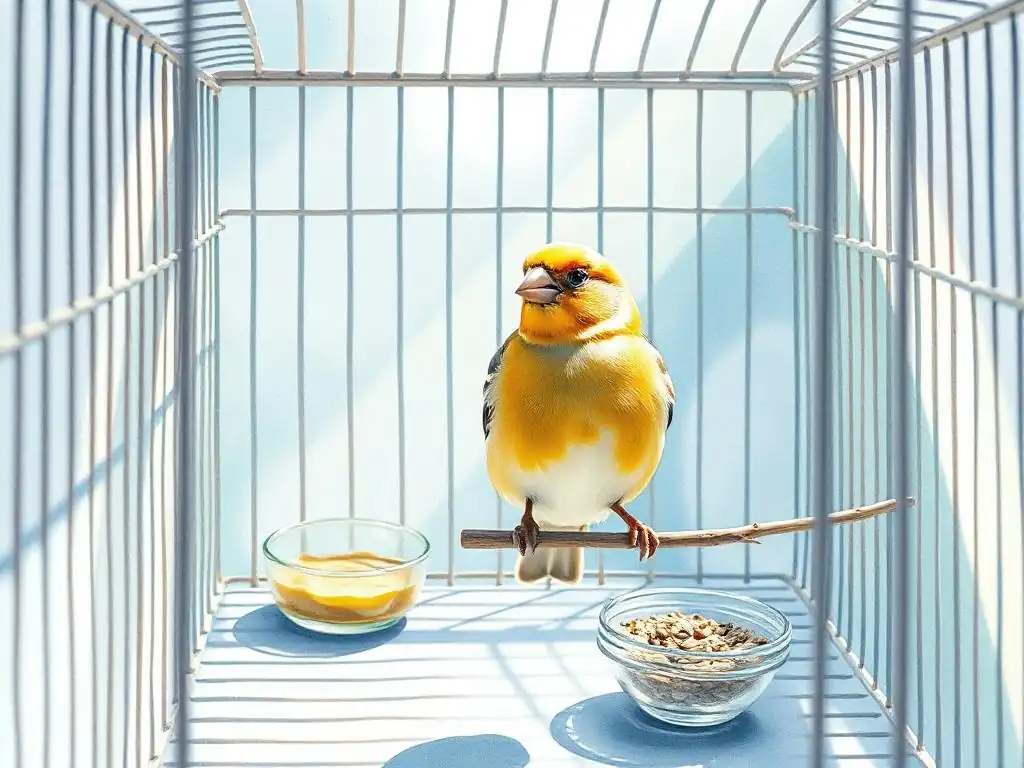
This crucial first week focuses on establishing a baseline for your new bird's health and identifying any potential issues early. A proactive approach during quarantine minimizes the risk of introducing diseases to your existing flock (if you have one) and ensures your feathered friend thrives in their new home. Remember, consistent observation is key to a successful quarantine. This initial assessment is paramount for a healthy and happy bird.
Daily Visual Inspections: Monitoring for Signs of Illness or Stress
Conduct thorough visual inspections of your new bird at least twice daily. Note any changes in their behavior, appearance, or droppings. Look for signs of illness, such as:
- Lethargy: Is your bird less active than usual? Are they sleeping more than normal?
- Changes in droppings: Observe the color, consistency, and frequency of droppings. Changes can indicate digestive issues or other problems. A detailed record is vital. Consider using a chart to track this.
- Respiratory distress: Listen for any unusual wheezing, gasping, or sneezing. Observe their breathing rate.
- Plumage changes: Is their plumage ruffled, dull, or patchy? This could suggest stress, illness, or nutritional deficiencies.
- Loss of appetite: A significant decrease in food and water intake is a serious warning sign.
- Discharge from eyes, nose, or cloaca: Any discharge requires immediate veterinary attention.
Maintaining a detailed log of your observations is crucial. Use a notebook or a digital document to record your findings. This detailed record will be invaluable should you need to consult an avian veterinarian. Even seemingly minor changes can be significant indicators of underlying problems. Don't hesitate to seek professional advice if you notice anything unusual.
Initial Weigh-in: Establishing a Baseline for Your Bird's Health
Weighing your bird on day one and consistently throughout the quarantine period provides a valuable metric for monitoring their overall health. Weight fluctuations can be an early indicator of illness, stress, or nutritional issues.
Use a gram scale designed for small animals to obtain an accurate measurement. Record the weight in a log, along with the date and time. Aim for consistent weighing times to minimize variations due to food and water intake. A consistent weight suggests a healthy bird, while significant changes warrant veterinary attention. Here's a sample log entry:
| Date | Time | Weight (grams) | Notes |
|---|---|---|---|
| 2024-10-27 | 8:00 AM | 85 | Arrived, appeared alert and active |
| 2024-10-28 | 8:00 AM | 84 | Slightly less active, droppings slightly softer |
| 2024-10-29 | 8:00 AM | 86 | Back to normal activity, droppings firm |
Regular weighing allows for early detection of problems. A consistent decrease in weight, for example, can signal an underlying health issue requiring immediate veterinary intervention. This simple procedure is a powerful tool in proactive bird care.
Fecal Sample Collection: Early Detection of Internal Parasites
Collecting a fecal sample during the first week of quarantine is crucial for detecting internal parasites. Many avian parasites are asymptomatic in the early stages, making early detection through fecal analysis essential.
Collect a fresh fecal sample using a clean, disposable container. Avoid contaminating the sample with cage bedding or other materials. Label the container clearly with your bird's name and the date. Deliver the sample to an avian veterinarian as soon as possible for analysis. Prompt diagnosis and treatment are essential for preventing the spread of parasites and maintaining your bird's health. Early detection significantly improves treatment outcomes and overall bird health. Don't delay – a timely fecal exam is a vital part of responsible bird ownership.
After the initial two weeks of strict quarantine, your new feathered friend should be showing signs of settling in. This doesn't mean the quarantine is over; rather, it's time for a gradual introduction of enrichment and carefully monitored socialization. Remember, even subtle changes can trigger stress in a newly acquired bird, potentially compromising their immune system and negating the benefits of the initial isolation period.
The goal remains maintaining their health and preventing the spread of any undetected illnesses. This phase requires patience and keen observation. The keyword here is gradual – proceed slowly and observe your bird's response closely at every stage.
Gradual Enrichment: Providing Safe Toys and Perches
During this phase, begin introducing new, safe toys and perches one at a time. Avoid overwhelming your bird with too many new stimuli simultaneously. Start with a single, simple toy – perhaps a natural wood perch of a different texture or a small, sturdy bell. Observe your bird's reaction. Does it approach the new item with curiosity or fear? Does it interact with it positively or ignore it completely? A negative reaction—such as excessive preening, feather plucking, or hiding—indicates the need to remove the item and try again later with something different.
Remember to thoroughly clean and disinfect all new toys and perches before introducing them to your bird's cage. Use bird-safe cleaning solutions and allow them to dry completely before placement. Prioritize toys made from natural materials, avoiding anything that could be easily shredded and ingested, posing a choking hazard.
| Toy Type | Advantages | Disadvantages | Safety Considerations |
|---|---|---|---|
| Natural Wood Perches | Provide varied textures, good for feet | Can become splintered over time | Regularly inspect for splinters; replace as needed |
| Bird-Safe Bells | Auditory stimulation, gentle interaction | Can be noisy; may scare timid birds | Ensure bell is securely attached; supervise initially |
| Foraging Toys | Mental stimulation, prevents boredom | Can be messy; requires regular cleaning | Choose toys appropriate for your bird's size and abilities |
Introduce new enrichment items at least 2-3 days apart, allowing ample time for your bird to adjust. Document your bird's responses to each new item in a journal or digital record – this information is invaluable for understanding your bird's preferences and personality.
Monitoring for Behavioral Changes: Signs of Adaptation or Distress
Consistent monitoring is crucial during this stage. Look for subtle changes in your bird's behavior that might indicate stress or illness. Changes in appetite, sleeping patterns, vocalizations, droppings, and feather condition can all be important indicators. Increased preening, feather plucking, or self-mutilation can signal stress or underlying health issues. Conversely, increased activity, singing, and playful interactions are positive signs of adaptation.
Keep a detailed record of your bird's daily activities. Note any changes in behavior, appetite, or droppings. This detailed record will be invaluable should any health concerns arise. Remember, early detection is key to successful treatment. Consider using a simple checklist to track key indicators daily:
[ ] Normal Appetite
[ ] Normal Sleeping Pattern
[ ] Normal Vocalizations
[ ] Normal Droppings
[ ] No Feather Plucking or Self-Mutilation
[ ] Active and Playful
Any deviation from the norm warrants close observation and possibly a consultation with an avian veterinarian.
Controlled Interactions: Avoiding Direct Contact with Other Birds
Even after two to three weeks of quarantine, direct contact with other birds should be strictly avoided. The risk of disease transmission remains, even if your new bird appears healthy. Introduce your new bird to other birds in your home very gradually, perhaps by allowing visual interaction from separate cages, maintaining a safe distance. Never allow physical contact during this period. The introduction process should be slow and carefully managed, extending over several weeks or even months.
Rushing this process can lead to stress, aggression, and disease transmission. Patience and caution are paramount to ensuring the well-being of all your birds. Remember, a proactive approach to quarantine minimizes risk and promotes a harmonious household for all your feathered companions. 🐦
Week 4: Final Health Check and Integration into the Flock (if applicable)
This final week of quarantine is crucial for ensuring the seamless transition of your new feathered friend into its permanent home. Careful observation and a final veterinary check are vital steps in this process. Remember, even after a rigorous quarantine, vigilant monitoring remains essential for several weeks post-quarantine to detect any potential lingering health issues. A proactive approach to bird health is key to a long and happy life for your pet. This section details the final steps in your new bird quarantine checklist.
Comprehensive Veterinary Examination: Confirming Health and Clearance
Before integrating your new bird into its permanent environment, a comprehensive veterinary examination is strongly recommended. This final check-up serves as a crucial confirmation of the bird's continued good health and a final clearance from any potential infectious diseases. The vet will conduct a thorough physical examination, paying close attention to:
- Weight: Monitoring weight fluctuations can indicate underlying health problems. Compare this final weight to the bird's weight at the beginning of quarantine for any significant changes.
- Fecal Sample Analysis: A final fecal sample analysis helps rule out any persistent intestinal parasites or bacterial infections. Regular fecal testing throughout quarantine is vital, but a final check provides added reassurance.
- Respiratory System: Listen carefully for any abnormal respiratory sounds, such as wheezing or clicking, which could indicate respiratory problems. Even subtle changes should be noted.
- Plumage Condition: Evaluate the overall condition of the bird's feathers. Are they glossy and healthy, or dull and ruffled? This can be an indicator of overall health and well-being.
- Behavioral Assessment: Observe the bird's behavior during the examination. Is it alert, active, and responsive, or lethargic and withdrawn? This is a crucial aspect of overall health assessment.
The veterinarian will also review the quarantine records, noting any observed symptoms or treatments administered during the previous weeks. This comprehensive review allows for a holistic assessment of the bird's health status and provides a final go-ahead for integration into the flock (if applicable). Remember to ask the vet any questions you may have regarding your bird's health and post-quarantine care. This proactive approach will help ensure the long-term well-being of your new pet.
Careful Introduction to Other Birds: Preventing Conflict and Disease Spread
Integrating a new bird into an existing flock requires careful planning and execution to minimize the risk of conflict and disease transmission. Rushing this process could have serious consequences. Even after a successful quarantine, a gradual introduction is essential.
- Visual Introduction: Begin by allowing your new bird to see and hear your existing birds, but keep them physically separated. This allows for a period of acclimatization without direct contact. This can be achieved by placing the cages in separate rooms but within visual and auditory range.
- Scent Swapping: Exchange toys and perches between cages to allow the birds to familiarize themselves with each other's scent. This gradual introduction helps reduce stress and potential aggression during the physical introduction.
- Gradual Physical Proximity: After several days of visual and olfactory introduction, slowly move the cages closer together. Monitor the birds closely for any signs of aggression or stress. If any signs of aggression are observed, separate them immediately and extend the acclimation period.
- Supervised Interaction: Once the birds seem comfortable in close proximity, allow for short, supervised interactions under strict observation. Ensure that you are present to intervene if any conflicts arise.
This entire process might take several days or even weeks depending on the birds' personalities and responses. Patience and careful observation are key to a successful integration. Remember, prioritizing the safety and well-being of all your birds is paramount. A rushed integration can lead to stress, injury, and even the spread of disease.
Post-Quarantine Monitoring: Continued Observation for Any Health Issues
Even after completing the quarantine period and successfully integrating your new bird into the flock, continued monitoring for several weeks is crucial. While the risk of infectious disease is significantly reduced, subtle symptoms might still emerge.
- Daily Observation: Pay close attention to your bird's behavior, appetite, droppings, and overall appearance. Any changes from its normal behavior should be noted and addressed promptly. Changes in droppings consistency or color, for example, could indicate an underlying health issue.
- Weight Monitoring: Continue to monitor your bird's weight regularly. Any unexpected weight loss or gain is a cause for concern and warrants veterinary attention.
- Behavioral Changes: Changes in behavior, such as lethargy, ruffled feathers, or decreased appetite, could indicate illness. Even subtle changes should not be ignored.
- Proactive Veterinary Care: Don't hesitate to consult your avian veterinarian if you observe any concerning changes in your bird's health. Early intervention significantly improves the prognosis for many avian illnesses.
Maintaining a vigilant approach to your bird’s health, even after quarantine, is essential for its long-term well-being. Remember, proactive care is better than reactive treatment. By diligently following this post-quarantine monitoring plan, you contribute to your bird's health and happiness for many years to come. 🐦
When to Seek Veterinary Attention During Bird Quarantine
Quarantine is crucial for the health of your new feathered friend and your existing flock, but knowing when to seek veterinary help is equally important. While a watchful eye is essential throughout the quarantine period, certain symptoms necessitate immediate professional attention. Delaying veterinary care can significantly impact your bird's prognosis, so prompt action is key.
This section details the signs that warrant a call to your avian veterinarian. Remember, early intervention is often the difference between a full recovery and a more serious outcome. A proactive approach to your bird's health during quarantine ensures the best possible start to their life with you.
Recognizing Symptoms of Illness: Respiratory Issues, Diarrhea, Lethargy
Respiratory issues are a common concern during quarantine. Observe your bird closely for signs such as:
- Open-mouth breathing: While some birds may breathe with their beaks slightly open, consistent and labored breathing is a warning sign.
- Wheezing or gasping: Unusual sounds emanating from your bird's respiratory system demand immediate attention.
- Sneezing or coughing: While occasional sneezing might be normal, frequent or forceful sneezing/coughing indicates potential illness.
- Nasal discharge: Any discharge from the nostrils, whether clear, watery, or thick and colored, warrants veterinary assessment.
Beyond respiratory issues, changes in droppings and behavior also indicate potential problems. Look out for:
- Diarrhea: Changes in the consistency, color, or frequency of your bird's droppings can signal a digestive problem. Note the color, consistency, and frequency – detailed information is crucial for the veterinarian. Green, watery droppings are particularly concerning.
- Lethargy: A noticeable decrease in activity, including less singing, playing, or preening, can be a symptom of underlying illness. A bird that is unusually quiet or sits ruffled should be checked.
- Loss of appetite: Reduced food and water intake is a serious sign and should never be ignored. Monitor food and water consumption closely.
Remember, even subtle changes from your bird's normal behavior can indicate a problem. Document these changes meticulously, including dates, times, and descriptions of the observed symptoms. This detailed information will be invaluable to your veterinarian. A proactive approach during this critical period can help ensure a healthy and happy life for your new companion.
Emergency Protocols: Contacting an Avian Veterinarian Immediately
When faced with concerning symptoms, prompt action is paramount. Don't hesitate to contact your avian veterinarian immediately if you observe any of the following:
- Severe respiratory distress: If your bird is struggling to breathe, exhibiting labored breathing, or making significant gasping noises, seek immediate veterinary attention. This is a life-threatening situation.
- Sudden onset of seizures: Seizures are a serious medical emergency requiring immediate veterinary intervention.
- Severe diarrhea with dehydration: If your bird has persistent, severe diarrhea and shows signs of dehydration (sunken eyes, loss of skin elasticity), contact your vet immediately. Dehydration can rapidly become life-threatening.
- Significant weight loss: A sudden and dramatic drop in your bird's weight is a cause for concern and warrants veterinary examination.
- Bleeding: Any visible bleeding from anywhere on your bird's body is an emergency situation.
Before contacting your veterinarian, gather the following information:
| Information Type | Details |
|---|---|
| Bird Species | [Specific bird species] |
| Age | [Bird's age in years/months] |
| Symptoms | Detailed description of observed symptoms |
| Duration of Symptoms | How long have the symptoms been present? |
| Recent Changes in Diet | Any changes to the bird's diet in the last week? |
| Recent Environmental Changes | Any changes to the bird's cage or environment? |
Having this information readily available will facilitate a more efficient consultation and help your veterinarian provide the most effective care for your bird. Remember, your swift action can significantly impact your bird's outcome during this crucial quarantine period. 🐦
Maintaining Hygiene During and After Bird Quarantine
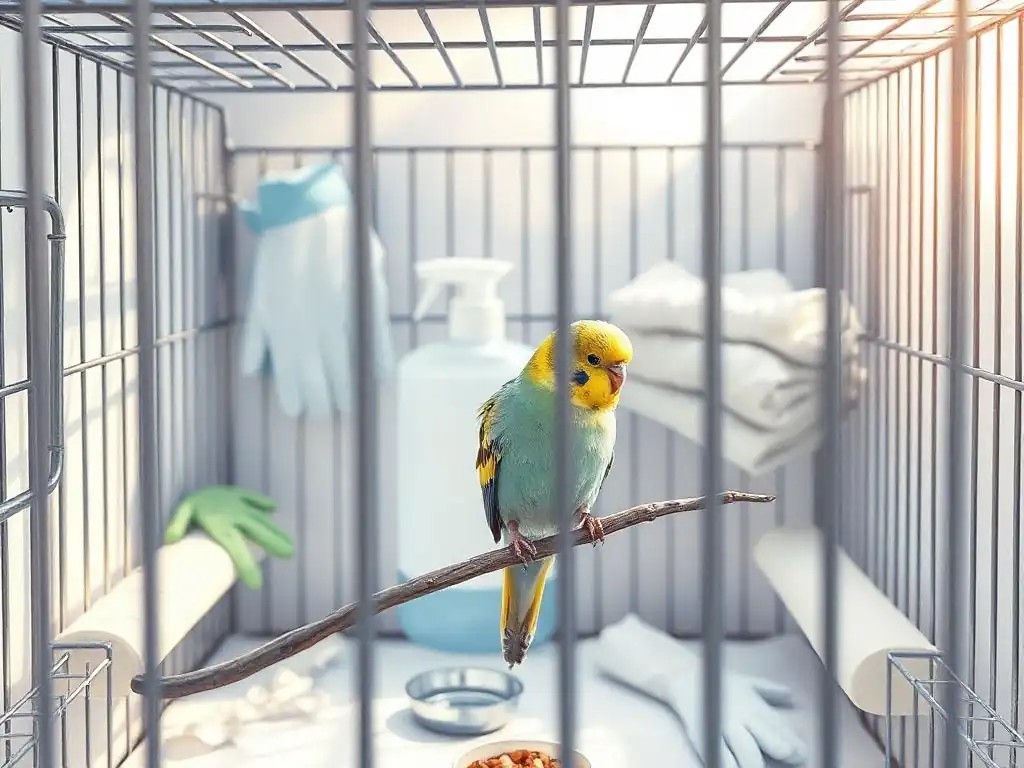
Maintaining impeccable hygiene is paramount throughout the quarantine period for your new feathered friend and crucial for preventing the spread of infectious diseases. Neglecting hygiene can severely compromise your bird's health and potentially expose other pets in your home. This section details essential hygiene practices to ensure a safe and healthy quarantine process. Remember, proactive hygiene is a cornerstone of responsible bird ownership and contributes significantly to a long and happy life for your new pet. This checklist focuses on minimizing the risk of avian influenza, psittacosis (parrot fever), and other common avian illnesses.
Proper Cleaning and Disinfection Protocols: Preventing Disease Transmission
Effective cleaning and disinfection are the cornerstones of preventing disease transmission during and after bird quarantine. This involves a multi-step process that requires careful attention to detail. First, always remove all soiled materials – food and water dishes, perches, toys, and any bedding – before proceeding with cleaning. This minimizes the spread of potential pathogens.
Next, thoroughly clean all surfaces within the quarantine area using warm, soapy water. Pay close attention to any crevices or hard-to-reach areas where bacteria and viruses might accumulate. Use a separate cleaning cloth for each surface to prevent cross-contamination.
After cleaning, apply an appropriate disinfectant specifically designed for avian use. Many commercially available disinfectants are effective against a broad spectrum of avian pathogens. Crucially, always follow the manufacturer's instructions precisely regarding dilution and contact time. Insufficient contact time will render the disinfectant ineffective, negating your efforts. Allow the disinfectant to air dry completely before replacing any items in the quarantine area.
Consider using disposable cleaning materials such as paper towels to minimize the risk of recontamination. Regularly replace these materials during the quarantine process. Remember, diligence is key; a thorough cleaning and disinfection process is a significant investment in your bird's health.
Safe Disposal of Waste: Minimizing Biohazard Risks
The safe disposal of bird waste is a critical aspect of maintaining hygiene during and after quarantine. Bird droppings can contain various pathogens, posing a potential biohazard risk. Therefore, proper disposal is non-negotiable. Never flush bird droppings down the toilet, as this can clog plumbing systems. Instead, use dedicated, disposable bags for waste collection.
These bags should be sealed tightly after use and disposed of in accordance with local waste disposal regulations. Consider using double bagging for an added layer of protection. For larger quantities of waste, such as cage bedding, securely seal them in heavy-duty plastic bags before disposal.
Remember, the quarantine cage itself should also be thoroughly cleaned and disinfected after the quarantine period concludes. This includes the cage bars, the bottom tray, and all accessories. Consider replacing the cage bedding entirely after quarantine. Treat all materials that have been in contact with your bird during quarantine as potentially contaminated and handle them carefully. Implementing these procedures not only protects your new bird but also safeguards the health of your household and other pets. This diligent approach to waste management significantly contributes to a healthier environment for both your bird and yourself.
New Bird Quarantine Checklist: A Quick Reference Guide
This section provides a concise yet comprehensive checklist for quarantining your new avian companion. Successfully quarantining your new bird is crucial for protecting both your existing pets and your new feathered friend from potential diseases. This checklist helps streamline the process, ensuring you don't miss any vital steps. Remember, a thorough quarantine minimizes risks and promotes a healthy, happy life for your bird. Consistent monitoring and attention to detail are key to a successful quarantine.
Downloadable Checklist for Easy Tracking of Quarantine Procedures
A downloadable checklist offers a convenient way to track your bird's quarantine progress. While this article provides a detailed guide, a printable checklist allows for easy visual reference and record-keeping. This is especially beneficial if you have multiple birds or are managing a complex quarantine situation. Ideally, your checklist should include spaces to record daily observations, medication administration (if any), and any unusual behaviors or symptoms.
Consider including the following elements in your downloadable checklist:
- Bird's Name and Species: Essential for clear identification.
- Quarantine Start Date: Marks the beginning of the isolation period.
- Quarantine End Date: Indicates the planned conclusion of the quarantine.
- Daily Weight: Monitoring weight helps detect potential health issues early.
- Food and Water Consumption: Changes in appetite can signal illness.
- Fecal Sample Collection Dates: Regular fecal checks are crucial for parasite detection.
- Behavioral Observations: Note any unusual activity, lethargy, or changes in vocalizations.
- Medication Administration (if applicable): Record dosage and administration times.
- Veterinary Appointments: Schedule and record details of any veterinary visits.
- Checklist Completion Date: Marks the successful completion of the quarantine.
A well-structured checklist aids in efficient quarantine management. Remember that consistent observation and prompt veterinary attention are paramount to ensuring your new bird's health and safety throughout the quarantine period. Even seemingly minor changes in behavior or appearance warrant careful monitoring and potentially a veterinary consultation. Proactive monitoring during the quarantine period significantly contributes to a healthier and longer life for your new avian companion. Don't hesitate to consult with an avian veterinarian if you have any concerns during this critical period. They can provide expert guidance and support, ensuring the wellbeing of your new pet.
This detailed checklist ensures you're prepared for a successful bird quarantine. Remember, proactive care is the best preventative measure for maintaining the health of your flock. 🐦
Frequently Asked Questions
What is bird quarantine, and why is it important?
Bird quarantine is a crucial process of isolating a new bird from your existing flock for at least 30 days. This prevents the introduction of diseases that could devastate your existing birds. It's a vital step in responsible bird ownership.
How long should I quarantine my new bird?
The recommended quarantine period is a minimum of 30 days, but some experts suggest up to 45 days, especially if the bird's origin is unknown or if it exhibits any signs of illness. Careful observation is key during this period.
What should I include in my new bird's quarantine setup?
Your quarantine setup should include a separate cage, food and water bowls, toys, and perches. Maintain strict hygiene by disinfecting everything regularly and avoiding cross-contamination with your other birds' equipment. Ensure a quiet and stress-free environment.
What signs should I watch for during quarantine?
Watch for any changes in behavior, appetite, droppings, or respiratory function. Note any signs of lethargy, sneezing, or discharge. Immediately consult an avian veterinarian if you observe any abnormalities.
What should I do after the quarantine period?
After the 30-45 day quarantine, gradually introduce your new bird to your existing flock. Supervise their interactions closely for any signs of aggression or illness. Continue monitoring their health for several weeks following the introduction.
Final Reflection: Safeguarding Feathered Friends: The Long-Term Impact of Quarantine
The health and well-being of our avian companions are paramount, and a thorough quarantine process is not merely a checklist but a crucial investment in their longevity and happiness. Failing to properly quarantine a new bird can have devastating consequences, impacting not only the newcomer but also existing flock members. The potential spread of disease underscores the critical importance of the steps outlined in this checklist.
The impact of responsible bird ownership extends far beyond the individual bird; it contributes to the overall health of the avian community. A commitment to quarantine is a commitment to preventing the spread of illness and protecting vulnerable populations. The best way to protect your birds is to prevent disease from ever entering your flock.
This simple truth highlights the profound responsibility we bear as bird owners. My own experience with a rescued bird who unknowingly carried a contagious illness reinforced the necessity of rigorous quarantine protocols, shaping my understanding of responsible bird care profoundly.
Now, consider your own feathered friends, or those you may welcome into your life in the future. Take the time to truly understand the implications of each step in the quarantine process. Don't view it as a mere formality, but rather as an act of love and protection, a testament to your commitment to the well-being of your avian companions. By embracing responsible quarantine practices, you're not just safeguarding individual birds, but contributing to a healthier and happier future for all birds.
Ready to Give Your Feathered Friend a Safe & Happy Home?
Thank you for learning about safely quarantining your new bird! We hope this checklist gave you the confidence to create a healthy and comfortable environment for your new companion. Let's put that knowledge into action.
- Prioritize your bird's quarantine setup: Immediately implement the quarantine protocols discussed in the article. This is crucial for protecting your existing pets and your new bird.
- Share your quarantine experience (or ask questions!): Connect with our PetCareWorld community and share your experience—or ask for advice if you need it! Let's build a supportive network of bird lovers.
- Explore our other resources: Discover more valuable articles on bird care, enrichment, and health on our website. You'll find plenty of information to help your feathered friend thrive.
What's one small step you can take today to ensure your bird's safe quarantine?