
Bird Beak and Nail Trimming: How Often Should You Really Do It?

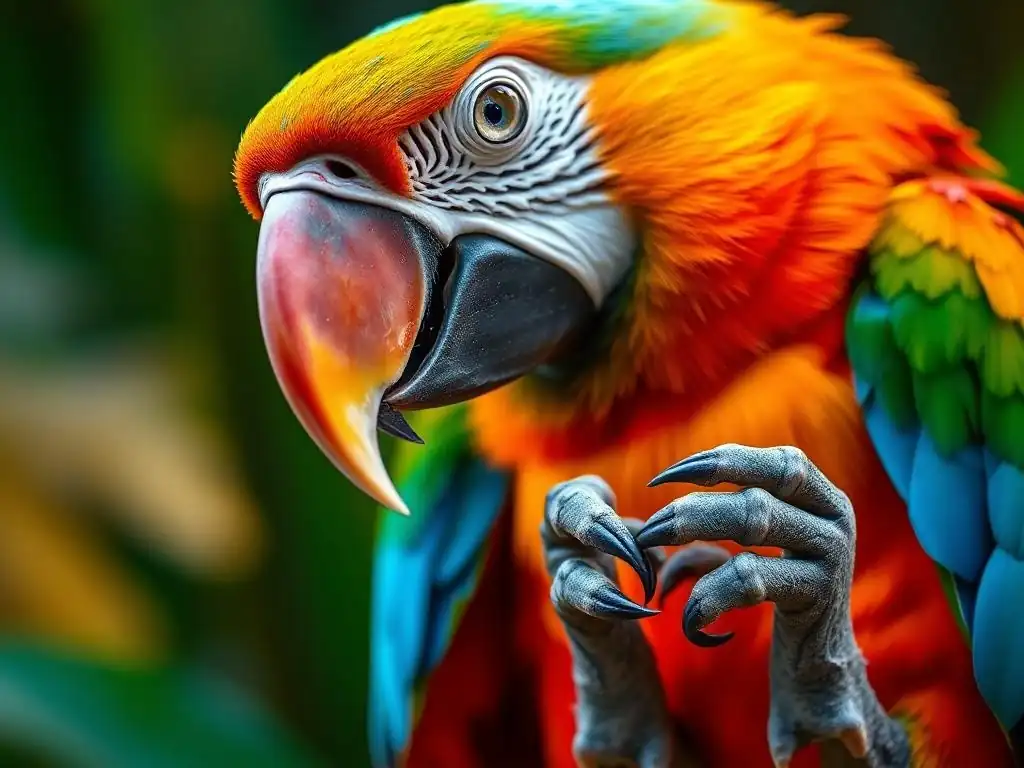
Welcome to PetCareWorld, your ultimate guide to a happier, healthier life for your beloved companion! Are you wondering about the essential care your feathered friend needs? We delve into the often-overlooked topic of Trim bird beak nails frequency in our latest article on Bird Care. Discover the surprising truth behind how often you should trim your bird's beak and nails, and ensure your avian companion stays healthy and comfortable. Dive in and unlock the secrets to perfect parrot and bird care!
- Understanding Bird Beak and Nail Growth: A Comprehensive Guide
- Determining the Frequency of Trimming: A Bird Owner's Guide
- Safe and Effective Trimming Techniques for Bird Beaks and Nails
- Preventing Beak and Nail Problems in Birds
- When to Seek Professional Help for Bird Beak and Nail Trimming
- Common Myths and Misconceptions about Bird Beak and Nail Trimming Debunked
- Frequently Asked Questions
- Final Reflection: The Unspoken Rhythm of Avian Care
- Unlock Your Pet's Comfort: Take Action Today!
Understanding Bird Beak and Nail Growth: A Comprehensive Guide
Maintaining your feathered friend's health involves more than just providing nutritious food and a stimulating environment. Regular beak and nail trimming is a crucial aspect of avian care, often overlooked by new bird owners. This comprehensive guide will delve into the intricacies of bird beak and nail growth, helping you understand how often you should trim your bird's beak and nails, and how to identify signs of overgrown beaks and nails.
We'll explore the natural variations in growth rates between different species and discuss factors influencing this growth, empowering you to provide optimal care for your beloved companion. Understanding the frequency of trimming is vital for preventing discomfort and potential health problems for your bird. Ignoring overgrown beaks and nails can lead to difficulty eating, perching, and overall reduced quality of life.
This guide will equip you with the knowledge to make informed decisions about your bird's grooming needs, ensuring their well-being and happiness. Let's dive into the specifics of maintaining healthy beaks and nails for your avian friend!
Normal Beak and Nail Growth in Different Bird Species
The rate at which a bird's beak and nails grow varies significantly depending on the species, age, and overall health. Larger birds, like macaws, tend to have faster growth rates compared to smaller species such as finches. For example, a macaw's beak might require trimming every 4-6 weeks, while a finch might only need attention every 2-3 months. However, these are just general guidelines. Individual variations exist, and observing your bird's beak and nails closely is essential.
You should note that the growth rate also changes with age. Young birds, during their periods of rapid growth, may require more frequent trimming than older, mature birds. It's crucial to monitor your bird closely, particularly during these developmental stages. Keep a record of your bird's trimming schedule to track any changes in growth rate, and consult an avian veterinarian if you notice any significant deviations from the norm. Below is a table summarizing approximate trimming frequencies for some common bird species. Remember, this is an approximation, and individual variations will occur.
| Bird Species | Approximate Trimming Frequency (Beak & Nails) | Notes |
|---|---|---|
| Macaws | 4-6 weeks | Larger birds, faster growth |
| Cockatoos | 4-8 weeks | Requires careful monitoring |
| Conures | 6-8 weeks | Moderate growth rate |
| Parakeets | 8-12 weeks | Slower growth rate |
| Finches | 2-3 months | Smallest beak and nail size |
| Canaries | 2-3 months | Similar to finches |
Identifying Signs of Overgrown Beak and Nails in Birds
Recognizing signs of overgrown beaks and nails is crucial for timely intervention. Overgrown beaks can interfere with a bird's ability to eat, preening, and even drinking. They may struggle to crack seeds, pick up food, or groom themselves effectively. Signs of an overgrown beak include:
- Difficulty eating or picking up food.
- A beak that is noticeably longer than usual for the species.
- A beak that is misshapen or curved abnormally.
- Bleeding or cracking of the beak.
- Irritation or inflammation around the beak.
Similarly, overgrown nails can hinder a bird's ability to perch comfortably and securely. Long nails can become caught on perches or cage bars, causing pain or injury. Signs of overgrown nails include:
- Nails that are excessively long or curved.
- Difficulty perching or climbing.
- Bleeding or cracking of the nails.
- Signs of discomfort or limping.
If you observe any of these signs, it's time to schedule a trimming session or consult an avian veterinarian. Early intervention is key to preventing more serious complications.
Factors Affecting Beak and Nail Growth Rate (Diet, Species, Activity)
Several factors influence the growth rate of a bird's beak and nails. Understanding these factors can help you anticipate and manage your bird's grooming needs more effectively.
Diet: A balanced and nutritious diet plays a significant role. A diet deficient in essential vitamins and minerals can lead to abnormal beak and nail growth. Ensure your bird's diet includes a variety of fresh fruits, vegetables, and high-quality birdseed. Consult an avian veterinarian or a reputable bird breeder for specific dietary recommendations for your bird's species. Providing cuttlebone can also help maintain beak health.
Species: As previously mentioned, beak and nail growth rates vary considerably among bird species. Larger birds generally have faster growth rates than smaller birds. This is a genetic factor and cannot be altered.
Activity Level: A bird's activity level also influences beak and nail wear. Birds that are more active tend to naturally wear down their beaks and nails more quickly through natural activities such as foraging and climbing. Providing a stimulating environment with plenty of opportunities for climbing and foraging can help reduce the frequency of necessary trimmings. However, this should never replace professional trimming if needed. Remember, a dull or overgrown beak or nail can cause significant pain and discomfort for your bird.
Determining the Frequency of Trimming: A Bird Owner's Guide
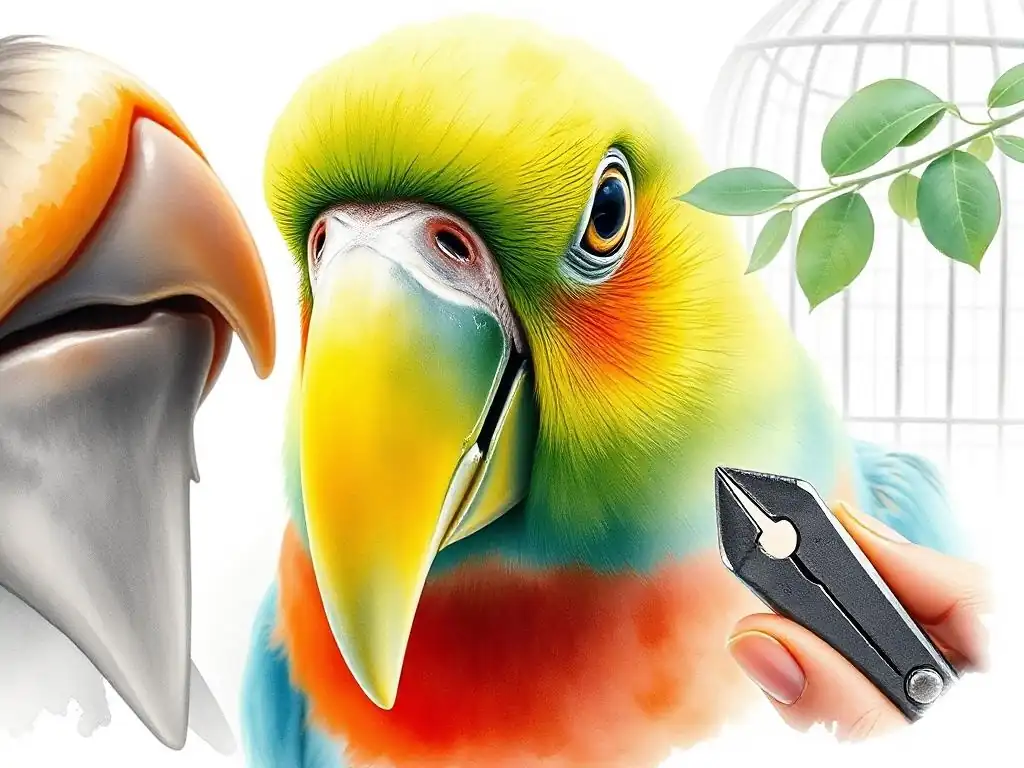
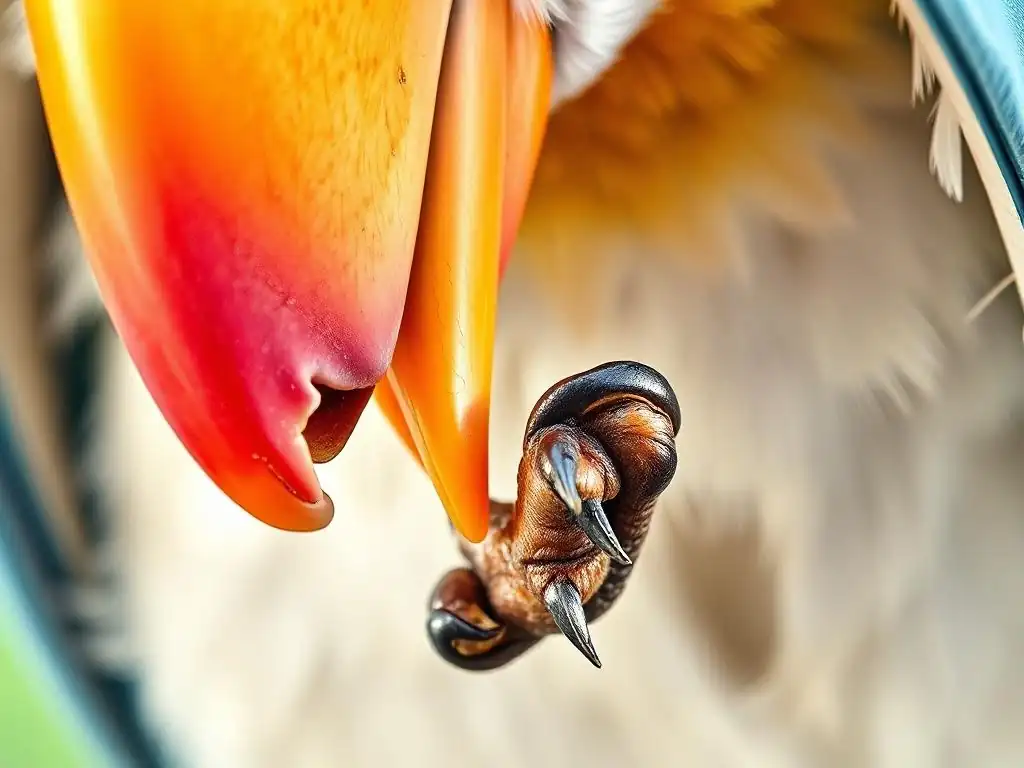
This section focuses on establishing a trimming schedule for your bird's beak and nails. The frequency of trimming isn't a one-size-fits-all answer; it heavily depends on several factors, including your bird's species, age, diet, and overall activity level. Regular observation is key to preventing overgrown beaks and nails, which can lead to discomfort, difficulty eating, and potential health problems. Ignoring the need for trimming can significantly impact your feathered friend's quality of life.
Understanding the nuances of beak and nail growth is crucial for responsible bird ownership and contributes to maintaining your bird's overall well-being. Remember, proactive care is far better than reactive treatment. This guide will help you determine the appropriate frequency for your specific bird. Consistent monitoring and a proactive approach are essential for ensuring your bird's health and happiness.
How Often to Trim Your Bird's Beak: Species-Specific Guidelines
The frequency of beak trimming varies drastically depending on the bird species. Some species naturally wear down their beaks through chewing and foraging, requiring less frequent intervention. Others, due to their diet or habits, may need more frequent trims.
For example, larger parrot species like macaws and cockatoos often require beak trims every few months, sometimes more frequently if their beak growth is particularly rapid. Their powerful beaks need regular maintenance to prevent overgrowth. Smaller species, such as finches and canaries, may only need their beaks trimmed once or twice a year, or even less frequently if their beaks are naturally worn down through their diet of seeds and hard foods.
| Bird Species | Average Beak Trimming Frequency | Notes |
|---|---|---|
| Macaws | Every 2-4 months | May require more frequent trims depending on diet and chewing habits. |
| Cockatoos | Every 2-4 months | Similar to macaws, regular monitoring is essential. |
| Conures | Every 3-6 months | Less frequent than macaws and cockatoos, but still requires attention. |
| African Greys | Every 3-6 months | Diet and chewing habits significantly influence trimming needs. |
| Finches & Canaries | 1-2 times per year | Often require minimal trimming due to natural wear. |
It's crucial to consult with an avian veterinarian to establish a suitable trimming schedule for your specific bird. They can assess your bird's individual needs and provide personalized guidance. Remember, incorrect beak trimming can cause pain and injury, highlighting the importance of professional advice.
How Often to Trim Your Bird's Nails: Species-Specific Guidelines
Similar to beaks, nail trimming frequency for birds depends on their species and activity levels. Birds that spend a lot of time perching on rough surfaces will naturally wear down their nails. However, birds kept in cages with smooth perches or those with limited opportunities for natural wear may require more frequent nail trims.
Larger birds, like macaws and cockatoos, might need nail trims every few months, while smaller birds might only need them once or twice a year. Always observe your bird's nails. If you notice them becoming excessively long or curved, interfering with their perching or movement, it's time for a trim. Long nails can cause discomfort, and in severe cases, can even lead to deformities in the bird's feet.
Here's a general guideline, but remember, this is just an estimate:
- Large parrots (macaws, cockatoos): Every 2-4 months
- Medium parrots (conures, amazons): Every 3-6 months
- Small parrots (budgies, lovebirds): 1-2 times per year
- Small songbirds (finches, canaries): Rarely require trimming
Remember that these are just averages. Individual needs can vary significantly. Always prioritize the health and comfort of your bird.
Assessing Your Bird's Individual Needs for Trimming
Regular observation is paramount. Pay close attention to your bird's beak and nails. Look for signs of overgrowth, such as:
- Beak: Overly long beak, difficulty eating, crooked beak, cracks or chipping.
- Nails: Excessively long nails, curving inwards, difficulty perching, signs of discomfort or limping.
If you notice any of these signs, consult an avian veterinarian immediately. They can provide professional advice and, if necessary, perform the trimming procedure. Attempting to trim your bird's beak or nails yourself without proper training can lead to injury, causing unnecessary pain and stress for your feathered companion. Professional help ensures a safe and comfortable experience for your bird. 🐦 Remember, prevention is key! Regular monitoring and professional care will keep your bird healthy and happy.
Safe and Effective Trimming Techniques for Bird Beaks and Nails
This section details safe and effective methods for trimming your bird's beak and nails. Remember, improper trimming can cause pain and injury, so proceed with caution and consult an avian veterinarian if you are unsure about any aspect of the process. Regular beak and nail trims are crucial for maintaining your bird's overall health and well-being, contributing to their quality of life and preventing potential problems.
The frequency of trimming depends on your bird's species and individual growth rate, but generally, monitoring and trimming as needed is the best approach. Consistent observation is key to identifying when a trim is necessary. This proactive approach to "trim bird beak nails frequency" ensures your feathered friend remains comfortable and healthy.
Gathering the Necessary Supplies for a Safe Trim
Before you begin, gather all the necessary supplies. Improper tools can lead to injury, so using the right equipment is paramount. You'll need:
- Sharp, high-quality avian nail clippers: These are specifically designed for birds' delicate nails and beaks, preventing crushing or splitting. Avoid using human nail clippers.
- Avian beak trimmer (optional): While some birds' beaks require minimal trimming, others may benefit from a specialized beak trimmer for smoother, more controlled cuts.
- Styptic powder or pencil: This is crucial for stopping any bleeding that might occur if you accidentally cut into a quick (the blood vessel in the nail).
- Soft towel or blanket: Wrapping your bird in a soft towel can help restrain them gently during the trimming process, minimizing stress and the risk of injury to both you and your bird.
- Treats: Positive reinforcement is key! Rewarding your bird with their favorite treats throughout the process will help them associate the experience with positive feelings.
- Bright, well-lit area: Good lighting is essential for clearly seeing the blood vessels in the nails and the beak's structure.
Remember to always sanitize your tools before and after each use to prevent the spread of bacteria or infections. This is a crucial step in responsible bird care.
Step-by-Step Guide to Trimming Your Bird's Beak Safely
Trimming a bird's beak requires precision and a gentle touch. Never cut into the quick, the pink area within the beak. Here's a step-by-step guide:
- Assess the beak: Carefully examine your bird's beak. Look for overgrown areas that are interfering with eating or preening. Overgrown beaks can often be identified by their uneven shape or sharp edges.
- Hold your bird securely: Wrap your bird gently but firmly in a towel, leaving only their head exposed. This will help prevent injury to both you and your bird during the trimming process.
- Trim small amounts at a time: Using the avian beak trimmer, carefully remove small amounts of beak at a time. Avoid trimming too much at once, as this could cause discomfort and bleeding.
- File down any rough edges: After trimming, use a fine-grit file to smooth any rough edges on the beak, preventing accidental injuries.
- Reward your bird: Immediately after the trim, give your bird a favorite treat to reinforce positive associations with the procedure.
Remember, if you're uncomfortable or unsure about trimming your bird's beak, it's best to consult an avian veterinarian. They can provide expert guidance and perform the procedure safely and effectively. Improper beak trimming can cause significant harm.
Step-by-Step Guide to Trimming Your Bird's Nails Safely
Trimming your bird's nails is similar to trimming their beak, requiring precision and care. Here's a step-by-step guide:
- Examine the nails: Carefully examine each nail, noting the quick (pink area containing blood vessels). You should only trim the clear, non-pink portion of the nail.
- Secure your bird: As with beak trimming, gently wrap your bird in a towel, leaving only one foot exposed at a time.
- Trim at a 45-degree angle: Use the avian nail clippers to trim the nail at a 45-degree angle, just above the quick. Avoid cutting into the quick, as this will cause bleeding and pain.
- Stop bleeding immediately: If you accidentally cut into the quick, apply styptic powder or pencil immediately to stop the bleeding.
- Repeat for each nail: Repeat steps 2-4 for each nail on both feet.
- Reward your bird: Once all nails are trimmed, reward your bird with a treat to associate the process with positive reinforcement. This is essential for future cooperative trimming sessions.
Regularly monitoring your bird's nails and addressing overgrowth promptly will prevent problems and ensure your bird remains comfortable and mobile. Remember, if you are ever unsure, consult with an avian veterinarian. Their expertise will guarantee the health and safety of your beloved pet. Understanding the “trim bird beak nails frequency” needed is essential for responsible pet ownership.
Handling Your Bird During the Trimming Process: Tips and Tricks
Handling your bird correctly during beak and nail trimming is crucial for both your safety and your bird's well-being. A frightened or stressed bird is more likely to struggle, leading to accidental injuries. The key is to create a calm and reassuring environment. Before you even begin thinking about clippers, spend time building trust and positive associations with the trimming process.
This might involve several sessions of simply holding your bird gently, offering treats, and talking to it in a soothing voice. Gradually introduce the clippers into the environment, letting your bird see and even touch them without any pressure. This desensitization process is incredibly important, especially for birds who have had negative experiences in the past. Remember, patience is key! Rushing the process can undo all your hard work.
Once your bird seems comfortable with your presence and the clippers, you can begin practicing short handling sessions specifically for trimming. Start by gently holding your bird in a secure but comfortable position. The best approach depends on your bird's size and temperament, but generally, a firm yet gentle grip around the body is recommended, supporting its weight. Avoid squeezing too tightly, as this can cause stress and discomfort. Some bird owners find using a towel to help secure their bird useful, but be mindful of not restricting breathing.
Consider using a helper to assist you, especially with larger or more active birds. One person can hold and comfort the bird while the other performs the trimming. This collaborative approach ensures a smoother, safer process for both you and your feathered friend. Remember to reward your bird with positive reinforcement—a favorite treat or verbal praise—throughout the entire handling and trimming process.
This positive reinforcement helps create positive associations with the experience, reducing anxiety and making future trims easier. Consistent positive reinforcement is a key element in successful bird beak and nail trimming and contributes to the overall well-being of your pet. Always prioritize your bird's comfort and safety; if at any point your bird seems excessively stressed or fearful, stop the process and try again another day.
Preventing Beak and Nail Problems in Birds
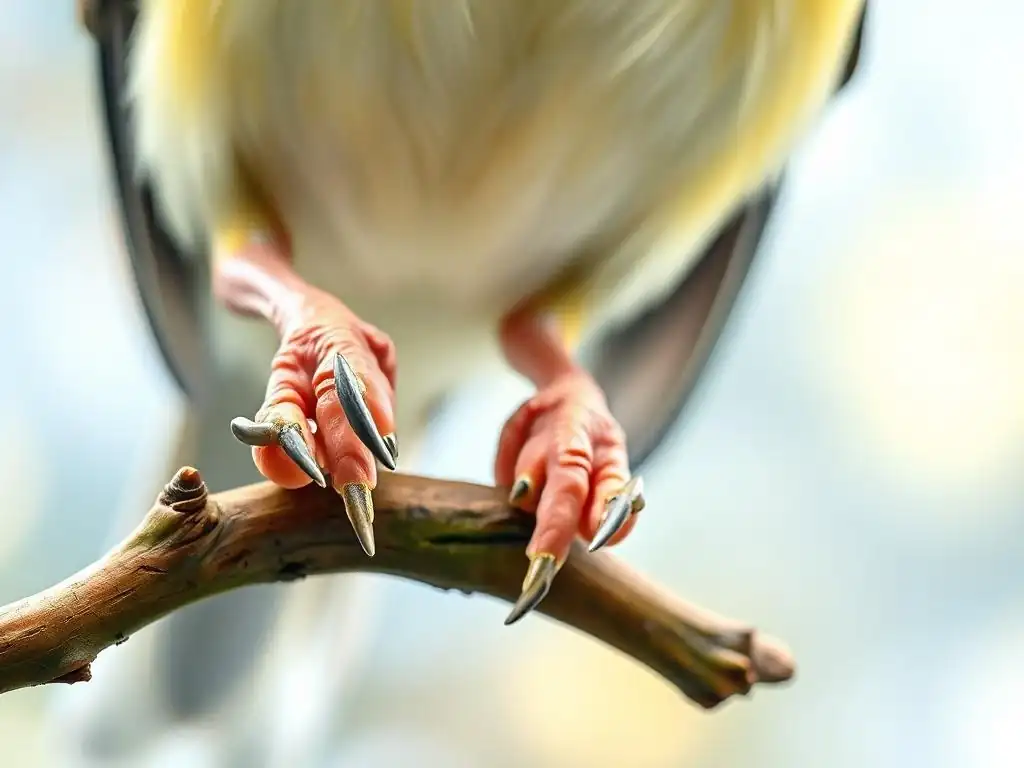
Proactive care is key to maintaining your bird's beak and nails in optimal condition. Regular observation and preventative measures significantly reduce the need for frequent, potentially stressful trimming. The frequency of trimming depends heavily on the bird's species, age, diet, and overall health. Some birds naturally require more frequent attention than others.
A proactive approach, focusing on preventing problems before they arise, is far more beneficial than reactive trimming. This section focuses on strategies to minimize the need for frequent beak and nail trimming, thus improving your bird's overall well-being. Remember, consistent monitoring is crucial for early detection of any issues.
Maintaining a Balanced Diet for Healthy Beak and Nail Growth
A balanced diet plays a pivotal role in the health of your bird's beak and nails. Nutritional deficiencies can lead to abnormal growth, weakening, and even deformities. Ensure your bird's diet consists of high-quality, species-appropriate food. This typically includes a mix of seeds, pellets, fruits, vegetables, and occasionally, small amounts of cooked protein.
- Pellets: Formulate the base of your bird’s diet with high-quality pellets. These provide a balanced mix of nutrients.
- Seeds: Offer seeds as a supplementary treat, not the primary food source, to avoid nutritional imbalances.
- Fruits and Vegetables: Include a variety of fresh fruits and vegetables daily. These provide essential vitamins and minerals. Examples include: apples, carrots, broccoli, and leafy greens.
- Protein: Occasional small amounts of cooked, lean protein (like chicken or hard-boiled eggs) can be beneficial.
Insufficient calcium can lead to weak and brittle nails, while a lack of certain vitamins can impact beak growth. Consult an avian veterinarian for guidance on creating a species-specific nutritional plan. Regular blood tests can help assess your bird's overall nutritional status and identify any deficiencies early on. Remember, a healthy diet is the foundation for healthy beak and nail growth, minimizing the need for frequent trimming.
Providing Sufficient Enrichment to Prevent Overgrowth
Environmental enrichment is crucial in preventing excessive beak and nail growth. Birds need opportunities to naturally wear down their beaks and nails through foraging, chewing, and exploration. A stimulating environment reduces the likelihood of needing frequent trimming.
- Foraging Toys: Provide a variety of foraging toys that challenge your bird mentally and physically. This includes toys that require them to work for their food, encouraging natural beak wear.
- Chew Toys: Offer a variety of safe chew toys made from natural materials like wood, branches, and mineral blocks. These provide opportunities for beak abrasion.
- Perches: Provide perches of varying diameters and textures. This encourages natural wear on the bird's claws. Avoid consistently smooth perches.
- Playtime: Engage your bird in interactive playtime, stimulating natural behaviors. This can involve offering puzzles, hiding treats, and encouraging exploration.
Lack of sufficient enrichment can lead to overgrown beaks and nails, necessitating more frequent trimming. Observe your bird's behavior and adjust enrichment accordingly. A bored bird is more likely to develop behavioral problems, including excessive beak and nail growth. The goal is to mimic their natural environment as closely as possible.
Recognizing and Addressing Underlying Health Issues Affecting Beak and Nail Growth
Abnormal beak and nail growth can sometimes indicate underlying health problems. Changes in beak shape, color, or texture, along with excessively rapid or slow nail growth, warrant veterinary attention. These could be symptoms of various conditions, including:
- Nutritional Deficiencies: As discussed earlier, a lack of essential nutrients can significantly impact beak and nail growth.
- Infections: Bacterial or fungal infections can affect the beak and nails, leading to abnormalities.
- Metabolic Bone Disease (MBD): This condition, often caused by calcium deficiency, results in weakened bones and abnormal beak and nail growth.
- Tumors: In rare cases, tumors can affect the beak and nail growth.
Regular veterinary check-ups are essential. Early detection and treatment of underlying health problems are crucial for maintaining your bird's overall health and minimizing the need for frequent beak and nail trimming. Don't hesitate to seek professional help if you notice any unusual changes in your bird's beak or nails. Prompt veterinary care is vital for a positive outcome. Remember, addressing the root cause is crucial for long-term beak and nail health.
When to Seek Professional Help for Bird Beak and Nail Trimming
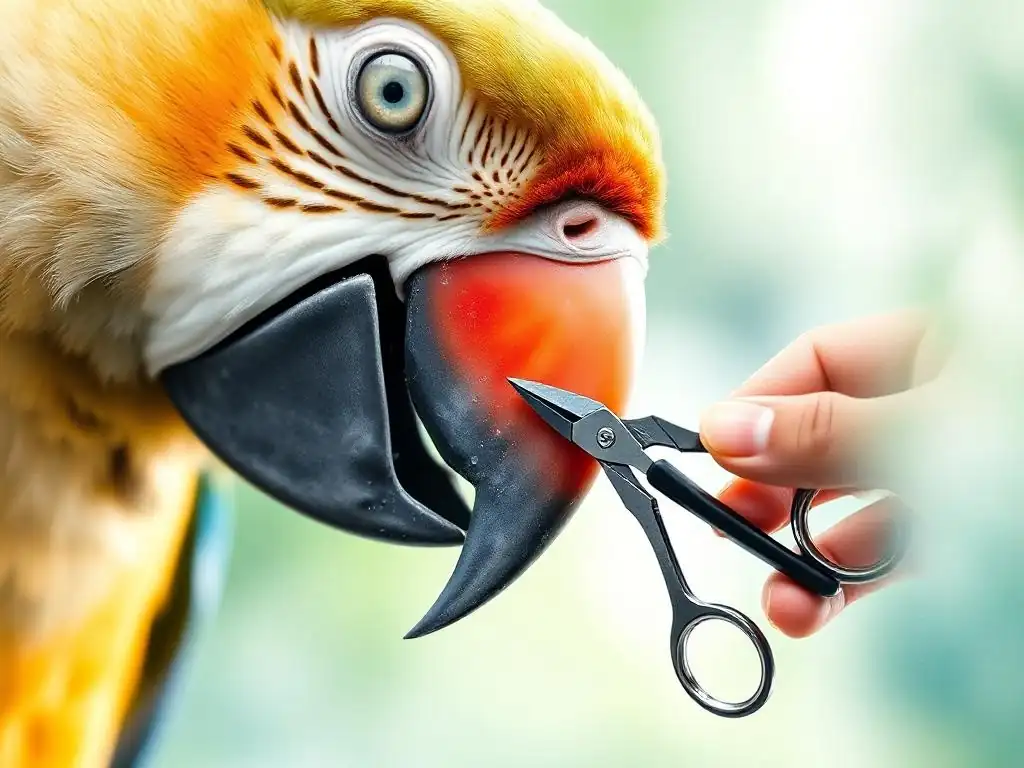
Trimming your bird's beak and nails at home is a manageable task for many owners, but knowing when to seek professional help is crucial for your feathered friend's well-being. Ignoring potential problems can lead to serious complications, impacting your bird's ability to eat, perch, and even fly. This section will help you identify those situations. Regular trimming frequency, while important for maintaining healthy beak and nail length, shouldn't overshadow the need for professional veterinary intervention when necessary. Remember, even with regular at-home trimming, professional assessment is key to preventing and managing issues.
Recognizing When You Need a Veterinarian's Assistance
Several signs indicate that you should immediately consult an avian veterinarian regarding your bird's beak and nails. These aren't just about length; they involve the overall health and condition of these crucial body parts.
- Bleeding after trimming: While minor bleeding can be stopped with styptic powder, excessive or persistent bleeding warrants immediate veterinary attention. This might indicate an underlying condition or an accidental injury to a blood vessel. Ignoring this could lead to infection or even anemia.
- Abnormal beak growth or shape: A beak that curves abnormally, grows excessively quickly, or shows signs of discoloration or damage requires professional assessment. This could be a symptom of underlying medical issues such as infections, nutritional deficiencies, or hormonal imbalances. For instance, a consistently overgrown beak might indicate a metabolic bone disease.
- Difficulty eating or drinking: If your bird is struggling to eat or drink due to overgrown or misshapen beak or nails, immediate veterinary intervention is essential to prevent malnutrition and dehydration. This is a serious situation demanding prompt action.
- Nail bleeding that won't stop: Similar to beak bleeding, persistent nail bleeding indicates a problem that needs professional care. It could be a sign of a clotting disorder or another underlying health issue.
- Infected beak or nails: Signs of infection such as swelling, redness, pus, or unusual odor around the beak or nails necessitate immediate veterinary care. Prompt treatment can prevent the infection from spreading and causing more severe problems.
- Pain or discomfort: If your bird shows signs of pain or discomfort during or after trimming, even with proper techniques, it's best to seek professional help. Your bird might have an underlying condition making the procedure more sensitive.
Finding a Qualified Avian Veterinarian in Your Area
Finding a veterinarian experienced with birds—an avian veterinarian—is essential for optimal care. Regular veterinarians may lack the specialized knowledge to address the unique needs of avian species. Finding the right professional can make all the difference in ensuring your bird receives appropriate treatment and care.
Locating a qualified avian veterinarian may require some research. You can start by:
- Consulting your regular veterinarian: They might be able to provide referrals to avian specialists in your area.
- Searching online directories: Several online directories list avian veterinarians, often with reviews from other pet owners. Look for veterinarians who are board-certified in avian medicine.
- Contacting local bird sanctuaries or rescue organizations: These organizations often have relationships with experienced avian veterinarians and can provide recommendations.
- Checking with local bird clubs or societies: Bird enthusiasts frequently share information about trusted veterinary professionals within their communities.
The Importance of Regular Veterinary Checkups for Your Bird
Even if your bird's beak and nails appear healthy, regular veterinary checkups are crucial for preventative care. These checkups allow the veterinarian to detect potential problems early on, often before they become serious. Regular checkups are a cornerstone of responsible bird ownership and contribute significantly to your bird's overall health and longevity. Think of them as preventative maintenance for your beloved pet. During these checkups, the veterinarian can:
- Assess overall health: The vet can perform a comprehensive physical exam, checking for any signs of illness or disease.
- Monitor beak and nail growth: They can evaluate the condition of the beak and nails, identifying potential issues early.
- Provide guidance on trimming: They can offer personalized advice on how often to trim and demonstrate proper techniques.
- Address any concerns: You can discuss any concerns you have about your bird's health or behavior.
The frequency of these checkups will depend on your bird's age, breed, and overall health, but at least an annual checkup is recommended. Remember, proactive care is far better than reactive treatment. Regular veterinary checkups are an investment in your bird's long-term health and happiness. Don't underestimate the value of this preventative measure.
Common Myths and Misconceptions about Bird Beak and Nail Trimming Debunked
Pet owners often harbor misconceptions about bird beak and nail trimming, leading to hesitation or improper techniques. Let's debunk some common myths surrounding the frequency of trim bird beak nails procedures. Understanding these misconceptions is crucial for ensuring your feathered friend's health and well-being. Remember, responsible pet ownership includes being well-informed and proactive in your bird's care.
Myth 1: Trimming too frequently damages the beak or nail.
This is a common misconception. The belief that frequent trimming harms a bird's beak and nails stems from a fear of causing pain or injury. However, provided the trimming is done correctly, with sharp, clean clippers, and only the appropriate amount is removed, frequent trimming (as needed) is not detrimental. In fact, neglecting overgrown beaks and nails can lead to far more serious health problems.
Overgrown beaks can interfere with eating, drinking, and preening, while overgrown nails can cause discomfort, deformities, and even infections. Think of it like human fingernails – regular trimming prevents them from becoming ingrown or cracked. The key is precision and knowing where to trim. This requires either proper training or the guidance of an avian veterinarian.
The frequency of trimming depends entirely on the individual bird and its species. Some birds naturally grow their beaks and nails faster than others. Regular observation is key. If you notice the beak starting to curve abnormally or the nails are becoming excessively long and hindering your bird's movement, it's time for a trim. Don't wait until it becomes a significant problem. Regular, careful trimming is far better than infrequent, drastic trims.
Myth 2: You can trim your bird's beak and nails at home without any training.
While many pet owners attempt at-home beak and nail trimming, it's crucial to understand that this is a delicate procedure requiring specific knowledge and skill. Incorrect trimming can cause bleeding, infection, and significant pain to your bird. Improper trimming can also damage the quick (the sensitive part of the beak and nail containing blood vessels and nerves), leading to considerable distress for your pet. This is why seeking professional help from an avian veterinarian or a qualified avian groomer is highly recommended, especially for first-time bird owners.
They possess the expertise and tools to perform safe and accurate trims. Improper trimming of bird beak nails can lead to serious complications, potentially requiring expensive veterinary intervention. Investing in professional help is a cost-effective and responsible approach to pet care.
Think of it this way: would you attempt complex surgery on yourself without proper medical training? The same principle applies to trimming your bird's beak and nails. The risk of causing harm far outweighs the potential savings of doing it yourself.
Myth 3: All birds need regular beak and nail trims.
Not all birds require regular beak and nail trims. The frequency of trimming is highly dependent on the species, diet, and overall health of the bird. Some birds naturally wear down their beaks and nails through chewing and foraging activities. For example, birds with a diet that includes plenty of hard foods, like nuts and seeds, may naturally keep their beaks and nails trimmed. Other birds, however, might require more frequent trims. Parrots, for instance, often need more frequent nail trims due to their activity levels and the way they use their beaks and claws.
Observing your bird's beak and nails regularly is crucial. If you are unsure whether your bird needs a trim, consulting an avian veterinarian is always the best course of action. They can assess your bird's individual needs and provide guidance on appropriate trimming techniques or recommend a qualified avian groomer. Remember, prevention is always better than cure. Regular check-ups and professional advice can help maintain your bird's health and well-being, ensuring a long and happy life. Early intervention can prevent many potential issues related to overgrown beaks and nails.
Frequently Asked Questions
How often should I trim my bird's beak?
This depends on your bird's species and growth rate. Some birds need beak trims more frequently than others. Regular observation is key; if the beak appears overgrown or is interfering with eating, it's time for a trim.
How often should I trim my bird's nails?
Similar to beaks, nail trimming frequency depends on your bird's species and activity level. Generally, you should trim them when they become too long and start to curl or interfere with perching.
What tools do I need to trim my bird's beak and nails?
You'll need appropriate-sized clippers designed for birds, and possibly a styptic powder to stop any bleeding. Always use sharp, clean clippers to minimize stress and injury to your bird.
My bird is resisting; how can I make the process easier?
Positive reinforcement is crucial! Start by handling your bird frequently to get them used to being touched. During trimming, offer treats and praise. Consider consulting an avian veterinarian if you're struggling.
What are the signs of an overgrown beak or nails?
Overgrown beaks can cause difficulty eating, while overgrown nails can affect perching and mobility. Look for excessive length, curling, or any signs of discomfort such as limping or difficulty eating. If you notice any of these, consult an avian vet.
Final Reflection: The Unspoken Rhythm of Avian Care
The health and happiness of our feathered companions hinge on the seemingly small act of regular beak and nail trimming. Ignoring this crucial aspect of avian care can lead to significant discomfort, impacting their ability to eat, perch, and even fly. This seemingly simple task is far more impactful than many realize.
The ongoing influence of responsible pet ownership extends far beyond providing food and shelter; it demands a deep understanding of our animal companions' unique needs. This includes recognizing the subtle signs of discomfort a bird might exhibit when its beak or nails become overgrown. The greatest gift you can give a bird is a life lived fully, and that includes attending to the details that ensure its comfort and well-being.
This quote encapsulates the responsibility we bear as pet owners, highlighting the importance of proactive care, not just reactive treatment. Understanding the frequency of beak and nail trimming is a crucial step in fulfilling this responsibility.
Now, consider your own feathered friend. Are you confident in your ability to assess their beak and nail length? Do you have the tools and knowledge to perform this task safely and effectively? If not, take this as a call to action. Research the specific needs of your bird species, seek guidance from an avian veterinarian, and empower yourself to provide the best possible care. Your bird's comfort and longevity depend on it.
Unlock Your Pet's Comfort: Take Action Today!
Thank you for learning about proper beak and nail trimming for your bird! You're now equipped to keep your pet happy and healthy. Let's put that knowledge to use!
- Schedule your pet's next trim: Use your new skills to trim your bird's beak and nails, or consult an avian veterinarian for assistance. Regular trimming prevents discomfort and potential health problems.
- Share your trimming experiences (or any questions!) with other PetCareWorld members in the comments below. Your advice can help others!
- Explore our website for more helpful pet care guides – discover articles on everything from nutrition to environmental enrichment!
Ready to give your bird the best possible care? What will you do next to ensure your pet's comfort and well-being?