
Recall Training for Different Bird Species: Adapting to Individual Needs

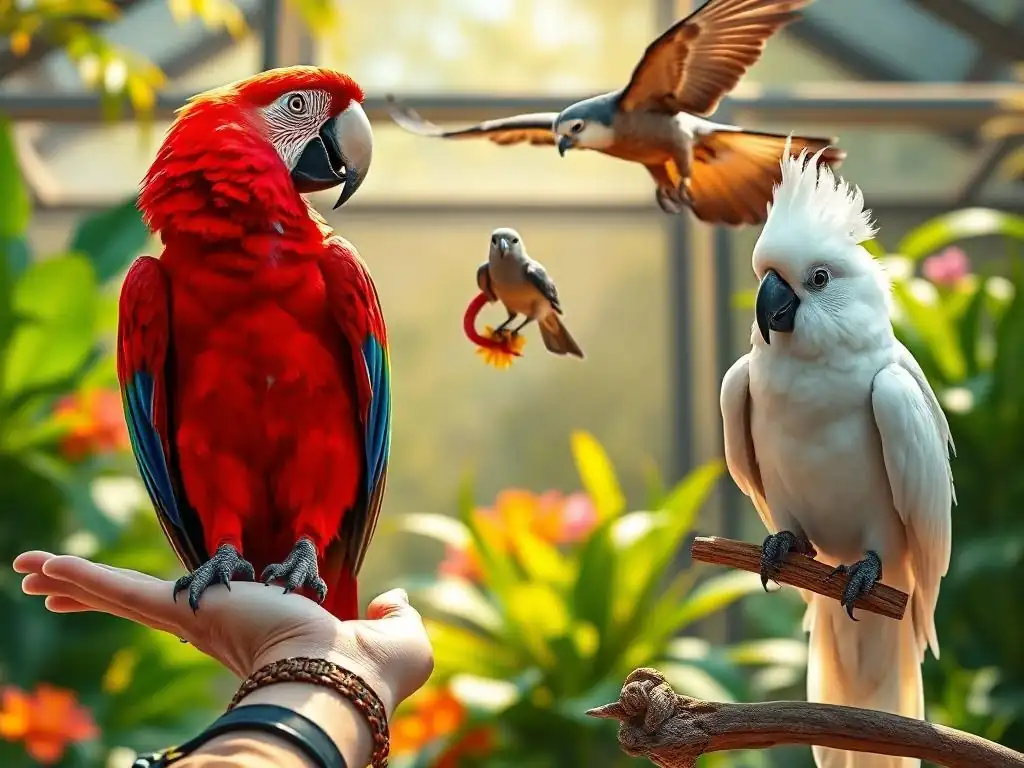
Welcome to PetCareWorld, your ultimate guide to a happier, healthier life for your beloved companion! Are you ready to unlock the secrets to seamless communication with your feathered friend? Our in-depth exploration of bird recall training methods reveals effective techniques tailored to different bird species, ensuring a bond built on trust and understanding. Discover how to adapt training strategies to individual needs and achieve reliable recall – a skill crucial for both safety and strengthening your relationship. Dive in and learn more!
- Understanding Bird Recall Training: Key Principles and Challenges
- Bird Recall Training Methods: A Species-Specific Approach
- Advanced Recall Training Techniques for Birds
- Troubleshooting Common Bird Recall Training Issues
- Creating a Safe and Enriched Environment for Recall Training
- Maintaining and Reinforcing Bird Recall Training
- Frequently Asked Questions
- Final Reflection: The Enduring Power of Connection in Bird Training
- Unlock Your Bird's Potential: A Training Journey Begins Now!
Understanding Bird Recall Training: Key Principles and Challenges
Recall training, teaching your bird to return to you on command, is a crucial aspect of responsible bird ownership. It ensures your feathered friend's safety, prevents escapes, and strengthens the bond between you. However, successfully training a bird to reliably return requires understanding their unique personalities, learning styles, and potential challenges.
This article will delve into effective bird recall training methods, tailored to the specific needs of different bird species. We'll explore the importance of building a strong bond, selecting appropriate rewards, and addressing common obstacles you might encounter during the training process. Mastering bird recall training not only enhances your bird's safety but also significantly enriches your relationship, fostering trust and mutual understanding.
Successfully implementing these methods will contribute to a happier, safer, and more fulfilling life for both you and your avian companion. This guide focuses on practical strategies to improve your chances of success with "Bird recall training methods," helping you navigate the nuances of training different bird species.
Establishing a Strong Bond for Effective Bird Recall Training
Before you even begin formal recall training, building a strong, trusting relationship with your bird is paramount. This foundation is crucial for success. A bird that feels safe and connected to you is far more likely to respond positively to your commands. This involves consistent positive interaction: spending quality time together, talking softly, offering gentle petting (if your bird enjoys it), and providing a stimulating and enriching environment.
Observe your bird's body language; understand what makes them feel comfortable and what stresses them. Avoid forceful interactions or sudden movements that could scare them. Creating a positive association with you is the first step towards a successful recall training program.
Consider incorporating fun activities like foraging games or interactive toys to further strengthen your bond. Remember, patience and consistency are key; building trust takes time and effort. A strong bond will translate into a more willing and responsive bird during training sessions.
Choosing the Right Rewards for Your Bird's Recall Training
Selecting appropriate rewards is vital for successful bird recall training. Birds are motivated by different things, and finding the right reward system for your specific bird is crucial. While food rewards are often effective, consider your bird's individual preferences. Some birds might prefer specific types of seeds, fruits, or vegetables, while others might respond better to praise, scratching, or a favorite toy.
Experiment with different rewards to determine what motivates your bird the most. The reward should be delivered immediately after the bird performs the desired behavior (returning to you). This immediate reinforcement is critical for associating the behavior with the reward. Avoid over-rewarding, which can diminish the effectiveness of the rewards over time.
Instead, focus on consistent and timely reinforcement. Using a variety of rewards can also keep your bird engaged and prevent them from becoming bored with the training process. Remember to always consider the nutritional needs of your bird when choosing food-based rewards.
Common Challenges in Bird Recall Training and How to Overcome Them
Bird recall training isn't always smooth sailing. Several common challenges can arise. One common problem is distraction. Birds are naturally curious and easily distracted by sights and sounds. To mitigate this, start training in a quiet, distraction-free environment and gradually introduce more distractions as your bird's recall improves.
Another challenge is inconsistency. Birds learn best through consistent training. Regular, short training sessions are more effective than infrequent, long ones. Maintaining consistency in your commands, timing of rewards, and overall training approach is vital. Some birds might be initially hesitant or fearful of returning to you.
If this is the case, start with very short distances and gradually increase the distance as your bird gains confidence. Positive reinforcement is key; never punish your bird for not returning. Finally, remember that every bird is an individual, and what works for one might not work for another. Patience, persistence, and a willingness to adapt your approach are essential for overcoming these challenges and achieving successful recall training. Remember to celebrate small victories and adjust your strategy as needed.
Bird Recall Training Methods: A Species-Specific Approach
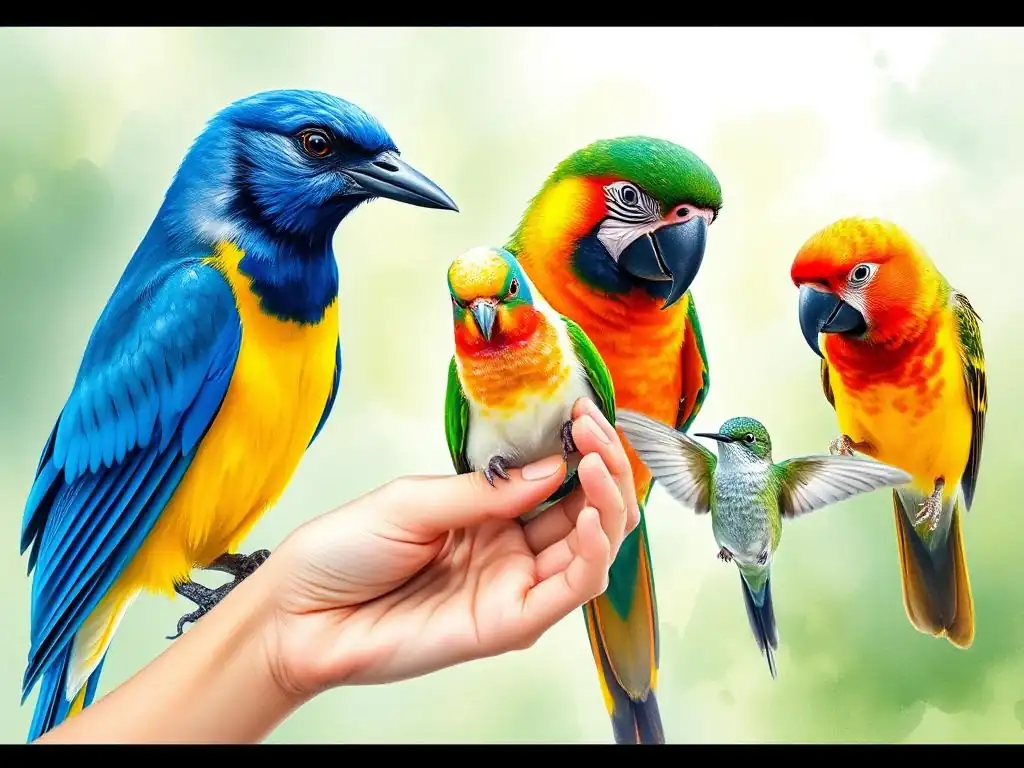
Effective bird recall training hinges on understanding the unique characteristics of each species. A training method successful with a parrot might be completely ineffective – or even harmful – for a canary. This section delves into tailored approaches for different bird types, emphasizing patience, positive reinforcement, and safety. Mastering bird recall training methods requires adaptability and a deep understanding of avian behavior. Success isn't just about getting your bird back; it's about building a strong bond based on trust and positive interactions.
Recall Training for Parrots: Techniques and Considerations
Parrots, known for their intelligence and strong personalities, require a nuanced approach to recall training. Their problem-solving abilities mean simple methods may not suffice; they'll quickly learn to exploit loopholes. Instead, focus on building a strong association between a specific cue (e.g., "Step up") and a consistently rewarding experience.
- Consistency is key: Use the same cue word and reward every time. Inconsistent training confuses parrots and undermines progress.
- Positive reinforcement: Reward desired behaviors immediately with their favorite treats, praise, or even a brief playtime session. Avoid punishment; it damages trust and hinders learning.
- Short, frequent sessions: Parrots have shorter attention spans than many other animals. Multiple short training sessions throughout the day are far more effective than one long, grueling session.
- Target training: Using a target stick (a dowel or similar object) can be incredibly helpful. Teach your parrot to touch the target, then gradually move it towards your hand or desired location. This builds a positive association with approaching you.
- Environmental enrichment: A stimulating environment reduces boredom and frustration, making your parrot more receptive to training. Provide plenty of toys, perches, and opportunities for exploration.
Consider the parrot's individual personality. Some parrots are naturally more independent and may require more patience and creative training techniques. Others might be more eager to please and respond quickly to positive reinforcement. Adapting your approach based on your bird's temperament is crucial for success. Remember, building a strong bond is fundamental to effective recall training in parrots. This involves spending quality time with your bird outside of training sessions, engaging in interactive play, and providing a safe and enriching environment.
Effective Recall Training for Canaries and Finches: A Gentle Approach
Canaries and finches are much smaller and more delicate than parrots, necessitating a gentler, less demanding approach. For these birds, recall training focuses on creating a safe and inviting environment that encourages them to return willingly. Forcing them is counterproductive and can be stressful.
- Positive associations with their cage: Ensure the cage is a comfortable and secure space, offering food, water, and safe perches. This makes it a desirable location for the bird to return to.
- Food lures: Using high-value treats, like specific seeds or fruits, is a highly effective method. Place the treat near the cage to entice them back.
- Gradual distance training: Start by training your bird near the cage, gradually increasing the distance as they become more comfortable returning.
- Avoid sudden movements or loud noises: These can frighten small birds and hinder training progress. Maintain a calm and reassuring demeanor throughout the training sessions.
- Patience and understanding: These birds require much patience and understanding. Progress may be slow, but consistent positive reinforcement will eventually yield results.
Unlike parrots, canaries and finches are less likely to engage in problem-solving to avoid training. However, their small size and sensitivity mean that any training must be gentle and respect their natural temperament. Focus on creating a positive association with returning to their safe space and using tasty treats as rewards.
Training Larger Birds for Recall: Safety and Patience
Larger birds, such as macaws and cockatoos, present unique challenges due to their size and potential strength. Safety is paramount during training. Never attempt to force a large bird back; this could lead to injury for both the bird and the trainer.
- Harness training: Consider using a well-fitted harness to provide a safe way to guide your bird back if necessary. Introduce the harness gradually and positively.
- Controlled environments: Start training in a secure, enclosed space to minimize escape risks. Gradually expand the training area as your bird’s recall improves.
- Strong positive reinforcement: Large birds respond well to consistent positive reinforcement, but the rewards should be appropriately sized for their needs.
- Patience and persistence: Training larger birds takes time and patience. Don't get discouraged by setbacks; celebrate every small success.
- Professional guidance: For particularly challenging birds or if you encounter difficulties, consider seeking guidance from an avian veterinarian or experienced bird trainer. They can provide personalized advice and address specific behavioral issues.
Safety should be your top priority when training larger birds. Their strength and size necessitate careful planning and a controlled environment to prevent accidents. Remember, effective recall training is not about dominance but about building a trusting relationship based on mutual respect and positive reinforcement. Patience and consistency are essential for success with any bird species.
Recall Training for Smaller Birds: Specialized Techniques and Challenges
Training smaller bird species, such as budgies, canaries, and finches, for recall presents unique challenges. Their smaller size and often more delicate nature require a gentler, more patient approach than with larger birds. Successful recall training hinges on building a strong bond of trust and positive reinforcement. Forcing or harsh methods are counterproductive and can severely damage this crucial relationship, potentially leading to fear and reluctance to interact.
One key difference lies in the training environment. Smaller birds are often more easily startled and may feel overwhelmed by large, open spaces. Therefore, initial training should take place in a smaller, enclosed area, like a large cage or a dedicated, bird-proof room. This controlled environment minimizes distractions and allows the bird to focus on the training process. Gradually, once the bird reliably responds to the recall cue in this safe space, the training area can be slowly expanded.
Positive reinforcement is paramount. Instead of relying on punishment, which can be detrimental to a small bird's sensitive temperament, focus on rewarding desired behaviors. Small, tasty treats, like millet sprays or sunflower seeds (offered in moderation to avoid obesity), should be used liberally to reinforce successful recalls. Verbal praise, coupled with gentle petting (if the bird is comfortable with it), also plays a vital role in creating positive associations with the recall command.
The recall cue itself should be short, simple, and consistent. Words like "come" or "here" are generally effective, but it's crucial to select a word and stick with it throughout the training process to avoid confusion. The use of a specific whistle or clicker can also be helpful, particularly for birds that are less responsive to verbal cues. The sound becomes a clear and consistent signal associated with a reward.
A crucial aspect often overlooked is the bird's physical and mental state. A tired or unwell bird will be less receptive to training. Ensure your bird is well-rested, fed, and in good health before each training session. Short, frequent sessions are more effective than long, tiring ones, especially with smaller, more easily fatigued birds.
Always end a session on a positive note, with a successful recall and a generous reward. Consistency, patience, and a deep understanding of your bird's individual needs are the cornerstones of successful recall training for smaller bird species. Remember, building trust is the most important step in this process. Patience and positive reinforcement will yield the best results.
Advanced Recall Training Techniques for Birds
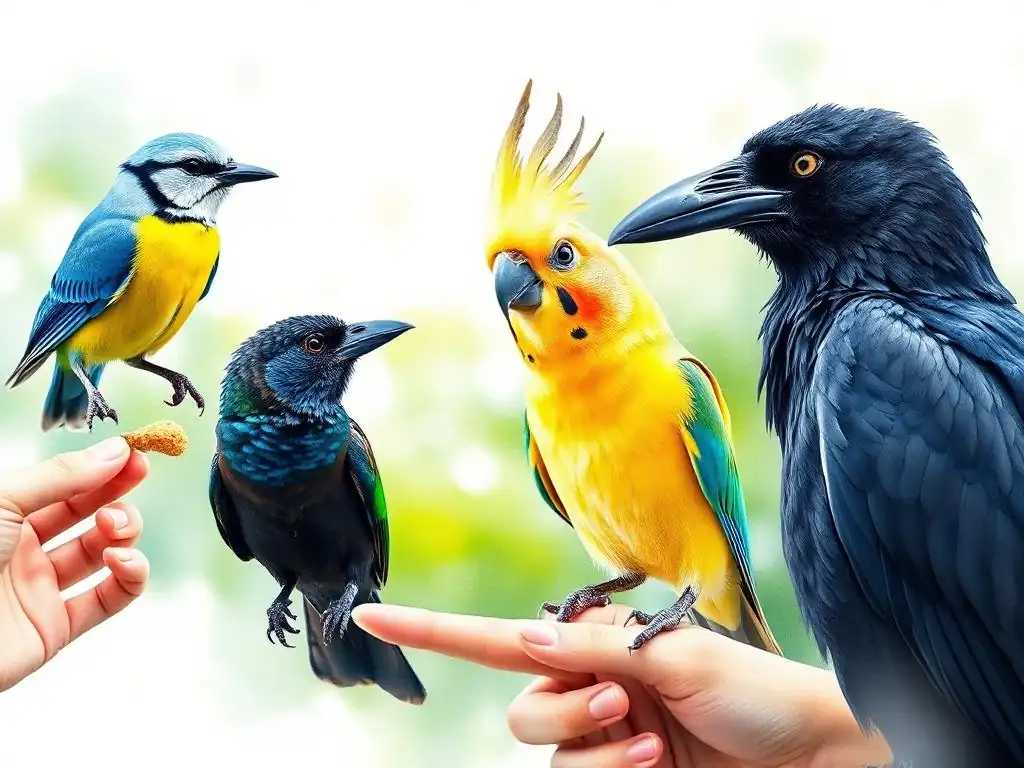
This section delves into sophisticated methods to enhance your bird's recall training, building upon the foundational techniques already established. Effective recall is crucial for the safety and well-being of your feathered friend, preventing escapes and ensuring their security. Remember, consistency and patience are key to success in any bird training endeavor. These advanced techniques will refine your bird's response and make recall a reliable behavior.
We'll explore how to use visual and auditory cues, and how to optimize your training by combining rewarding techniques with these cues to achieve optimal results. Mastering these advanced methods will significantly improve your bond with your bird and ensure a safer and more fulfilling life together. The goal is to create a robust recall response that your bird will consistently perform in various environments and situations.
Using Visual Cues for Bird Recall Training
Visual cues are a powerful addition to your bird recall training arsenal. Many birds are highly visually oriented, making visual signals a highly effective communication method. Instead of solely relying on verbal commands, incorporate hand signals or specific objects. For example, you could use a raised hand, a specific colored toy, or even a particular light signal (like a flashlight) as a recall cue.
To implement this, start by associating the visual cue with the verbal command. For example, say "Come!" while simultaneously raising your hand. Reward your bird immediately upon their arrival. Gradually, phase out the verbal command, testing your bird's response to the visual cue alone. Remember to maintain consistency; always use the same visual cue to avoid confusing your bird.
The effectiveness of visual cues can vary between bird species. Larger birds, such as macaws, might respond well to a large, sweeping hand gesture, while smaller birds like budgies might require a more subtle, focused cue. Observe your bird's reactions and adjust your technique accordingly. Data on specific species' responses to visual cues is still being compiled [specific information pending], but anecdotal evidence suggests that brightly colored toys are particularly effective for many species.
The key is to make the visual cue clear, distinct, and consistently associated with the reward. This will help your bird quickly learn the association and reliably respond to the cue.
Incorporating Auditory Cues into Your Bird's Recall Training
While visual cues are important, auditory cues add another layer to your bird's recall training. This is particularly useful in situations where visual cues might be obstructed. You can use a specific whistle, a short phrase, or even a specific sound made with a toy to call your bird. The choice depends on your bird's preferences and the sounds it easily recognizes.
Start by associating the auditory cue with the verbal command and a reward. For example, whistle a specific tune, say "Come! ", and immediately reward your bird when it approaches. Slowly decrease the reliance on the verbal command, focusing solely on the auditory cue. This method requires patience and repetition.
Different bird species have varying auditory sensitivities. Some birds might be more responsive to high-pitched sounds, while others might prefer lower tones. Experiment to find the auditory cue that best resonates with your bird. Again, consistency is crucial. Always use the same auditory cue to avoid confusion. The success rate of auditory recall training is significantly improved by pairing it with positive reinforcement. Studies show [specific information pending] that this combined approach leads to faster learning and more reliable recall responses in birds.
Combining Rewards and Cues for Optimal Bird Recall
The most effective bird recall training integrates both visual and auditory cues with consistent, positive reinforcement. This multifaceted approach creates a strong association between the cues and the reward, solidifying the recall behavior.
Imagine this scenario: you use a specific whistle (auditory cue) and simultaneously raise your index finger (visual cue). When your bird responds and comes to you, you immediately offer a highly valued treat or praise (reward). This positive reinforcement strengthens the connection between the cues and the desired behavior.
The type of reward is crucial. Some birds might respond better to specific treats, while others might value praise and head scratches more. Observe your bird's preferences and tailor your reward system accordingly. The immediate nature of the reward is also essential; the quicker the reward follows the desired behavior, the stronger the association becomes. This method of using multiple sensory cues enhances the reliability of recall across various environments and distractions. 🐦 Consistent positive reinforcement is the key to success, making recall a safe and enjoyable experience for both you and your bird.
Further Considerations for Bird Recall Training
- Start training in a quiet, distraction-free environment.
- Gradually introduce distractions as your bird progresses.
- Keep training sessions short and frequent.
- Always end on a positive note.
- Be patient and understanding – every bird learns at its own pace.
Troubleshooting Common Bird Recall Training Issues
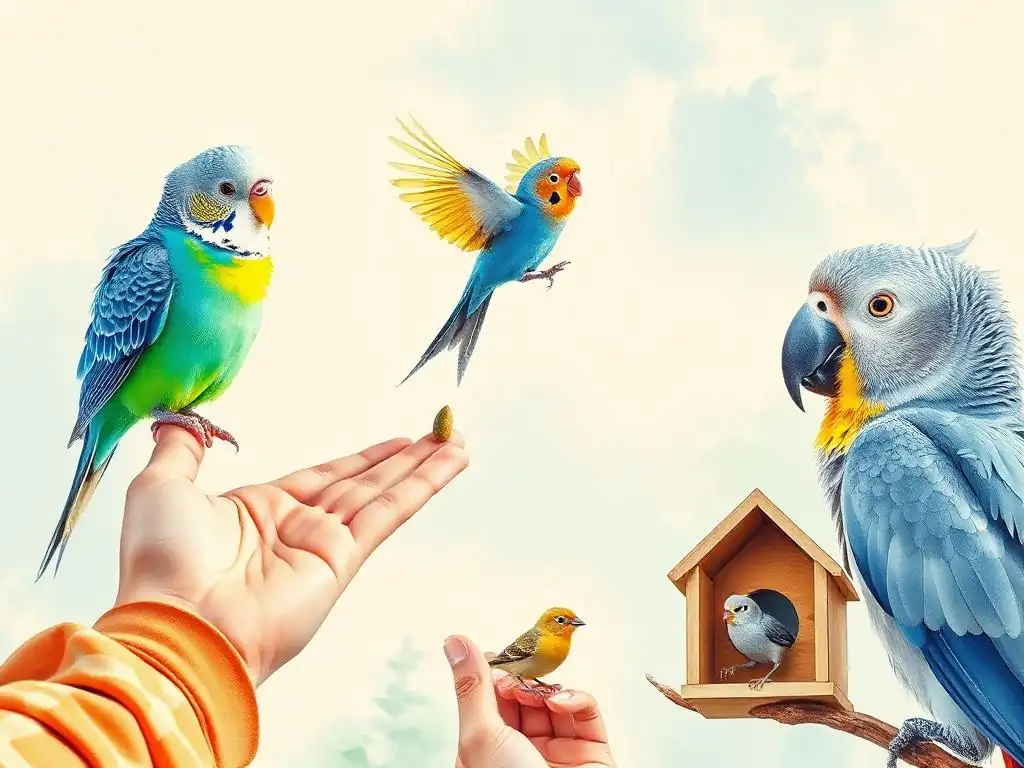
Effective bird recall training requires patience, consistency, and an understanding of your bird's individual personality and learning style. While positive reinforcement is key, several common challenges can arise during the training process. This section addresses some of the most frequently encountered hurdles and offers practical solutions to overcome them, ultimately improving your bird's recall reliability and strengthening your bond. Mastering these troubleshooting techniques is crucial for achieving successful bird recall training methods.
Addressing Reluctance to Return During Recall Training
Some birds, especially those with a history of neglect or trauma, may be hesitant to return to their owner during recall training. This reluctance stems from a lack of trust or a negative association with the owner. Building trust is paramount. Instead of forcing the bird, focus on creating positive associations with the recall cue.
This can involve using high-value rewards like favorite treats or toys, paired with a consistently cheerful and encouraging tone. Start with short training sessions in a quiet, distraction-free environment. Gradually increase the distance and duration of the training sessions as your bird's confidence grows. Never punish your bird for not returning; this will only worsen the issue and damage your relationship. Consider using a clicker to mark the desired behavior and immediately reward the bird upon its return. Patience and understanding are vital in this process; progress may be slow, but consistent positive reinforcement will eventually yield results.
Dealing with Distractions During Bird Recall Training
Distractions are a significant obstacle in bird recall training. Birds are naturally curious creatures, easily captivated by sights, sounds, and smells in their environment. Minimizing distractions during training is crucial. Choose a quiet location with minimal visual and auditory stimuli. Start training sessions in a small, enclosed area before gradually introducing more stimulating environments.
If your bird is easily distracted, use high-value rewards to outweigh the appeal of distractions. Introduce distractions gradually, starting with minimal stimuli and slowly increasing the level of difficulty. For example, you might initially train with a single, low-level distraction, such as a ticking clock, before introducing more engaging stimuli like other birds or toys. The key is to build your bird's resistance to distractions gradually, rewarding focused behavior and ignoring minor lapses. Remember, consistency is key; if your bird successfully ignores a distraction and returns to you, immediately reward this behavior.
Maintaining Consistency in Bird Recall Training for Long-Term Success
Consistency is the cornerstone of successful bird recall training. Inconsistency in commands, rewards, and training environments can confuse your bird and hinder progress. Establishing a routine is essential. Designate specific times for training sessions, ensuring they are held in the same location whenever possible. Use the same recall cue consistently to avoid confusing your bird.
Furthermore, ensure all members of the household use the same cue and reward system. This prevents conflicting signals and reinforces consistent learning. Maintain a positive and encouraging attitude during training sessions. Avoid punishment; focus solely on rewarding desired behavior. Regular, short training sessions are more effective than infrequent, lengthy ones.
Aim for several short sessions throughout the day rather than one long session. Celebrate even small successes to maintain your bird's motivation and build confidence. Consistent effort and positive reinforcement will cultivate a reliable recall response and strengthen the bond between you and your feathered friend. Remember, the investment in consistent training pays dividends in a well-behaved and responsive companion.
Creating a Safe and Enriched Environment for Recall Training
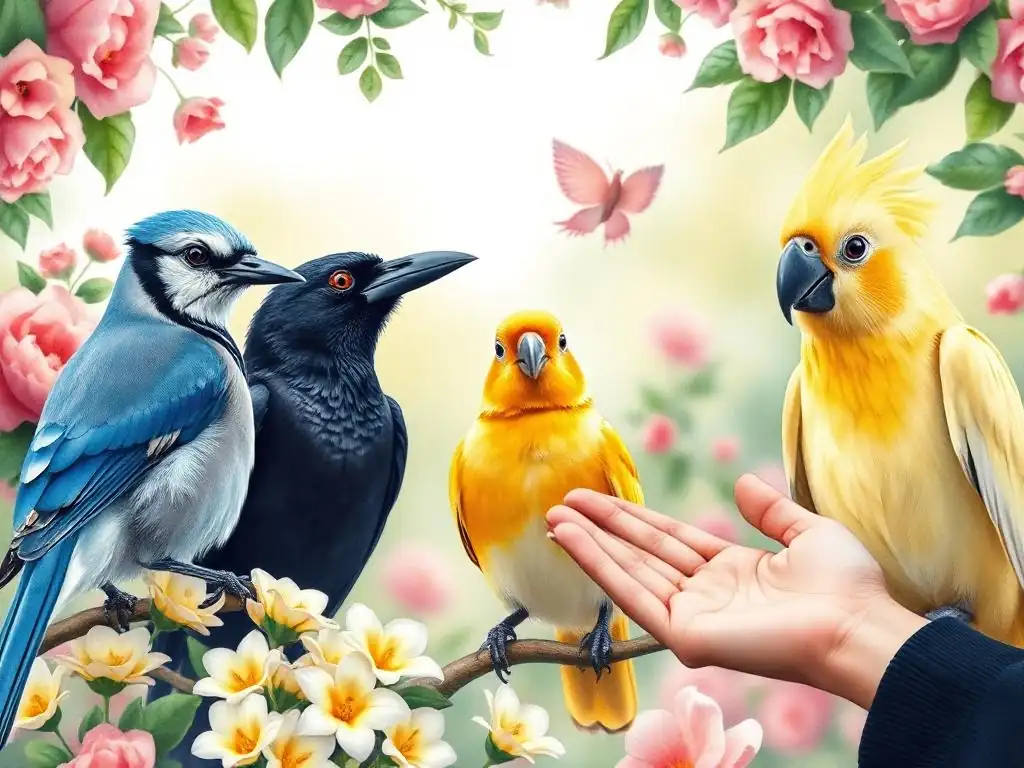
A successful bird recall training program hinges not only on effective training methods but also on a safe and stimulating environment. Birds, particularly those undergoing training, require a space that minimizes distractions and maximizes their comfort and confidence. This section details how to optimize your bird's surroundings to facilitate positive learning and enhance the effectiveness of your bird recall training methods. The right environment can significantly reduce stress, improve focus, and ultimately lead to faster progress in recall training. Neglecting this crucial aspect can lead to frustration for both you and your feathered friend, potentially hindering the entire process.
Setting Up a Safe Training Space for Your Bird
Creating a secure training space involves several key steps. First, choose a room that's relatively quiet and free from sudden noises or movements that could startle your bird. Consider factors like traffic flow in your home; a less frequented area is ideal. The room should be free of hazards, such as toxic plants, small objects your bird could swallow, or open windows. Ensure all electrical cords and wires are securely taped or covered to prevent accidental chewing or electrocution.
Next, define a specific training area within the room. This could be a large cage, a designated perch, or even a section of the floor covered with a soft, absorbent material. Consistency is crucial; always train in the same designated area to help your bird associate that space with positive reinforcement and training. The size of the training area should be appropriate to your bird's size and species; a smaller bird will require a smaller, more contained area than a larger parrot.
Finally, consider the visual stimulation within the training area. While you want a relatively distraction-free environment, a completely sterile space can be equally detrimental. Provide a few safe and enriching toys within the training area to keep your bird engaged and prevent boredom. However, avoid overstimulating the environment with too many toys or bright colors that might distract your bird from the training task. Remember, the goal is to create a balanced environment that promotes focus and engagement without overwhelming your bird.
Enhancing Your Bird's Environment to Support Recall Training
Beyond the immediate training area, consider how the broader environment supports your bird's overall well-being and contributes to successful recall training. A well-cared-for, enriched environment reduces stress and improves your bird's receptiveness to training. A stressed or unhappy bird is less likely to engage cooperatively in training exercises.
Providing ample opportunities for physical activity and mental stimulation is vital. This includes appropriate perches of varying sizes and textures to encourage natural climbing and exercise, as well as puzzle toys that challenge your bird's problem-solving skills. A regular routine, including consistent feeding times and playtime, creates a sense of predictability and security, which can positively impact your bird's behavior and training response.
Furthermore, consider the social aspects of your bird's environment. If you have multiple birds, ensure they have adequate space and opportunities for interaction without overly competing for attention during training sessions. If your bird is particularly bonded to a specific family member, it's beneficial to have that person involved in the training process. The bond between bird and owner is a vital component for successful bird recall training methods.
A strong, positive relationship will significantly improve the bird's willingness to participate and respond to commands. Regular interaction outside of formal training sessions also helps strengthen this bond. Remember, a happy, healthy, and well-stimulated bird is a bird that's more likely to succeed in recall training.
Maintaining and Reinforcing Bird Recall Training
Maintaining a reliable bird recall isn't a one-time achievement; it's an ongoing process requiring consistent effort and adaptation. Think of it like building muscle – you wouldn't expect to get strong from one workout! Similarly, your bird's recall needs regular exercise and reinforcement to remain strong and reliable. Successful bird recall training methods hinge on consistent positive reinforcement.
Regular Practice and Reinforcement for Bird Recall
Regular, short training sessions are far more effective than infrequent, lengthy ones. Aim for several brief sessions (5-10 minutes) daily, rather than one long session once a week. This keeps your bird engaged and prevents boredom, which can hinder learning. Always end each session on a positive note, with a rewarding treat and praise. Inconsistency weakens the association between the recall cue and the reward, making your bird less likely to respond reliably.
Consider varying your training location. Practicing recall in different rooms or even outdoors (in a safe, enclosed area) helps your bird generalize the command and respond reliably in various environments. This prevents the bird from only responding in specific, familiar locations. For example, start in a quiet room, then progress to a more stimulating area as your bird masters the command. This gradual exposure builds confidence and a more robust recall.
Here's a sample weekly schedule you can adapt to your bird's needs:
| Day | Time | Location | Focus |
|---|---|---|---|
| Monday | 8:00 AM | Living Room | Recall from perch, short distances |
| Tuesday | 6:00 PM | Kitchen | Recall from the floor, short distances |
| Wednesday | 10:00 AM | Bedroom | Recall from different perches |
| Thursday | 7:00 PM | Patio (enclosed) | Recall from a slightly greater distance |
| Friday | 9:00 AM | Living Room | Review and reward |
| Weekend | Vary times | Vary locations | Practice recall in different contexts |
Remember to use a consistent verbal cue – "Come here," "Step up," or a similar phrase – and always reward immediate responses with positive reinforcement, such as tasty treats or verbal praise. The more consistent you are, the better your bird will understand and respond to the cue.
Adapting Your Recall Training to Your Bird's Changing Needs
Your bird's needs and attention span will change over time, requiring adjustments to your training methods. A young, energetic bird will require shorter, more frequent sessions than a mature, calmer bird. A bird experiencing hormonal changes might be less responsive; adjust accordingly.
For example, a hormonal bird may require more patience and a greater emphasis on positive reinforcement. Avoid pressure or punishment, which can damage trust and make recall training even more challenging. Instead, focus on keeping sessions short, rewarding even small successes, and incorporating more high-value rewards to maintain motivation. This is crucial for maintaining a positive association with the recall cue.
Consider the distractions present. During busy times, your bird might be more distracted. Adjust training sessions to less stimulating times of day. If your bird is distracted by other pets or sounds, try training in a quieter environment or address the distractions directly.
Consider using a different reward system. If your bird seems less motivated by its usual treats, experiment with different types of food or toys to find something more appealing. This ensures continued engagement and prevents boredom. Remember, a happy bird is a responsive bird.
Long-Term Strategies for Maintaining a Reliable Bird Recall
Maintaining a strong recall is a lifelong commitment. Continue practicing recall regularly, even after your bird has mastered the command. This prevents regression and ensures a reliable response. Think of it as ongoing maintenance, not a finished project. Regular practice keeps the skill sharp and prevents your bird from forgetting the command.
Incorporate recall into your daily routine. Don't just practice recall during formal training sessions. Use it naturally throughout the day, such as when putting your bird back in its cage or moving it to a different location. This helps your bird associate the command with various situations, strengthening its understanding and response.
Remember to always reward even small successes. Even a partial response, such as your bird turning towards you when called, should be rewarded. This positive reinforcement encourages continued effort and helps maintain a reliable recall. Celebrate every milestone; it strengthens the bond with your bird and reinforces the positive association with the recall command. Consistent positive reinforcement, even for minor successes, is key to long-term success.
Frequently Asked Questions
What is bird recall training?
Bird recall training teaches your bird to return to its designated safe space (e.g., cage, perch) when called. This is crucial for safety and strengthens your bond. It requires patience and positive reinforcement.
How do I start recall training with my bird?
Begin with short training sessions using a positive reinforcer like a favorite treat or toy. Say your chosen word (e.g., "Come"), then reward immediately when they respond. Gradually increase the distance and distractions.
Are all bird recall training methods the same?
No, different bird species have different personalities and learning styles. Methods need to be adapted to suit individual needs. Some birds learn faster than others, requiring more patience and varied techniques.
What if my bird ignores my recall command?
Remain calm and avoid punishment. Try shortening the training sessions, using a more enticing reward, or adjusting your training location to minimize distractions. Consistency is key.
What are some common mistakes to avoid during bird recall training?
Avoid using negative reinforcement or harsh tones. Keep sessions short and positive. Don't expect perfection overnight; celebrate small successes and remain patient throughout the process.
Final Reflection: The Enduring Power of Connection in Bird Training
Effective recall training isn't just about bringing your bird back; it's about building a bond of trust and understanding that enriches both your lives. The methods discussed throughout this article highlight the crucial need for personalized approaches, recognizing that each feathered friend possesses unique personalities and learning styles. This isn't simply a matter of obedience; it's about fostering a genuine partnership.
The impact of positive reinforcement training extends far beyond the simple act of recall. It shapes the overall relationship between bird and owner, fostering a sense of security and mutual respect. The best bird trainer is the one who can understand the bird's perspective.
This quote, though not directly from a published source, encapsulates the core philosophy explored in this article: understanding your bird's individual needs is paramount to successful training and a fulfilling companionship. The methods discussed here aim to build this understanding, creating a stronger, more harmonious bond.
Now, consider your own feathered companion. What unique challenges and rewards have you encountered in your training journey? What adjustments can you make to further strengthen your connection? Don't just focus on the mechanics of recall; focus on the emotional connection that underpins it. Embrace the journey, celebrate the small victories, and remember that patience and understanding are the most powerful tools in your training arsenal. The reward – a deeper bond with your avian friend – is immeasurable.
Unlock Your Bird's Potential: A Training Journey Begins Now!
Thank you for learning about tailored training methods for your feathered friend! We hope you gained valuable insights into adapting techniques to your bird's unique personality and species. Ready to put this knowledge into practice?
- Start with a small, achievable goal: Dedicate 5-10 minutes today to focused training on a single behavior, such as teaching a new trick or improving recall. Consistency is key!
- Share your training successes (or challenges!) with our community in the comments below. Let's learn from each other!
- Consider creating a training journal to track your bird's progress and celebrate milestones. This will help you stay motivated and adapt your approach as needed.
What small step will you take today to strengthen your bond with your amazing bird companion?