
Senior Bird Nutrition: Adjusting Diets for Aging Birds

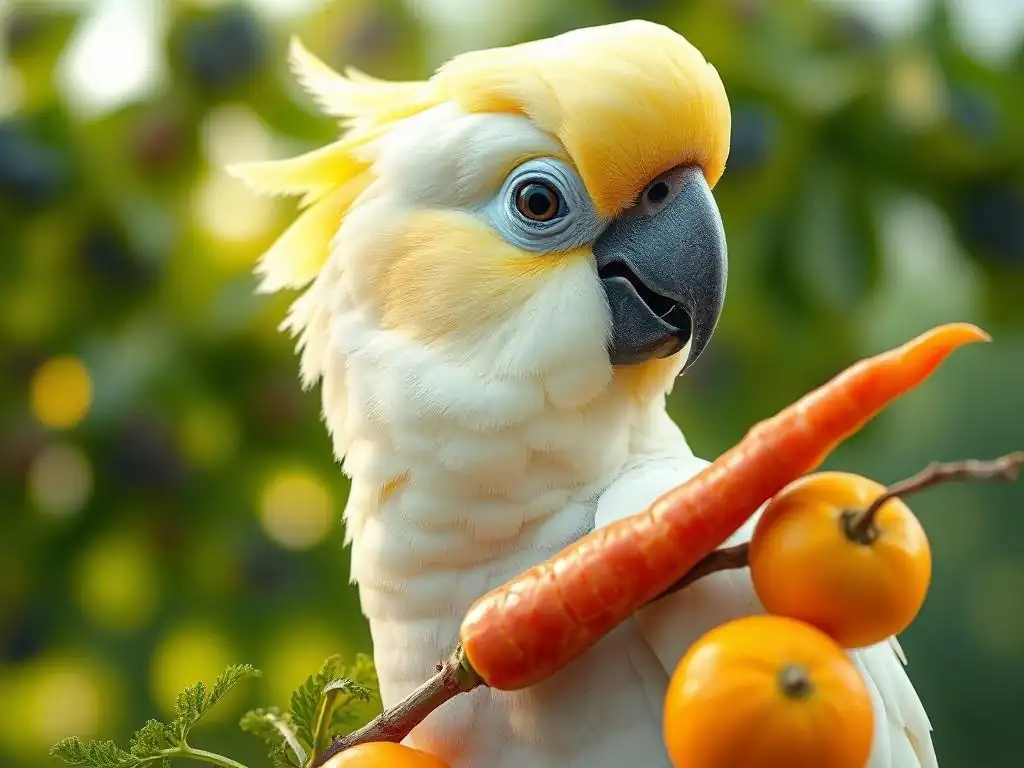
Welcome to PetCareWorld, your ultimate guide to a happier, healthier life for your beloved companion! Are you ready to unlock the secrets to keeping your feathered friend thriving in their golden years? Discover the crucial role of proper nutrition in extending their lifespan and improving their quality of life by exploring our in-depth guide on the best senior bird food. Learn what to look for in a senior bird diet and ensure your aging companion receives the nourishment they deserve. Let's dive into the world of senior bird nutrition together!
- Understanding Nutritional Changes in Senior Birds
- Best Senior Bird Food: Choosing the Right Diet
- Preparing Nutritious Meals for Senior Birds
- Addressing Specific Health Concerns Through Diet
- Monitoring Your Senior Bird's Health and Nutrition
- Frequently Asked Questions
- Final Reflection: Nurturing the Golden Years: A Legacy of Health and Happiness for Our Feathered Friends
- Unlock Your Senior Bird's Vitality: Nourishing Their Golden Years
Understanding Nutritional Changes in Senior Birds
As our feathered friends age, their nutritional needs change significantly. Just like humans, senior birds require a carefully adjusted diet to maintain their health, vitality, and overall well-being. This comprehensive guide explores the crucial aspects of senior bird nutrition, focusing on recognizing the signs of aging, understanding their evolving dietary requirements, and addressing common digestive problems.
Choosing the best senior bird food is a key component of responsible senior pet care, and this article will empower you to make informed decisions to ensure your beloved companion enjoys a happy and healthy golden years. We’ll delve into specific dietary adjustments, providing practical advice and addressing common concerns to help you navigate this important stage of your bird's life.
Providing optimal nutrition is paramount in extending their lifespan and improving their quality of life during their senior years. This guide aims to equip you with the knowledge to select and manage a diet that supports your bird's health and happiness as they gracefully enter their twilight years.
Recognizing Signs of Aging in Your Bird
Recognizing the signs of aging in your bird is the first step towards providing appropriate care. These signs can vary depending on the species, but some common indicators include:
- Decreased activity levels: A noticeable reduction in playful behavior, singing, or exploring their environment.
- Changes in feather condition: Dull, brittle, or sparse feathers can indicate nutritional deficiencies or underlying health issues.
- Weight loss or gain: Unexpected fluctuations in weight require veterinary attention and may signal underlying health problems.
- Changes in appetite: A decreased or increased appetite can be a sign of aging or illness.
- Difficulty perching or climbing: Joint pain and decreased mobility are common in older birds.
- Behavioral changes: Increased irritability, lethargy, or changes in vocalizations can indicate aging or underlying health problems.
It's crucial to monitor your bird closely for these changes and consult with an avian veterinarian for a thorough examination and personalized recommendations. Early detection of age-related issues can significantly impact your bird's quality of life and longevity. Remember, proactive care is key to ensuring your senior bird thrives. Regular veterinary check-ups are essential to monitor their health and catch potential problems early.
Nutritional Needs of Older Birds: A Comprehensive Overview
As birds age, their metabolic rate slows down, and their ability to absorb nutrients can decrease. This necessitates adjustments to their diet to ensure they are receiving the necessary vitamins, minerals, and other essential nutrients. Key adjustments include:
- Increased protein: Senior birds often require a higher protein intake to maintain muscle mass and support their immune system. This can be achieved by incorporating high-quality protein sources such as cooked eggs, lean meats (in moderation), and specific senior bird food formulas.
- Reduced fat: While some fat is necessary, an overly high-fat diet can contribute to weight gain and other health issues in senior birds. Opt for lower-fat food options and avoid excessive treats.
- Increased fiber: Fiber aids in digestion and helps prevent constipation, a common problem in older birds. Consider adding fiber-rich vegetables and fruits to their diet, but always introduce new foods gradually.
- Supplementation: In some cases, vitamin and mineral supplements may be necessary to address specific deficiencies or support overall health. Consult with your avian veterinarian to determine if supplementation is appropriate for your bird.
- Smaller, more frequent meals: Older birds may have a decreased appetite or difficulty consuming large amounts of food at once. Offering smaller, more frequent meals throughout the day can help ensure they are getting adequate nutrition.
Choosing a commercially available best senior bird food that is formulated to meet the specific nutritional needs of older birds is a crucial step in providing optimal care. Always read labels carefully and select a food that is appropriate for your bird's species and size.
Common Digestive Issues in Senior Birds and Dietary Adjustments
Digestive problems are common in senior birds, often stemming from decreased digestive enzyme production or reduced gut motility. These issues can manifest as:
- Constipation: This can be addressed by increasing fiber intake through appropriate vegetables and fruits, ensuring adequate water intake, and possibly using psyllium husk or other fiber supplements (always under veterinary guidance).
- Diarrhea: Diarrhea can indicate a variety of issues, including infections, dietary indiscretions, or underlying health problems. If your bird experiences diarrhea, consult your avian veterinarian immediately. Dietary adjustments may involve temporarily switching to a bland, easily digestible diet.
- Weight loss: Unexplained weight loss often signals a digestive issue or other underlying health problem. Addressing any digestive concerns and providing a nutrient-rich diet is crucial.
Careful monitoring of your bird's droppings is essential. Changes in consistency, color, or frequency should be reported to your veterinarian. Remember, addressing digestive issues promptly is crucial for maintaining your bird's health and well-being. A balanced diet tailored to their age and specific needs is paramount in preventing and managing digestive problems in senior birds. Always prioritize a preventative approach to ensure your senior companion enjoys a comfortable and healthy life.
Best Senior Bird Food: Choosing the Right Diet
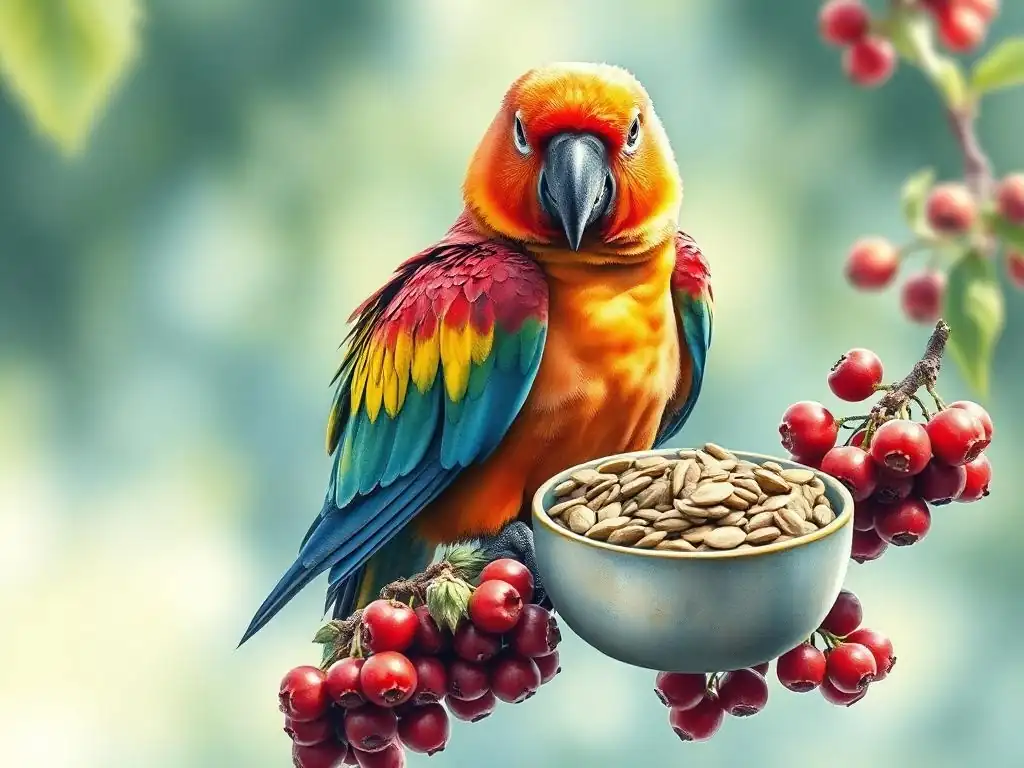
Finding the best senior bird food is crucial for maintaining your feathered friend's health and vitality during their golden years. As birds age, their nutritional needs change significantly. Their metabolism slows, and they may become less efficient at absorbing nutrients. Therefore, simply continuing with the same diet they had in their younger years is insufficient and could lead to health problems. Choosing a diet specifically formulated for senior birds is paramount. This involves careful consideration of several key factors, including ingredient quality, nutrient density, and palatability. A well-balanced diet can significantly impact their lifespan and quality of life.
Selecting High-Quality Senior Bird Food: Key Ingredients to Look For
The cornerstone of a healthy senior bird diet is high-quality ingredients. Avoid foods with fillers, artificial colors, and preservatives. Instead, look for these essential components:
- High-quality protein: Senior birds require sufficient protein for muscle maintenance and immune function. Look for foods that list named protein sources like chicken, turkey, or fish, rather than just "meat by-products." The protein source should be a significant percentage of the total ingredients.
- Healthy fats: Essential fatty acids are vital for maintaining healthy skin, feathers, and a strong immune system. Look for sources like flaxseed, fish oil (check for quality and purity), and sunflower seeds (in moderation).
- Complex carbohydrates: These provide sustained energy without causing rapid blood sugar spikes. Whole grains like oats and brown rice are better choices than refined grains.
- Fruits and vegetables: These provide essential vitamins, minerals, and antioxidants. A variety of fresh, colorful options should be incorporated into their diet. However, be mindful of portion sizes, as excessive fruits can lead to digestive upset.
- Low levels of calcium: Excessive calcium can lead to health issues in older birds, so choose a food that is formulated with appropriate levels.
- Added digestive enzymes: These can aid in nutrient absorption, especially beneficial for birds with slower metabolisms.
Here's a sample ingredient list of a high-quality senior bird food (Note: this is an example and doesn't represent a specific product):
| Ingredient | Percentage (Approximate) | Notes |
|---|---|---|
| Chicken | 30% | High-quality protein source |
| Brown Rice | 20% | Complex carbohydrate for sustained energy |
| Peas | 10% | Source of fiber and vitamins |
| Flaxseed | 5% | Source of omega-3 fatty acids |
| Carrots | 5% | Source of Vitamin A and fiber |
| Dried cranberries | 2% | Source of antioxidants (in moderation) |
| Other vitamins & minerals | 28% | Specific amounts will vary depending on formula |
Remember to always check the guaranteed analysis on the packaging to ensure the food meets your bird's specific nutritional requirements. Consult with an avian veterinarian for personalized recommendations.
Best Senior Bird Food Brands: A Comparative Analysis
Choosing the best senior bird food brand is subjective and depends on your bird's specific needs and preferences. Unfortunately, a definitive ranking is difficult without conducting extensive independent testing and analysis of numerous brands across various species. [Specific information pending: Comparative data on leading senior bird food brands]. However, we can offer some general guidelines:
- Read reviews: Look for reviews from other bird owners to get an understanding of the palatability and effectiveness of different brands.
- Check ingredients: Prioritize brands that use high-quality, easily digestible ingredients and avoid those with excessive fillers or artificial additives.
- Consult your vet: Your avian veterinarian can provide personalized recommendations based on your bird's species, age, health status, and any specific dietary needs.
Remember that switching to a new food should be done gradually to avoid digestive upset.
Supplementing Your Senior Bird's Diet: Vitamins and Minerals
While a high-quality senior bird food provides most of the necessary nutrients, supplementation may be necessary in certain cases. This should always be done under the guidance of an avian veterinarian. They can determine if your bird has any deficiencies and recommend appropriate supplements. Self-prescribing supplements can be harmful.
Some common supplements that may be recommended for senior birds include:
- Vitamin A: Important for vision and immune function.
- Vitamin D3: Essential for calcium absorption.
- Vitamin E: A powerful antioxidant.
- Calcium: Crucial for bone health (but needs careful monitoring in older birds).
- Probiotics: Can improve gut health and digestion.
Never give your bird human supplements; they are often formulated differently and can be toxic. Only use supplements specifically designed for avian species and follow the dosage instructions carefully. Regular veterinary checkups are essential to monitor your bird's health and adjust their diet and supplementation as needed. 🐦
Preparing Nutritious Meals for Senior Birds
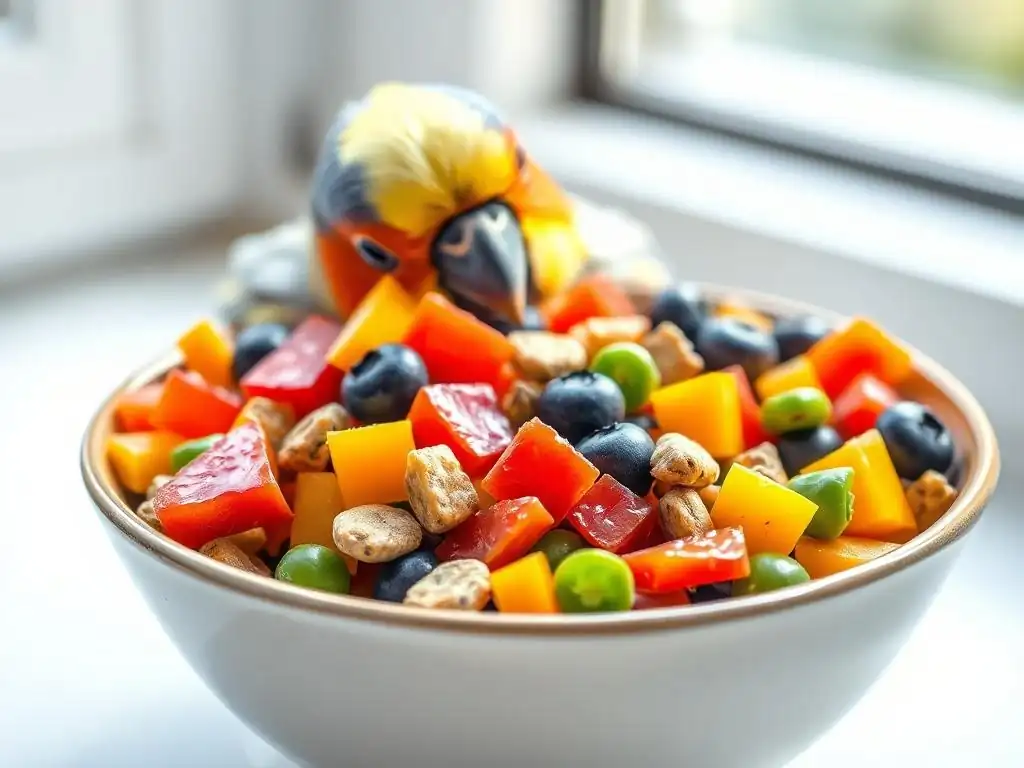
As your feathered friend enters their senior years (generally considered to be after age 7, but this varies greatly by species), their nutritional needs shift significantly. Providing the best senior bird food means understanding these changes and adapting their diet accordingly. Senior birds often experience decreased metabolism, digestive issues, and weakened immune systems, making proper nutrition paramount for maintaining their health and longevity. This requires a shift towards a diet that is highly digestible, nutrient-dense, and easily consumed.
The cornerstone of a healthy senior bird diet is high-quality, commercially formulated senior bird food. These blends are specifically designed to address the reduced metabolic rate and altered digestive processes common in older birds. Look for formulas that are low in fat, but rich in protein and essential nutrients like vitamins A, D, E, and K, as well as minerals such as calcium and phosphorus.
The ingredient list should prioritize whole grains, legumes, and seeds, avoiding fillers and artificial additives. Remember to always check the expiration date and store the food properly to maintain its nutritional value. Supplementing their diet with fresh, nutrient-rich foods is also crucial.
Recipes for Senior Birds:
Creating homemade meals for your senior bird can be a rewarding way to ensure they're receiving optimal nutrition, but it's essential to consult with an avian veterinarian before making significant dietary changes. They can help tailor a plan to your bird's specific needs and health conditions. Here are a couple of examples of recipes that can be incorporated sparingly into a senior bird's diet, supplementing, not replacing, their commercial food:
Recipe 1: Nutrient-Rich Veggie Mash
- 1/4 cup cooked, chopped sweet potato
- 1/4 cup cooked, chopped carrots
- 1 tablespoon cooked, chopped broccoli
- 1 teaspoon cooked brown rice
- A few drops of high-quality avian vitamin supplement (check with your vet)
Instructions: Mix all ingredients thoroughly. Offer a small amount daily.
Recipe 2: Protein-Packed Millet Porridge
- 1/4 cup cooked millet
- 1 tablespoon finely chopped cooked chicken (ensure it's thoroughly cooked and free of bones and seasoning)
- 1 teaspoon cooked lentils
Instructions: Mix all ingredients and offer a small portion daily.
Remember, these are sample recipes. Portion sizes should be adjusted based on your bird's size, activity level, and overall health. Introduce new foods gradually to monitor for any digestive upset. Always prioritize commercially formulated senior bird food as the base of their diet.
Safe and Unsafe Foods for Senior Birds: A Complete Guide
Understanding which foods are safe and unsafe for your senior bird is crucial for their well-being. Their digestive systems are more sensitive in old age, making them more susceptible to digestive problems from inappropriate foods.
Safe Foods: Many fruits and vegetables are suitable in moderation. These include:
- Fruits: Blueberries, raspberries, strawberries (in small quantities due to sugar content), melon (small amounts)
- Vegetables: Cooked sweet potato, carrots, cooked broccoli, green beans (cooked and chopped)
- Grains: Cooked brown rice, millet, oats (cooked)
Unsafe Foods: Avoid these foods entirely, as they can be toxic or cause digestive issues:
- Avocado: Contains persin, which is toxic to birds.
- Chocolate: Contains theobromine, which is toxic to birds.
- Alcohol: Highly toxic.
- Caffeine: Toxic to birds.
- Onions and Garlic: Can damage red blood cells.
- Raw beans: Contain toxins harmful to birds.
- Salt: Excessive salt intake can be harmful.
This is not an exhaustive list, and it is crucial to consult with an avian veterinarian for a complete list tailored to your bird's specific species and health conditions. Always err on the side of caution when introducing new foods.
Hydration for Senior Birds: Ensuring Adequate Water Intake
Maintaining proper hydration is critical for senior birds, as they are more prone to dehydration than younger birds. Dehydration can exacerbate existing health problems and lead to serious complications. Ensure your senior bird always has access to fresh, clean water in multiple locations, ideally in more than one type of water dish. Consider these tips to promote adequate water intake:
- Multiple Water Sources: Provide water in multiple containers and locations within their cage to prevent competition and to cater to different preferences.
- Fresh Water Daily: Change the water daily to prevent bacterial growth.
- Water Temperature: Offer water at room temperature – avoid extremely hot or cold water.
- Variety of Dishes: Experiment with different types of water dishes to see which your bird prefers. Some birds prefer shallow dishes, while others may prefer deeper ones.
- Monitor Water Intake: Pay close attention to your bird's water consumption. A decrease in water intake can indicate illness, so consult an avian veterinarian if you notice any significant changes.
- Humidifier: Especially in dry climates, a humidifier can help maintain appropriate humidity levels and encourage your bird to drink more.
Monitoring your bird's water consumption is an important part of ensuring their health. A drop in water intake could be a sign of illness and should be addressed immediately with your avian veterinarian. Providing a variety of ways to access water and ensuring it’s always clean and fresh is crucial for their well-being. Remember that a healthy, hydrated bird is a happy bird, especially as they age.
Addressing Specific Health Concerns Through Diet
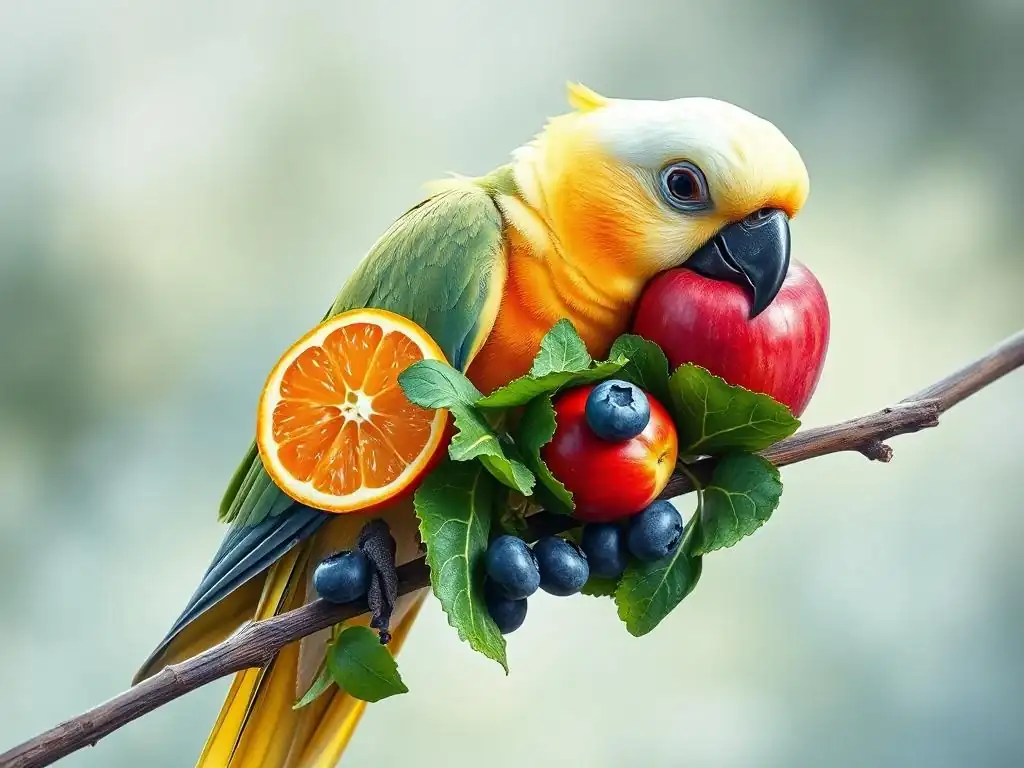
Many senior birds develop specific health concerns that can be significantly managed, and sometimes even mitigated, through careful dietary adjustments. Finding the best senior bird food often involves understanding these specific needs and tailoring their nutrition accordingly. This section will explore how diet plays a crucial role in managing common health problems in aging birds. Remember to always consult with an avian veterinarian before making significant changes to your bird's diet, especially if they have pre-existing conditions.
Managing Weight in Older Birds: Dietary Strategies for Weight Loss or Gain
Weight management is a critical aspect of senior bird care. Obesity can exacerbate existing health problems like arthritis and heart disease, while weight loss can indicate underlying illnesses. The best senior bird food in this context will vary depending on whether your bird needs to lose or gain weight.
For overweight birds, the focus should be on reducing caloric intake while maintaining nutritional balance. This might involve switching to a lower-fat, lower-calorie seed mix, reducing the amount of high-calorie treats, and increasing the proportion of fruits and vegetables in their diet. A gradual reduction in food quantity is generally recommended to avoid stress and ensure proper nutrient absorption. Monitoring their weight regularly using a gram scale is crucial. For example, if a bird is consistently overweight by 10-15%, a 10% reduction in daily caloric intake might be a good starting point.
Conversely, underweight senior birds may require a diet richer in calories and nutrients. This might involve supplementing their diet with high-quality pellets specifically formulated for senior birds, offering nutrient-dense foods like cooked quinoa or brown rice, and providing small amounts of healthy fats like avocado (in moderation). Small, frequent meals might be better tolerated than fewer, larger meals. Regular veterinary check-ups are essential to rule out underlying medical conditions contributing to weight loss.
Dietary Modifications for Arthritis in Birds
Arthritis is a prevalent condition in senior birds, causing pain and stiffness in the joints. While there's no cure, dietary modifications can help manage the symptoms and improve their quality of life. The best senior bird food for an arthritic bird should focus on reducing inflammation and promoting joint health.
Foods rich in omega-3 fatty acids, such as flaxseed or fish oil (in appropriate doses, under veterinary guidance), possess anti-inflammatory properties. Similarly, foods containing glucosamine and chondroitin, often found in joint supplements for humans, may also offer benefits. However, always consult an avian veterinarian before introducing supplements to your bird's diet. They can recommend appropriate dosages and ensure there are no negative interactions with existing medications. Maintaining a healthy weight is also crucial to minimize stress on the joints. A balanced diet with appropriate protein, calcium, and vitamin D levels is essential for strong bones and joints.
Adjusting Diets for Senior Birds with Kidney or Liver Issues
Kidney and liver diseases are serious conditions that can significantly impact a bird's health and longevity. Dietary adjustments are often crucial in managing these diseases. The best senior bird food in these cases requires careful consideration of nutrient restrictions and limitations.
Birds with kidney disease often need a diet low in phosphorus and protein to reduce the strain on their kidneys. Special veterinary diets are often formulated to meet these specific requirements. Similarly, birds with liver disease may require a diet lower in fat and certain vitamins to minimize stress on the liver. These birds often need smaller, more frequent meals to aid digestion and nutrient absorption.
Monitoring their weight, water intake, and droppings are essential to assess their response to dietary changes and detect any potential complications. It's crucial to work closely with an avian veterinarian to develop a personalized dietary plan that addresses the bird's specific needs and health status. Regular blood tests can help monitor kidney and liver function and guide adjustments to the diet as needed. Providing fresh, clean water at all times is also crucial for hydration and overall well-being.
Monitoring Your Senior Bird's Health and Nutrition
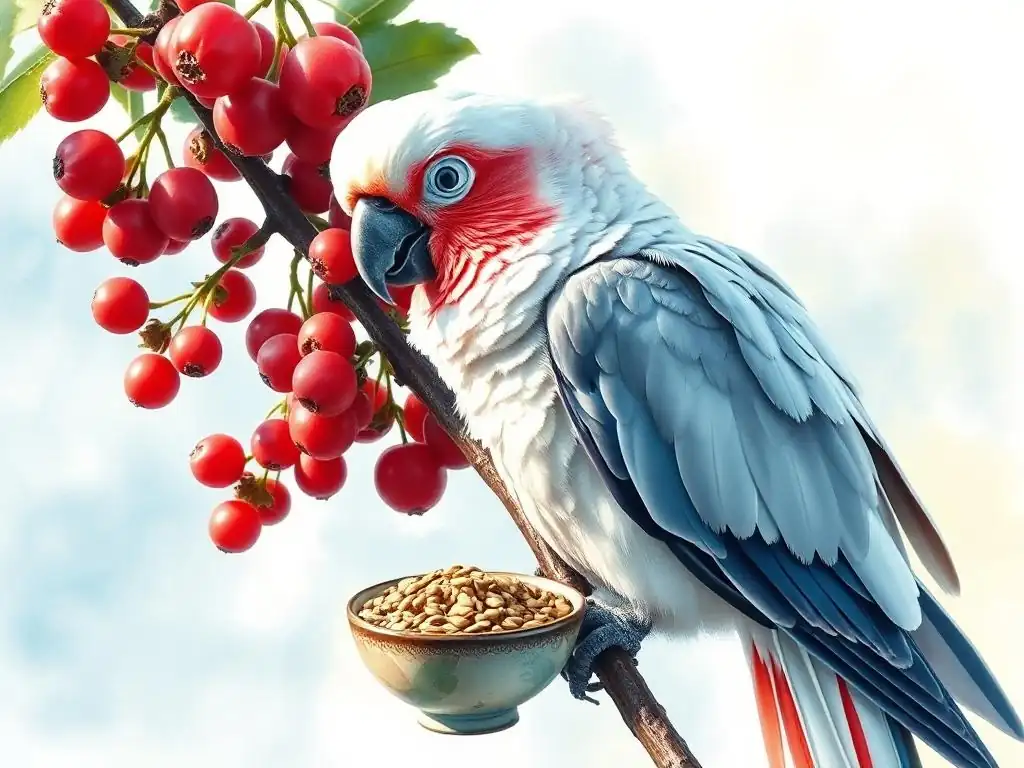
As your feathered friend enters their senior years, monitoring their health and nutritional intake becomes even more critical. Providing the best senior bird food isn't just about choosing a premium brand; it's about a holistic approach to ensuring their well-being. This involves careful observation, proactive veterinary care, and consistent tracking of their dietary habits and physical condition. A decline in health can often manifest through changes in eating patterns and overall vitality, highlighting the importance of vigilance. Understanding the subtle signs of nutritional deficiencies and maintaining regular veterinary checkups are paramount to preserving their quality of life.
Signs of Nutritional Deficiencies in Senior Birds
Recognizing the early signs of nutritional deficiencies is crucial for timely intervention. Senior birds, like senior humans, are more susceptible to various health issues, many of which stem from inadequate nutrition. These deficiencies can manifest in several ways:
- Changes in Feather Quality: Noticeably dull, brittle, or sparsely distributed feathers can signal a lack of essential vitamins and minerals. For instance, a deficiency in Vitamin A can lead to dry, flaky skin and poor feather growth. A healthy, vibrant plumage is a strong indicator of good nutrition. Conversely, a decline in feather quality could indicate a problem with the food they're receiving.
- Weight Loss or Gain: Unexpected weight fluctuations, whether loss or gain, warrant immediate attention. Significant weight loss often points towards underlying health problems, including digestive issues or nutritional imbalances. Conversely, unexplained weight gain could indicate metabolic issues or an overconsumption of high-calorie foods. Regular weigh-ins are essential to detect these subtle changes promptly.
- Changes in Behavior: Behavioral changes, such as lethargy, decreased activity levels, or increased aggression, can be subtle indicators of nutritional deficiencies. A bird that was once vibrant and playful might become subdued and withdrawn if not receiving the proper nutrients.
- Digestive Problems: Frequent diarrhea, vomiting, or changes in stool consistency can signal digestive problems that may be linked to dietary imbalances. These issues can impact the bird's ability to absorb essential nutrients, leading to further complications.
- Weakness and Muscle Loss: Progressive muscle weakness and loss of muscle mass (muscle atrophy) are serious signs that require immediate veterinary attention. These can often be linked to protein deficiencies or other underlying health problems exacerbated by poor nutrition. It's important to differentiate between age-related muscle loss and that caused by nutritional deficiencies.
Regular Veterinary Checkups for Senior Birds: Importance of Preventative Care
Preventative care is paramount in maintaining the health of your senior bird. Regular checkups with an avian veterinarian are vital for early detection of potential problems and the implementation of corrective measures. These checkups should include:
- Comprehensive Physical Examination: A thorough physical examination allows the veterinarian to assess the bird's overall health, including weight, feather condition, and muscle tone. They can identify any abnormalities early on.
- Bloodwork and other Diagnostic Tests: Blood tests can reveal underlying health problems, including nutritional deficiencies, organ dysfunction, and infections. Other diagnostic tests might be necessary depending on the suspected issues.
- Dietary Recommendations: The veterinarian can provide personalized dietary recommendations based on your bird's age, species, health status, and any identified deficiencies. They can help you choose the best senior bird food for your specific situation. This may involve supplementing their diet with specific vitamins, minerals, or other nutrients.
- Early Intervention: Early detection and intervention are crucial in managing many health conditions. Regular checkups significantly increase the chances of successful treatment and improve the bird's quality of life. The goal is to catch issues before they become serious and debilitating.
Tracking Your Bird's Food Intake and Weight: Maintaining a Healthy Diet
Consistent monitoring of your bird's food intake and weight is essential for ensuring they receive adequate nutrition. This involves:
- Weighing Your Bird Regularly: Weigh your bird weekly or bi-weekly using a gram scale accurate to 0.1g. This allows you to track weight changes and detect any significant fluctuations early on. Keep a detailed log of the weight measurements.
- Monitoring Food Consumption: Observe the amount of food your bird consumes daily. Changes in appetite can signal underlying health issues or indicate a need for dietary adjustments. Note if your bird is consistently leaving food uneaten. This could indicate a problem with the food itself, a change in taste preferences, or a health issue.
- Providing a Balanced Diet: Ensure your bird's diet includes a variety of fresh fruits, vegetables, pellets specifically formulated for senior birds, and appropriate seeds. Consider consulting an avian veterinarian or a certified avian nutritionist to develop a tailored diet plan that meets your bird's specific nutritional needs. Remember, a balanced diet is a crucial component of providing the best senior bird food.
- Fresh Water: Always provide fresh, clean water daily. Dehydration can exacerbate existing health problems and negatively impact nutrient absorption. Monitor water consumption as well, noting any significant changes.
By diligently monitoring your senior bird's health and nutrition, you can contribute significantly to their well-being and extend their lifespan. Remember, proactive care is key to ensuring your beloved companion enjoys a happy and healthy senior life. Providing the best senior bird food is a multifaceted process that extends far beyond simply choosing a brand; it is a commitment to their overall health and happiness.
Frequently Asked Questions
What are the nutritional needs of senior birds?
Senior birds require a diet higher in easily digestible protein and fat to maintain muscle mass and energy levels. They also need supplements to support their aging systems, such as added calcium and vitamins. Consult your avian vet for specifics.
What are the signs of malnutrition in senior birds?
Signs include weight loss, ruffled feathers, loss of appetite, lethargy, and decreased activity levels. If you notice these, contact an avian veterinarian immediately.
How do I transition my senior bird to a new diet?
Introduce the new food gradually over 7-10 days, mixing it with their current food. This helps prevent digestive upset. Monitor their stool and appetite closely during the transition.
What are some good brands of senior bird food?
Many brands offer senior-specific formulas. Look for foods with high-quality ingredients, low levels of fillers, and appropriate levels of essential nutrients for senior birds. Always check with your avian vet for recommendations.
My senior bird is picky. How can I encourage them to eat?
Try offering a variety of foods, including fresh fruits and vegetables. You can also try hand-feeding small amounts of their new food to encourage consumption. Consult your avian vet for advice on appetite stimulants if necessary.
Final Reflection: Nurturing the Golden Years: A Legacy of Health and Happiness for Our Feathered Friends
The health and longevity of our companion birds are deeply intertwined with the quality of their nutrition, especially as they age. Providing the best senior bird food isn't merely about extending lifespan; it's about enriching the quality of life for these beloved creatures during their twilight years, ensuring they experience vibrant health and joyful companionship.
Witnessing the graceful aging of a cherished bird is a privilege, but it requires understanding their evolving nutritional needs. Their bodies, like ours, change with time, demanding adjustments to their diet to maintain optimal health and prevent age-related illnesses. The best mirror is an old friend.
This sentiment, while not directly about birds, speaks to the deep bond we share with our companions and the responsibility we have to care for them as they age, just as they have enriched our lives. Understanding their dietary needs in their senior years is a testament to this bond.
Now, consider your own feathered friend. Are you providing them with the specialized nutrition they need to thrive in their golden years? Take a moment to review their current diet. Research the best senior bird food options available, consulting with your avian veterinarian for personalized recommendations. By making informed choices today, you're investing in a future filled with more shared laughter, playful chirps, and cherished memories with your beloved companion. Let's ensure our senior birds enjoy a vibrant and fulfilling life, a legacy of love and care that reflects the deep bond we share.
Unlock Your Senior Bird's Vitality: Nourishing Their Golden Years
Thank you for learning about the unique nutritional needs of senior birds! You've gained valuable insights into keeping your feathered friend healthy and happy for longer. Now, let's put that knowledge into practice.
- Prioritize a Senior-Specific Diet: Carefully review your bird's current food and consider switching to a senior formula. Formulas designed for senior birds address age-related changes in metabolism and digestion, offering the most significant benefit for their health.
- Schedule a Wellness Check: Schedule a checkup with your avian veterinarian. They can discuss any necessary dietary adjustments or supplements, ensuring your bird receives personalized care tailored to their specific health needs.
- Share Your Successes (or Questions!): Join our PetCareWorld community and share your experiences with senior bird nutrition – whether you've discovered a great recipe, have a question about a particular ingredient, or simply want to celebrate a healthy, happy senior companion!
What small change will you make today to improve your senior bird's diet and overall well-being?