
Why Do Birds Flock? Exploring the Benefits and Behaviors


Welcome to PetCareWorld, your ultimate guide to a happier, healthier life for your beloved animals! Are you curious about the fascinating social dynamics of our feathered friends? Discover the surprising benefits behind why birds flock together in our insightful article, " Why Do Birds Flock? Exploring the Benefits and Behaviors," and unlock a deeper understanding of avian behavior. Dive in and uncover the secrets of these captivating creatures!
- Understanding Avian Flock Dynamics: Why Birds Flock Together Benefits
- The Social Benefits of Flock Life for Birds
- Different Types of Bird Flocks and Their Unique Behaviors
- The Challenges and Disadvantages of Flocking Behavior
- Frequently Asked Questions
- Final Reflection: The Enduring Mystery and Marvel of Avian Aggregation
- Unlock the Secrets of Avian Social Life
Understanding Avian Flock Dynamics: Why Birds Flock Together Benefits
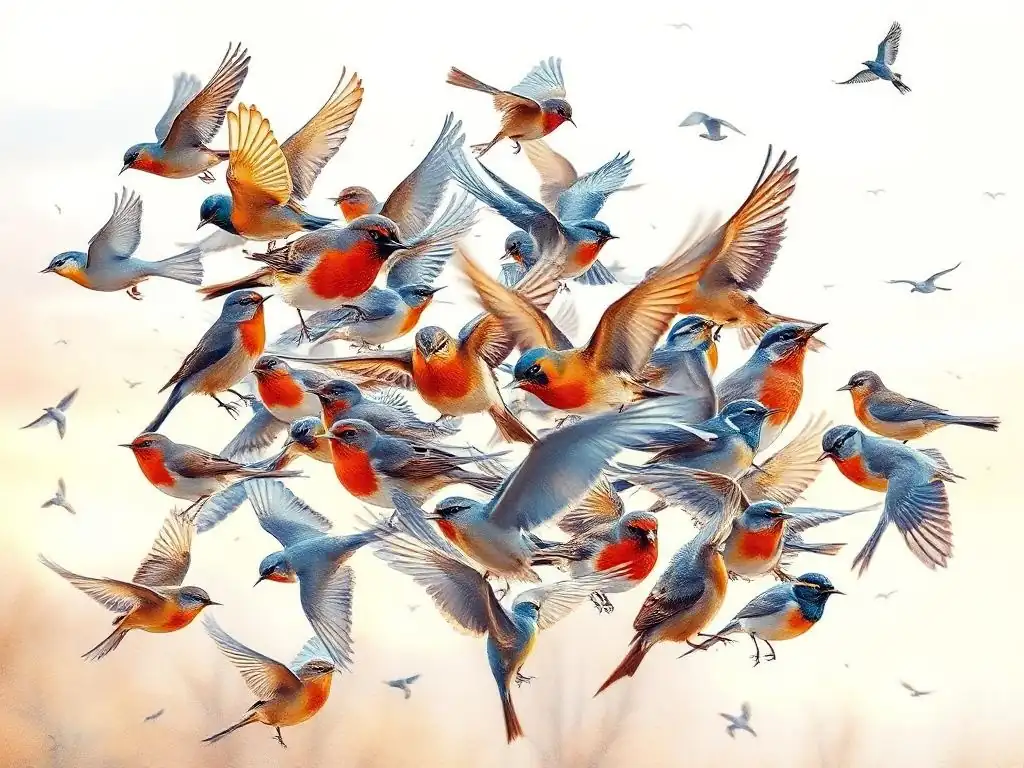
Birds, with their vibrant plumage and melodious songs, often grace our skies in impressive formations. But have you ever wondered why they flock together? This isn't simply a matter of chance; flocking behavior is a complex social strategy honed over millennia, offering a multitude of benefits that significantly enhance survival and reproductive success.
This article delves into the fascinating world of avian flock dynamics, exploring the evolutionary advantages and behavioral intricacies that drive birds to congregate in groups. We will examine the key benefits, focusing on the increased protection from predators, the improved efficiency in finding food, and the overall advantages for survival and reproduction provided by flocking behavior.
Understanding these dynamics offers valuable insights into the intricate social lives of birds and highlights the importance of preserving their natural habitats to ensure their continued flourishing. This exploration will answer the question "Why birds flock together benefits" in a comprehensive and informative way, providing a deeper understanding of these captivating creatures.
The Evolutionary Advantages of Flocking Behavior in Birds
The tendency for birds to flock together is a powerful example of natural selection at work. Birds that exhibited flocking behavior were more likely to survive and reproduce, passing on their genes to subsequent generations. This evolutionary advantage stems from several key factors, which we will explore in detail.
The benefits are not limited to immediate survival; they also extend to increased reproductive success and the overall fitness of the species. Flocking behavior is not simply a matter of convenience; it's a complex strategy that has profoundly shaped the evolution of many bird species. For instance, studies have shown a correlation between flock size and reproductive success in certain species, indicating that larger flocks may offer additional advantages during the breeding season.
This illustrates the profound and multifaceted impact of flocking behavior on the evolutionary trajectory of birds. Further research is needed to fully understand the nuances of this evolutionary process in diverse bird species and habitats.
Predator Avoidance: Safety in Numbers and Enhanced Vigilance in Bird Flocks
One of the most significant benefits of flocking is enhanced predator avoidance. A larger group of birds provides increased vigilance, with each individual acting as a potential sentinel. The "many eyes" effect means that a predator is more likely to be detected earlier, giving the flock more time to react and escape.
Additionally, the confusion effect, where a large number of birds suddenly taking flight can disorient a predator, significantly improves the chances of survival. Consider the example of starlings: their massive murmurations, with thousands of birds swirling and shifting together, are a formidable defense against predators. These coordinated movements make it almost impossible for a predator to single out an individual bird.
The sheer number of individuals in the flock acts as a deterrent, making it a less attractive target. Furthermore, the collective defense mechanisms displayed by many flocking species, such as mobbing behavior where birds collectively attack a predator, significantly increase the chances of survival for the entire group.
Foraging Efficiency: Cooperative Hunting and Food Discovery in Bird Groups
Flocking also enhances foraging efficiency. When birds forage in groups, they can collectively locate food sources more quickly. Individual birds can benefit from observing the foraging success of others, leading to quicker discovery of rich food patches.
In some species, cooperative hunting strategies are employed, with birds working together to flush out prey or access otherwise inaccessible food sources. This collaborative approach significantly increases the overall foraging success rate compared to solitary foraging. For example, certain species of birds will work together to drive insects out of vegetation, creating a more efficient hunting strategy.
Moreover, larger flocks can often dominate smaller flocks or individual foragers, gaining preferential access to the best food sources. This competitive advantage contributes to the overall fitness and survival of the flock. The combined effect of quicker discovery, cooperative hunting, and competitive advantage results in a significantly higher caloric intake per bird, enhancing their overall health and reproductive potential.
Improved Breeding Success Through Flock Association
Flocking significantly enhances breeding success for many bird species. This isn't simply a matter of increased chances of finding a mate; it's a complex interplay of several factors. The sheer number of potential partners within a flock dramatically increases the likelihood of successful mating. Birds can assess potential mates based on factors like plumage, song quality, and displays of fitness, all readily observable within a large group. This selection process, facilitated by the flock, leads to healthier offspring with stronger genetic diversity.
Furthermore, the cooperative breeding behaviors observed in many flocking species directly contribute to reproductive success. In some species, individuals within the flock will assist with nest building, chick-rearing, and protection from predators. This shared responsibility reduces the burden on individual parents, leading to higher survival rates for the young. For instance, in certain species of weaver birds, multiple birds will collaboratively construct elaborate nests, a task too demanding for a single individual.
This collaborative effort significantly increases the chances of a successful breeding season. The presence of numerous individuals also creates a "safety in numbers" effect, reducing the risk of predation on nests and vulnerable chicks. Studies have shown a direct correlation between flock size and the success rate of breeding attempts in several bird species. Larger flocks often translate to higher fledgling survival rates.
The communal nature of flocking also aids in the efficient transmission of crucial breeding-related information. Experienced breeders within the flock can demonstrate optimal nesting sites, foraging techniques, and chick-rearing strategies to younger, less experienced birds. This knowledge transfer, a form of social learning, accelerates the acquisition of essential skills and improves the overall reproductive success of the flock as a whole.
This collective intelligence is a powerful driver of evolutionary success in flocking birds, ensuring the continuation of their species. The benefits extend beyond simply finding a mate; flocking creates a supportive environment that maximizes the chances of raising healthy offspring.
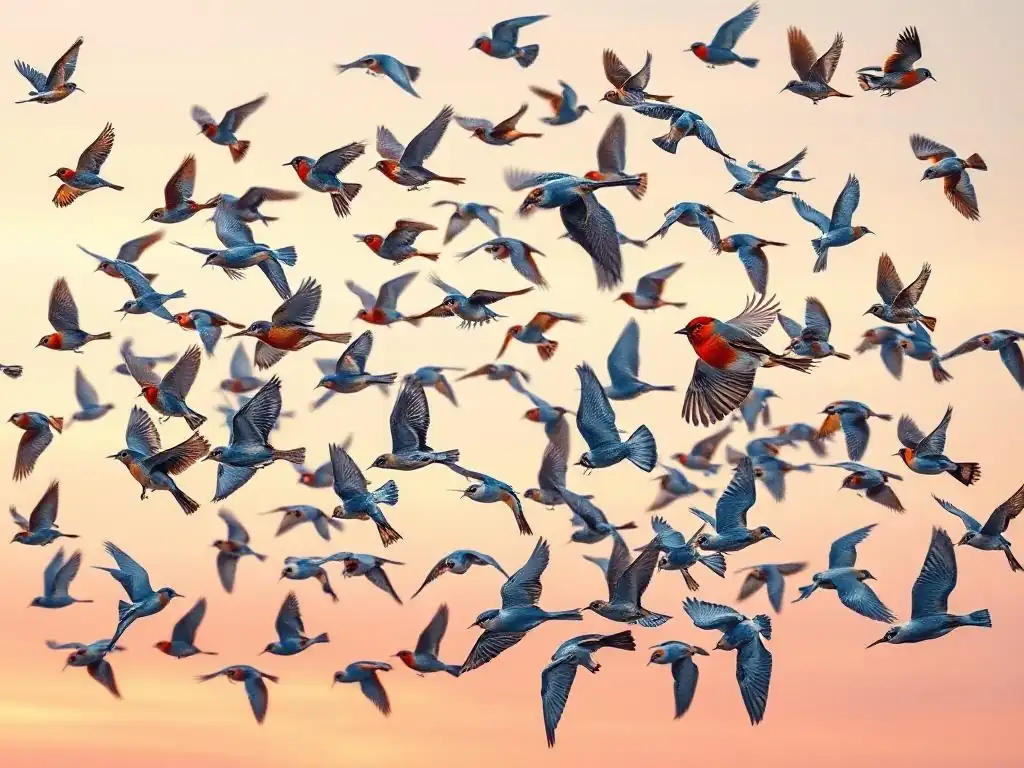
Birds flocking together offers a multitude of advantages, significantly impacting their survival and overall well-being. Understanding these benefits provides valuable insight into avian social structures and the intricate dynamics within bird communities. The advantages extend beyond simple safety in numbers; flocking provides crucial social, reproductive, and developmental benefits for birds of all ages and species.
This section will delve into the specific social advantages that birds gain from flocking behavior, examining the key roles of communication, cooperation, and learning within these complex social structures. The "why birds flock together benefits" question is multifaceted and deeply rooted in the evolutionary success of many bird species.
Communication and Information Sharing within Bird Flocks
Effective communication is paramount for the success of a bird flock. Flocks utilize a complex system of visual, auditory, and even olfactory signals to share vital information, enhancing their collective survival. For instance, alarm calls, a critical component of avian communication, swiftly alert flock members to the presence of predators. The speed and efficiency of this information transfer are crucial; a single bird's alarm call can trigger immediate evasive maneuvers in the entire flock, increasing the chances of survival for all.
Beyond predator warnings, birds also communicate about food sources. A bird discovering a rich patch of berries or insects will often signal its location to other flock members through specific calls or body language, leading to a collective foraging effort. This shared knowledge enhances foraging efficiency, leading to increased food intake for all participants. Furthermore, communication within flocks facilitates navigation and migration.
Experienced birds can guide younger or less experienced individuals, ensuring the successful completion of long and challenging migratory journeys. This collaborative approach minimizes risks and maximizes the chances of reaching favorable breeding or overwintering grounds. The intricate communication systems within bird flocks are a testament to their sophisticated social intelligence and cooperative nature. The efficiency and speed of information sharing are crucial factors contributing to their survival and reproductive success.
The social bonds within a bird flock extend far beyond simple information sharing; they are fundamental to reproductive success and overall survival. Strong social bonds, fostered through frequent interactions and mutual grooming, create a cohesive unit capable of collective defense and cooperative breeding. In many bird species, cooperative breeding involves multiple individuals contributing to the raising of young, enhancing the chances of offspring survival. This shared responsibility reduces the burden on individual parents and increases the overall reproductive output of the flock.
Cooperative breeding often involves helpers, typically older offspring or other related individuals, who assist with nest building, food provisioning, and chick defense. This division of labor allows parents to focus on producing more eggs, leading to larger brood sizes and higher reproductive success. The social bonds within the flock are essential for the coordination and success of cooperative breeding.
Trust and established hierarchies are crucial for the smooth functioning of this system, where individuals readily sacrifice their own reproductive potential to support the group's overall reproductive output. This highlights the profound interconnectedness and altruistic behaviors within bird communities, demonstrating that survival and reproduction are often collective endeavors.
For young birds, the flock represents a crucial learning environment, offering invaluable opportunities for socialization and skill development. Observing and interacting with adult birds allows young birds to learn essential survival skills, including foraging techniques, predator avoidance strategies, and appropriate social behaviors. This observational learning is a highly efficient method of knowledge transfer, enabling young birds to quickly acquire the necessary skills to thrive in their environment.
Furthermore, the flock provides a safe and supportive environment for young birds to practice and refine their social skills. Interactions with other young birds and adults help establish social hierarchies and develop communication patterns. This early socialization is vital for future reproductive success and integration into the flock's social dynamics.
The absence of a flock during this critical developmental period can significantly impair a young bird's ability to survive and reproduce independently. The flock, therefore, serves as a crucial social and educational hub, ensuring the successful transmission of knowledge and behaviors across generations, contributing to the long-term survival of the species. The benefits of flocking for young birds are undeniable, shaping their development and ultimately determining their success in the wild.
Different Types of Bird Flocks and Their Unique Behaviors
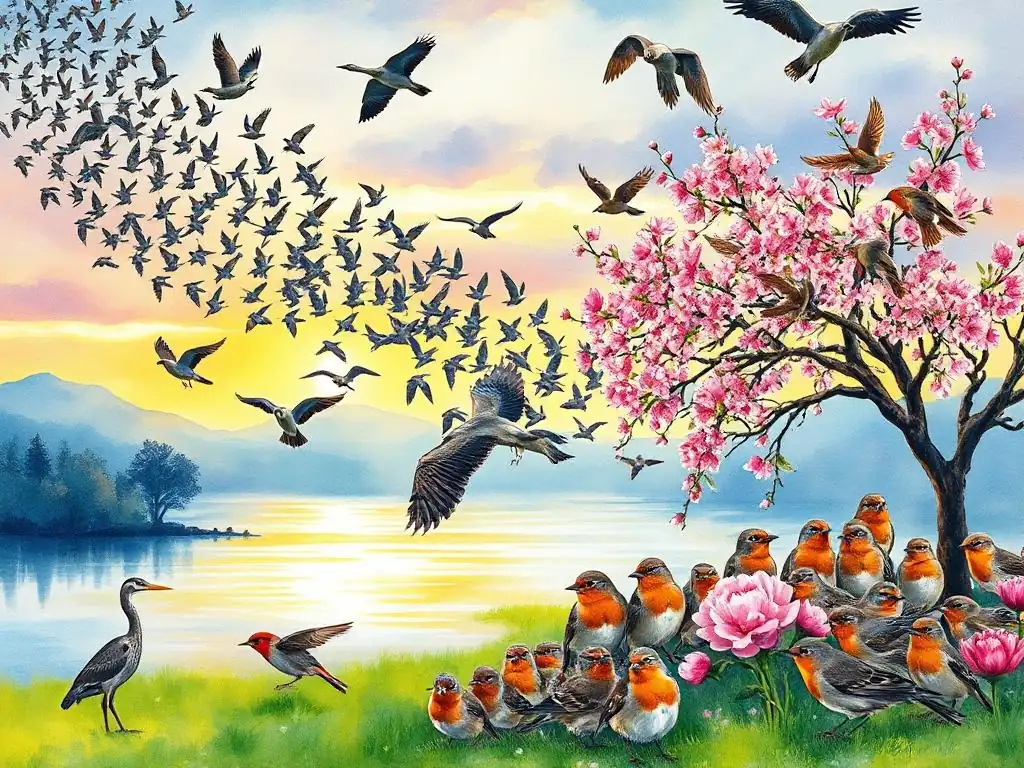
Understanding why birds flock together requires examining the diverse ways birds organize themselves. The term "flock" encompasses a wide range of social structures, each with its own unique characteristics. These differences aren't just about size; they reflect variations in species-specific behaviors, environmental pressures, and the overall goals of flocking. The benefits of flocking, therefore, are multifaceted and depend on the particular type of flock being observed.
Exploring the Variety of Flock Structures and Sizes in Birds
Bird flocks vary dramatically in size and composition. Some species form massive flocks numbering in the hundreds of thousands, like starlings during their murmuration displays. These immense aggregations offer unparalleled protection against predators through a phenomenon known as "dilution effect," where the chance of any single individual being targeted is significantly reduced. Conversely, other species form smaller, more tightly knit family groups or breeding pairs, offering a different set of advantages, such as enhanced cooperative breeding and parental care.
The size and structure of the flock often correlate with the species' ecological niche and the threats it faces. For instance, smaller, more agile birds might form smaller, more maneuverable flocks to evade predators effectively. Larger birds, with less need for rapid evasion, might form larger flocks, primarily for foraging efficiency.
The organization within these flocks also differs. Some are highly structured, with clear leadership hierarchies and defined roles for individual birds. Others are more fluid and loosely organized, with birds constantly shifting positions and interactions. Consider the difference between a tightly-knit flock of geese, where individuals maintain specific positions in flight formation, and a more loosely organized flock of pigeons in a city square.
Both are flocks, but their internal dynamics and the benefits they derive differ significantly. Further research is needed to fully understand the nuances of flock structures in lesser-studied bird species. [Specific information pending on less-studied flock structures]
Social hierarchies are common within many bird flocks, often determined by factors such as age, size, strength, and experience. Dominant individuals generally have preferential access to resources like food, mates, and nesting sites. This hierarchy isn't necessarily rigid; it can be fluid, shifting in response to changing circumstances or challenges. The benefits of this hierarchical structure include efficient resource allocation and reduced conflict within the flock. Subordinate individuals, while having less access to prime resources, still benefit from the collective protection and foraging advantages offered by the flock.
For example, in some species, the dominant male will lead the flock during foraging expeditions, guiding the group to the most productive areas. Subordinate males and females will follow, benefiting from the leader's knowledge and experience. This division of labor maximizes the flock's overall foraging success. Understanding these social dynamics is crucial to appreciating the complex interplay of cooperation and competition that drives flock behavior. Further study is needed to examine the impact of environmental stress on these hierarchies and the subsequent effects on flock cohesion. [Data on environmental impact on bird flock hierarchies pending]
Understanding the Communication Methods Used in Different Bird Flocks
Effective communication is vital for maintaining flock cohesion and coordinating activities. Birds utilize a diverse range of signals, including visual displays, vocalizations, and even olfactory cues. These communication methods vary widely across different species and flock types. The benefits of efficient communication include improved predator detection, coordinated foraging, and successful navigation.
Visual signals, such as posture, wing movements, and feather displays, often convey information about an individual's status, intentions, or the presence of danger. Vocalizations, ranging from simple chirps to complex songs, serve a variety of functions, including alerting the flock to potential threats, coordinating movements during flight, and maintaining contact among individuals. Some species even use scent marking to establish territories or communicate information about food sources.
The complexity of these communication systems reflects the sophistication of social interactions within the flock, highlighting the importance of communication in the overall success and survival of the group. More research is needed to decipher the full range of communication signals used by various bird species and how these signals adapt to different environmental conditions. [Further research needed on the nuances of bird communication in diverse environments]
The Challenges and Disadvantages of Flocking Behavior
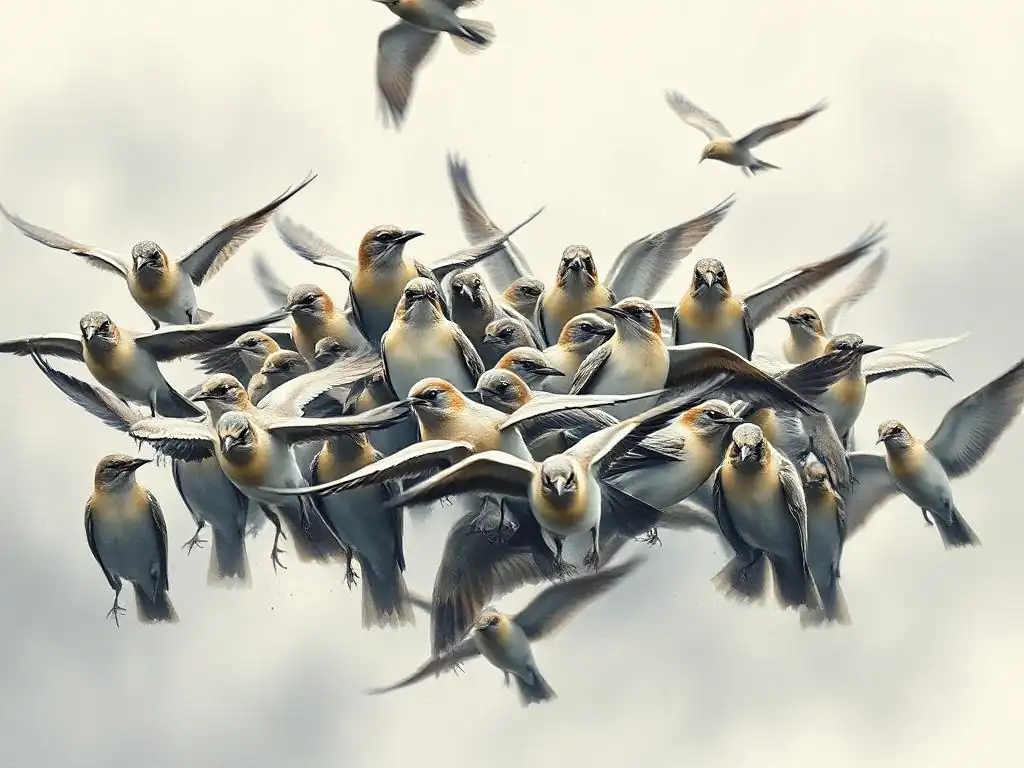
While flocking offers numerous advantages for birds, it's crucial to understand that it's not without its drawbacks. Life in a large, dense group presents several challenges that individual birds must overcome to survive and thrive. Understanding these disadvantages provides a more complete picture of the complex social dynamics within avian communities and helps us appreciate the intricate balancing act birds perform to maximize benefits while minimizing risks. The benefits of flocking, while significant, are not universally positive and come at a cost. Let's delve into some of these significant challenges.
Competition for Resources and Mates Within Bird Flocks
Competition is a fundamental aspect of life, and bird flocks are no exception. The very concentration of individuals that provides safety and foraging efficiency also intensifies competition for limited resources. Food, especially during lean times or in densely populated areas, becomes a source of conflict.
Dominant birds often secure the best feeding spots and the most nutritious food items, leaving subordinate individuals to scavenge for scraps or risk confrontation. This competition isn't limited to food; prime nesting sites and potential mates are also highly sought after, leading to aggressive interactions and hierarchical structures within the flock. For example, studies on [specific bird species pending] have shown a clear correlation between dominance rank and reproductive success, with higher-ranking males securing more mates and producing more offspring.
This competitive dynamic, while a natural aspect of flocking, can significantly impact individual fitness and survival. The intensity of this competition can vary depending on factors such as flock size, resource availability, and the species-specific social structure. Smaller, more cohesive flocks might exhibit less intense competition than larger, more loosely organized groups.
Increased Risk of Disease Transmission in Dense Bird Populations
The close proximity of birds within a flock facilitates the rapid spread of diseases and parasites. A single infected individual can quickly transmit pathogens to numerous others through direct contact, fecal contamination, or airborne droplets. This phenomenon is particularly pronounced in dense populations, where the likelihood of contact and transmission is dramatically increased.
Outbreaks of avian influenza, for instance, often severely impact large flocks, leading to significant mortality. The impact of disease transmission on bird populations is a considerable challenge, highlighting the inherent trade-off between the benefits of flocking and the heightened risk of disease. This risk is further exacerbated by factors such as stress, malnutrition, and environmental conditions that can compromise the birds' immune systems, making them more susceptible to infection.
Effective disease management strategies, including vaccination programs and biosecurity measures, are crucial for mitigating this risk, particularly in captive or managed bird populations. Further research into the specific mechanisms of disease transmission within different bird species is crucial to develop more effective strategies for disease prevention and control.
The Impact of Human Activity on Bird Flocking Behavior
Human activity significantly influences bird flocking behavior, often with negative consequences. Habitat loss and fragmentation force birds into smaller, more isolated flocks, reducing foraging efficiency and increasing competition. The presence of humans can also disrupt foraging patterns, causing birds to spend more energy searching for food and less time engaging in other crucial activities like breeding or resting.
Furthermore, pollution, including noise and light pollution, can disrupt communication and navigation within flocks, potentially leading to disorientation and increased vulnerability to predation. The use of pesticides and other harmful chemicals can also negatively impact bird health and reproductive success, further challenging the viability of already stressed flocks.
Understanding the impact of human activity on bird flocking behavior is crucial for developing effective conservation strategies aimed at protecting these vital avian communities. Mitigation strategies should focus on habitat restoration, minimizing human disturbance, and reducing pollution to ensure the long-term survival of bird flocks and their biodiversity.
Frequently Asked Questions
Why do birds flock together?
Birds flock together for a variety of reasons, primarily for increased safety from predators. A larger group makes it harder for a predator to single out an individual. Improved foraging and enhanced mating opportunities are also significant benefits.
What are the disadvantages of flocking behavior?
While flocking offers many advantages, there are also downsides. Increased competition for food and mates can be intense within a large flock. Disease transmission is also more likely in dense groups.
How do birds coordinate their movements in a flock?
Birds use a combination of visual cues, such as watching their neighbors, and auditory signals to maintain formation and avoid collisions. Individual birds adjust their flight path constantly based on the movements of nearby birds.
Do all bird species flock?
No, not all bird species flock. Many species are solitary or live in small family groups. Flocking behavior is most common in species that benefit most from the advantages mentioned above.
What are some examples of birds known for their large flocks?
Starlings are famous for their enormous murmurations, sometimes numbering in the millions. Other examples include red-winged blackbirds and European goldfinches, which often gather in large flocks, especially during migration or foraging.
Final Reflection: The Enduring Mystery and Marvel of Avian Aggregation
The intricate dance of birds flocking, far from being a mere spectacle, offers profound insights into the power of collective behavior and its survival benefits. Understanding why birds flock together is not just a matter of scientific curiosity; it's a key to unlocking a deeper appreciation for the complex strategies employed by nature to ensure survival and prosperity in a challenging world. This knowledge holds relevance today as we grapple with our own collective challenges, from resource management to combating climate change.
The mesmerizing sight of a flock of starlings weaving intricate patterns across the sky continues to captivate and inspire. It's a testament to the power of simple rules leading to complex emergent behavior, a concept that resonates far beyond ornithology. The efficiency and safety found in collective action are undeniable, a truth echoed in the words of Margaret Mead: Never doubt that a small group of thoughtful, committed citizens can change the world; indeed, it's the only thing that ever has.
This quote speaks to the potential for collective action, mirroring the survival strategies seen in bird flocks, and reminding us of our own capacity for positive change through collaboration.
Consider the implications of this collective intelligence. Think about how the principles of flocking – efficiency, safety in numbers, and shared responsibility – can be applied to your own life and community. What collaborative efforts can you initiate? How can you leverage the power of collective action to achieve your goals and contribute to a more sustainable and harmonious future? Let the flight of the birds inspire you to find your own flock, to connect with others, and to work together towards a brighter tomorrow.
Thanks for exploring the fascinating world of bird flocks! You've gained a deeper understanding of the complex reasons behind these mesmerizing gatherings. Ready to take your knowledge further?
- Become a Birdwatching Enthusiast: Grab your binoculars and visit your local park or nature reserve to observe flocks firsthand. Note their behavior, flight patterns, and the species involved. You might even discover a new favorite bird!
- Share your newfound knowledge of birds with friends and family—spark their interest in these amazing creatures!
- Deepen your understanding by researching specific bird species and their unique flocking behaviors. For example, you could investigate the coordinated movements of starlings or the complex social structures within a flock of parrots.
What surprising flocking behavior have you witnessed? Let's discuss it in the comments below!