The Best Perches and Toys for Parrots: A SpeciesSpecific Guide
😊 Discover the ultimate guide to enriching your parrot's life! PetCareWorld's expert "Best Parrot Perch & Toys" guide offers species-specific recommendations for…
Read article
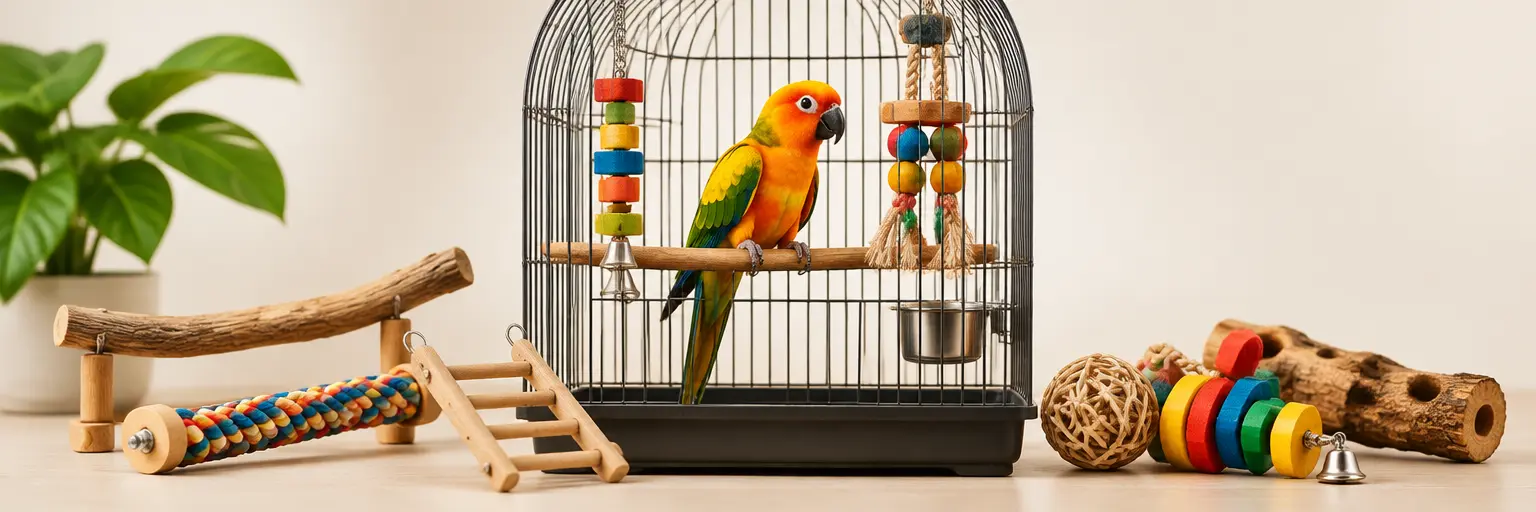
Transform your feathered friend’s habitat into a vibrant playground with our expertly curated selection of bird cage perches and toys. From natural wood branches that promote healthy feet and nail trimming to stimulating foraging puzzles, chewable toys, and colorful swings, we offer everything needed to boost your bird’s physical and mental well-being. Prevent boredom, reduce stress, and encourage natural behaviors like climbing, preening, and problem-solving—all while making their cage a safe, cozy, and exciting sanctuary. Designed for all species, from parakeets to cockatoos, each product is crafted with bird-safe, non-toxic materials and easy-to-mount designs. Elevate your pet’s daily life with durable, engaging essentials that keep them active, happy, and thriving—because a busy bird is a healthy bird.
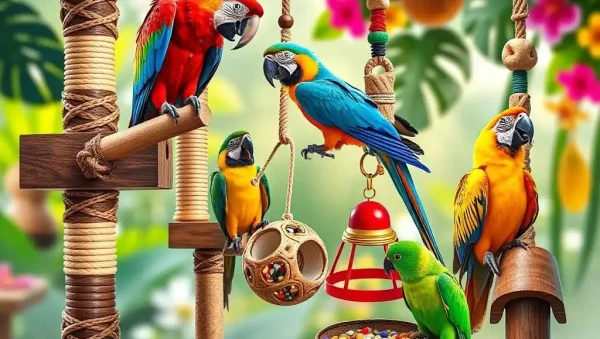
😊 Discover the ultimate guide to enriching your parrot's life! PetCareWorld's expert "Best Parrot Perch & Toys" guide offers species-specific recommendations for…
Read article
🤔 Stimulate your feathered friend's mind! Discover the best bird puzzle toys at PetCareWorld, enriching your bird's life with engaging challenges that…
Read article
🤔 Maximize your feathered friend's fitness! Discover the best bird toy perch placement strategies for encouraging natural movement and preventing boredom, ensuring…
Read articleWelcome to our dedicated guide on Bird Cage Perches and Toys, a core pillar of responsible bird care. At PetCareWorld, we understand that a cage is more than just a shelter—it’s your feathered friend’s entire universe. Choosing the right perches and toys directly impacts your bird’s physical health, mental stimulation, and overall happiness. This subcategory provides expert reviews, safety tips, and enrichment strategies to help you create a vibrant, stress-free environment for your companion, whether you own a small budgie or a large macaw.
Natural wood perches are non-negotiable for preventing bumblefoot, arthritis, and pressure sores. Unlike uniform dowel rods, natural branches offer varying diameters that exercise your bird’s feet and promote proper blood circulation. Look for bird-safe woods like manzanita, java, and eucalyptus, which are durable and easy to clean. Avoid sandpaper covers, as they can cause abrasions and skin irritation.
Rope and cement perches serve distinct purposes. Rope perches provide a soft, flexible grip that reduces joint stress, but they must be checked for frayed threads that could entangle toes. Cement perches help trim nails and beaks naturally, but they should be positioned as a secondary option, not the only perch in the cage. A mix of materials, placed at varying heights and angles, mimics the wild and keeps your bird’s feet engaged throughout the day.
Foraging is an instinctive behavior that prevents feather plucking, screaming, and other stress-related issues. High-quality foraging toys hide treats inside compartments, puzzles, or shreddable paper, encouraging your bird to work for its food. This simple activity can burn mental energy and reduce boredom dramatically. Start with easy tasks, like a loosely wrapped paper cup, and gradually increase complexity to match your bird’s problem-solving skills.
Rotating toys weekly is essential—birds are intelligent and quickly lose interest in the same puzzle. Invest in toys that allow you to refill with healthy treats like millet, nuts, or dried fruit. For species like African greys and cockatoos, advanced foraging wheels or wooden blocks with hidden holes provide hours of engaging challenge. A mentally stimulated bird is a calmer, more social companion, making foraging toys a vital investment for any bird owner.
Birds have a powerful urge to shred, chew, and destroy—this is how they maintain their beaks and explore their environment. Without proper chew toys, your bird may turn to your furniture, baseboards, or even its own feathers. Provide a steady supply of safe destructibles like balsa wood, pine, sola, and palm leaf. These materials are soft enough to satisfy chewing without splintering dangerously. Avoid toys with toxic dyes, glues, or small metal parts that can be ingested.
Incorporating paper-based toys, such as crinkle shredders or cardboard rolls, offers a cost-effective and endlessly replaceable option. Monitor chewed toys regularly to remove any worn or broken pieces that could become a choking hazard. For larger birds, leather and rope toys provide a satisfying texture, but always supervise the first few sessions to confirm your bird’s chewing style is safe. Chewing not only promotes beak health but also reduces aggression and destructive behaviors.
Interactive toys, including swings, ladders, and bells, encourage physical activity and acrobatic play, which is crucial for muscle development and weight management. A well-equipped cage should have multiple levels and hanging toys that prompt your bird to climb, balance, and swing. Swings, in particular, provide a sense of security and motion that mimics tree branches swaying in the breeze, reducing anxiety in new environments.
Mirror toys are a double-edged sword. While they can offer companionship for some birds, they may trigger hormonal aggression in others. For single birds, a mirror can serve as a temporary “friend,” but it’s best to limit exposure and observe behavior. Foot toys—small objects your bird can pick up and toss—are excellent for manual dexterity and can be rotated easily. Engage with your bird directly during playtime outside the cage, using these toys to reinforce trust and positive interaction with you.
Before purchasing any perch or toy, always review the material safety. Avoid galvanized metal, lead-based paints, and any parts smaller than your bird’s beak. Dyed wood may contain harmful chemicals, so opt for natural, untreated products. Inspect all toys for sharp edges, loose screws, or insecure hooks that could trap a bird. A good rule of thumb is that if you can pinch your finger in it, your bird’s beak or foot can get stuck too.
Regular inspection is non-negotiable. Check perches for cracks, mold, or excessive wear weekly. Rope perches should be washed and dried thoroughly to prevent bacterial growth. Discard any toy that becomes a hazard—a bird’s safety is not worth the cost of replacement. Always purchase from reputable brands that list their materials and follow avian safety standards. By being vigilant, you can provide a stimulating yet secure habitat that your bird will thrive in for years.
Replace wooden perches every 6-12 months, or sooner if you notice deep chew marks or splinters. Rope perches should be replaced every 3-4 months or when fraying appears. Toys should be rotated weekly, and any destroyed or damaged item must be swapped out immediately to prevent injury or ingestion.
Yes, but only from bird-safe trees like apple, willow, or maple, and never from toxic species like cherry or oleander. Branches must be thoroughly washed, baked at 200°F for 30 minutes to kill pests, and dried before use. Avoid any branches that have been treated with pesticides or are near roadways.
For birds with bumblefoot or arthritis, soft rope or fleece-wrapped perches provide the most cushioning and reduce pressure points. Additionally, a flat platform perch allows them to rest completely. Always consult an avian vet and avoid hard, uniform dowels that exacerbate joint pain.
Foraging toys are excellent for all birds, regardless of age or species. Even simple treat-dispensing balls or shreddable paper cups work wonders. Begin with easy challenges and adjust complexity based on your bird’s interest and skill level. A bored bird is a destructive bird, so foraging is universally beneficial.
Food-grade, non-toxic plastic toys can be safe, but they are not the best choice for heavy chewers who may break off and swallow sharp pieces. For destructive birds, prioritize soft wood and natural fibers. If using plastic, inspect it regularly for cracks and remove it at the first sign of wear.