Bird Cage Water Dish Maintenance: Preventing Bacteria Growth
😊 Prevent bacterial growth and keep your feathered friend healthy! Clean bird water dishes daily to ensure fresh, safe drinking water. Neglecting…
Read article
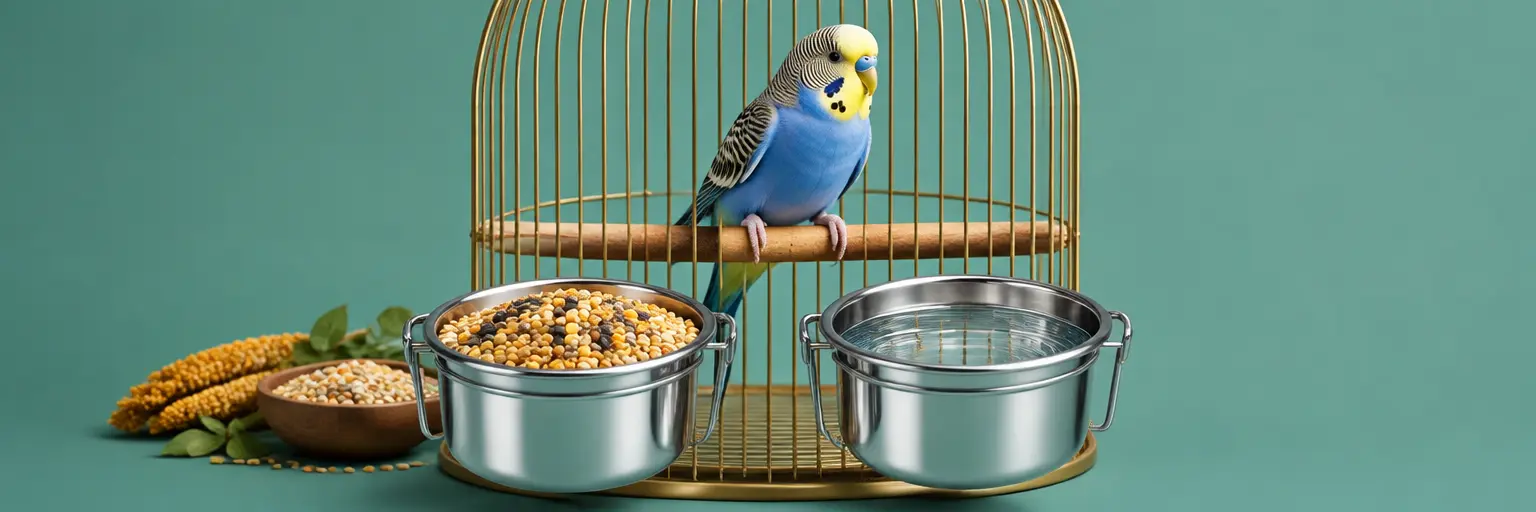
Ensure your feathered friend stays hydrated and well-fed with the right bird cage food and water dishes—essential for maintaining hygiene, health, and happiness in any avian habitat. From heavy ceramic bowls that resist tipping to easy-to-clean stainless steel options and space-saving corner cups, the ideal dish prevents contamination, reduces waste, and simplifies your daily care routine. Look for secure mounting systems, chew-proof materials, and dishwasher-safe designs to save time while keeping bacteria and droppings at bay. Whether you have a curious cockatiel, a playful parakeet, or a majestic macaw, choosing the right feeders and waterers supports natural feeding behavior and prevents spillage that can soil cage floors. Prioritize non-toxic, BPA-free materials and proper sizes to avoid overcrowding, ensuring every bird has easy access. Upgrade your bird care setup today with smart, durable dishes that make feeding time cleaner, safer, and more enjoyable for both you and your beloved pet.
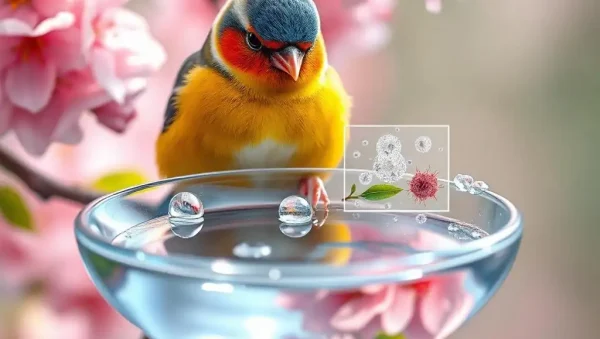
😊 Prevent bacterial growth and keep your feathered friend healthy! Clean bird water dishes daily to ensure fresh, safe drinking water. Neglecting…
Read article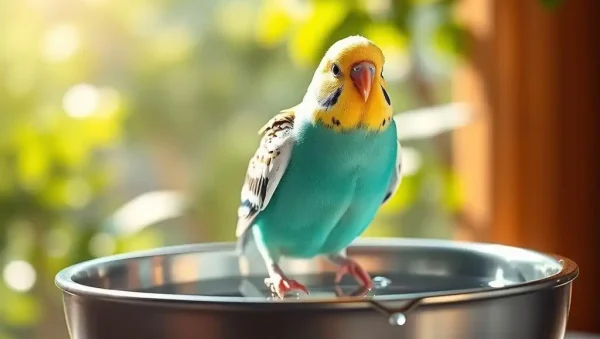
🤔 Ensure your feathered friend stays hydrated! This guide from PetCareWorld reveals the optimal water dish size for your bird, covering crucial…
Read article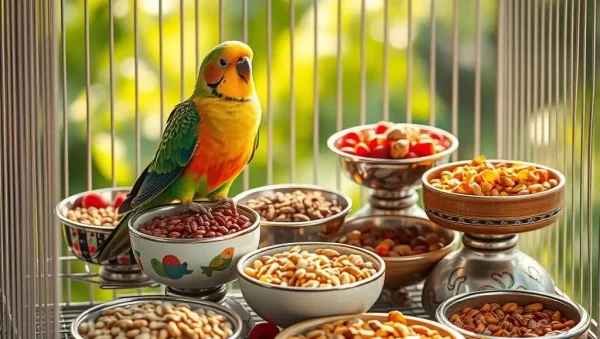
😊 Choosing the right food and water dishes is crucial for your bird's health. This guide explores essential features to consider when…
Read articleAt PetCareWorld, we understand that the right bird cage food and water dishes are not just accessories but critical components of your bird's health, hygiene, and daily happiness. From durable stainless steel bowls that resist bacteria to lockable feeders that prevent messy spills, this subcategory covers everything you need to create a clean, accessible, and safe feeding station inside your avian companion's habitat. Below, we break down the most important aspects of selecting, using, and maintaining these essential bird care products.
The material of your bird's dishes directly impacts hygiene, durability, and safety. Stainless steel is the gold standard because it is non-porous, easy to sanitize, and resists chewing damage from beaks. Ceramic bowls offer heavier weight to prevent tipping and come in appealing designs, but ensure they are lead-free and chip-resistant. Plastic dishes are lightweight and inexpensive, yet they can harbor scratches where bacteria thrive and may break under aggressive parrots.
For optimal bird care, we recommend prioritizing stainless steel for daily food and water, especially for species like cockatiels, parakeets, and conures. Ceramic is a lovely alternative for larger birds but always inspect for glazing defects. Avoid plastic if your bird is a heavy chewer, as ingested fragments pose serious digestive risks. Regardless of choice, wipe and wash dishes daily with hot, soapy water to prevent mold and bacterial growth.
A messy cage is not only unsightly but can lead to wet bedding, spoiled food, and bacterial growth. No-spill dishes feature deep rims, hoods, or weighted bases that minimize splashing and tossing. Anti-tip bowls are particularly crucial for active birds that love to perch on the rim. Look for dishes with quick-release clips or locking mounts that attach securely to cage bars, preventing your feathered friend from flipping the container during playtime.
Investing in cage-mounted food cups with external access doors allows you to refill and clean without opening the main cage door, reducing stress for shy birds. For water, consider sipper bottles or gravity-fed dispensers that release fresh water on demand, cutting down on evaporation and contamination. These designs are not only practical but also encourage natural drinking behaviors, ensuring your bird stays fully hydrated throughout the day.
Not all bird beaks and feeding habits are the same. Small finches and canaries require shallow, narrow dishes to prevent drowning or accidental submersion. Parrots and cockatoos need deeper, wider bowls that can hold pellets, fresh fruits, and vegetables without spilling. A common mistake is choosing a dish that is too deep for a small bird, causing them to strain or fall inside. Conversely, a shallow dish for a large macaw leads to constant wasted food.
Consider your bird's foraging behavior: some species prefer to dunk their food in water, necessitating a separate, larger water bowl. Others, like budgies, scatter seeds, so a bowl with a seed catcher skirt or a covered feeder minimizes mess. Always measure your cage bar spacing and door opening before purchasing. A well-fitted dish reduces stress and encourages your bird to eat a balanced diet, which is the foundation of bird care excellence.
Dirty food and water dishes are prime breeding grounds for Salmonella, E. coli, and Aspergillus, all of which can be fatal to birds. Daily cleaning is non-negotiable. Remove all leftover food, rinse the dish with hot water, and use a dedicated bird-safe disinfectant or a vinegar-water solution (1:3 ratio). Never use harsh chemicals like bleach or ammonia, as residues can poison your pet. A separate scrub brush should be reserved only for bird dishes to avoid cross-contamination.
For optimal hygiene, have two complete sets of dishes so you can rotate them while one set air-dries. Stainless steel can go in the dishwasher (top rack, no detergent residue) but ceramic may crack. Inspect dishes weekly for cracks or scratches and replace any damaged pieces immediately. Remember that water should be changed at least twice daily, especially in warmer climates or if your bird bathes in its bowl. Cleanliness is the single most effective preventive measure for avian illness.
For busy pet owners or species with specific dietary needs, automatic dispensers are a game-changer. Gravity-fed feeders continuously refill a bowl as your bird eats, which is perfect for dry seeds and pellets. However, be cautious with moist foods like fruits or mashed vegetables, which spoil quickly in these hoppers. Nectar cups, designed for lorikeets and hummingbirds, feature small feeding ports and leak-proof bases to handle sugary liquids without dripping.
Some advanced dispensers include timed portions to control your bird's weight, but always verify that the mechanism is chew-resistant and easy to disassemble for cleaning. For water, automatic waterers with float valves maintain a constant level, though they require weekly deep cleaning of the reservoir. When using any dispenser, monitor your bird's intake for the first few days to ensure they are adapting well and not overeating or becoming dehydrated. A balanced approach combines manual fresh offerings with automated convenience.
At minimum, provide one dish for dry food, one for fresh food, and one for water. For bonding pairs or multiple birds, add one extra dish per bird to prevent food guarding. Always ensure that dishes are placed at different heights and locations in the cage to encourage natural movement and reduce territorial disputes.
While possible, human bowls often lack the depth, weight, and attachment mechanisms needed for cage use. They may tip over easily, and some ceramics contain lead-based glazes. It's safer to use dishes specifically designed for birds, which are tested for beak resistance, easy mounting, and chew-safe materials.
Wash the water dish daily with hot, soapy water using a dedicated brush. Rinse thoroughly to remove all soap residue. Once a week, soak the dish in a 10% vinegar solution for 15 minutes, then rinse and air-dry completely. Never reuse the same cloth or sponge used for human dishes to avoid cross-contamination.
Ceramic dishes are generally safe but must be free of chips, cracks, and lead-based paints. For large parrots with strong beaks, ceramic can shatter into sharp pieces, posing injury risks. For such species, prefer high-grade stainless steel. For smaller birds, ceramic is excellent for weight and stability.
Replace dishes every 6-12 months or immediately if you notice any cracks, deep scratches, or discoloration that cannot be removed. Plastic dishes should be replaced more frequently, often every 3-6 months, due to wear. Regular replacement ensures no hidden bacterial harbors and maintains optimal safety for your feathered companion.