
Dairy Dilemma: Why Milk and Cheese Are Bad News for Birds

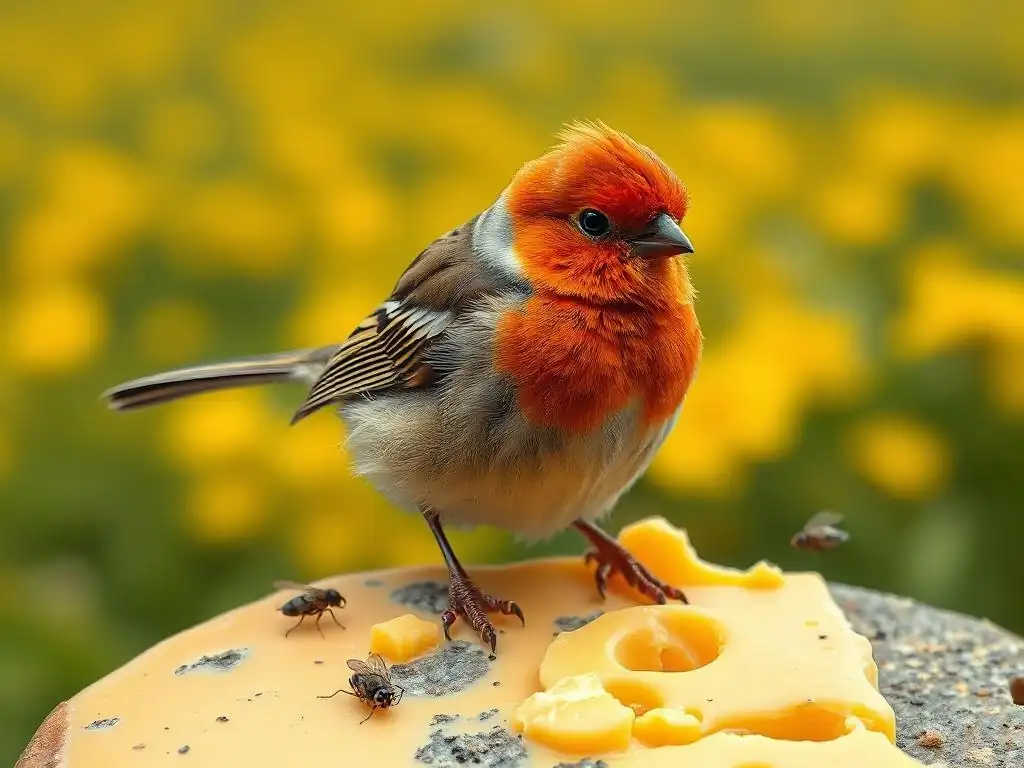
Welcome to PetCareWorld, your ultimate guide to happy and healthy pets! Are you concerned about your feathered friend's diet? We delve into a crucial topic affecting avian well-being: Birds, milk, cheese, and the health problems they can cause. Discover the surprising dangers lurking in seemingly harmless dairy products and learn how to ensure your bird receives the optimal nutrition they need to thrive. Dive in and unlock the secrets to a longer, healthier life for your beloved bird!
- Understanding the Dangers of Dairy for Birds: Milk and Cheese Toxicity
- Specific Health Problems Caused by Dairy in Birds: Birds Milk Cheese Health Problems
- Safe Alternatives to Dairy for Birds: Nutritional Needs and Dietary Adjustments
- Preventing Dairy Exposure in Birds: Household Safety and Pet Care
- Identifying and Treating Dairy Poisoning in Birds: Emergency Protocols
- When to Seek Veterinary Care for Your Bird: Recognizing Serious Symptoms
- Frequently Asked Questions
- Final Reflection: A Dairy-Free Future for Our Feathered Friends
- Unlock Your Bird's Healthiest Future
Understanding the Dangers of Dairy for Birds: Milk and Cheese Toxicity
Dairy products, a staple in many human diets, represent a significant health risk for our feathered friends. This article delves into the reasons why milk and cheese are toxic to birds, exploring the physiological limitations that prevent their proper digestion and highlighting the potential health consequences of dairy consumption. Understanding these dangers is crucial for responsible bird ownership, ensuring the well-being and longevity of your avian companion.
We'll examine the specific issues related to lactose intolerance, explore the various ways dairy impacts bird health, and list common dairy products that should be strictly avoided, offering safer alternatives for treating your beloved bird. This guide aims to equip you with the knowledge necessary to make informed dietary choices for your bird, ultimately contributing to a healthier and happier life for your pet.
Let's dive into the "Dairy Dilemma" and uncover the truth about why milk and cheese are bad news for birds. 🐦🚫🥛
Why Birds Can't Digest Dairy: Lactose Intolerance in Avian Species
Birds, unlike mammals, lack the necessary enzyme, lactase, required to break down lactose, the primary sugar in milk and dairy products. This inherent lactose intolerance means that consuming dairy results in undigested lactose passing through their digestive system. This undigested lactose can lead to a cascade of negative effects.
The gut bacteria ferment the lactose, producing gases that cause bloating, discomfort, and potentially more serious digestive issues. This process also leads to diarrhea, dehydration, and in severe cases, can even contribute to more significant health problems. The inability to properly process lactose isn't just about discomfort; it directly impacts the bird's ability to absorb essential nutrients from its diet, leading to nutritional deficiencies.
The severity of the reaction can vary depending on the amount of dairy consumed and the individual bird's sensitivity. Smaller birds are often more susceptible to severe reactions due to their smaller body size and delicate digestive systems.
The Impact of Dairy Consumption on Bird Health: Digestive Issues and More
The consequences of feeding dairy to birds extend far beyond simple digestive upset. While diarrhea and bloating are common initial symptoms, prolonged or repeated dairy consumption can lead to more serious health complications. These can include:
- Malnutrition: The inability to properly digest and absorb nutrients from food due to the digestive distress caused by dairy leads to nutritional deficiencies.
- Dehydration: Severe diarrhea resulting from dairy ingestion causes significant fluid loss, leading to dehydration, a critical condition in birds.
- Weakened Immune System: Chronic digestive problems compromise the bird's immune system, making it more vulnerable to infections and illnesses.
- Pancreatitis: In some cases, dairy consumption can trigger pancreatitis, a serious inflammation of the pancreas, which can be life-threatening.
- Death: In extreme cases of severe digestive upset, dehydration, and secondary infections, dairy consumption can unfortunately result in the death of the bird.
It's crucial to remember that even small amounts of dairy can trigger these negative reactions in birds. Therefore, complete avoidance is the safest approach.
Common Dairy Products Toxic to Birds: Milk, Cheese, Yogurt, and Alternatives
Many common dairy products pose a significant threat to birds. These include:
| Product | Toxicity Level | Potential Effects | Safe Alternatives |
|---|---|---|---|
| Cow's Milk | High | Severe diarrhea, bloating, dehydration, malnutrition | Water, bird-specific electrolyte solutions |
| Goat's Milk | High | Similar to cow's milk | Water, bird-specific electrolyte solutions |
| Cheese (all types) | High | Similar to milk, potential for fat-related issues | Seeds, nuts (in moderation), cooked vegetables |
| Yogurt | Medium | Digestive upset, potential for bacterial imbalance | Plain cooked vegetables, fruits (in moderation) |
| Ice Cream | High | All negative effects of dairy, plus high sugar content | None |
Remember, even seemingly harmless dairy-containing products like some flavored crackers or cakes should be avoided. Always check ingredient lists carefully before offering any human food to your bird. Providing a balanced and bird-specific diet is crucial for maintaining their health and well-being. When in doubt, consult with an avian veterinarian for guidance on appropriate food choices.
Specific Health Problems Caused by Dairy in Birds: Birds Milk Cheese Health Problems
Dairy products, including milk and cheese, pose significant health risks to birds. Their digestive systems are not equipped to process lactose, the primary sugar in milk. This inability to digest lactose leads to a cascade of problems, impacting their gastrointestinal health, metabolism, and overall well-being.
Understanding these risks is crucial for responsible bird ownership, allowing owners to make informed dietary choices that promote their feathered friends' health and longevity. This section delves into the specific health problems associated with dairy consumption in birds, providing crucial information for preventing and managing these issues. Remember, always consult an avian veterinarian for any concerns about your bird's health.
Digestive Upsets and Gastrointestinal Distress in Birds: Symptoms and Treatment
The most immediate and common problem associated with dairy consumption in birds is digestive upset. Lactose intolerance manifests as various gastrointestinal distress symptoms. These include bloating, abdominal discomfort, vomiting, and changes in stool consistency and frequency. Birds may exhibit lethargy, ruffled feathers, and a decreased appetite. The severity of these symptoms can vary depending on the amount of dairy consumed and the individual bird's sensitivity.
Some birds might experience mild discomfort, while others may suffer severe gastrointestinal distress requiring veterinary intervention. Early detection is key. If you suspect your bird has consumed dairy and is exhibiting these symptoms, removing dairy from their diet is the first step. Providing access to fresh water to prevent dehydration is also critical. In severe cases, veterinary care is necessary, which may involve administering fluids intravenously and supportive medication to alleviate symptoms and prevent complications. Early intervention can significantly improve the chances of a full recovery.
Dairy-Induced Diarrhea and Dehydration in Birds: Prevention and Management
Dairy consumption can lead to severe diarrhea in birds. The undigested lactose draws water into the intestines, resulting in watery, loose stools. This diarrhea, if left untreated, can quickly lead to dehydration, a life-threatening condition in birds. Dehydration is characterized by sunken eyes, lethargy, loss of skin elasticity, and decreased crop fullness. Birds suffering from dehydration require immediate veterinary attention.
Preventing dairy-induced diarrhea involves strictly avoiding dairy products in your bird's diet. Offering a balanced diet rich in appropriate fruits, vegetables, and birdseed mixes specifically formulated for their species is crucial. Always check the ingredients of any commercial bird food to ensure it's dairy-free. Regular monitoring of your bird's stool consistency is also advisable. Any significant changes should prompt a veterinary consultation. Early detection and management of diarrhea can significantly reduce the risk of dehydration and improve the bird's prognosis.
The Link Between Dairy and Metabolic Disorders in Birds: Long-Term Health Concerns
While digestive upset is an immediate concern, the long-term effects of dairy consumption on a bird's metabolism can be equally detrimental. The prolonged intake of lactose can strain the bird's digestive system, potentially leading to metabolic imbalances. These imbalances can manifest as weight loss, weakness, and a compromised immune system, making the bird more susceptible to infections and other illnesses. The exact nature and severity of these metabolic disorders can vary depending on factors such as the bird's species, age, and overall health.
Further research is needed to fully elucidate the long-term consequences of dairy consumption in birds. However, given the potential for digestive issues and metabolic imbalances, it's prudent to completely exclude dairy from a bird's diet. A well-balanced, species-appropriate diet is the cornerstone of preventative healthcare for birds. This proactive approach minimizes the risk of developing serious health problems and ensures a longer, healthier life for your avian companion. Remember, a balanced diet and regular veterinary checkups are essential for maintaining your bird's optimal health and well-being.
Safe Alternatives to Dairy for Birds: Nutritional Needs and Dietary Adjustments

Dairy products like milk and cheese present several health risks to birds, primarily due to their high lactose content and fat composition. Birds lack the necessary lactase enzyme to efficiently digest lactose, leading to digestive upset, diarrhea, and potentially more serious complications. The high fat content in many dairy products can also contribute to obesity, liver problems, and pancreatitis in birds. Therefore, completely avoiding dairy is crucial for maintaining their health and well-being.
Understanding a bird's specific nutritional needs is key to finding safe and effective alternatives. This section explores suitable replacements that provide the necessary nutrients without the harmful effects of dairy. We'll examine the best bird-safe foods and how to create a balanced diet to ensure your feathered friend thrives.
Best Bird-Safe Foods: Fruits, Vegetables, and Seeds for a Healthy Diet
A balanced diet for birds should include a variety of fresh fruits, vegetables, and seeds. These foods offer essential vitamins, minerals, and antioxidants crucial for maintaining optimal health. Avoid offering avocados, chocolate, caffeine, and alcohol, all of which are toxic to birds.
Here's a sample list of bird-safe options:
- Fruits: Apples (without seeds), bananas (in moderation), berries (blueberries, raspberries, strawberries), cantaloupe, grapes (in moderation), mangoes, oranges, papaya, peaches.
- Vegetables: Broccoli, carrots, cooked sweet potatoes, green beans, peas, spinach (in moderation), bell peppers.
- Seeds: Sunflower seeds (in moderation), pumpkin seeds, millet, safflower seeds. Note: Seeds should be offered in moderation due to their high fat content.
Remember to always wash produce thoroughly before offering it to your bird. Introduce new foods gradually to monitor for any adverse reactions. Variety is key to ensuring your bird receives a wide range of nutrients. Providing a diverse selection of these foods contributes to a balanced and healthy diet, eliminating the need for dairy products entirely. Observe your bird's preferences and adjust the diet accordingly, ensuring a good balance of nutrients. Monitoring their weight and droppings can provide valuable insights into their digestive health and the effectiveness of their diet.
Creating a Balanced Bird Diet: Essential Nutrients and Dietary Considerations
A balanced diet for birds requires careful consideration of various essential nutrients. While fruits, vegetables, and seeds provide many necessary elements, supplementing with commercially available bird food is often necessary. These formulated diets are designed to meet the specific nutritional requirements of different bird species. It's crucial to choose a high-quality, species-appropriate formula that is free from artificial colors, flavors, and preservatives.
| Nutrient | Importance | Sources |
|---|---|---|
| Protein | Essential for growth, feather development, and immune function. | Seeds, nuts, insects, commercial bird food |
| Carbohydrates | Provide energy. | Fruits, vegetables, grains |
| Fats | Provide energy and essential fatty acids. | Seeds, nuts (in moderation), commercial bird food |
| Vitamins & Minerals | Crucial for various bodily functions and overall health. | Fruits, vegetables, seeds, commercial bird food, potentially supplemental vitamins |
| Water | Essential for all bodily functions. | Fresh, clean water should always be available. |
The proportion of each nutrient will vary depending on the species and age of your bird. Always consult with an avian veterinarian to determine the best dietary plan for your specific pet. They can provide personalized recommendations based on your bird’s breed, age, and health status. Remember that a balanced diet is crucial for preventing health problems associated with nutritional deficiencies.
Supplements for Birds: When and How to Use Them to Support Health
While a well-balanced diet should provide most essential nutrients, there may be instances where supplementation is necessary. This is particularly true for birds with specific health conditions or those recovering from illness. Supplements should only be used under the guidance of an avian veterinarian. Improper use can lead to imbalances and potential harm.
For example, some birds may require vitamin D3 supplementation, especially those kept indoors with limited sunlight exposure. Others may benefit from probiotics to support gut health, particularly after experiencing digestive issues. However, it's crucial to note that over-supplementation can be just as detrimental as a deficiency.
Always follow the veterinarian's instructions carefully regarding dosage and administration. Never administer supplements without professional advice. The goal is to support the bird's overall health, not to replace a healthy, balanced diet. Regular veterinary checkups are essential for monitoring your bird's health and ensuring its nutritional needs are being met. This proactive approach helps maintain optimal health and prevents potential problems. Remember, prevention is key when it comes to your bird’s well-being.
Preventing Dairy Exposure in Birds: Household Safety and Pet Care
Dairy products pose a significant threat to avian health, making household safety a paramount concern for bird owners. The digestive systems of birds are uniquely sensitive and ill-equipped to process the lactose and fats found in milk, cheese, and other dairy products. Ingestion can lead to a range of health problems, from mild digestive upset to severe, life-threatening conditions. Proactive measures to prevent accidental exposure are crucial for ensuring the well-being of your feathered friends.
This involves not only secure storage of dairy products but also a comprehensive understanding of potential sources of dairy contamination within the home environment. Even seemingly innocuous items can harbor dairy residues, emphasizing the need for vigilant pet care practices. Remember, even small amounts of dairy can cause problems for birds, highlighting the importance of complete avoidance.
Safe Storage of Dairy Products: Keeping Birds Away from Dangerous Foods
Safeguarding dairy products from your birds requires a multi-pronged approach. Simply placing milk cartons or cheese blocks on high shelves isn't sufficient. Birds are surprisingly adept at reaching unexpected places. Consider these strategies:
- Airtight containers: Store all dairy products in securely sealed, airtight containers. This prevents the enticing aroma of milk or cheese from attracting birds. Opt for containers that are difficult for birds to open or tip over.
- Designated storage areas: Designate specific, inaccessible storage areas for dairy products—areas completely out of reach of your birds. This might involve using high cupboards with secure doors or locking cabinets.
- Regular cleaning: Regularly clean areas where dairy products are stored or have been stored. Even spilled drops can attract birds and pose a risk. Thorough cleaning eliminates traces of dairy residue.
- Supervision during meal times: Always supervise your birds during your own mealtimes. Accidental spills or dropped food items containing dairy can be quickly ingested by curious birds.
- Educating household members: Ensure all household members, including children, are aware of the dangers of dairy products for birds and the importance of responsible storage and handling. Educating everyone about the potential health problems associated with birds milk cheese consumption is key to preventing accidents.
This comprehensive approach minimizes the risk of accidental dairy ingestion and protects your bird's health. Remember, prevention is always the best approach when it comes to toxic food exposure in birds.
Identifying and Treating Dairy Poisoning in Birds: Emergency Protocols
Recognizing the symptoms of dairy poisoning in birds is critical for prompt intervention. Early detection significantly improves the chances of a successful recovery. Symptoms can vary in severity depending on the amount of dairy ingested and the bird's individual sensitivity. However, common signs include:
- Gastrointestinal distress: This often manifests as diarrhea, vomiting, or regurgitation. The droppings might appear watery or unusually foul-smelling.
- Lethargy and weakness: The bird may appear unusually tired, listless, and less active than usual. A decline in appetite is also a common sign.
- Dehydration: Prolonged diarrhea and vomiting can lead to dehydration, which is a serious concern for birds. Observe for signs of sunken eyes, dry skin, and reduced crop fullness.
- Abdominal discomfort: The bird might exhibit signs of abdominal pain, such as hunching, restlessness, or vocalizing in distress.
- Respiratory distress: In severe cases, dairy poisoning can lead to respiratory problems, including labored breathing and gasping for air.
Identifying and Treating Dairy Poisoning in Birds: Emergency Protocols
If you suspect your bird has ingested dairy products, immediate action is crucial. Contact an avian veterinarian immediately. While waiting for veterinary care, you can take some supportive measures:
- Remove access to dairy: Immediately remove any remaining dairy products from the bird's environment.
- Monitor closely: Carefully monitor your bird's condition, noting any changes in behavior or symptoms. Keep a record of the time of ingestion, the type of dairy product, and the observed symptoms. This information will be valuable for the veterinarian.
- Offer fresh water: Ensure your bird has access to fresh, clean water to help prevent dehydration.
- Do not induce vomiting: Unless explicitly instructed by a veterinarian, do not attempt to induce vomiting. This can cause further harm to your bird.
The treatment for dairy poisoning in birds varies depending on the severity of the case. It may involve supportive care such as fluid therapy, medication to alleviate gastrointestinal distress, and dietary management. Early and decisive action significantly improves the prognosis for your bird. Remember, prevention is key, but prompt veterinary care is essential if ingestion occurs. The health and well-being of your bird depends on your swift response and responsible pet care.
When to Seek Veterinary Care for Your Bird: Recognizing Serious Symptoms
Dairy products, while seemingly harmless to humans, can pose significant health risks to birds. Understanding when to seek veterinary attention is crucial for ensuring your feathered friend's well-being. Delaying treatment can lead to severe complications and potentially fatal outcomes. This section focuses on identifying symptoms that warrant immediate veterinary care, specifically those potentially linked to dairy ingestion. Early intervention is key in managing any adverse reactions to toxic foods like milk and cheese.
Ingestion of dairy products can trigger a range of symptoms in birds, some more severe than others. Recognizing the signs of distress is paramount. While mild digestive upset might manifest as lethargy or loose droppings, more serious symptoms require immediate veterinary attention. These emergency symptoms may include:
- Severe Diarrhea: Watery, profuse diarrhea that persists for more than a few hours is a serious concern. Dehydration can quickly set in, leading to life-threatening complications. The color and consistency of the droppings should be carefully observed; green or black droppings, for instance, may indicate internal bleeding.
- Vomiting: Repeated vomiting in birds is a sign of significant distress. It can indicate intestinal irritation or a more serious underlying condition. The vomitus itself should be examined for unusual color or consistency.
- Lethargy and Weakness: Excessive sleepiness, difficulty perching, or a noticeable decline in activity levels are all alarming signs. This could be due to dehydration, pain, or a systemic illness.
- Respiratory Distress: Difficulty breathing, gasping for air, or an unusual breathing pattern (open-mouthed breathing) requires immediate veterinary intervention. This might be a sign of an allergic reaction or a more serious condition.
- Seizures: Seizures are a very serious symptom and require immediate emergency care. They can be triggered by various factors, including ingestion of toxins.
- Loss of Appetite: A complete loss of appetite, especially when combined with other symptoms, should be considered a critical sign requiring prompt veterinary care. Birds are particularly susceptible to rapid weight loss.
A detailed record of your bird’s symptoms, including the timing of dairy ingestion (if known), is essential when contacting a veterinarian. Accurate observation and detailed reporting significantly aid in diagnosis and treatment. Don't hesitate to seek immediate veterinary care if you suspect your bird has ingested dairy products and is exhibiting any of these serious symptoms. Remember, early intervention greatly improves the chances of a positive outcome. The prompt attention your bird receives can be the difference between life and death. The keyword, "Birds milk cheese health problems," directly relates to this section's critical information.
Finding an Avian Veterinarian: Expert Care for Your Feathered Friend
Access to specialized avian veterinary care is crucial for treating birds effectively. Unlike mammals, birds have unique physiological needs and vulnerabilities. Finding an avian veterinarian experienced in treating birds affected by toxic ingestions is paramount. Your regular veterinarian may not have the specific expertise needed to address your bird's condition.
Locating a qualified avian veterinarian can be done through several avenues:
- Online Search Engines: Use specific search terms like "avian veterinarian near me" or "avian vet [your city/state]" to find qualified professionals in your area.
- Your Regular Veterinarian: Your regular veterinarian may be able to provide referrals to avian specialists in your region.
- Local Animal Shelters and Rescues: These organizations often have established relationships with experienced avian veterinarians and can offer valuable recommendations.
- Avian-Specific Organizations: National and regional organizations dedicated to avian welfare may maintain directories of avian veterinarians.
When contacting potential avian veterinarians, inquire about their experience in treating birds with ingested toxins and dairy-related illnesses. The expertise of the veterinarian is critical in ensuring your bird receives the best possible care. Choosing a veterinarian with specialized knowledge increases the chances of a successful recovery for your pet. Remember, seeking timely and specialized care is crucial when dealing with potential "Birds milk cheese health problems."
Frequently Asked Questions
Can birds drink milk?
No, birds should never drink milk. Their digestive systems aren't equipped to handle lactose, leading to diarrhea and other health problems. Water is their best beverage.
Is cheese harmful to birds?
Yes, cheese, like milk, contains lactose which is toxic to birds. It can cause digestive upset and other serious health issues. Avoid giving your bird any dairy products.
What are the symptoms of lactose intolerance in birds?
Symptoms include diarrhea, vomiting, lethargy, and abdominal discomfort. If you suspect your bird has ingested dairy, contact a veterinarian immediately.
Are there any dairy alternatives that are safe for birds?
No, there are no safe dairy alternatives for birds. Stick to a bird-specific diet formulated to meet their nutritional needs. Consult your avian vet for advice on supplementation.
My bird accidentally ate some cheese, what should I do?
Monitor your bird closely for signs of digestive upset. If you see any symptoms (diarrhea, vomiting, etc.), contact an avian veterinarian immediately for professional advice and treatment.
Final Reflection: A Dairy-Free Future for Our Feathered Friends
The alarming truth is that dairy consumption poses a significant, often overlooked, threat to bird populations. While we often focus on habitat loss and climate change, the impact of readily available dairy products on avian health deserves immediate attention. The consequences, from digestive distress to fatal complications, are far-reaching and demand a reevaluation of our relationship with these products.
The pervasive nature of dairy in our diets and its subsequent impact on the environment, indirectly affecting bird habitats and food sources, is a sobering realization. The fate of the earth depends on the fate of birds.
This quote, though not directly about dairy, highlights the interconnectedness of all living things and underscores the responsibility we bear in protecting them. Our choices, even seemingly small ones like what we consume, have cascading effects on the delicate balance of ecosystems, impacting the health and survival of countless bird species. We must consider the full circle of impact, from farm to table to the wild.
Consider the implications of this information. What changes can you make in your own life to reduce the negative impact of dairy consumption on birds? Perhaps it's a simple shift towards plant-based alternatives, or a conscious effort to reduce your overall dairy intake. Every small step counts. Let us strive to create a future where our love for birds translates into responsible choices, ensuring their survival and the preservation of the vibrant ecosystems they inhabit. The health of our feathered friends is inextricably linked to our own well-being; let's work together to protect them.
Unlock Your Bird's Healthiest Future
Thank you for learning about the surprising dangers of dairy for your feathered friends! You've gained valuable knowledge to help keep your bird happy and healthy. Ready to put this new understanding into action?
- Transition to a bird-safe diet: Immediately replace any dairy products in your bird's diet with nutritious, avian-approved alternatives such as seeds, fruits, and vegetables. This is a crucial step towards a healthier pet.
- Share this vital information: Help other bird owners avoid the same issue by sharing this article on your favorite social media platform. Let's spread awareness about responsible bird care.
- Learn more about bird nutrition: Explore PetCareWorld.org for expert advice and resources on avian health and dietary needs.
What small change will you make today to ensure your bird enjoys a long and healthy life?