Beyond Psittacosis: Understanding Other Common Bird Diseases
🐦 Discover more than just psittacosis! This PetCareWorld article explores common bird diseases, providing crucial insights into prevention and ensuring your feathered…
Read article
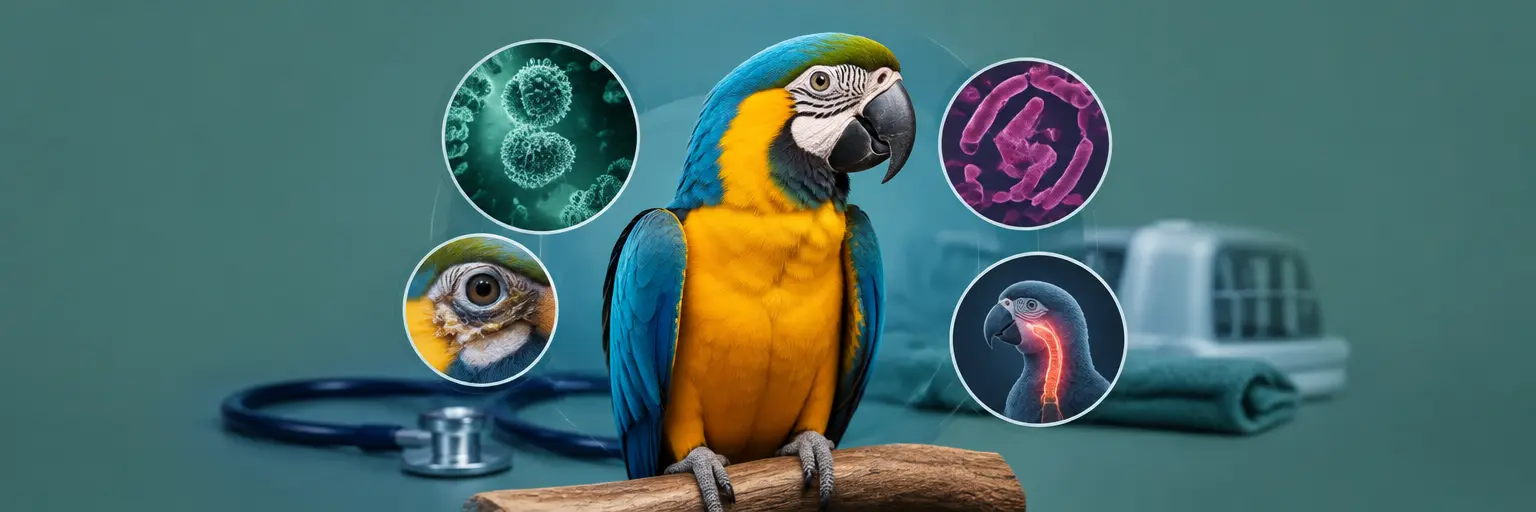
Discover the essential insights into common bird illnesses, with a special focus on psittacosis and other avian diseases that can affect your feathered companion. At PetCareWorld, we understand that recognizing early warning signs is vital for protecting your bird’s health—and your own, since some conditions are zoonotic. From respiratory distress and lethargy to unusual droppings and feather loss, our expert guidance helps you identify symptoms, understand transmission risks, and take prompt action. Learn about preventive care, proper hygiene, and when to seek veterinary attention, ensuring your pet enjoys a longer, happier life. Whether you’re a new bird owner or a seasoned enthusiast, this resource empowers you with reliable, science-backed knowledge on safeguarding against serious avian illnesses. Explore practical tips on nutrition, quarantine protocols, and environmental enrichment to boost immunity, and gain confidence in managing your bird’s well-being every day.
🐦 Discover more than just psittacosis! This PetCareWorld article explores common bird diseases, providing crucial insights into prevention and ensuring your feathered…
Read article
🤔 Suspect psittacosis in your bird? PetCareWorld explains the crucial diagnostic tests your avian vet should perform for accurate diagnosis and effective…
Read article
😊 Suspect psittacosis or other ailments in your bird? Learn to identify crucial bird respiratory distress symptoms like labored breathing and sneezing,…
Read articleWelcome to PetCareWorld’s dedicated guide on common bird illnesses, with a special focus on psittacosis and other frequently encountered avian diseases. For any bird owner, recognizing early signs of illness is critical, as birds instinctively hide symptoms until they are severely unwell. This subcategory provides you with essential, veterinary-backed information on zoonotic risks, prevention strategies, and treatment options. Whether you care for a parrot, cockatiel, or canary, understanding these conditions ensures your feathered friend receives timely care and your household remains safe. Explore our expert articles to become proactive about your bird’s respiratory health, digestive stability, and overall immunity.
Psittacosis, also known as parrot fever, is a bacterial infection caused by Chlamydia psittaci. It primarily affects parrots, cockatiels, and budgerigars but can infect all bird species. Transmission occurs through inhalation of dried droppings, feather dust, or respiratory secretions. In birds, symptoms include lethargy, ruffled feathers, eye discharge, and greenish urates. This disease is highly zoonotic, meaning it can pass to humans, causing flu-like symptoms and, in severe cases, pneumonia. Early detection is vital. We explain how vets diagnose via PCR testing and recommend appropriate antibiotic therapy, typically doxycycline, administered for at least 45 days to eliminate the bacteria completely.
For pet owners, hygiene is your first defense. Regular cage cleaning with disinfectants effective against Chlamydia, proper ventilation, and washing hands after handling birds reduce transmission risks. If you suspect exposure, isolate the bird immediately and consult an avian veterinarian. Our guide also covers legal reporting requirements in many regions, as psittacosis is a notifiable disease. By understanding the full cycle of infection—from shedding to environmental persistence—you protect both your bird’s health and your family’s well-being. Access our step-by-step care protocols for infected birds, including dietary support and stress reduction, to speed recovery and prevent relapse.
Beyond psittacosis, respiratory infections are among the most common avian illnesses, caused by bacteria, viruses, or fungi. Signs include sneezing, nasal discharge, open-mouth breathing, and a change in voice. Aspergillosis, a fungal infection from moldy feed or bedding, is particularly dangerous, causing granulomas in the air sacs. Another culprit is Mycoplasma, leading to sinusitis and conjunctivitis. This section teaches you how to differentiate between mild irritation and serious infection. We emphasize that birds have a high metabolic rate, so any breathing difficulty requires immediate veterinary attention—a delay of 24 hours can be fatal due to oxygen depletion.
Preventive care focuses on optimal air quality. Avoid aerosol sprays, cigarette smoke, and non-stick cookware fumes, which are toxic to birds’ sensitive lungs. Provide a warm, draft-free environment and ensure a balanced diet rich in vitamin A to maintain healthy mucous membranes. Our articles include detailed charts on normal respiratory rates and recommended humidity levels. We also debunk myths about “just a cold” in birds—birds do not catch human colds, but they can develop severe infections rapidly. Learn to perform a basic home health check, including listening to your bird’s breathing with a stethoscope if trained, to catch abnormalities early and seek professional intervention promptly.
Digestive issues rank high among common bird illnesses, often linked to poor diet or bacterial overgrowth. Conditions like crop stasis, sour crop (candida), and proventricular dilatation disease (PDD) can be devastating. PDD, believed to be viral, causes neurological and digestive dysfunction, leading to weight loss and undigested food in droppings. Another frequent issue is polyomavirus, especially in young budgerigars, causing abdominal swelling and sudden death. This section explores how improper seed-only diets contribute to malnutrition, weakening immunity and predisposing birds to infections. We provide evidence-based nutritional guidelines, emphasizing pellets, fresh vegetables, and limited fruit to bolster digestive health.
Recognizing abnormal droppings—color, consistency, and frequency—is a key diagnostic skill. For instance, black or tarry stools indicate internal bleeding, while undigested seeds suggest malabsorption. Our resources explain how to perform a fecal Gram stain at home for initial screening. Treatment varies: probiotics for dysbiosis, antifungal medications for candida, and supportive fluids for dehydration. For PDD, there is no cure, only management with anti-inflammatory drugs and a highly digestible diet. We also cover preventive biosecurity, including quarantine of new birds for 30-45 days and avoiding cross-contamination between feeding utensils. Empower yourself with our feeding schedules and emergency supplies checklist to mitigate digestive crises.
Viral infections like Avian Bornavirus (ABV) and Pacheco’s disease (herpesvirus) pose severe threats to bird collections. ABV manifests as weight loss, crop stasis, and neurological signs such as tremors or head tilt. Pacheco’s disease is rapidly fatal, causing liver necrosis and sudden death within hours. Herpesviruses are highly contagious among parrots, often triggered by stress. This subcategory offers in-depth analysis of transmission routes—contaminated food, shared cages, and vertical transmission from parents to chicks. We stress that viral infections have no direct cure, so prevention through vaccination (available for Pacheco’s) and rigorous quarantine protocols is paramount. Learn to recognize early behavioral changes that precede clinical signs, such as decreased vocalization or feather picking.
Neurological symptoms should never be ignored, as they may also indicate heavy metal toxicity (e.g., zinc or lead poisoning) or nutritional deficiencies like hypocalcemia. Our detailed guides compare symptom timelines to help you narrow down causes. For instance, sudden-onset seizures often point to toxicity, whereas progressive weakness suggests infection. We advise keeping a log of any incidents and immediately testing blood lead levels if exposure is suspected. Antiviral drugs like famciclovir may be used off-label under veterinary supervision for certain viral infections, but supportive care—including warmth, hydration, and force-feeding—remains the cornerstone. By understanding viral dynamics, you can implement effective disinfecting routines using accelerated hydrogen peroxide or diluted bleach for environmental control.
The old adage “prevention is better than cure” perfectly applies to avian health. Veterinary visits should be annual for wellness exams, including fecal tests and blood panels to detect subclinical infections. Our preventive framework includes species-specific vaccination schedules (for polyomavirus and Pacheco’s disease), nutritional supplementation with calcium and vitamin D3, and stress reduction through environmental enrichment. We also emphasize the importance of using hospital-grade disinfectants and providing separate feeding stations for multiple birds. This section provides a downloadable biosecurity checklist, covering hand hygiene, foot baths, and air filtration systems, to prevent disease introduction from wild birds or new acquisitions.
Additionally, we debunk common misunderstandings, such as believing that indoor birds cannot contract diseases—they can, via contaminated food, water, or insects. Our experts recommend regular parasite control, including for intestinal worms and mites, which can weaken immunity. We also cover the critical role of quarantine periods and how to set up a hospital cage with appropriate temperature and humidity. By implementing these robust preventive measures, you not only extend your bird’s lifespan but also reduce the financial and emotional costs of treating chronic illnesses. Subscribe to our monthly health reminders to stay on schedule with deworming and vaccinations, ensuring your bird thrives in a clean, safe environment.
Yes, but casual contact like touching a bird briefly is less risky than inhaling dust from dried droppings or feathers. Direct handling of an infected bird or cleaning its cage without protection significantly increases exposure. Use gloves and a mask, and ventilate the area. If you experience flu-like symptoms within 14 days of contact, see a doctor and mention your bird exposure.
Early signs include tail bobbing with each breath, open-mouth breathing, or a clicking sound. Loss of voice or a change in its normal chirp is also a red flag. Birds often perch low and may sit on the cage floor, fluffed up. Immediate veterinary care is essential, as respiratory failure can occur within hours.
A minimum of 30 days is recommended, but 45 days is safer for full incubation of common avian diseases. Keep the new bird in a separate room with its own equipment. Observe droppings and behavior daily. After the quarantine period, gradually introduce them to existing birds only if no symptoms appear.
Yes, seed-only diets are typically high in fat and low in essential vitamins and minerals, leading to obesity, liver disease, and impaired immunity. Transition to a pelleted diet formulated for your species, plus fresh vegetables like leafy greens, carrots, and occasional fruit. Always introduce changes gradually to avoid refusal.
Loss of appetite is always an emergency in birds due to their high metabolic rate. Weigh your bird daily using a kitchen scale; any weight loss over 10% requires immediate vet intervention. Meanwhile, offer warm, easily digestible foods like baby bird formula or mashed sweet potato. Keep the bird warm and minimize stress.







