The Impact of Sound: Using Auditory Deterrents for Bird Control
🐦 Protect your feathered friends and your property with effective bird control. Discover how auditory deterrents work and learn about the effectiveness…
Read article
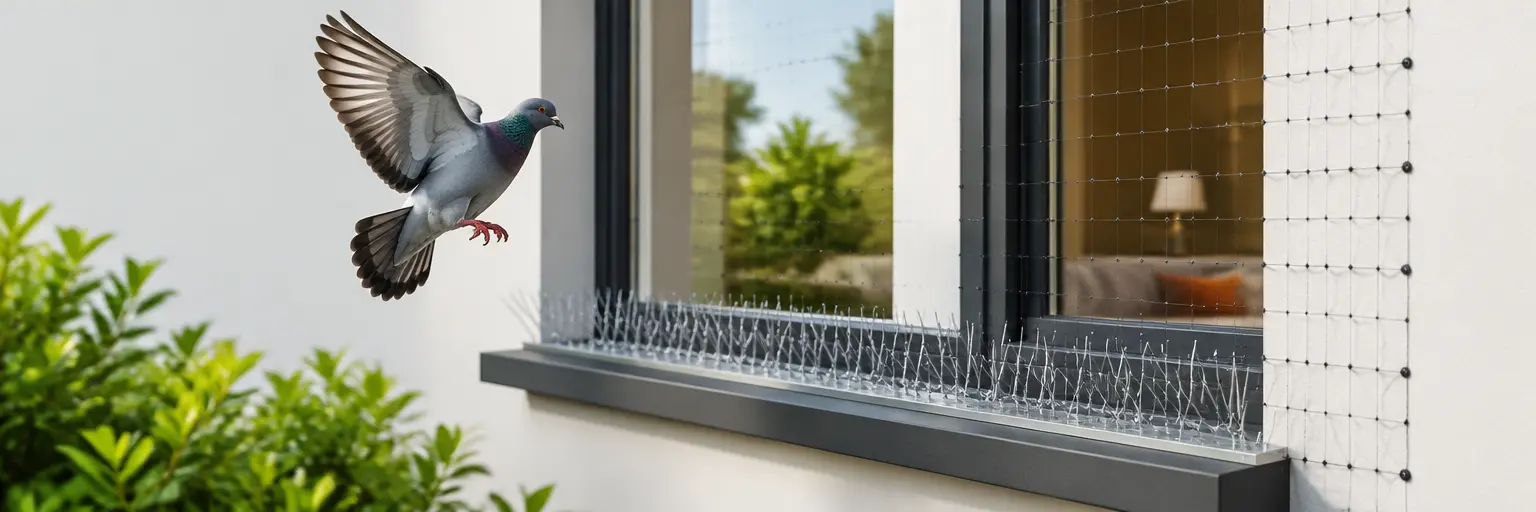
Bird-proofing your home is an essential step for any bird owner, ensuring both your feathered friend’s safety and the integrity of your living space. From securing windows and mirrors to eliminating toxic plants and kitchen hazards, our expert tips help you create a bird-safe sanctuary that minimizes risks like accidental escapes, flying collisions, and harmful ingestions. With practical, actionable advice, you’ll learn how to identify hidden dangers, manage indoor flight zones, and implement simple modifications that keep your avian companion happy, healthy, and secure. Trust PetCareWorld to guide you through every perch, nest, and flight path, making your home a haven for both you and your bird.

🐦 Protect your feathered friends and your property with effective bird control. Discover how auditory deterrents work and learn about the effectiveness…
Read article
🐦 Frustrated with persistent bird-proofing failures? PetCareWorld's expert guide tackles common bird proofing problems, offering solutions to safeguard your home and feathered…
Read articleBringing a bird into your home is a joy, but it also comes with unique responsibilities. Unlike cats or dogs, birds are naturally curious explorers with a talent for finding trouble in places we least expect. Bird proofing your home is not about restricting your pet; it’s about creating a safe, stimulating, and hazard-free environment where they can thrive. From toxic fumes to electrical cords, this guide covers essential strategies to prevent accidents, reduce stress for your avian companion, and give you peace of mind. Discover practical, room-by-room solutions to make your living space a true sanctuary for your bird.
The first step in effective bird proofing is understanding what to look for. Birds have incredibly sensitive respiratory systems, making them vulnerable to aerosols, non-stick cookware fumes, and scented candles. These can cause sudden illness or even death. Additionally, open windows, mirrors, and ceiling fans pose significant collision and injury risks. Uncovered electrical cords are a tempting chew toy, and toxic houseplants like philodendron or lilies can be fatal if ingested.
Walk through each room at bird-eye level to spot potential threats. Kitchens are particularly dangerous due to hot surfaces and chemicals. In living areas, beware of gaps behind appliances where a bird could get trapped. Secure windows with screens and always ensure fans are off before letting your bird out of its cage. By scanning your home methodically, you can eliminate most risks before they become emergencies.
Designating one or two bird-safe zones simplifies management and reduces risk. Choose a room with minimal foot traffic, no drafty windows, and ample natural light (but not direct, intense sun for long periods). Place the cage away from air vents and radiators, as temperature fluctuations are stressful. Inside this zone, provide a dedicated play stand with safe toys, and ensure all windows are covered with sturdy screens or reinforced glass.
Flooring is another critical factor. Carpets trap dust and dander, which can affect respiratory health; consider hard floors with washable rugs. Avoid using cleaning chemicals in this room—instead, use vinegar and water solutions. Also, make sure this space is off-limits to other pets like cats or dogs, even if they seem friendly. A dedicated safe zone gives your bird a predictable retreat where it can exercise and socialize without constant supervision.
Start with the kitchen: never cook with non-stick pans (PTFE) when your bird is out, keep lids on pots, and store knives securely. Move to the bathroom: keep toilet lids down, drain sinks, and store all cleaning products in locked cabinets. In the bedroom, remove anything with small, chewable parts (buttons, jewelry) and secure curtains to prevent entanglement. The living room requires covering electrical outlets and bundling cords out of reach.
Windows and doors are the biggest blind spots—install safety film or netting to prevent severe impact injuries. Also, check for any small spaces behind bookshelves or under furniture where a curious bird might squeeze into and get stuck. For each room, make a physical list and mark items as done. This systematic approach ensures you don’t miss hidden hazards, turning your entire home into a safer, more bird-friendly territory.
Many common houseplants are highly toxic to birds, including avocado, azalea, dieffenbachia, and aloe vera. Even mistletoe and holly, popular during holidays, are dangerous. Before bringing any new plant home, consult the ASPCA toxic plant list. Replace toxic ones with safe options like spider plants, Boston ferns, or African violets. Remember that nibbling on a single leaf could cause severe digestive distress or cardiac issues.
When it comes to food, never share your meals with your bird unless you are certain it is safe. Chocolate, caffeine, alcohol, and salt are absolute no-nos. Also, avoid fruit pits, apple seeds, and onions. Instead, offer fresh vegetables (broccoli, carrots, spinach) and specially formulated pellets. Always clean your bird’s feeding area promptly, as leftover human food can grow bacteria. Educate all family members and guests about these rules to prevent accidental exposure.
Even with diligent proofing, accidents happen. Your immediate response can save your bird’s life. Have a bird-safe first aid kit ready, including styptic powder for bleeding nails, vet wrap, and a transport cage. Save the emergency number of an avian veterinarian in your phone and post it on the fridge. Learn the signs of distress: sudden fluffing, open-mouth breathing, or listlessness. If your bird ingests something toxic, do not induce vomiting—call your vet immediately.
Also, establish a home evacuation plan for fires or natural disasters. Have a lightweight carrier and a quarantine kit ready. Practice catching your bird safely using a towel to avoid panic. In case of a broken blood feather, apply gentle pressure with cornstarch. Knowing you have a plan reduces your own anxiety, which in turn keeps your bird more calm during emergencies. A prepared pet owner is the best insurance policy.
The kitchen is usually the most dangerous area due to non-stick cookware fumes, open flames, and toxic cleaning agents. Never allow your bird in the kitchen while cooking, and always run your bird’s cage-free time in a separate, vented room. Prioritize removing PTFE pans and securing all foods that are toxic to birds.
No, essential oil diffusers are unsafe for birds. Their respiratory systems are extremely delicate, and even “natural” oils can cause fatal lung irritation. Avoid all aerosol sprays, incense, and heavily scented cleaning products. Use plain water and vinegar for cleaning instead, and ensure excellent airflow in your bird’s room.
Cover all cords with thick plastic tubing or braided sleeving designed for pets. You can also apply a bitter apple spray safe for birds, but the best solution is to bundle cords out of reach. Provide plenty of safe chew toys, like untreated wood blocks or palm leaf strips, to redirect your bird’s natural chewing instinct.
Absolutely. A single strike from a ceiling fan blade can break a wing, cause internal bleeding, or kill your bird instantly. Always inspect the room before letting your bird out and make it a rule to switch fans off completely. Never rely on your memory—physically verify the fan is not spinning before opening the cage.
Wing clipping is a personal choice but can reduce collision risks and escape through doors. If you do clip, ensure it’s done professionally—improper clipping can cause bleeding or balance issues. However, an unclipped bird can still be safe with proper proofing and supervision. Weigh the pros and cons with your avian veterinarian.







