The LongTerm Benefits of Proper Bird Quarantine
😊 Protect your flock's health and longevity! Learn about the crucial long-term benefits of bird quarantine, preventing disease outbreaks and ensuring a…
Read article
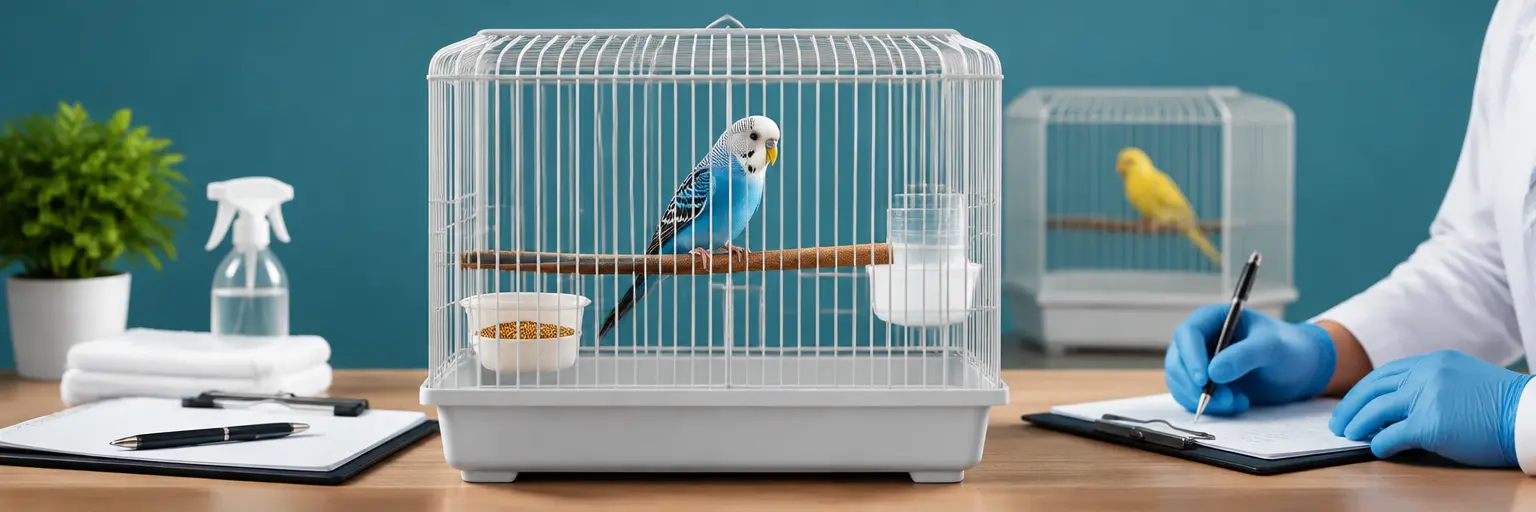
Bringing a new feathered friend home is an exciting adventure, but protecting your existing flock starts with a proper quarantine. 🐦 This crucial bird care step isn’t just about isolation—it’s your first line of defense against hidden illnesses, parasites, and stress-related diseases that can spread rapidly among birds. By setting up a separate, well-ventilated space for at least 30–45 days, you give your new bird time to acclimate, reveal any underlying health issues, and build immunity without risking your current pets. From dedicated feeding supplies and airflow management to observing droppings, appetite, and vocalizations daily, a structured quarantine protocol ensures a smooth transition and long-term wellness. Whether you’re a first-time owner or a seasoned aviary keeper, mastering these essential safety measures will save you vet bills, heartache, and keep your home a sanctuary of happy, healthy chirps. 🏡🦜
😊 Protect your flock's health and longevity! Learn about the crucial long-term benefits of bird quarantine, preventing disease outbreaks and ensuring a…
Read article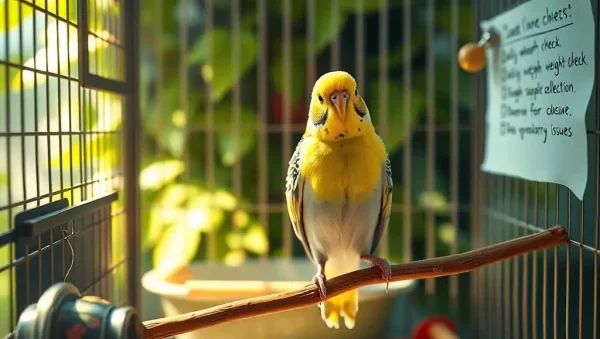
😊 Secure your feathered friend's health! PetCareWorld's new bird quarantine checklist provides a step-by-step guide to safely integrate your new avian companion…
Read article
😊 Is your new feathered friend plucking their feathers? Quarantine stress can trigger this behavior. Learn about potential new bird feather plucking…
Read articleBringing a new feathered friend home is exciting, but it carries hidden risks. Without proper quarantine, you could expose your existing flock to deadly pathogens like avian polyomavirus, psittacosis, or PBFD. This guide provides a step-by-step, vet-approved roadmap to isolate, observe, and safely introduce new birds, protecting both your new pet and your established companions. From setting up a dedicated hospital cage to mastering biosecurity protocols, you’ll learn everything needed to master a successful 30-45 day quarantine period.
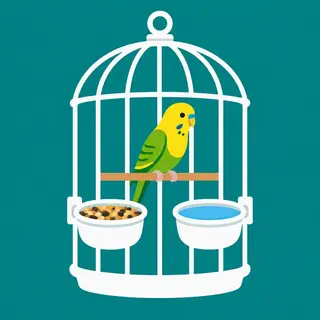
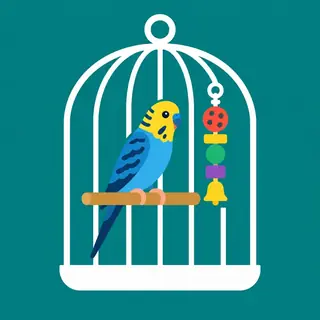
Your quarantine area must be a separate room, preferably with its own air supply, far from your main bird room. Use a simple, easy-to-disinfect cage, avoiding ornate perches or toys that harbor contaminants. Position the cage in a low-traffic, warm, well-ventilated area, but avoid direct drafts. Dedicate specific feeding dishes, water bottles, and cleaning supplies exclusively for quarantine use, labeling them clearly to prevent cross-contamination.
Install a separate HEPA air purifier to filter airborne particles, and cover the floor with disposable paper liners for daily waste removal. Keep the temperature stable between 70-80°F, as stress lowers immunity. Provide multiple natural perches at varied heights to encourage foot health, but avoid porous materials like wood that are hard to sterilize. This setup minimizes pathogen spread while making monitoring easy and safe.
During quarantine, meticulous daily observations are your best defense. Weigh your new bird every morning at the same time using a digital gram scale; a sudden weight drop is often the first sign of illness. Monitor droppings for changes in color, consistency, or volume, and check the nostrils, eyes, and vent for swelling or discharge. Document eating habits, vocalization patterns, and activity levels in a dedicated notebook or app.
Create a checklist that includes feather condition, breathing effort, and sleep posture. A healthy bird will be alert, preen regularly, and produce firm, formed droppings. Any deviation—fluffed feathers for more than two hours, tail bobbing, or reduced appetite—warrants immediate veterinary consultation. Consistent records help your vet diagnose issues quickly and provide a baseline for your bird’s normal behavior, making subtle changes easier to spot.
Biosecurity is the backbone of successful quarantine. Always handle your new bird last in your daily routine, after caring for your established birds. Wear a dedicated shirt or smock over your clothes, and use disposable gloves when cleaning or handling the quarantine bird. Wash your hands thoroughly with antimicrobial soap for at least 20 seconds before and after any interaction, and use foot baths with a diluted disinfectant at the quarantine room’s entrance.
Never share food, water bowls, or toys between quarantine and main housing. Use separate scoops for seed and pellet containers, and disinfect all surfaces—cage bars, door handles, light switches—daily with a veterinary-approved product like F10SC. Avoid using the same vacuum or broom in both areas, and quarantine any new food, bedding, or enrichment items outside the room for 48 hours before introducing them. These practices create an invisible barrier that breaks disease transmission cycles.
Schedule a comprehensive avian vet visit within the first 48-72 hours of arrival. The vet should perform a physical exam, gram stain of the droppings, and a fecal culture to screen for common bacteria like Chlamydia or Salmonella. Depending on your bird’s species and source, consider blood tests for polyomavirus, PBFD (Psittacine Beak and Feather Disease), and avian bornavirus. Early testing provides peace of mind and catches silent carriers before they infect other birds.
At day 14, repeat the gram stain and fecal culture to confirm no latent pathogens have surfaced. At day 30, a final wellness exam and weight check ensure your bird is thriving. If your new bird has been exposed to other birds at the breeder’s or pet store, request their health records for reference. Always quarantine for a minimum of 30 days, extending to 45-60 days if the bird shows any signs of stress or illness, or if you have other high-risk birds like finches or budgerigars.
After the quarantine period passes with clean tests and no symptoms, begin a gradual introduction. First, place the new bird’s cage in the same room but out of direct sightline for a few days, allowing them to hear each other. Next, allow visual contact through bars for supervised sessions, watching for aggressive wing flapping or excessive hissing. Swap cage toys and perches between birds to exchange scents, which normalizes the new individual’s presence.
Proceed to neutral territory, like a play stand outside their cages, for short, closely supervised visits. Keep interactions to 10-15 minutes, increasing gradually over several weeks. Never force cohabitation; some birds prefer separate cages even after acceptance. Once they show relaxed feeding and preening behaviors near each other, you can consider side-by-side cage placement, but full cohabitation should only happen if your vet confirms both are healthy and you plan for strict supervision for at least another month.
A strict minimum of 30 days is recommended for most species. If the new bird came from a multi-bird household, a birdshow, or shows any minor symptoms like sneezing, extend the period to 45-60 days. This extended window allows pathogens with longer incubation periods, such as PBFD, to become detectable. Always base the final duration on your veterinarian’s recommendation, not a one-size-fits-all timeline.
No, keep the bird confined to its quarantine cage for the entire isolation period. Flight outside the cage risks contaminating your entire home with dried droppings or feather dust. If the bird needs exercise, allow short, controlled fly time inside the quarantine room only, but ensure all windows and doors are closed and the room is cleared of other birds. Disinfect the floor and surfaces afterward.
Use veterinary-grade disinfectants like F10SC, chlorhexidine-based solutions, or accelerated hydrogen peroxide products that are bird-safe when diluted correctly. Avoid bleach, phenols, and pine or cedar oils, which are toxic to birds’ respiratory systems. Always rinse surfaces thoroughly with clean water after disinfection, and allow them to air-dry completely before placing your bird near them. Test any new cleaner on a small, hidden area first.
Watch for fluffed feathers, reduced vocalization, closed eyes, weight loss, or a swollen abdomen. Droppings transitioning to green, watery, or containing undigested seeds signal digestive issues. Labored breathing with an open beak, tail bobbing, or nasal discharge requires immediate vet attention. If your bird sits at the bottom of the cage, shows lameness, or stops eating for more than 12 hours, treat it as an emergency and call your avian vet right away.
Absolutely yes, but prioritize treating your existing bird first. Quarantine the new bird in a completely separate room with its own air supply, and ideally have someone else care for it to avoid cross-contamination. However, do not introduce the new bird until your existing bird has recovered and your vet has cleared them. If your current bird has a contagious disease, extend the new bird’s quarantine to 60 days as a precaution.