
Quarantine and Feather Plucking: Monitoring Your New Bird

Welcome to PetCareWorld, your ultimate guide to a happier, healthier life for your beloved companions! Are you a new bird owner noticing unusual feather plucking? Discover the potential causes behind this concerning behavior in our in-depth article, "Quarantine and Feather Plucking: Monitoring Your New Bird," and learn how to ensure your feathered friend thrives. Uncover the secrets to successful bird care and embark on a journey of enriching your pet's life – explore PetCareWorld today!
- Understanding Feather Plucking in Newly Acquired Birds
- Quarantine Protocols to Minimize Feather Plucking Stress
- Assessing Your Bird's Overall Health During Quarantine
- When to Seek Veterinary Attention for Feather Plucking
- Preventing Feather Plucking in Future Birds
-
Frequently Asked Questions
- What are some common reasons for feather plucking in newly acquired birds?
- How long should I quarantine a new bird before introducing it to other birds?
- My new bird is plucking feathers; should I immediately take it to the vet?
- What behavioral changes might accompany feather plucking in a new bird?
- Besides stress, what other factors can contribute to feather plucking in a new bird?
- Final Reflection: The Silent Struggle of a New Avian Companion
- Unlock Your Bird's Happy Habits: A Guide to Stress-Free Feather Care
Understanding Feather Plucking in Newly Acquired Birds
Bringing a new bird home is an exciting experience, filled with the anticipation of building a strong bond with your feathered friend. However, this period also presents unique challenges, particularly regarding health and adjustment. One common concern among new bird owners is feather plucking, a behavior that can manifest during the crucial quarantine period. This comprehensive guide will delve into the causes of feather plucking in newly acquired birds, helping you understand and address this issue effectively.
We'll explore the signs of feather plucking, common underlying causes, and how to differentiate stress-induced plucking from other potential health problems. By understanding these factors, you can provide the best possible care for your new bird and ensure a smooth transition into their new home. This article focuses on helping you identify and address "new bird feather plucking causes," equipping you with the knowledge to proactively support your bird's well-being.
Identifying Signs of Feather Plucking in Your New Bird
Recognizing feather plucking early is crucial for prompt intervention. While some feather loss is normal during molting, excessive or unusual feather plucking warrants attention. Look for these key indicators:
- Bare patches: Observe your bird's body for patches of missing feathers, particularly around the breast, head, or wings. These patches may be localized or widespread.
- Broken or damaged feathers: Examine the feathers for signs of breakage or damage, indicating self-mutilation rather than natural shedding.
- Changes in behavior: Feather plucking can be accompanied by changes in behavior, such as increased restlessness, lethargy, or changes in appetite.
- Self-grooming habits: Observe how your bird grooms itself. Excessive preening or repetitive feather pulling may indicate a problem.
- Skin irritation: Check for any signs of skin irritation, redness, or inflammation in the areas where feathers are missing. This could indicate underlying health issues.
Remember, early detection is key. Regular observation and careful attention to your bird's appearance and behavior will help you identify feather plucking early on and take appropriate action. Don't hesitate to consult an avian veterinarian if you have any concerns.
Common Causes of Feather Plucking During Quarantine
Several factors can trigger feather plucking in a newly acquired bird during quarantine. The stress of a new environment is a major contributor. Other common causes include:
- Stress and anxiety: The transition to a new home, unfamiliar sounds, and changes in routine can cause significant stress, leading to feather plucking as a coping mechanism.
- Boredom and lack of stimulation: A monotonous environment devoid of enrichment and mental stimulation can lead to frustration and self-destructive behaviors, including feather plucking.
- Nutritional deficiencies: Inadequate diet can affect feather quality and contribute to feather plucking. Ensure your bird receives a balanced and nutritious diet.
- Underlying medical conditions: In some cases, feather plucking can be a symptom of an underlying medical condition, such as parasites, infections, or hormonal imbalances.
- Improper environmental conditions: Extreme temperatures, poor air quality, or lack of proper lighting can also contribute to stress and feather plucking.
Understanding these potential causes allows you to address them proactively, creating a more supportive environment for your bird. Providing appropriate enrichment, a balanced diet, and a comfortable environment can significantly reduce the risk of feather plucking.
Differentiating Stress-Induced Plucking from Other Issues
While stress is a frequent cause, it's crucial to distinguish stress-induced feather plucking from other potential problems. This requires careful observation and, potentially, veterinary assessment. Consider these points:
- Severity and location of feather loss: Stress-induced plucking may present as localized patches, often in easily reachable areas. More widespread or severe feather loss could suggest underlying medical conditions.
- Accompanying symptoms: Look for other symptoms like changes in droppings, appetite, or respiratory function. These could indicate a more serious health issue requiring veterinary attention.
- Response to environmental changes: If the feather plucking improves with environmental enrichment, dietary changes, or stress reduction techniques, it's more likely stress-related. Lack of improvement warrants a veterinary visit.
- Veterinary examination: A thorough examination by an avian veterinarian can rule out medical conditions and provide a definitive diagnosis. This is particularly important if the feather plucking is severe or accompanied by other symptoms.
Remember, a proactive approach is key. Careful observation, environmental enrichment, and timely veterinary care are crucial for ensuring the well-being of your new feathered companion.
Quarantine Protocols to Minimize Feather Plucking Stress
Introducing a new bird into your home can be an exciting but stressful time for both you and your feathered friend. The transition to a new environment is a significant change, and stress is a major contributor to feather plucking in birds. Implementing robust quarantine protocols is crucial not only for preventing the spread of disease but also for minimizing stress and reducing the likelihood of feather plucking.
This section focuses on specific quarantine practices designed to create a calm and secure environment, thereby promoting the bird's well-being and healthy plumage. Understanding the underlying causes of new bird feather plucking is key to effective prevention and management.
Establishing a Quiet and Secure Quarantine Environment
The initial quarantine environment should be carefully chosen to minimize stressors. A quiet room, away from household activity and loud noises, is ideal. Consider a spare bedroom or a dedicated space where the bird's cage can be placed away from windows (to reduce visual stimulation from outside) and sources of drafts. The cage itself should be appropriately sized for the bird species, providing ample space for movement and rest.
Avoid overcrowding the cage with toys or perches initially; a simpler setup during quarantine can reduce stimulation and promote calm. Providing a dark, covered area within the cage, such as a snug sleeping hut, gives the bird a safe retreat when feeling overwhelmed. This controlled environment helps to reduce stress and anxiety, key factors in new bird feather plucking causes. Remember, a calm bird is less likely to engage in feather-destructive behaviors.
Providing Proper Nutrition for a Healthy Plumage
Proper nutrition plays a vital role in feather health and can significantly impact a bird's propensity for feather plucking. During quarantine, it's crucial to offer a balanced and nutritious diet tailored to the specific needs of your bird species. This often includes a high-quality seed mix supplemented with fresh fruits, vegetables, and pellets formulated for birds. Avoid sudden dietary changes; introduce new foods gradually to prevent digestive upset.
A deficiency in essential vitamins and minerals, particularly those crucial for feather growth (like Vitamin A, biotin, and zinc), can contribute to poor plumage and increase the likelihood of feather plucking. Consult an avian veterinarian to determine the optimal diet for your bird, accounting for its age, species, and any pre-existing health conditions. Monitoring food intake and droppings can help you identify any nutritional imbalances. A healthy diet is a cornerstone of preventative care against new bird feather plucking causes.
Maintaining Optimal Hygiene to Prevent Feather Damage
Maintaining impeccable hygiene within the quarantine environment is essential to prevent feather damage and potential infections that could exacerbate feather plucking. Regular cleaning of the cage, food and water dishes, and perches is vital. Use bird-safe cleaning products and avoid harsh chemicals. Replace soiled bedding frequently. Proper hygiene prevents the build-up of bacteria and parasites that can irritate the skin and feathers, leading to discomfort and potential feather picking.
Regularly inspect the bird's feathers for any signs of damage, parasites, or skin irritations. Early detection of these issues allows for prompt treatment and can prevent feather plucking from escalating. Furthermore, ensure the bird's water source is always clean and fresh to promote overall health and well-being. Addressing hygiene concerns minimizes potential new bird feather plucking causes related to discomfort and infection.
Gradual Introduction to Your Existing Birds (If Applicable)
Introducing a new bird to your flock requires careful planning and execution to minimize stress, a major contributor to feather plucking. A rushed introduction can trigger anxiety and territorial disputes, leading to increased self-mutilation. The process should be gradual and monitored closely. Never simply place the new bird into the existing aviary. Instead, follow these steps:
First, establish visual contact. Place the new bird's cage near, but not directly adjacent to, the cages of your existing birds. This allows them to see and hear each other without direct physical interaction. This visual acclimation period should last for at least a week, possibly longer depending on the birds' temperaments. Observe their behavior closely. Are they showing signs of aggression (fluffed feathers, hissing, snapping)? Or are they seemingly indifferent? Their reactions will guide the next steps.
Next, begin auditory introduction. Start by opening both cages for short periods during the day. The birds will hear each other more clearly. Again, monitor carefully for signs of stress or aggression in either bird. If aggression is present, separate the cages again immediately and extend the visual-only acclimation phase.
The following stage involves scent exchange. Cover the cages with a thin cloth, allowing the birds to exchange scents. This can help them become more familiar with each other's presence, reducing the shock of direct contact. Keep the cloth on for a few hours each day, gradually increasing the duration.
Finally, supervised physical introduction. Once the birds have shown no signs of aggression during the previous stages, you can attempt a supervised physical interaction. This should be done in a neutral, large space, not in the main aviary. Supervise them constantly, ready to separate them if necessary. Start with short, controlled sessions, gradually increasing the time as they become more comfortable with each other. Never leave them unsupervised during this phase. Positive reinforcement, such as rewarding calm behavior with treats, can be particularly beneficial.
Remember, patience is key. If at any point you observe signs of aggression or distress, immediately separate the birds and return to the previous stage. Forcing interaction can exacerbate feather plucking and other behavioral problems. A slow, cautious approach is crucial for successful integration and the well-being of all your birds. The process can take several weeks, even months, depending on individual bird personalities.
Assessing Your Bird's Overall Health During Quarantine
Quarantine is crucial for newly acquired birds, protecting both your existing pets and your new feathered friend from potential diseases. During this period, meticulous observation is key to identifying any health issues early, including the concerning behavior of feather plucking. While feather plucking in new birds can stem from various factors (stress being a common culprit), it's vital to rule out underlying medical conditions. A thorough health assessment during quarantine significantly increases the chances of early intervention and successful treatment.
This involves more than just watching for feather plucking; it requires a holistic approach to monitoring your bird's overall well-being. Remember, early detection is paramount in preventing more serious complications. This section will guide you through essential observation techniques to ensure your new bird's health.
Monitoring Your Bird's Eating Habits and Appetite
Changes in eating habits are often among the first indicators of illness in birds. A healthy bird will maintain a consistent appetite and readily consume a balanced diet. During quarantine, carefully monitor your bird's food intake. Note the type and quantity of food consumed daily.
Keep a detailed log. For instance, if your bird typically eats 2 tablespoons of seed mix and 1 tablespoon of fruits and vegetables, any significant deviation from this pattern warrants attention. Decreased appetite, refusal of favorite foods, or changes in eating behavior (e.g., hoarding food, rapid eating followed by inactivity) are all important flags that might be linked to a wide range of issues, including stress that could manifest as feather plucking.
A helpful approach is to weigh your bird daily using a gram scale. Consistent weight maintenance is a good sign. Unexpected weight loss, even slight, could indicate a problem requiring veterinary attention. Don't forget to consider the type of food you are offering – is it fresh, suitable for the species, and varied enough to meet nutritional requirements? Nutritional deficiencies can certainly contribute to stress and subsequent feather plucking. Remember to provide fresh water daily and monitor its consumption. Dehydration can exacerbate underlying health issues.
Regular Observation of Droppings and Waste Elimination
Analyzing your bird's droppings provides valuable insights into its digestive health. Normal droppings vary depending on the bird species and diet, but consistent monitoring allows you to establish a baseline for your new bird. Look for changes in color, consistency, frequency, and volume. Diarrhea, constipation, or unusually colored droppings (e.g., green, dark, or bloody) are all cause for concern and could be linked to underlying illnesses that could cause stress leading to feather plucking.
Keep a detailed record of your bird's droppings. A simple chart documenting the date, time, and description of the droppings can be incredibly useful. Consider taking photos for comparison if you're unsure about what constitutes "normal" for your specific bird.
Pay attention to the odor of the droppings as well. An unusually strong or foul odor could signal an infection or digestive problem. Regularly cleaning the cage and providing fresh food and water are crucial for maintaining hygiene and preventing the spread of bacteria or parasites which can cause stress and feather plucking. Remember, a healthy digestive system is integral to overall bird health.
Identifying Potential Signs of Illness Beyond Feather Plucking
While feather plucking is a noticeable behavior, it's crucial to consider other potential symptoms that might accompany it or indicate a separate underlying health issue. These could include lethargy, ruffled feathers, respiratory distress (coughing, sneezing, wheezing), changes in vocalization, discharge from the eyes or nostrils, swelling, or unusual postures. Any changes in your bird's behavior or appearance should be carefully noted and documented. Keep a detailed record, including photographs if possible, to assist your veterinarian in diagnosis.
Remember, feather plucking itself isn't always a primary disease; it's often a symptom of an underlying problem. Therefore, a comprehensive assessment is necessary to identify the root cause. This holistic approach, combined with prompt veterinary intervention if needed, will give your new bird the best chance at a healthy and happy life, free from the stress that might cause feather plucking. Early detection is crucial for effective treatment and prevention. Don't hesitate to consult an avian veterinarian if you have any concerns. Even subtle changes can be significant indicators of potential problems. 🐦
When to Seek Veterinary Attention for Feather Plucking
Understanding when feather plucking in your new bird warrants veterinary intervention is crucial for their well-being. While some feather loss is normal, particularly during molting, excessive or persistent plucking can indicate underlying health problems or behavioral issues. Early detection and treatment are key to preventing more serious complications. This section will help you distinguish between normal feather loss and situations requiring professional veterinary care for your new feathered friend. The severity and underlying cause of feather plucking in new birds significantly impact the necessary course of action.
Distinguishing Normal Molting from Excessive Feather Loss
Molting, the natural shedding and regrowth of feathers, is a normal process for all birds. It typically occurs once or twice a year and involves the gradual loss of old feathers and the emergence of new ones. During molting, you might notice some scattered feathers around your bird's cage, but the overall appearance of your bird's plumage should remain relatively consistent. The process usually lasts several weeks and doesn't cause your bird any significant distress.
However, excessive feather loss that extends beyond the typical molting period, presents unevenly, or appears accompanied by other symptoms, is a cause for concern. For example, a bird losing feathers primarily in one area, or showing signs of self-mutilation along with feather loss, indicates a potential problem beyond simple molting. Careful observation of your bird's behavior and plumage is crucial in differentiating between normal molting and excessive feather loss.
Recognizing Severe Cases Requiring Immediate Veterinary Care
Several signs indicate a severe case of feather plucking requiring immediate veterinary attention. These include:
- Significant feather loss: If your bird is losing a large number of feathers rapidly, resulting in bare patches of skin, this warrants immediate veterinary assessment. This could be indicative of underlying medical conditions like parasites, bacterial infections, or nutritional deficiencies.
- Self-mutilation: If your bird is actively pulling out its feathers, causing bleeding or skin irritation, this is a serious sign of distress. This behavior often points to underlying medical issues, behavioral problems, or environmental stress.
- Changes in behavior: Alongside feather plucking, observe if your bird exhibits changes in behavior, such as lethargy, decreased appetite, or changes in vocalizations. These could signify an underlying illness or discomfort.
- Skin lesions or infections: Inspect your bird's skin for any signs of lesions, redness, or infection. These often accompany severe feather plucking and require prompt medical attention. These infections can be difficult to treat if left unchecked and may even prove fatal for your new bird.
- Weight loss: A significant decrease in your bird's weight, coupled with feather plucking, strongly suggests an underlying health problem that needs immediate veterinary attention.
The presence of any of these severe symptoms necessitates contacting an avian veterinarian immediately. Delaying treatment can lead to further complications and potential long-term health issues for your bird. Remember, proactive care is vital for ensuring the well-being of your new avian companion. Early intervention often leads to a better prognosis.
Finding an Avian Veterinarian for Expert Consultation
Finding a veterinarian experienced in avian care is critical when dealing with feather plucking or any other health issue in your bird. General veterinarians may not have the specialized knowledge to diagnose and treat avian-specific problems effectively. Avian veterinarians possess the expertise to diagnose the underlying cause of your bird's feather plucking, whether it's a medical condition, nutritional deficiency, or behavioral problem. They can provide tailored treatment plans and guidance on managing your bird's care.
To locate an avian veterinarian near you, you can search online directories of veterinary professionals, contact local animal shelters or rescue organizations, or ask for recommendations from other bird owners. Remember, choosing the right avian veterinarian can make a significant difference in your bird's health and recovery. Don't hesitate to seek professional help to ensure your new bird receives the best possible care.
Preventing Feather Plucking in Future Birds
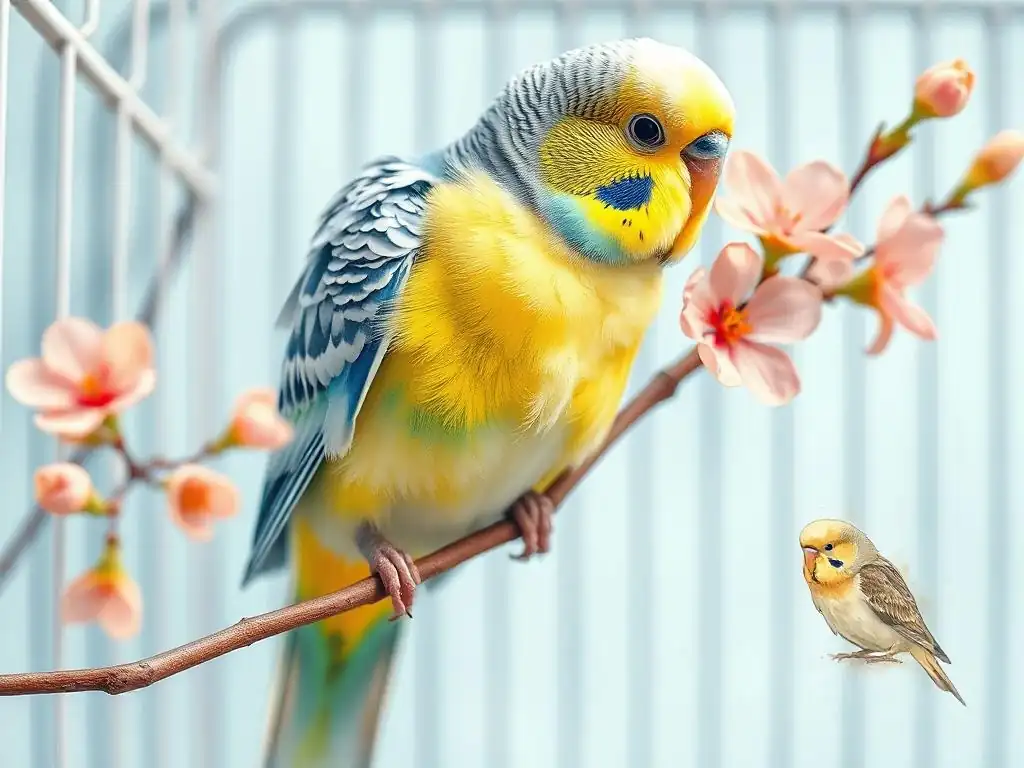
Feather plucking in birds, a distressing behavioral issue often manifesting as self-mutilation, can stem from various underlying causes. Understanding these "new bird feather plucking causes" is crucial for prevention. While quarantine is essential for newly acquired birds, proactive measures before bringing a bird home significantly reduce the risk of future plucking. This section focuses on preemptive strategies to ensure your feathered friend enjoys a life free from this debilitating habit.
Choosing a Healthy Bird from a Reputable Breeder
Selecting a bird from a reputable breeder is paramount. Reputable breeders prioritize the health and well-being of their birds, conducting regular health checks and providing appropriate socialization. A bird from a substandard source might already exhibit signs of stress or underlying health problems, increasing the likelihood of feather plucking. Look for breeders who:
- Maintain clean and spacious aviaries.
- Offer detailed health records for their birds.
- Encourage interaction and handling of their birds from a young age.
- Provide transparent information about the bird's parentage and history.
- Are knowledgeable about avian health and behavior.
A healthy bird, well-socialized from a young age, is less likely to develop feather plucking due to boredom, stress, or underlying medical issues. Observe the bird's plumage carefully; healthy feathers are smooth, shiny, and evenly distributed. Avoid birds with signs of feather damage, dull plumage, or any visible signs of illness. Remember, a healthy start minimizes future problems. This proactive approach to selecting a bird is a significant step in preventing feather plucking.
Proper Acclimation Techniques for New Birds
Even with a healthy bird from a responsible breeder, improper acclimation can trigger stress and lead to feather plucking. The transition to a new environment is inherently stressful for birds. A gradual, patient approach is crucial to minimize this stress.
- Quiet Environment: Place the bird's cage in a quiet area, away from loud noises and sudden movements. Minimize exposure to other pets initially.
- Gradual Integration: Avoid immediately introducing the bird to other pets or family members. Allow it time to adjust to its new surroundings.
- Consistent Routine: Establish a consistent daily routine for feeding, cleaning, and interaction. Predictability reduces stress and anxiety.
- Enrichment: Provide plenty of toys, perches, and foraging opportunities to keep your bird mentally and physically stimulated. This prevents boredom, a common trigger for feather plucking. Consider rotating toys regularly to maintain interest.
- Avoid Overhandling: While socialization is important, avoid overwhelming your bird with excessive handling, especially in the initial stages.
Careful acclimation minimizes stress, a major contributor to "new bird feather plucking causes." Observe your bird closely for any signs of stress, such as changes in behavior, appetite, or plumage. Addressing these issues promptly prevents them from escalating into more severe problems.
Long-Term Strategies for Maintaining a Bird's Feather Health
Maintaining a bird's feather health is an ongoing process. Even after the initial acclimation period, consistent attention is required to prevent feather plucking.
- Balanced Diet: Provide a nutritionally balanced diet tailored to your bird's species. Nutritional deficiencies can contribute to poor feather quality and increase the risk of plucking.
- Regular Veterinary Checkups: Schedule regular veterinary checkups to detect and address any underlying health issues that may contribute to feather plucking. Early detection is vital.
- Environmental Enrichment: Continue providing a stimulating environment with a variety of toys, perches, and opportunities for foraging and exploration. This helps prevent boredom and reduces stress.
- Social Interaction: Ensure your bird receives adequate social interaction, either with you or with other compatible birds. However, avoid forcing interaction if the bird seems stressed.
- Monitor for Changes: Regularly monitor your bird's behavior and plumage for any signs of change. Early detection of potential problems allows for timely intervention.
By implementing these long-term strategies, you can significantly reduce the risk of feather plucking and ensure your bird enjoys a happy and healthy life. Remember, consistent attention to your bird’s physical and mental well-being is key to preventing this distressing behavior. Addressing "new bird feather plucking causes" proactively is crucial for a long and fulfilling relationship with your feathered companion. 🐦
Frequently Asked Questions
What are some common reasons for feather plucking in newly acquired birds?
Quarantine stress is a major factor. Sudden environmental changes and separation anxiety can trigger feather plucking in newly adopted birds. Underlying medical conditions should also be investigated.
How long should I quarantine a new bird before introducing it to other birds?
A minimum of 30 days is recommended for quarantine. This allows time to observe for any illnesses and prevents the spread of disease to existing pets. Always consult your avian vet for tailored advice.
My new bird is plucking feathers; should I immediately take it to the vet?
Yes, immediate veterinary attention is crucial. Feather plucking can indicate underlying medical issues, stress, or nutritional deficiencies requiring professional diagnosis and treatment.
What behavioral changes might accompany feather plucking in a new bird?
Observe for changes in appetite, sleeping patterns, or vocalizations. Increased restlessness, aggression, or lethargy can also accompany feather plucking and warrant veterinary attention.
Besides stress, what other factors can contribute to feather plucking in a new bird?
Poor diet, inadequate environmental enrichment, and parasites can all contribute to feather plucking. Ensuring a balanced diet, stimulating environment, and regular parasite checks is vital.
Final Reflection: The Silent Struggle of a New Avian Companion
The anxieties surrounding a new pet bird, often overlooked, can manifest in devastating ways, leading to feather plucking – a heartbreaking symptom of underlying stress. This isn't just a quirky behavior; it's a clear indicator that something is amiss in the delicate balance of your bird's environment and well-being. Understanding the causes, from environmental factors to underlying health issues, is crucial to providing the necessary support.
The journey of integrating a new bird into your life is a profound one, filled with both joy and responsibility. It's a testament to the deep connection we can forge with these intelligent creatures. A bird doesn't sing because it has an answer, it sings because it has a song.
– Chinese Proverb. This quote beautifully captures the inherent nature of birds, their innate need for expression, and how easily that expression can be stifled by an unsuitable environment. The impact of our actions, or inactions, on their emotional and physical health is a responsibility we must always bear in mind. The ongoing challenge lies in fostering a deeper understanding of avian behavior and needs, moving beyond simple observation to truly empathetic care.
Now, consider your own relationship with your feathered friend. Have you taken the time to truly understand their unique personality and needs? Are you providing an enriching environment that stimulates their natural behaviors? Take this opportunity to reassess your bird's surroundings, their diet, and the level of interaction they receive. By actively listening to your bird's silent cues and addressing their needs proactively, you can transform their life and strengthen the bond you share, creating a harmonious and fulfilling partnership for years to come.
Unlock Your Bird's Happy Habits: A Guide to Stress-Free Feather Care
Thank you for learning how to support your feathered friend! We hope you feel confident in recognizing and addressing potential stress-related feather plucking. Now, let's put your new knowledge into action!
- Prioritize Enrichment: Spend some time today enriching your bird's environment. Try adding a new toy, rearranging perches, or introducing a different foraging activity. Observe your bird's reactions carefully – even small changes can significantly improve their well-being.
- Join the Conversation: Share your experiences and tips with other PetCareWorld members in the comments below! Let's build a supportive community for bird owners.
- Explore Advanced Resources: Visit our website's extensive library (petcareworld.org) for detailed guides on bird behavior and enrichment. You'll find helpful videos and downloadable checklists to personalize your bird's care.
What small step will you take today to improve your bird’s happiness?