The Science Behind Bird Songs: How Birds Produce and Perceive Vocalizations
😊 Unlock the mysteries of bird song! Discover the fascinating science behind how your feathered friend produces and interprets those beautiful melodies.…
Read article
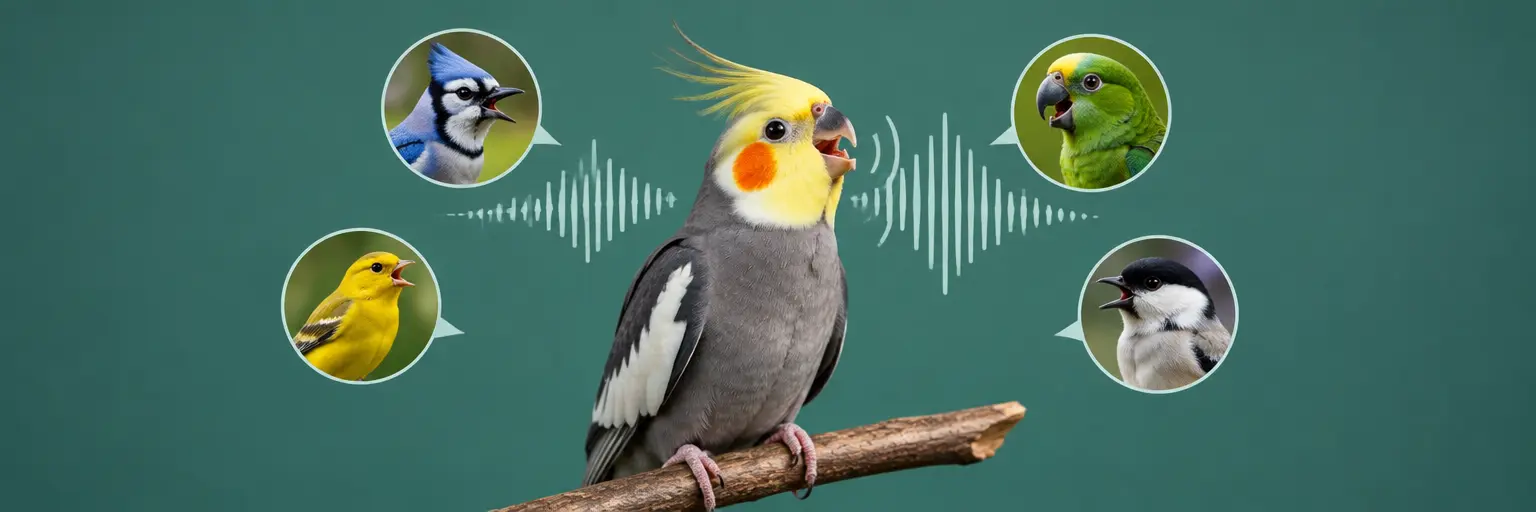
Unlock the secret world of your feathered friend with our expert guide to understanding bird communication and the fascinating realm of vocalizations. 🐦🔊 From cheerful chirps to complex mimicry, every sound your bird makes is a window into its emotions, needs, and social instincts. Whether you’re a new parrot parent or a seasoned aviculturist, decoding these audio cues is essential for strengthening your bond, reducing stress, and ensuring optimal bird care and well-being. Learn to distinguish between contact calls, alarm signals, and happy chatter, while gaining practical tips on how to respond effectively to your pet’s unique “language.” By mastering this skill, you’ll not only enhance your bird’s quality of life but also transform your daily interactions into a more rewarding, harmonious experience. Dive in to become a true interpreter of your companion’s voice! 🎶❤️

😊 Unlock the mysteries of bird song! Discover the fascinating science behind how your feathered friend produces and interprets those beautiful melodies.…
Read article
🐦 Discover how "old bird sounds vs young" differ! PetCareWorld explores the fascinating variations in bird vocalizations across age groups, offering insights…
Read article
🐦 Discover how bird calls change with the seasons! Learn about the fascinating variations in bird vocalizations throughout the year and what…
Read articleBirds are remarkably expressive creatures, using a complex repertoire of sounds—from cheerful chirps to piercing alarm calls—to convey emotions, needs, and warnings. At PetCareWorld, our “Understanding Bird Communication – Vocalizations” subcategory dives deep into this fascinating auditory world. Whether you own a budgie, cockatiel, African grey, or canary, mastering their vocalizations transforms your bond and improves their well-being. This guide helps you distinguish between happy song, stress calls, and everything in between, turning everyday noises into meaningful conversations.
First, you’ll learn the foundational building blocks of bird sounds. Not every chirp is the same—short, sharp chirps often signal curiosity or mild excitement, while prolonged, low-pitched calls may indicate discomfort or hunger. Whistles, especially in species like cockatiels, can be playful greetings or attention-seeking demands. By categorizing these basic sounds, you’ll quickly identify when your bird is simply chatting versus when it needs immediate care.
Our guide breaks down contact calls (used to check if you’re nearby), flock calls (to rally companionship), and begging calls (common in young birds). Recognizing these vocal patterns helps you respond appropriately—offering food, reassurance, or social interaction. Over time, you’ll notice your bird adjusts its tone based on your reactions, creating a personalized communication loop that strengthens your daily relationship.
Songbirds, like canaries, produce complex, melodic sequences that often signal health and vitality. A robust, varied song typically indicates a happy, confident bird, while repetitive or sparse singing might point to boredom or illness. In contrast, “chatter” is a soft, low-volume mixture of sounds, often heard during preening or relaxed moments. This section teaches you to read the context—time of day, environment, and body language—to interpret whether vocalization is joyful, anxious, or simply ambient.
We also explore mimicry—how parrots and mynahs copy household sounds or human speech. Mimicry isn’t random; it’s often tied to social bonding or territorial assertion. When your bird mimics your phone ring or your laugh, it’s integrating you into its flock. By understanding these subtleties, you’ll recognize when vocalization is a sign of mental stimulation versus a stress-induced repetitive behavior, allowing you to adjust enrichment activities accordingly.
Alarm calls are sharp, urgent, and often repetitive—designed to warn the flock of danger. In a home setting, these can be triggered by loud noises, sudden movements, or seeing a predator (like a cat through a window). Our guide helps you differentiate between a mild alert and a true emergency distress call, which often combines loud squawking with frantic wing flapping. Responding calmly and removing the perceived threat is crucial to prevent chronic anxiety.
We also cover silent distress signals, such as fluffed feathers or tail bobbing accompanied by unusual quietness. Sometimes a bird that stops vocalizing entirely is more concerning than a noisy one. You’ll learn step-by-step protocols for comforting your bird, checking for injury, and creating a safe environment that reduces false alarms. This knowledge is vital for emergency preparedness and long-term mental health for your avian companion.
Many owners dream of a talking bird, but training requires patience and positive reinforcement. This section outlines a step-by-step method: start with simple, high-pitched words (like “hello” or your bird’s name), repeat them in a consistent tone, and reward every successful attempt with a treat or affection. We emphasize consistency over frequency—short, daily sessions beat occasional long ones. You’ll also learn to avoid rewarding unwanted screeching, which many birds learn quickly as a way to get attention.
We also explain the role of social reinforcement—birds often learn to speak when they feel emotionally connected to their human “flock.” Playing recordings, using a mirror, or practicing with another family member can accelerate learning. However, we caution against forcing speech if your bird is stressed; silence can be a sign of fear. Our tips help you build a trusting environment where vocalization becomes a joyful, voluntary activity, deepening the human-avian bond.
Not all birds vocalize the same way. Budgies and parakeets are rapid-fire chatterers with a surprisingly large vocabulary; cockatiels use whistles for romance and attention; African greys are renowned for exceptional mimicry and cognitive understanding. This section provides a species-by-species cheat sheet—what sounds are normal, what’s excessive, and what might indicate a problem. You’ll discover that a quiet canary may be ill, while a quiet budgie may just be introverted.
We also cover sexual dimorphism in song—in many species, males sing more to attract mates, while females may only chirp softly. If you have multiple birds, you’ll learn to discern dominance calls versus submissive squeaks. By tailoring your understanding to your specific bird’s breed and personality, you’ll avoid misinterpreting normal behavior as a health issue, and vice versa. This personalized insight makes you a more responsive, caring owner.
Dawn screaming is natural—birds greet the day with loud contact calls to locate their flock. If it bothers you, try covering the cage partially the night before and uncovering it later, gradually adjusting the light schedule. Also, ensure your bird has toys and a consistent routine to reduce anxiety. Do not yell back, as that reinforces the behavior. Instead, reward quiet moments with treats.
Absolutely. While young birds learn faster, adults remain capable with patience. Start with one short, exciting word repeated during a favorite activity like feeding. Use positive reinforcement—offer a millet spray or gentle praise immediately after a correct attempt. Keep sessions to 10 minutes daily. Avoid frustrating your bird; if it ignores you, take a break and try later.
A growl typically signals discomfort, fear, or territorial aggression. Your bird may feel threatened by a new person, pet, or sudden movement. Stop interaction and give it space. Observe body language—fluffed feathers or pinned eyes confirm stress. Gradually reintroduce your presence with calm, soft speech and treats. If growling persists, consult an avian vet to rule out pain or hormonal changes.
Sudden silence can indicate illness, especially if accompanied by lethargy, ruffled feathers, or decreased appetite. Also consider environmental changes—moving the cage, new sounds, or a recent fright. Check for signs of respiratory distress. If quietness lasts more than 24 hours, schedule a vet visit. Sometimes, birds go quiet during molting due to discomfort, but this should be temporary.
Playing species-specific ambient sounds can be soothing and simulate companionship, especially for single birds. However, avoid loud alarm calls or predator sounds, which can cause chronic fear. Use recordings sparingly—20–30 minutes daily—and monitor your bird’s reaction. If it becomes agitated or overly excited, discontinue. Live interaction with you always remains the most valuable form of vocal stimulation.







