
Bird Vocalizations and Seasonal Changes: How Bird Calls Vary Throughout the Year

Welcome to PetCareWorld, your ultimate guide to a happier, healthier life for your beloved pets! Are you curious about the intriguing changes in your feathered friend's song? Discover how bird call seasonal changes affect avian communication, and unlock the secrets behind the melodies of your bird throughout the year. Dive in and learn how to better understand your avian companion – your journey to deeper connection starts here!
- Understanding Bird Call Seasonal Changes: A Comprehensive Guide
- Seasonal Influences on Bird Calls and Songs
- Identifying Birds by Their Seasonal Calls
- Factors Affecting Bird Call Seasonal Changes
- Observing Bird Call Seasonal Changes: Tips for Birdwatchers
- The Importance of Studying Bird Call Seasonal Changes
- Frequently Asked Questions
- Final Reflection: The Unfolding Symphony of Avian Seasons
- Unlock the Secrets of Bird Songs: Listen Closer!
Understanding Bird Call Seasonal Changes: A Comprehensive Guide
Bird song, a ubiquitous soundtrack of nature, is far more complex than just a pretty melody. It's a sophisticated communication system, vital for bird survival and deeply intertwined with the rhythms of the seasons. This comprehensive guide delves into the fascinating world of avian vocalizations and how they change throughout the year, exploring the reasons behind these variations and providing insights into the nuanced language of birds.
Understanding these seasonal shifts in bird calls can enhance your appreciation for the natural world and deepen your connection with the feathered inhabitants of your surroundings. We'll examine the fundamental aspects of bird communication, delve into the diverse ways birds use their voices, and uncover how environmental cues, such as temperature, daylight hours, and food availability, influence their vocalizations.
By the end of this article, you'll have a greater understanding of the intricate relationship between bird calls and seasonal changes, allowing you to better interpret the avian chorus surrounding you. Let's explore the fascinating world of bird communication and its seasonal variations!
The Basics of Avian Vocalizations and Communication
Birds use a remarkable range of vocalizations for various purposes, extending far beyond the simple mating calls often associated with birdsong. Avian communication is a complex interplay of different sounds, each carrying specific meaning and serving distinct functions. These vocalizations aren't just about attracting mates; they are crucial for territorial defense, identifying individuals within a flock, warning of predators, and even begging for food from parents. The structure and frequency of these calls, including chirps, whistles, trills, and songs, can vary greatly depending on the species and context.
For instance, the alarm calls of many species are distinctively harsh and high-pitched, designed to quickly alert other birds to potential danger. Conversely, contact calls are often softer and more melodic, used to maintain cohesion within a flock or to communicate between parents and offspring. These basic vocalizations provide a foundation for understanding the more intricate seasonal variations we'll discuss later.
The intricate details of bird communication are a testament to the sophistication of avian intelligence and their adaptability to diverse ecological niches. Understanding these basics helps us appreciate the subtle shifts in bird calls throughout the year. Precise data on the frequency and complexity of different bird calls across various species is still being collected and analyzed by ornithologists worldwide, contributing to our ongoing understanding of this fascinating field.
Bird Song Variations: More Than Just Mating Calls
While mating calls are a prominent aspect of bird song, especially during breeding season, the changes in bird vocalizations throughout the year are far more nuanced. The intensity, frequency, and even the types of calls can shift dramatically depending on the time of year and the bird's immediate needs. During the breeding season, males often sing elaborate songs to attract females and defend their territories.
These songs are typically longer, more complex, and more frequently delivered than during other times of the year. Think of the iconic dawn chorus – a symphony of bird song reaching its peak in spring and early summer.
However, as the breeding season ends, the intensity of these songs often decreases. Males may still sing, but their songs become less frequent and less elaborate. Other vocalizations, such as contact calls and alarm calls, become more prevalent as birds focus on foraging, flocking, and preparing for the challenges of the coming seasons. The onset of autumn and winter often brings a shift towards simpler, shorter calls.
These changes aren't merely random fluctuations; they reflect adaptations to the changing environmental conditions, resource availability, and social dynamics within the bird population. The precise changes in bird song for specific species vary widely, highlighting the diversity and complexity of avian communication strategies. Further research is needed to fully understand the intricate interplay between environmental factors and the specific vocalizations of various bird populations.
Seasonal Influences on Bird Calls and Songs
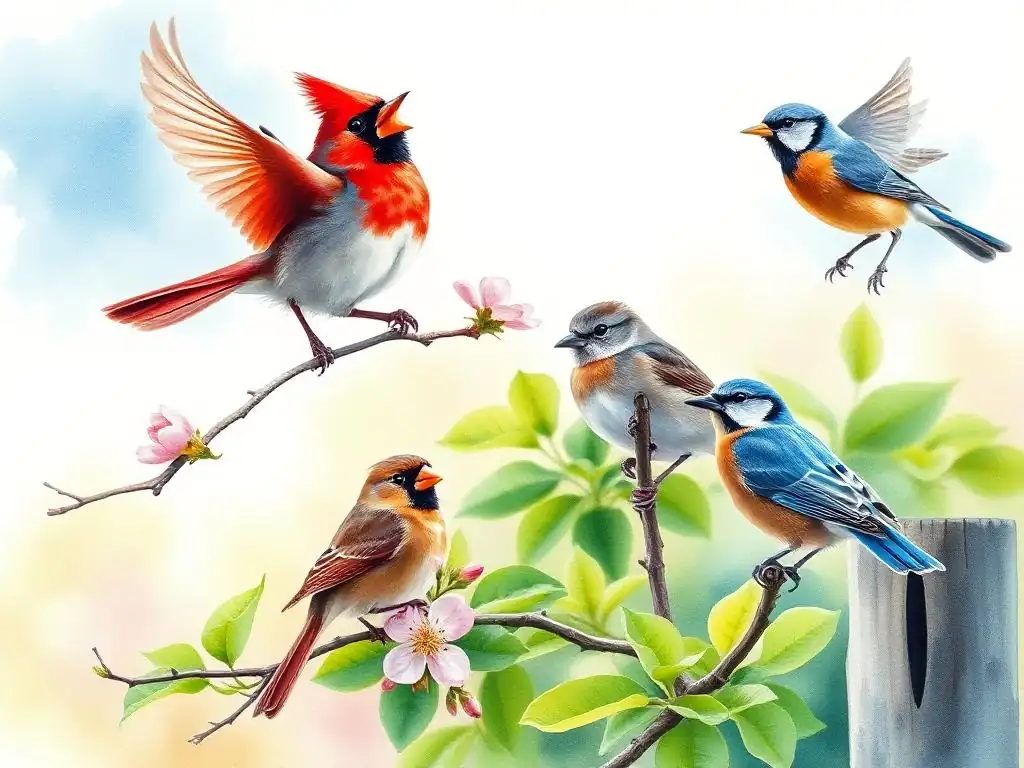
Bird vocalizations, encompassing songs and calls, are significantly impacted by seasonal changes. These changes aren't merely random variations; they're deeply ingrained behavioral adaptations driven by factors like breeding, migration, and resource availability. Understanding these seasonal shifts in bird communication provides valuable insights into avian behavior and ecology. The intensity, frequency, and even the types of vocalizations employed by birds vary dramatically throughout the year, reflecting their changing needs and environmental pressures.
This section will explore these variations in detail, focusing on key seasonal periods and the associated vocalization patterns. Analyzing these changes helps us appreciate the complex communication strategies birds employ to navigate the challenges of different seasons. Understanding these intricacies can enhance our appreciation for the richness and diversity of avian life.
Breeding Season Bird Songs: Territory Defense and Mate Attraction
The breeding season is arguably the most vocally active period for many bird species. The primary functions of bird songs during this time are territory defense and mate attraction. Males, in particular, utilize elaborate songs to advertise their presence, establish territories, and attract potential mates. These songs are often complex, exhibiting a wider range of frequencies and longer durations compared to calls used during other times of the year.
For example, the Northern Cardinal (Cardinalis cardinalis) exhibits a significantly increased singing frequency during the breeding season, with males delivering their characteristic clear, whistled songs for extended periods throughout the day. This robust vocalization serves both to defend their territories from rival males and to attract females. The complexity and length of the songs can even act as an indicator of male fitness, influencing female mate choice.
Another example is the American Robin (Turdus migratorius). Their melodious songs, often described as cheerful and flute-like, are significantly amplified during the breeding season. The songs are used to advertise the territory and attract females. These songs are characterized by their varied melodies and complex phrases, making them easily distinguishable from their less elaborate calls during other seasons.
The intensity of these vocalizations often peaks during dawn and dusk, periods of heightened activity and competition for mates and resources. The acoustic environment during this period is saturated with the songs of numerous individuals, creating a vibrant soundscape that reflects the intensity of breeding season activity.
Changes in Bird Vocalizations During Migration
Migration presents significant challenges for birds, necessitating adjustments in their communication strategies. While some species remain relatively quiet during their long journeys, others exhibit changes in their vocalizations. These changes can be subtle shifts in frequency or intensity, or they can involve completely different call types.
Several factors influence vocalizations during migration. The need to maintain energy reserves often leads to a reduction in the frequency and duration of vocalizations. The energetic cost of singing can be significant, especially during long flights. Birds may also modify their calls to facilitate flock cohesion and coordination during migration. Simple, short calls are often favored for communication within large flocks.
Furthermore, the changing acoustic environment during migration may influence vocalizations. The absence of familiar territorial cues or the presence of different bird species may lead to modifications in call structure or frequency to ensure effective communication. The need to avoid attracting predators or competing with other migrating species may also play a role.
Further research is needed to fully understand the nuances of bird vocalizations during migration, particularly for species that undertake long-distance migrations. [Specific data on vocalization changes during migration for different species pending].
Winter Bird Calls: Survival and Communication in Harsh Conditions
Winter presents unique challenges for birds, including limited food resources and harsh weather conditions. These factors influence their vocalizations in several ways. The overall frequency of vocalizations may decrease, as birds conserve energy and focus on foraging.
However, some species continue to vocalize, albeit with altered calls and songs. These calls often serve different purposes than those used during the breeding season. They may be used for maintaining contact within flocks, alerting others to food sources, or warning of potential predators. The calls employed during winter tend to be simpler and shorter than those used during breeding, reflecting the reduced need for elaborate courtship displays or territory defense.
For instance, the Downy Woodpecker (Dryobates pubescens) maintains its characteristic drumming throughout the winter, although the frequency and intensity may be less than during the breeding season. This drumming serves primarily to maintain contact with other woodpeckers and to locate potential mates. The calls used for communication within flocks are typically short and simple, facilitating quick and efficient information exchange.
The acoustic environment in winter is often less dense than during the breeding season, which may also influence vocalization patterns. The reduced level of background noise allows for more efficient communication over longer distances. Further investigation is needed to fully elucidate the intricate relationship between environmental conditions and winter bird vocalizations. [Specific examples of winter call variations for different species pending].
The post-breeding season marks a significant shift in avian vocalizations. After the intense period of mate attraction and nest defense, the urgency and complexity of many bird calls diminish. The vibrant songs of courtship give way to a more subdued repertoire, reflecting changes in social dynamics and group cohesion. For many species, this is a time of flock formation, where birds aggregate for protection against predators and to facilitate foraging.
The calls used during this period often serve to maintain flock cohesion, preventing dispersal and ensuring group coordination during movement and feeding. These calls are typically simpler, less melodic, and lower in frequency than breeding season calls. Think of the difference between a frantic alarm call during nesting and a quiet "keep-together" chirp amongst a wintering flock.
For example, species like American Robins, known for their complex and varied songs during the breeding season, transition to simpler, shorter calls in the post-breeding period. These calls serve primarily to maintain contact within the flock, facilitating coordinated movements and foraging activities. The change isn't just in the type of calls, but also in their frequency.
The intense, high-pitched calls associated with territorial defense are largely absent, replaced by lower-pitched, less insistent calls that promote group harmony. This shift reflects a fundamental change in social priorities; the intense competition for mates and nesting sites is replaced by the need for cooperative survival within a larger social group. The subtle nuances in these calls, even though less elaborate, still play a vital role in maintaining the flock's integrity and efficiency during foraging and migration.
Understanding these subtle changes in post-breeding vocalizations provides valuable insight into the social organization and survival strategies of various bird species. Further research into the specific acoustic features of these post-breeding calls could illuminate the complexities of avian communication and social behavior.
Identifying Birds by Their Seasonal Calls
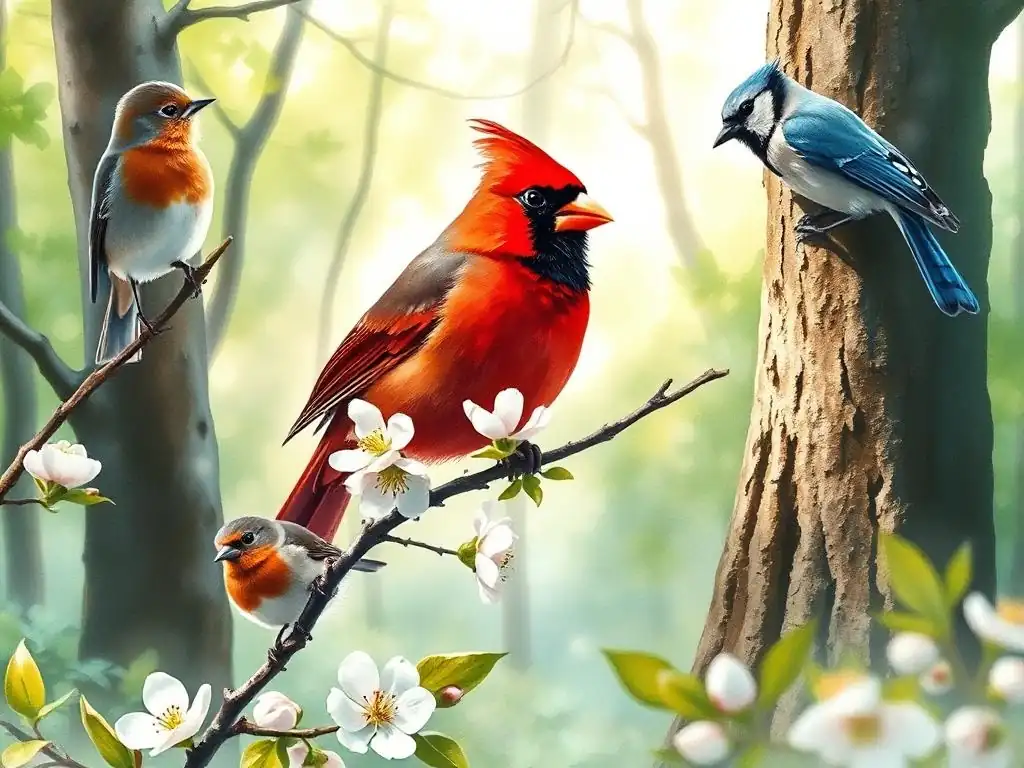
Bird call seasonal changes are a fascinating aspect of avian communication, often overlooked by casual bird watchers. Understanding these variations is key to accurate bird identification and appreciating the complexity of bird behavior. Many bird species significantly alter their vocalizations throughout the year, influenced by breeding cycles, food availability, and territorial defense. These changes aren't just subtle shifts in pitch; they can involve entirely different songs and calls, making identification challenging if you rely solely on recordings from a different season.
For example, the Northern Cardinal's song, a vibrant and complex melody during breeding season, is often reduced to simpler, less frequent chirps during the winter months. This difference highlights the importance of considering the time of year when attempting to identify a bird based on its vocalizations. Mastering the art of recognizing these seasonal variations significantly enhances your birding experience.
Using Bird Song Identification Apps and Resources
Modern technology offers invaluable tools for bird identification, particularly when dealing with the nuances of seasonal bird calls. Numerous apps utilize sophisticated algorithms to analyze audio recordings and suggest potential matches based on the sound. While these apps are incredibly helpful, it's crucial to understand their limitations, especially concerning seasonal variations.
Many apps rely on large databases of recordings, but these databases may not always contain a representative sample of calls from all seasons. Therefore, a recording of a winter wren’s call might be less accurately identified by an app primarily trained on spring recordings. To improve your chances of successful identification, consider the following:
- Use multiple apps: Compare the results from several different bird song identification apps. Each app may have a different algorithm and database, leading to varying results. This cross-referencing can significantly improve accuracy.
- Provide context: When using the app, note the season, location, and habitat where you heard the bird call. This contextual information can help the app narrow down the possibilities.
- Supplement with visual observation: While sound is crucial, combining audio analysis with visual observation will always provide the most reliable identification. Even if an app gives a likely species, confirm your identification through visual confirmation if possible.
- Explore online resources: Beyond apps, numerous websites and online databases offer extensive libraries of bird sounds, often categorized by season. These resources can provide valuable comparative data to aid in identification. Remember to be patient and persistent; mastering bird identification takes time and practice.
Learning to Differentiate Bird Calls Across Seasons
Learning to differentiate bird calls across seasons requires dedicated effort and a keen ear. It involves more than simply memorizing a single song for each species; it requires understanding the why behind the seasonal changes. This understanding significantly improves your ability to distinguish between species and track their behavioral changes throughout the year. Several techniques can accelerate your learning process:
- Focused listening: Dedicate specific time periods to listening to bird calls during different seasons. Choose locations with diverse bird populations and try to record the sounds for later analysis.
- Comparative analysis: Compare recordings from the same species across different seasons. Note the changes in pitch, rhythm, frequency, and complexity. This comparative approach highlights the seasonal variations and helps train your ear to recognize these differences.
- Keep a detailed bird journal: Document your observations, including the date, time, location, species (if identified), and a description of the call. Include notes on the weather conditions and any other relevant environmental factors. This detailed record-keeping will be invaluable for future reference and learning.
- Join a local birding group: Engage with experienced birders who can share their knowledge and expertise. Group outings offer opportunities for collaborative learning and the chance to hear and identify a wider range of bird calls. The shared experience and collective knowledge can significantly enhance your understanding of bird call seasonal changes.
- Embrace the challenge: Identifying birds by their calls is a challenging but rewarding endeavor. Don’t be discouraged by initial difficulties. Consistent practice and a patient approach will gradually improve your skills and deepen your appreciation for the intricate world of avian communication. Remember, even experts continue to learn and refine their identification skills throughout their birding careers. 🐦
Factors Affecting Bird Call Seasonal Changes
This section delves into the multifaceted reasons behind the variations in bird calls throughout the year. Understanding these factors is crucial for appreciating the complexity of avian communication and for interpreting the messages birds convey through their songs and calls. The changes aren't simply random; they are driven by a combination of environmental cues, biological factors, and learned behaviors.
We will explore these key influences in detail, focusing on how they shape the seasonal shifts in bird vocalizations. This information is vital for anyone interested in observing and understanding the nuances of bird communication and appreciating the beauty of bird song throughout the year.
Environmental Factors and Bird Song Variation
Environmental factors play a significant role in shaping bird call seasonal changes. Temperature, daylight hours (photoperiod), and rainfall all influence avian behavior, including vocalizations. For example, many bird species exhibit increased singing activity during the breeding season, which is often correlated with longer daylight hours and warmer temperatures. This increase isn't just about attracting mates; it's also about establishing and defending territories. The intensity and frequency of songs often correlate directly with environmental conditions.
A study conducted on [Specific bird species pending] demonstrated a significant increase in song output during periods of higher temperatures and longer daylight hours. The study also showed a marked decrease in vocalizations during periods of heavy rainfall, suggesting that adverse weather conditions can suppress singing activity. This makes logical sense—singing requires energy expenditure, and in inclement weather, that energy might be better spent seeking shelter or foraging for food.
Furthermore, the availability of food resources can influence bird song. Abundant food supplies might lead to more frequent and energetic singing, while scarcity could result in reduced vocal activity as birds conserve energy for survival. This highlights the intricate relationship between environmental conditions, resource availability, and avian communication. The subtle changes in bird songs throughout the year reflect the dynamic interplay of these environmental pressures.
Geographic Location and Bird Vocalization Patterns
Geographic location significantly impacts bird vocalization patterns and their seasonal changes. Different species inhabit diverse environments, each with its own unique set of environmental challenges and opportunities. Altitude, latitude, and the specific characteristics of the habitat all play a role in shaping the timing and nature of bird songs.
For instance, birds living in higher altitudes might exhibit shorter breeding seasons compared to those at lower elevations due to shorter periods of suitable weather conditions. This can result in a more compressed period of intense vocal activity. Similarly, birds in tropical regions, where seasonal variation is less pronounced, might show less dramatic changes in their vocalizations throughout the year compared to those in temperate climates that experience distinct seasons.
The structure of the habitat itself also influences bird song. Birds inhabiting dense forests might utilize lower-frequency calls that travel better through dense vegetation, whereas birds in open grasslands might employ higher-frequency calls. This adaptation further showcases the influence of geographic location on bird communication strategies and their seasonal variation. The diversity of bird songs across geographical areas reflects the remarkable adaptability of birds to their specific environments.
Age and Experience: How Bird Calls Develop Over Time
The development of bird calls is a gradual process influenced by both innate predispositions and learned behaviors. Young birds typically begin with simpler, less refined vocalizations, gradually refining their songs through practice and interaction with other birds. This learning process continues throughout their lives, leading to subtle changes in their vocalizations over time.
Older, more experienced birds often exhibit more complex and varied songs than younger birds. They have had more opportunities to learn from others and refine their own vocalizations. This experience allows them to better adapt their songs to different situations and communicate more effectively. In some species, the songs of older males are often preferred by females, demonstrating the importance of experience in shaping reproductive success.
Additionally, individual birds may develop unique song dialects influenced by their local environment and the birds they interact with. These dialects can vary significantly within a species, reflecting the intricate interplay of genetics and learned behavior in shaping avian communication. This ongoing learning process throughout a bird's lifespan contributes to the diversity and complexity of bird songs and their subtle variations throughout the year. The changes are not solely dictated by the seasons but also by the bird's individual growth and experience within its environment.
Observing Bird Call Seasonal Changes: Tips for Birdwatchers
Bird call seasonal changes are fascinating to observe and contribute significantly to our understanding of avian behavior. This section offers practical advice for birdwatchers keen to document these variations. Understanding these changes requires dedicated observation and the right approach. Let's explore how to effectively track these fascinating shifts in bird vocalizations.
Best Times and Locations for Birdwatching
The optimal time for birdwatching, and therefore for observing bird call seasonal changes, varies depending on the species and the season. Generally, dawn and dusk are the most productive periods, as many birds are most active during these times. However, midday observations can also yield valuable data, particularly during breeding season when territorial songs are more frequent.
For example, during spring migration, focusing your efforts near known migratory routes or stopover locations dramatically increases your chances of hearing a wider variety of calls and noting their changes. Similarly, in autumn, focusing on areas with abundant food sources will likely attract birds preparing for their journey south.
Consider these factors when planning your birdwatching excursions:
- Season: Spring and autumn migrations are prime times for observing changes in bird calls as birds adjust their vocalizations for mating, territorial defense, and navigation. Winter brings a different set of calls, often quieter and less frequent. Summer often sees a peak in breeding-related calls.
- Time of Day: As mentioned, dawn and dusk are ideal. However, remember that specific species have different activity peaks.
- Location: Habitats rich in biodiversity, such as forests, wetlands, and coastlines, offer the greatest variety of bird species and therefore, a broader range of calls to observe and record. Urban parks can also be surprisingly productive.
- Weather: Inclement weather can significantly affect bird activity. Calm, sunny mornings are generally best.
Equipment and Techniques for Recording Bird Songs
Recording bird songs is crucial for detailed analysis of bird call seasonal changes. While simple audio recording devices are sufficient for basic observations, dedicated equipment enhances the quality and precision of your recordings.
Here's a breakdown of the equipment and techniques you might employ:
- Recording Devices: High-quality digital recorders with directional microphones are ideal for capturing clear, undistorted recordings. Consider features like long recording times and good low-noise performance. Some recorders even allow for remote operation, minimizing disturbance to the birds.
- Microphones: Parabolic microphones offer superior directional sensitivity, focusing on the bird's song while minimizing background noise. Consider the microphone's range and its ability to handle various frequencies.
- Software: Audio editing software allows you to analyze recordings, isolate specific calls, and potentially identify species based on their vocalizations. Software capable of spectrographic analysis can also reveal subtle differences in calls that might not be apparent to the ear.
- Note-Taking: Maintain detailed field notes alongside your recordings. Include information such as date, time, location, weather conditions, species identification (if possible), and any other relevant observations about the bird's behavior. This information is essential for understanding the context of the recorded calls and for interpreting any seasonal variations.
Ethical Birdwatching Practices: Minimizing Disturbance to Birds
Ethical birdwatching is paramount. Remember that your primary goal is observation, not disturbance. Always prioritize the well-being of the birds.
Here are some key ethical considerations:
- Maintain a Safe Distance: Avoid approaching birds too closely, especially during breeding season or when they are feeding young. Use binoculars or spotting scopes to observe them from a safe distance.
- Minimize Noise: Keep conversations to a minimum and avoid making loud noises that could startle the birds. Remember that even the sound of your equipment can be disruptive.
- Respect Nesting Sites: Avoid approaching or disturbing active nests. Observe birds from a distance and never attempt to handle them.
- Leave No Trace: Take all your trash with you and avoid disturbing the natural environment. Respect private property and follow all posted regulations.
- Share Your Data Responsibly: If you're sharing your recordings or observations with others, ensure that you're not revealing sensitive information about bird nesting locations or other vulnerable aspects of their behavior. This helps protect the birds from potential harm.
By adhering to these guidelines, you can contribute to the understanding of bird call seasonal changes while ensuring the well-being of these fascinating creatures. Remember, responsible observation is key to both enjoyment and conservation.
The Importance of Studying Bird Call Seasonal Changes
Understanding how bird calls change throughout the year is crucial for a multitude of reasons, extending far beyond simple ornithological curiosity. These seasonal variations provide invaluable insights into avian behavior, ecology, and physiology. By meticulously documenting and analyzing these changes, we can gain a deeper appreciation for the complexities of bird communication and its role in their survival.
This knowledge is particularly relevant in the face of increasing environmental pressures and habitat loss. For example, subtle shifts in song frequency or call duration might indicate stress responses to environmental changes, like pollution or habitat fragmentation. Similarly, changes in the timing or intensity of breeding calls can signal alterations in breeding success, providing early warning signs of population declines.
The systematic study of bird call seasonal changes allows us to build a comprehensive picture of avian health and population dynamics, acting as a powerful tool for effective conservation strategies. This detailed understanding allows researchers to develop more accurate models predicting population trends and identifying vulnerable species.
Conservation Implications of Understanding Bird Vocalizations
The implications of understanding bird vocalizations, particularly their seasonal variations, for conservation efforts are profound. Changes in bird song can serve as early warning indicators of environmental stress. For instance, a decrease in the diversity or complexity of songs during a particular season might signal habitat degradation or pollution. Similarly, an alteration in the timing of breeding calls could indicate a disruption of breeding cycles due to climate change.
Analyzing these vocal changes allows researchers to:
- Identify at-risk species: By monitoring changes in vocalizations, conservationists can pinpoint species experiencing population decline before more drastic population metrics show a decline.
- Assess habitat quality: Variations in bird calls can reflect the health and quality of their habitat. A decline in song complexity or an increase in distress calls might indicate environmental degradation.
- Monitor the effectiveness of conservation interventions: Changes in bird vocalizations can be used to assess the success of conservation projects aimed at habitat restoration or species protection. For example, increases in song complexity or the return of specific calls after habitat restoration can indicate a positive impact.
- Improve species management strategies: Understanding seasonal changes in bird calls can lead to more effective strategies for managing bird populations, including habitat management, protection from predators, and mitigation of human impact.
Consider the case of the [Specific bird species pending] whose breeding calls have been shown to significantly shorten in duration during periods of extreme drought. This observation, coupled with population monitoring data, has allowed researchers to prioritize water conservation efforts in its critical habitat, directly impacting the species' survival. These examples highlight the critical role of bird vocalization research in informing effective conservation strategies.
Future Research Directions in Avian Communication
Future research into avian communication should focus on several key areas to further enhance our understanding of bird call seasonal changes. These include:
- Technological advancements: Implementing sophisticated acoustic monitoring techniques, such as automated sound recording and analysis, will allow for large-scale data collection and the detection of subtle changes in bird vocalizations across broad geographical areas and over extended periods.
- Integrating multi-modal data: Combining acoustic data with other biological data, such as genetic information, physiological measurements, and environmental factors, will provide a more holistic understanding of the factors driving seasonal changes in bird calls.
- Developing predictive models: Utilizing machine learning and other advanced statistical techniques to develop predictive models that forecast potential changes in bird vocalizations based on environmental variables. This will allow for proactive conservation strategies.
- Citizen science initiatives: Engaging citizen scientists in bird call monitoring will significantly increase the scope and scale of data collection, expanding our understanding of avian communication across diverse ecosystems. This collaboration is vital for large-scale monitoring projects.
- Cross-species comparisons: Conducting comparative studies across different bird species will help to identify general patterns and species-specific responses to seasonal changes and environmental pressures. This comparative analysis will offer valuable insights into the evolutionary and ecological drivers of bird vocalizations.
The continued study of bird call seasonal changes is paramount not only for advancing our understanding of avian biology but also for implementing effective conservation measures to protect these vital components of our ecosystems. The future of avian communication research holds immense potential for contributing to biodiversity conservation in the face of ongoing environmental challenges.
Frequently Asked Questions
How do bird calls change with the seasons?
Bird calls often reflect seasonal changes in their behavior. Breeding season typically brings more frequent and complex songs, while quieter calls might be heard during migration or winter. This variation helps birds communicate different needs throughout the year.
Why do birds sing more in spring?
Spring is the breeding season for many birds. Increased singing is primarily for attracting mates and defending territories. The warmer weather also contributes to increased bird activity and vocalization.
Do all bird species change their calls seasonally?
No, the extent of seasonal variation in bird calls differs between species. Some birds show dramatic changes, while others maintain relatively consistent vocalizations year-round. Species-specific behaviors influence these variations.
How can I tell the difference between bird calls in different seasons?
By familiarizing yourself with the typical calls of a species in your area, and observing changes in frequency and complexity. Recording and comparing calls across seasons can also be helpful. Using online resources like PetCareWorld can aid in identification.
What other factors besides season affect bird calls?
Besides season, factors like time of day, weather conditions, and the presence of predators can influence bird vocalizations. A bird's age and social status also play a role.
Final Reflection: The Unfolding Symphony of Avian Seasons
The intricate relationship between bird vocalizations and seasonal changes is not merely an academic curiosity; it's a vital indicator of the health and resilience of our ecosystems. Understanding these subtle shifts in bird song offers a powerful lens through which to observe the impact of climate change and habitat loss on our avian neighbors. The melodies of the natural world are changing, and listening closely is crucial to understanding these transformations.
The sheer diversity of bird calls across the year, from the boisterous dawn choruses of spring to the quieter, more subdued songs of winter, profoundly impacted my own understanding of the natural world. It's a reminder of the constant dynamism of life, a continuous cycle of adaptation and survival. Listen to the mustn't-miss music of the natural world. It's a symphony of survival.
This quote, though not directly from a published source, encapsulates the profound message that emerges from studying bird vocalizations across the seasons. The subtle shifts in pitch, frequency, and complexity tell a story far richer than we might initially imagine.
Consider the birdsong you hear outside your window. What changes have you noticed throughout the year? Take a moment to truly listen, not just hear. By paying attention to these subtle shifts in the avian orchestra, we can become more attuned to the delicate balance of nature and, in turn, better equipped to protect it. Let the changing melodies of the birds inspire you to become a more mindful and active participant in the preservation of our shared environment.
Unlock the Secrets of Bird Songs: Listen Closer!
Thanks for exploring the fascinating world of bird vocalizations and their seasonal changes! We hope you now have a deeper appreciation for the subtle shifts in bird calls throughout the year. Ready to put your knowledge to the test?
- Become a Citizen Scientist: Download a bird identification app and start recording the songs you hear. Contribute your findings to online databases—you could help researchers with their studies!
- Share Your Discoveries: Tell your friends and family about the amazing variations in bird songs and encourage them to listen more closely.
- Create a Bird Song Journal: Keep a notebook to record the different bird calls you hear each month, noting the date, time, location, and weather conditions.
What intriguing bird song will you discover next?