Boost Your Bird's Immunity: The Power of Fresh Fruits and Vegetables
😊 Discover the best fruits and vegetables to supercharge your bird's immune system! PetCareWorld reveals nature's powerful arsenal for a healthier, happier…
Read article
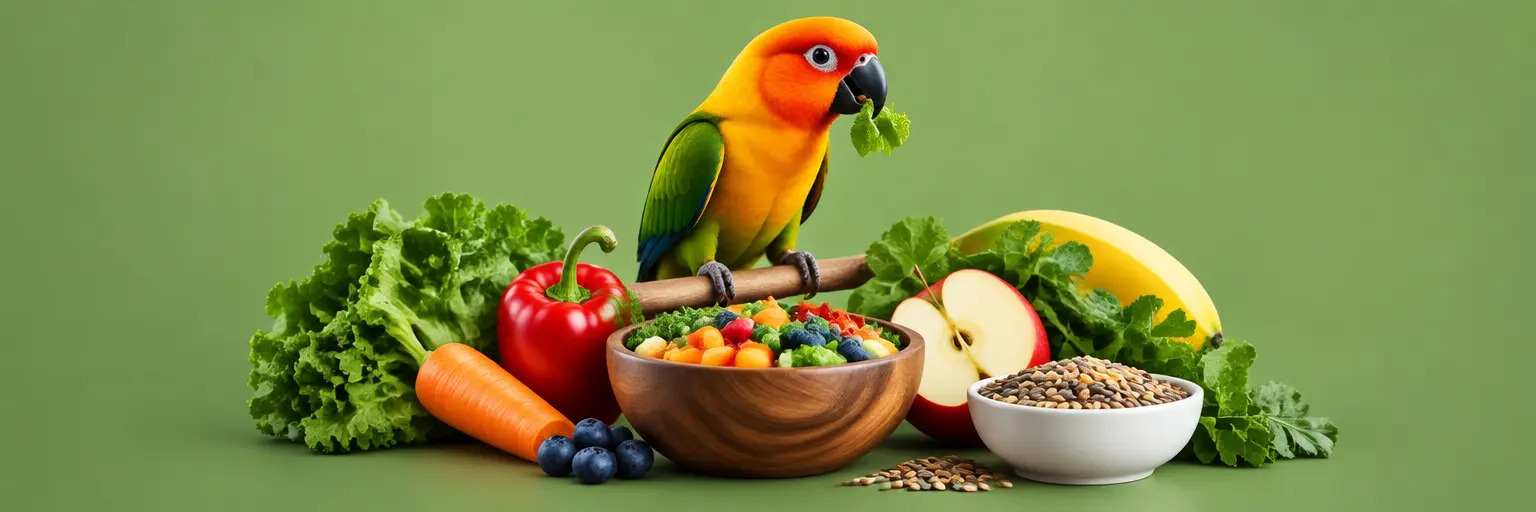
Discover the vibrant world of bird nutrition with our expert guide to fresh foods for birds—a crucial pillar of optimal avian health. Beyond seeds and pellets, incorporating fresh fruits, vegetables, leafy greens, and safe herbs into your feathered friend’s diet can dramatically boost their immunity, feather vibrancy, and overall energy. Rich in essential vitamins, minerals, and natural antioxidants, these wholesome treats mimic a bird’s wild foraging behavior, providing both mental stimulation and physical nourishment. From crunchy bell peppers to juicy berries and dark, leafy kale, we break down the safest foods, proper preparation techniques, and daily serving ratios tailored to species like parrots, cockatiels, and budgies. Whether you’re looking to fix a picky eater or simply elevate your pet’s meal plan, our practical tips ensure you avoid toxic foods like avocado, chocolate, or onion. Unlock the secret to a longer, happier, and more playful companion—because vibrant birds start with fresh, colorful plates. Transform your bird’s bowl today and watch them thrive! 🦜🥦🍎
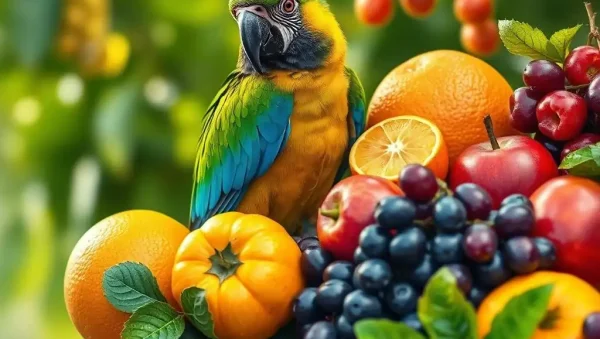
😊 Discover the best fruits and vegetables to supercharge your bird's immune system! PetCareWorld reveals nature's powerful arsenal for a healthier, happier…
Read article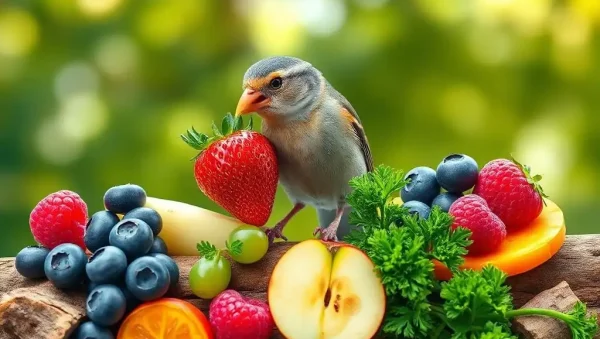
😊 Discover the "Best bird fresh food diet" with our step-by-step guide! Learn how to safely and effectively integrate fresh foods into…
Read article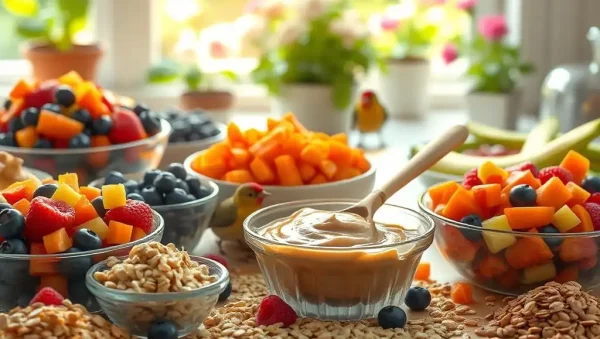
😊 Discover the secrets to vibrant bird health with PetCareWorld's "Fresh Food Prep 101"! Learn easy, nutritious meal preparation, including the best…
Read articleWelcome to PetCareWorld’s dedicated guide on fresh foods for birds! While seeds and pellets form the foundation of your feathered friend’s diet, adding fresh fruits, vegetables, and herbs is essential for boosting immunity, feather quality, and overall vitality. This subcategory dives deep into the world of avian superfoods, safe preparation methods, and species-specific recommendations. Whether you own a budgie, cockatiel, or African grey, you’ll discover actionable insights to transform mealtime into a nutrient-packed adventure. Explore our expert tips to ensure your bird thrives with energy, shiny plumage, and a longer, happier life.
Vegetables are the cornerstone of a fresh-food diet, providing vitamins A, C, and K, plus fiber and antioxidants. Dark leafy greens like kale, spinach, and Swiss chard are powerhouses, but cruciferous options such as broccoli and cauliflower offer cancer-fighting compounds. Root vegetables like carrots and sweet potatoes are rich in beta-carotene, which supports eye health and vibrant feather color. Always wash produce thoroughly and chop into bird-safe sizes to prevent choking. Rotate varieties daily to avoid boredom and ensure a broad nutrient profile.
Introduce vegetables gradually, especially if your bird is accustomed to all-seed diets. Start with finely shredded or grated textures mixed into familiar foods. Some birds prefer raw, while others enjoy lightly steamed veggies for easier digestion. Avoid avocado, onion, garlic, and raw potatoes, as these are toxic. By consistently offering a colorful vegetable medley, you’ll encourage foraging instincts and reduce the risk of fatty liver disease. Remember, fresh water must always accompany fresh foods to aid hydration and nutrient absorption.
Fruits are natural treats that provide quick energy, vitamin C, and hydration, but they also contain natural sugars that can lead to obesity if overfed. Excellent choices include apples (without seeds), berries, mango, papaya, and melon, which are low on the glycemic index. Bananas and grapes are higher in sugar, so offer them sparingly. Always remove pits and seeds from stone fruits like cherries, peaches, and plums, as they contain cyanide compounds. Citrus fruits like oranges are fine but may cause stomach upset in some birds, so introduce them in small amounts.
To maximize freshness, chop fruits just before serving to prevent oxidation and nutrient loss. Frozen fruits without added sugars are convenient alternatives that retain most vitamins. You can also create fun food puzzles by skewering fruit chunks onto a bird-safe kabob, promoting mental stimulation. Monitor your bird’s droppings after introducing new fruits to detect any digestive sensitivity. A balanced rule is to make fruits no more than 10–15% of the daily diet, with vegetables taking precedence for overall nutrition.
Fresh herbs like basil, cilantro, parsley, and dill are often overlooked but offer powerful antioxidants, volatile oils, and trace minerals. These aromatic plants can stimulate picky eaters and add variety without extra calories. More importantly, sprouts – such as mung beans, lentils, and alfalfa – are living foods packed with enzymes, amino acids, and chlorophyll. Sprouts dramatically increase protein and vitamin B content compared to their dried counterparts, making them ideal for molting birds or breeding pairs. Rinse sprouts twice daily to prevent mold growth and serve within 48 hours of germination.
Growing your own sprouts is simple with a jar and cheesecloth, ensuring zero pesticides. Introduce herbs slowly, as strong flavors can sometimes deter birds initially. Mix finely chopped herbs into cooked grains or mash. Sprouts can be offered whole or minced, and they double as a gentle digestive aid. Avoid toxic herbs like tarragon, sage in excess, or any from the nightshade family. Foraging on fresh greens also reduces stress and boredom, closely mimicking natural wild behaviors. Incorporate these microgreens into your bird’s bowl for a nutritional boost that’s easy to digest and wildly appealing.
Correct preparation is non-negotiable for safety and nutrient preservation. Always wash produce under running water, scrubbing firm-skinned items with a brush. Remove all pits, seeds, stems, and tough cores. Cut fruits and vegetables into pieces no larger than the space between your bird’s beak and eye to prevent choking. Serve at room temperature – cold foods can shock a bird’s crop. Use separate cutting boards for produce and raw meats to avoid cross-contamination. Remove uneaten fresh food after 2–4 hours to prevent bacterial growth, especially in warm climates.
For birds that refuse raw produce, try lightly steaming or baking vegetables until soft but not mushy. Pureeing fruits and veggies into a smoothie or mixing them into cooked whole grains (quinoa, brown rice) enhances acceptance. Never add salt, sugar, oils, or seasoning. Offer fresh food in a separate bowl from dry pellets to allow easy cleaning. Gradually increase quantities over two weeks while reducing seeds to avoid sudden dietary shock. Always consult an avian vet for species-specific portion sizes, especially for larger parrots that require more roughage. Consistency and patience will turn a hesitant eater into a fresh-food enthusiast.
Different bird species have unique nutritional needs and taste preferences. Budgies and cockatiels thrive on finely shredded carrots, broccoli florets, and leafy greens, while lories and lorikeets require nectar-heavy fruits like papaya and apples, but they also enjoy occasional vegetables. African greys and amazons need calcium-rich greens like kale and bok choy, plus fruits high in vitamin A. Small finches and canaries prefer chopped berries and zucchini, while large macaws benefit from whole corn cobs and chunky root vegetables for foraging enrichment. Research your bird’s native diet to mimic wild food sources as closely as possible.
For example, Amazon parrots naturally consume more fruit, while eclectus parrots do better on a high-fiber vegetable base with minimal sugar. Always adjust based on your bird’s activity level, age, and reproductive status. Breeding birds may need more protein-rich sprouts and legumes. Senior birds often prefer softer textures, such as mashed sweet potatoes or pureed berries. Monitor weight weekly and adjust portions accordingly. Offering a variety of fresh items across the week prevents nutritional deficiencies and alleviates boredom, which is a common trigger for feather plucking. Pair fresh foods with proper pellets, and your bird will flourish.
As a general rule, fresh foods should make up 20–30% of your bird’s daily intake. For a medium parrot, that’s about 1–2 tablespoons of chopped vegetables and a small piece of fruit. Adjust based on your bird’s weight and activity, ensuring they still eat their primary pellet diet to meet all nutritional needs.
Yes, but choose products without added sugars, salt, or sauces. Thaw them fully in the refrigerator and serve at room temperature. Frozen produce retains most nutrients and is a convenient backup. Just avoid refreezing leftovers, and never offer frostbitten or damaged portions.
Never feed avocado, chocolate, caffeine, alcohol, onion, garlic, raw beans, rhubarb, or apple seeds. Also avoid fruit pits from cherries, peaches, and plums. Moldy or spoiled produce can cause aspergillosis, so discard anything suspicious. Always double-check unfamiliar items before offering them.
Introduce one new item at a time, mixing it with a favorite food. Eat the food yourself in front of your bird – they often mimic flock behavior. Try different textures like whole leaves, grated, or pureed. Reward tasting with verbal praise, and never force-feed, as this creates negative associations.
No, fresh foods are a supplement, not a replacement. Pellets are formulated to provide balanced vitamins and minerals, while seeds can be a small treat. Aim for 70–80% pellets or quality seed mix, 20–30% fresh foods, and occasional protein sources like cooked egg or legumes. Always consult your avian vet for exact ratios for your bird’s species.







