Senior Bird Nutrition: Adjusting Diets for Aging Birds
😊 As your bird ages, its nutritional needs change. Discover the best senior bird food options and dietary adjustments to ensure your…
Read article
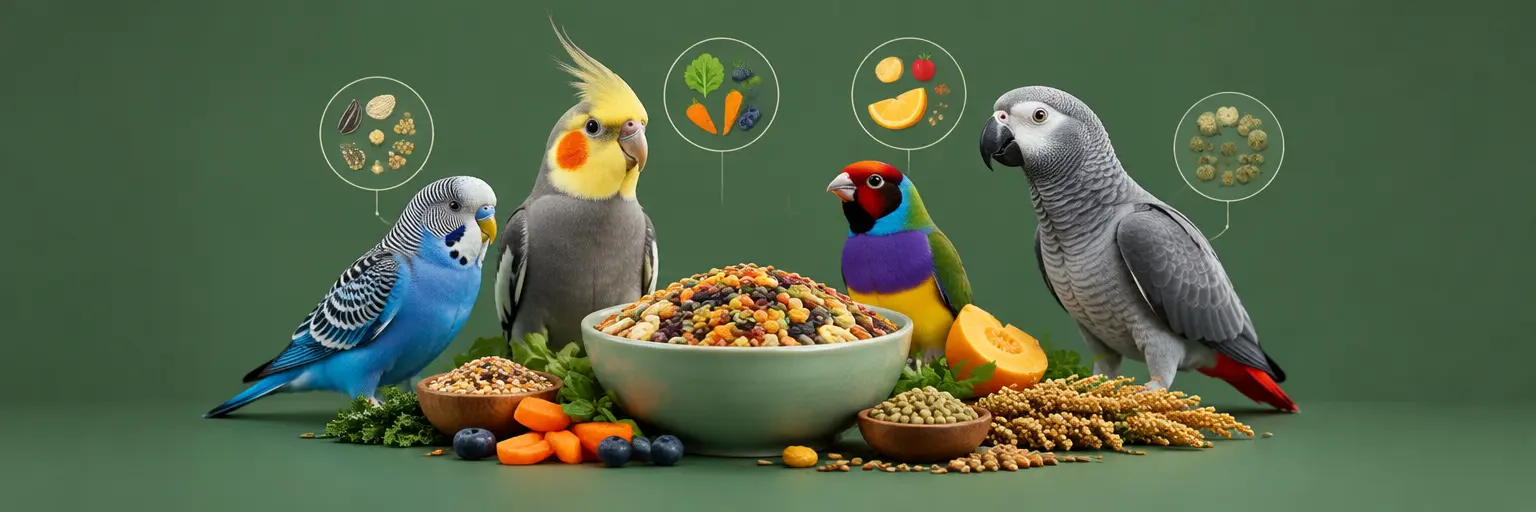
Discover the unique dietary needs of your feathered friend with our species-specific bird nutrition guides, tailored for cockatiels, parrots, budgies, canaries, and more. Each bird species has distinct metabolic and behavioral requirements, and our expert-backed advice breaks down the right balance of seeds, pellets, fresh fruits, vegetables, and essential supplements. Whether you’re raising a curious conure or a majestic macaw, learn how to prevent common nutritional deficiencies, support vibrant plumage, and boost immune health. From portion control to toxic foods to avoid, these guides offer practical, easy-to-follow feeding strategies that promote longevity and vitality. 🦜🍎 Empower your pet care routine with targeted, science-driven recommendations that go beyond generic advice—because when it comes to bird health, one size doesn’t fit all. Explore actionable tips on seasonal feeding, hydration, and treat selection, ensuring your bird thrives at every life stage. Trust PetCareWorld to help you become a more confident, informed bird parent today. 🐦✨
😊 As your bird ages, its nutritional needs change. Discover the best senior bird food options and dietary adjustments to ensure your…
Read article
😊 Discover the secrets to a thriving Amazon parrot! Our expert Amazon parrot diet guide reveals the optimal nutrition plan for a…
Read article
😊 Ensure your feathered friend thrives! PetCareWorld's guide reveals the safest and most nutritious turkey treats for birds, promoting optimal health and…
Read articleBirds are not one-size-fits-all companions, and their dietary needs vary dramatically between species—a budgie’s metabolism differs vastly from a macaw’s, and an African grey’s calcium requirements are unique. At PetCareWorld, our Species-Specific Bird Nutrition Guides are crafted to help you decode the complex nutritional puzzle for your feathered friend. Whether you own a cockatiel, parrotlet, conure, or finch, these guides break down the exact balance of seeds, pellets, fresh produce, and supplements your bird needs to thrive. By diving into these resources, you will learn how to prevent common nutritional deficiencies, support immune function, and extend your bird’s lifespan through informed feeding choices.
Parrots, including African greys, Amazons, and macaws, are prone to vitamin A and calcium deficiencies when fed seed-only diets. Our guides emphasize a foundation of high-quality formulated pellets (60-70% of intake), complemented by dark leafy greens, orange vegetables, and small portions of nuts for healthy fats. We explain how to transition a seed-addicted bird to pellets without stress, using gradual mixing and positive reinforcement.
You will also discover species-specific quirks, such as the African grey’s heightened need for dietary calcium and vitamin D3 to prevent hypocalcemia, or the hyacinth macaw’s requirement for high-fat palm nuts. Each guide includes a practical feeding chart with portion sizes based on body weight, plus signs of nutritional excess or deficiency—like flaky beaks or dull feathers—so you can adjust quickly and keep your parrot vibrant and energetic.
Small passerines like zebra finches and canaries have exceptionally fast metabolisms and require a diet rich in carbohydrates and proteins, yet low in fat. Our guides recommend a base of high-quality finch seed mixes, supplemented daily with egg food (for protein), sprouted seeds, and finely chopped greens. For softbills like toucans or mynahs, we shift focus to low-iron fruits and insect proteins to prevent hemochromatosis—an iron-storage disease common in these birds.
You will learn how to properly prepare soft foods to avoid spoilage, the exact ratios of fruit-to-protein (about 50:50), and which commercial nectar substitutes are safest. We also cover seasonal adjustments, such as increasing protein during molting or breeding, and how to recognize when a finch’s droppings indicate an improper fiber balance. These actionable tips help you mimic natural foraging diets while ensuring your tiny bird’s nutritional security.
If you raise chickens, quail, or ducks, your nutritional strategy differs sharply from pet parrots. Our species-specific guides for poultry concentrate on layer feeds (16-18% protein, high calcium), starter crumbles for chicks, and grower diets that support skeletal development without causing obesity. We break down the differences between mash, crumble, and pellet forms, and when each is appropriate for your flock’s age and production status.
You will also get insights into supplementing with oyster shell for eggshell strength, grit for digestion, and probiotics to maintain gut health during stress. We address common pitfalls, such as overfeeding scratch grains that dilute essential nutrients, and explain how to read feed tags to ensure your birds receive adequate methionine and lysine. These guides empower backyard keepers to optimize flock production while safeguarding bird welfare through precise, stage-based nutrition.
Nutrition isn’t just about what goes in the bowl—it’s also about how birds access food. Our species-specific guides highlight the importance of foraging as a nutritional tool, encouraging natural behaviors like tearing, shredding, and puzzle-solving. For cockatiels, we suggest foraging cups with hidden millet; for larger conures, we recommend skewered vegetables or paper-wrapped nuts; and for budgies, we propose clipped greens hung from cage tops.
We explain how foraging reduces feather plucking and obesity, both common in captive birds fed freely without mental challenges. You’ll find step-by-step enrichment ideas tailored to each species’ beak strength and intelligence, plus safety checks to avoid toxic woods or small parts. By integrating these practices, you not only improve physical health but also bolster your bird’s emotional well-being, turning mealtime into a rewarding adventure that mimics wild feeding ecology.
Some birds require therapeutic diets due to health conditions like atherosclerosis, fatty liver disease, or kidney failure—common in older cockatiels and Amazon parrots. Our guides provide species-specific meal plans that lower fat and cholesterol, increase soluble fiber (like oats), and restrict sodium. For birds with allergies, we outline elimination diets that remove common triggers such as peanuts, corn, or artificial dyes, then gradually reintroduce foods to identify culprits.
You will also learn how to create homemade purees or mashes for birds with beak injuries or chronic illness, ensuring they still get balanced nutrition without chewing difficulty. We cover safe weight-loss protocols, using a gram scale to track weekly progress, and how to adjust portion sizes without stressing the bird. These practical, vet-aligned recommendations give you confidence in managing complex dietary needs, turning food into a primary tool for healing and longevity.
Feeding an all-seed diet is the top error, as seeds are high in fat and low in essential vitamins like A and calcium. This leads to obesity, liver disease, and feather problems. Transition to a high-quality pellet base, and reserve seeds as an occasional treat or foraging reward, not the main meal.
Signs of calcium deficiency include soft-shelled eggs (in hens), muscle tremors, weakness, and seizures. Offer cuttlebone and mineral blocks, and include calcium-rich vegetables like kale and bok choy. For African greys, a vet may suggest a liquid calcium supplement during high-stress periods, but always consult before adding supplements.
Absolutely not. Birds have unique metabolic systems and require specific amino acids like arginine and methionine, plus no lactose. Mammalian diets lack essential avian nutrients and can cause organ failure. Always use species-appropriate bird food formulated by avian nutritionists.
Fresh food and water should be changed at least twice daily, and within two hours in warm weather to prevent bacterial growth. Remove uneaten perishables like fruits and vegetables after four hours. Always clean dishes with hot soapy water and rinse thoroughly to avoid residue.
Homemade diets can be safe if formulated precisely by an avian vet, but they often lack trace minerals. Most experts recommend using a 70% commercial pellet base, then adding safe fresh produce and cooked grains. If you choose homemade, rotate recipes and get regular blood panels to monitor for deficiencies.







