
Amazonian Appetites: What to Feed Your Amazon Parrot for a Long and Happy Life

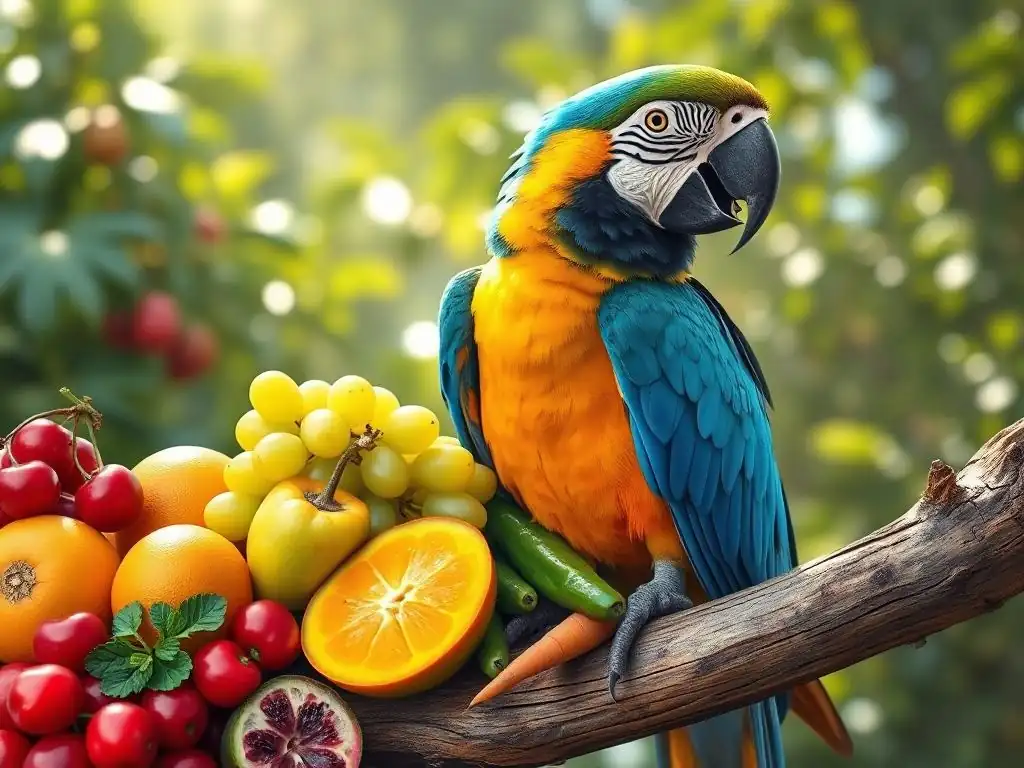
Welcome to PetCareWorld, your ultimate guide to a happier, healthier life for your beloved companion animals! Are you ready to unlock the secrets to providing optimal care for your feathered friend? Then dive into our comprehensive Amazon parrot diet guide, where we unravel the mysteries of proper nutrition for a long and thriving life with your amazing Amazon parrot. Discover the essential ingredients, avoid common pitfalls, and learn how to create a balanced diet that will keep your parrot vibrant and full of life. Let's embark on this enriching journey together!
- Understanding Your Amazon Parrot's Nutritional Needs: A Complete Diet Guide
- The Best Foods for Your Amazon Parrot: A Detailed Breakdown
- Creating a Balanced Amazon Parrot Diet Plan: Sample Daily Menu
- Potential Dangers in Amazon Parrot Diets: Foods to Avoid
- Providing Fresh Water and Maintaining Hygiene
- Supplementing Your Amazon Parrot's Diet: When and How
- Monitoring Your Amazon Parrot's Health and Adjusting the Diet Accordingly
- Frequently Asked Questions
- Final Reflection: Nurturing the Amazonian Spirit: A Legacy of Health and Happiness
- Unlock Your Amazon Parrot's Vibrant Potential!
Understanding Your Amazon Parrot's Nutritional Needs: A Complete Diet Guide
Amazon parrots, known for their vibrant plumage and incredible intelligence, are captivating companions. However, ensuring their long-term health and happiness hinges on providing a meticulously planned and balanced diet. This comprehensive guide, designed to help you become a knowledgeable caregiver, will delve into the specifics of creating a nutritionally sound diet for your Amazon parrot, addressing everything from essential nutrients to the pitfalls of nutritional deficiencies.
This guide aims to equip you with the knowledge to provide your feathered friend with the best possible care, contributing to a longer, healthier, and more fulfilling life together. We'll explore what constitutes a truly optimal Amazon parrot diet guide, helping you navigate the complexities of meeting their unique dietary requirements. Understanding their nutritional needs is the cornerstone of responsible Amazon parrot ownership, and this article will serve as your roadmap to success.
Essential Nutrients for Amazon Parrots: Vitamins, Minerals, and More
Amazon parrots require a diverse range of nutrients to thrive. Their diet must include a carefully balanced mix of vitamins, minerals, and other essential components. A deficiency in even one crucial nutrient can lead to serious health problems. Let's explore the key elements:
- Vitamins: Amazon parrots need a wide spectrum of vitamins, including Vitamin A (crucial for vision and immune function), Vitamin D3 (essential for calcium absorption), Vitamin E (an antioxidant), and various B vitamins (vital for energy metabolism and nerve function). Specific daily requirements vary depending on the age and size of your parrot, and consulting an avian veterinarian for personalized recommendations is highly advisable.
- Minerals: Minerals like calcium (for strong bones), phosphorus (for energy production), and potassium (for nerve and muscle function) are equally critical. Inadequate mineral intake can result in skeletal problems, muscle weakness, and other health issues. A balanced diet, supplemented if necessary under veterinary guidance, is key.
- Proteins: High-quality protein sources are essential for feather growth, muscle development, and overall health. These can be obtained from a variety of sources, including seeds, nuts, and legumes (in moderation). Overreliance on high-protein foods, however, can be detrimental.
- Fats: Healthy fats are also necessary, providing energy and aiding in the absorption of fat-soluble vitamins. However, excessive fat intake can lead to obesity and related health problems. The balance is crucial.
The Importance of a Balanced Amazon Parrot Diet
A balanced diet is paramount for preventing disease and ensuring your Amazon parrot lives a long and healthy life. Simply providing a variety of foods is not enough; the ratio of nutrients must be carefully considered. An unbalanced diet, even one seemingly diverse, can lead to serious health consequences. This is where a well-structured diet plan comes into play.
For example, a diet overly reliant on seeds can lead to obesity and nutritional deficiencies, as seeds are often high in fat and low in essential vitamins and minerals. Similarly, an overabundance of fruits can cause digestive upset and contribute to weight gain. The key is moderation and variety, ensuring a consistent supply of all necessary nutrients. A well-designed diet should mimic the natural diet of wild Amazon parrots, which consists of a wide range of fruits, vegetables, nuts, seeds, and insects.
Avoiding Nutritional Deficiencies in Your Amazon Parrot
Nutritional deficiencies can manifest in various ways, from subtle changes in behavior and plumage to more severe health problems. Early detection is crucial. Signs of nutritional deficiencies may include:
- Feather Problems: Dull, brittle, or patchy feathers can indicate a lack of essential vitamins and minerals.
- Weight Loss or Gain: Unexplained weight changes can signal dietary imbalances.
- Lethargy and Weakness: A lack of energy can be a symptom of nutritional deficiencies.
- Behavioral Changes: Changes in behavior, such as increased aggression or unusual lethargy, may also be indicative of underlying nutritional issues.
To avoid these issues, regular veterinary checkups are essential. A veterinarian can perform blood tests to assess nutrient levels and provide personalized dietary recommendations. Remember, proactive care is always preferable to reactive treatment. Maintaining a balanced diet, supplemented when necessary under veterinary guidance, is the best way to ensure your Amazon parrot remains healthy and happy for years to come. 🦜
The Best Foods for Your Amazon Parrot: A Detailed Breakdown
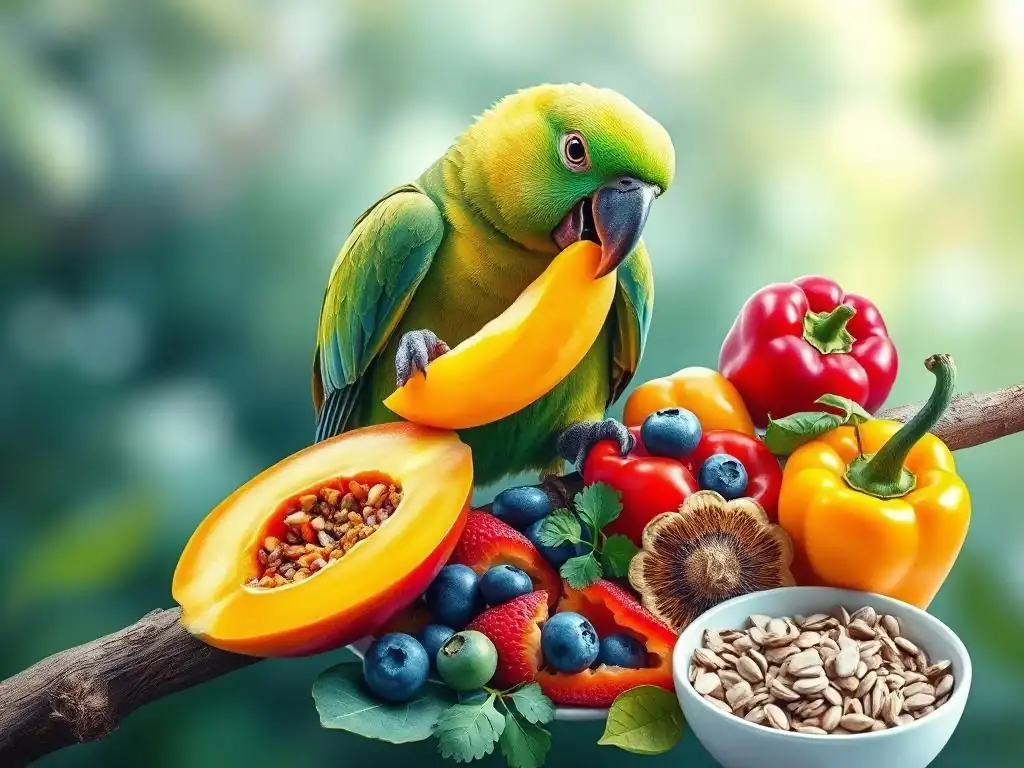
This section delves into the specifics of creating a nutritionally balanced diet for your Amazon parrot, crucial for ensuring a long and healthy life. Remember, a diverse diet is key to preventing nutritional deficiencies and promoting optimal health. This guide focuses on providing a comprehensive Amazon parrot diet guide, addressing the core components of a successful feeding plan. We'll explore the best food choices, emphasizing the importance of variety and portion control. Providing your feathered friend with the right nutrients contributes significantly to their vibrant plumage, strong immune system, and overall well-being. Let's dive into the details.
Fresh Fruits and Vegetables for Amazon Parrots: A Daily Must
Fresh produce forms a cornerstone of a healthy Amazon parrot diet. A wide variety is essential, offering a spectrum of vitamins, minerals, and antioxidants. Aim for a mix of colors to maximize nutrient intake. Here's a sample of excellent choices:
- Fruits: Apples (remove seeds), bananas (in moderation), berries (strawberries, blueberries, raspberries), mangoes, papayas, oranges (segments only), peaches, pears.
- Vegetables: Broccoli, carrots (shredded or chopped), bell peppers (various colors), green beans, spinach (in moderation), sweet potatoes, squash.
Remember to thoroughly wash all produce before serving to remove any pesticides or contaminants. Introduce new fruits and vegetables gradually to monitor your parrot's tolerance. Avoid avocado, as it contains toxins harmful to birds. The quantity of fruits and vegetables should comprise a significant portion of your parrot's daily intake – approximately 50-60% of their total diet. Providing a diverse selection daily ensures they receive a wide range of essential nutrients. Think of it as a colorful rainbow of health! 🌈
High-Quality Seeds and Pellets for Amazon Parrots: Choosing the Right Options
While seeds and pellets shouldn't form the majority of your Amazon's diet, they contribute essential nutrients and can be a valuable part of their daily intake. However, choosing the right options is crucial.
Many commercially available seed mixes are high in fat and low in essential nutrients. Opt for high-quality parrot pellets formulated specifically for Amazons. These pellets are nutritionally balanced and provide a consistent source of vitamins and minerals. Look for pellets that are low in fat and high in fiber. A good pellet will be readily accepted by your bird and promote healthy digestion.
Seeds should be offered in moderation as a treat, not a staple. Sunflower seeds, for example, are high in fat and should be given sparingly to avoid obesity and related health problems. A small amount of a mixed seed blend can be offered alongside the pellets and fresh produce, but it should not exceed 10-15% of the total daily food intake. Always look for seed mixes that are free of artificial colors, flavors, and preservatives.
Healthy Nuts and Seeds for Amazon Parrots: Moderation is Key
Nuts and seeds can offer beneficial fats and essential nutrients, but should be given sparingly. Overconsumption can lead to obesity, liver problems, and other health issues. Offer nuts and seeds as occasional treats, not as a regular part of their diet.
Here are some suitable options, but always remember moderation is key:
- Nuts: Almonds (unsalted, unroasted), Brazil nuts (in very small quantities), cashews (unsalted, unroasted), macadamia nuts (in very small quantities).
- Seeds: Pumpkin seeds, sesame seeds, flax seeds (ground).
Important Considerations Regarding Nut and Seed Portions
A good rule of thumb is to limit nuts and seeds to no more than 5% of your parrot's total daily caloric intake. Observe your bird's weight and adjust accordingly. If you notice weight gain, reduce the amount of nuts and seeds offered. Remember, a balanced diet is the key to a healthy and happy Amazon parrot!
Remember, this Amazon parrot diet guide serves as a starting point. Always consult with an avian veterinarian to tailor a feeding plan specific to your parrot's age, health, and individual needs. Regular veterinary check-ups are vital for maintaining your bird's optimal health and addressing any potential dietary concerns promptly.
Safe and Beneficial Treats for Amazon Parrots: Occasional Indulgences
While a consistent, nutritionally balanced diet forms the cornerstone of your Amazon parrot's health, occasional treats can add variety and enrichment to their lives. However, moderation is key. Too many treats can disrupt the balance of their diet, leading to nutritional deficiencies or weight gain. Think of treats as a tiny percentage of their overall daily caloric intake – perhaps no more than 5-10%.
Choosing the right treats is crucial. Avoid anything processed, sugary, salty, or containing artificial colors or flavors. These can be detrimental to their health, potentially leading to obesity, liver problems, or other health complications. Always opt for natural, wholesome options.
Some excellent treat options for your Amazon parrot include:
- Small pieces of fresh fruits: Apples (without seeds), berries (in moderation due to sugar content), bananas (in small quantities), and mangoes are generally well-received. Remember to remove pits and seeds before offering them.
- Vegetables: Cooked sweet potato, carrots, and green beans offer a good source of vitamins and fiber. Introduce new vegetables gradually to monitor for any adverse reactions.
- Unsalted, uncooked nuts and seeds: A small amount of almonds, walnuts (in shell for added enrichment), or sunflower seeds can be offered as a special treat. However, these are high in fat, so limit their frequency.
- Sprout seeds: Sprouting seeds like sunflower, pumpkin, or alfalfa increases their nutritional value and makes them more digestible.
- Cooked whole grains: Small amounts of cooked brown rice or quinoa can provide additional carbohydrates.
- Occasionally, a small piece of cooked, lean meat: Chicken or turkey, cooked without seasoning, can be a source of protein, but should be offered very sparingly.
Remember to always supervise your parrot while they are enjoying their treats. Some fruits and vegetables can be messy, and you'll want to ensure they aren't choking or developing any adverse reactions. Observe their droppings for any changes in consistency or color, which could indicate a problem with their digestion. If you notice any issues, consult your avian veterinarian immediately.
A healthy, happy Amazon parrot is a testament to the care and attention you provide, and selecting the right treats is a small but significant part of that process. Providing variety in their treats, while staying within safe parameters, helps maintain their interest in their food and contributes to their overall well-being. Always prioritize a balanced diet, and view treats as supplementary additions, not replacements for essential nutrients.
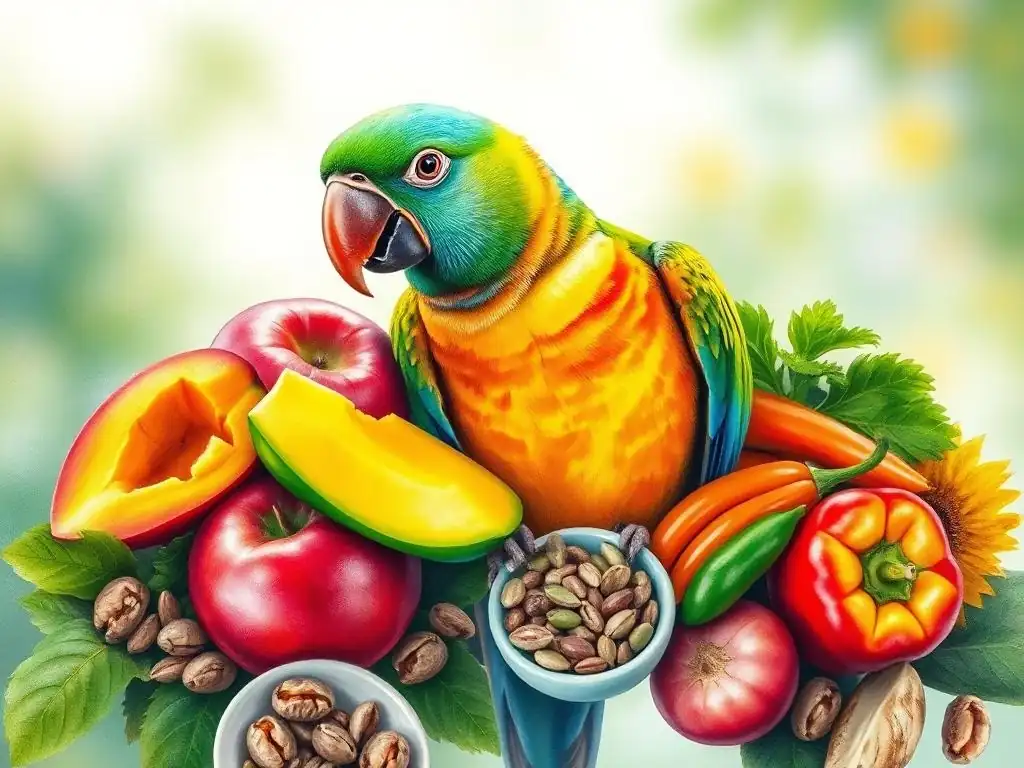
Creating a balanced diet for your Amazon parrot is crucial for its health, longevity, and overall well-being. These intelligent and social birds require a diverse diet rich in nutrients to thrive. Simply providing seeds isn't enough; a comprehensive approach incorporating various food groups is essential. This section provides sample daily menus, but remember to consult with an avian veterinarian to tailor the plan to your specific parrot's needs and any pre-existing health conditions. A well-structured Amazon parrot diet guide should always prioritize variety and nutritional completeness.
Sample Diet Plan for Adult Amazon Parrots
A typical daily diet for an adult Amazon parrot should include a mix of the following, adjusting portions based on the bird's size and activity level:
- Fruits (50%): A variety is key! Aim for a colorful mix including apples, bananas (in moderation), berries (blueberries, raspberries, strawberries), mangoes, papaya, and melon. Avoid avocado, as it's toxic to parrots. Remember to wash all fruits thoroughly before serving. 🍎🍌🍓🥭
- Vegetables (25%): Offer a range of cooked and raw vegetables such as carrots, broccoli, sweet potatoes, green beans, spinach, and bell peppers. Introduce new vegetables gradually to observe for any adverse reactions. 🥕🥦🫑
- Seeds and Nuts (10%): While not the primary food source, a small amount of sunflower seeds, safflower seeds, and nuts (almonds, walnuts – in small quantities) can provide healthy fats and some essential nutrients. Overfeeding these can lead to obesity and nutritional imbalances. 🌻🌰
- Pellets (10%): High-quality parrot pellets should form a small but consistent part of the diet. These provide a balanced source of vitamins and minerals that might be lacking in other food sources. Look for pellets specifically formulated for Amazons. 🐦💊
- Other (5%): This can include cooked brown rice, quinoa, small amounts of cooked pasta, and occasional treats like a small piece of cooked chicken or hard-boiled egg (in moderation). These should be supplemental, not the main part of the diet.
| Food Category | Percentage of Daily Diet | Examples | Important Notes |
|---|---|---|---|
| Fruits | 50% | Apples, bananas, berries, mangoes, papaya | Wash thoroughly, avoid avocados |
| Vegetables | 25% | Carrots, broccoli, sweet potatoes, green beans | Introduce new vegetables gradually |
| Seeds & Nuts | 10% | Sunflower seeds, safflower seeds, almonds, walnuts | Offer in moderation to avoid obesity |
| Pellets | 10% | High-quality parrot pellets | Essential for balanced nutrition |
| Other | 5% | Cooked brown rice, quinoa, cooked chicken (rarely) | Supplemental, not the main course |
Sample Diet Plan for Baby/Young Amazon Parrots
Baby and young Amazon parrots have higher energy requirements and need a diet richer in protein to support their growth. Their diet should be adjusted accordingly. A veterinarian specializing in avian care can provide specific dietary recommendations based on the age and size of your young parrot. Key adjustments include:
- Increased Protein: Offer a higher proportion of protein sources, such as cooked chicken or hard-boiled egg (in small, controlled amounts), and consider adding some high-quality parrot formula. [Specific formula recommendations pending].
- Frequent Feedings: Young parrots need to eat more frequently than adults. Smaller, more frequent meals throughout the day are recommended.
- Nutrient-Rich Foods: Focus on nutrient-dense foods like leafy greens, which are crucial for bone development and overall health.
This stage requires careful monitoring to ensure proper growth and development. A detailed plan should be created in consultation with an avian vet.
Adjusting the Diet Based on Age, Activity Level, and Health
An Amazon parrot's dietary needs change throughout its life. Older birds may require adjustments to account for decreased activity levels and potential age-related health issues. Similarly, more active birds need a higher caloric intake. Any health concerns necessitate a consultation with an avian veterinarian to create a specialized diet plan. Here's a brief overview:
- Older Parrots: May require a slightly lower calorie diet with a focus on easily digestible foods. Supplements may be necessary to address age-related deficiencies.
- Active Parrots: Need a higher calorie intake to meet their energy demands. Increase the portion sizes of fruits, vegetables, and healthy fats.
- Parrots with Health Issues: Dietary modifications are crucial for managing various health conditions, such as obesity, liver disease, or digestive problems. A vet will provide specific guidelines.
Remember, consistency is key. Sudden changes in diet can cause digestive upset. Introduce new foods gradually and always monitor your parrot for any signs of illness or digestive problems. Regular veterinary checkups are essential for maintaining the health and well-being of your Amazon parrot. A proactive approach to nutrition is the foundation of a long and happy life for your feathered friend. 🦜💚
Potential Dangers in Amazon Parrot Diets: Foods to Avoid
Feeding your Amazon parrot the wrong foods can have serious, even life-threatening consequences. A poorly planned diet is a leading cause of illness and reduced lifespan in these intelligent and sensitive birds. This section focuses on identifying foods to strictly avoid, ensuring your feathered friend enjoys a long and healthy life. Understanding these potential dangers is crucial for responsible Amazon parrot ownership and contributes significantly to a successful "Amazon parrot diet guide".
Toxic Foods for Amazon Parrots: A Comprehensive List
Many common foods are toxic to Amazon parrots. Even small amounts can cause severe illness or death. It's vital to keep these items completely out of your parrot's reach. This list is not exhaustive, and if you are unsure about a particular food, it's best to err on the side of caution and omit it from your parrot's diet.
| Food | Toxicity Level | Symptoms |
|---|---|---|
| Avocado | High | Vomiting, diarrhea, respiratory distress |
| Chocolate | High | Cardiac arrhythmias, seizures, death |
| Caffeine (coffee, tea) | Moderate | Restlessness, tremors, heart problems |
| Alcohol | High | Central nervous system depression, death |
| Onions and Garlic | Moderate | Anemia, digestive upset |
| Rhubarb | High | Kidney failure |
| Xylitol (artificial sweetener) | High | Hypoglycemia (low blood sugar), liver failure |
| Uncooked beans | Moderate | Gastrointestinal distress |
| Apple seeds | Low | Contains cyanide, best to remove seeds from fruit |
Remember, even small amounts of these toxic substances can be harmful to your Amazon parrot. Always supervise your bird around food and ensure that no potentially harmful items are accessible. A well-structured "Amazon parrot diet guide" emphasizes the importance of strict avoidance of these foods.
Common Household Items Dangerous to Amazon Parrots
Beyond specific foods, many common household items pose significant risks to Amazon parrots. These items are often easily accessible and can lead to accidental ingestion or poisoning if not properly secured.
- Cleaning products: The fumes and chemicals in cleaning products are highly toxic. Always thoroughly ventilate areas after cleaning and keep all cleaning supplies locked away securely.
- Pesticides and insecticides: These chemicals are extremely dangerous and can be fatal if ingested.
- Lead-based paint: Older homes may contain lead-based paint, which can be toxic if chipped or ingested.
- Cookware: Non-stick cookware can release toxic fumes when heated. Use stainless steel or other safe cookware.
- Medications: Keep all human and pet medications securely locked away; accidental ingestion can be deadly.
The safety of your Amazon parrot is paramount. A thorough understanding of potential household hazards is as crucial as following a proper "Amazon parrot diet guide". Proactive safety measures are essential for preventing accidents.
Recognizing Signs of Nutritional Deficiencies or Food Poisoning
Early detection of illness is vital for successful treatment. Be vigilant in observing your parrot's behavior and appearance, noting any changes that might indicate nutritional deficiencies or food poisoning.
- Lethargy and weakness: A sudden decrease in energy levels can be a sign of illness.
- Changes in appetite: Loss of appetite or increased appetite can indicate a problem.
- Diarrhea or vomiting: These are common symptoms of food poisoning or digestive issues.
- Feather plucking: While often caused by stress, it can sometimes be a sign of nutritional deficiency.
- Respiratory problems: Difficulty breathing or wheezing can indicate poisoning or a health issue.
- Changes in droppings: Observe the color, consistency, and frequency of your parrot's droppings. Unusual changes can signify illness.
If you suspect your Amazon parrot is suffering from a nutritional deficiency or food poisoning, seek immediate veterinary attention. Prompt treatment is crucial for a positive outcome. A comprehensive "Amazon parrot diet guide" should always include a section on recognizing potential health problems and seeking veterinary care when necessary. Remember, prevention is always better than cure. 🦜
Providing Fresh Water and Maintaining Hygiene
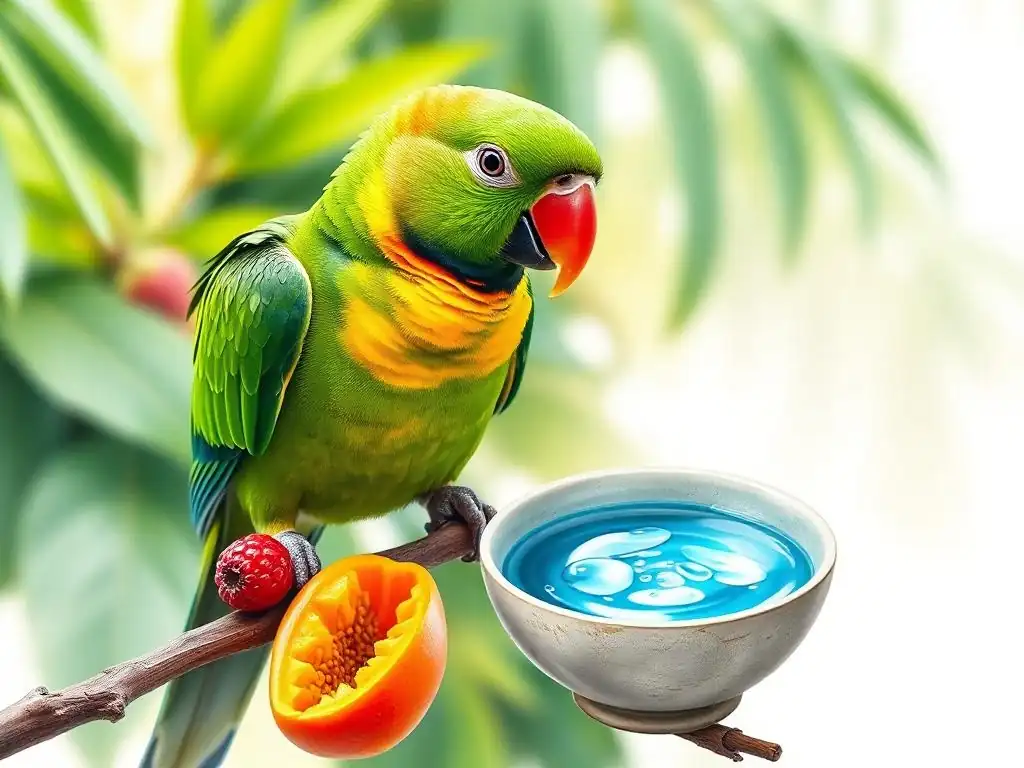
Maintaining optimal hydration and hygiene is paramount for the health and well-being of your Amazon parrot. Neglecting these aspects can lead to various health problems, impacting their lifespan and overall quality of life. This section delves into the specifics of providing clean water and maintaining a sanitary environment for your feathered friend. A well-hydrated and clean Amazon parrot is a happy and healthy Amazon parrot – a key component of any successful Amazon parrot diet guide.
Ensuring Constant Access to Clean Water
Your Amazon parrot needs access to fresh, clean water at all times. Think of it as a crucial element in their Amazon parrot diet guide, just as important as the food itself. Dehydration can quickly become a serious issue, leading to lethargy, illness, and even death. Here's how to ensure your parrot always has access to clean water:
- Multiple Water Sources: Provide at least two water sources – a bowl and a separate water dispenser. This redundancy ensures that your parrot always has water available, even if one source becomes contaminated or empty.
- Water Bowl Placement: Place the water bowl in a location easily accessible to your parrot, away from their food and droppings. A good rule of thumb is to place it at a slightly lower height than the food bowl, as parrots are more inclined to drink from lower locations.
- Water Type: Use filtered or bottled water to avoid potential contaminants present in tap water. Chlorine and other chemicals can be harmful to your parrot's health.
- Frequency of Changes: Change the water in the bowls at least once daily, or more frequently during hot weather. Always thoroughly rinse the bowls before refilling them. Cleaning should be part of your daily routine, just as much as providing food, as per the best Amazon parrot diet guide.
- Water Dispenser Maintenance: If you use a water dispenser, follow the manufacturer's instructions for cleaning and maintenance. Regular cleaning prevents bacterial growth and ensures fresh water delivery.
Cleaning and Sanitizing Food and Water Dishes
Cleanliness is critical in preventing bacterial and fungal growth, which can lead to illness in your Amazon parrot. Here’s a detailed approach to ensuring the hygiene of your parrot's eating and drinking vessels, a crucial part of your Amazon parrot diet guide:
- Daily Cleaning: Wash food and water dishes daily with hot, soapy water. Use a pet-safe dish soap, ensuring you thoroughly rinse all soap residue to prevent your parrot from ingesting any harmful chemicals.
- Weekly Sanitization: Once a week, sanitize the dishes using a pet-safe disinfectant. Follow the manufacturer's instructions carefully, and rinse thoroughly afterwards. Vinegar diluted with water is a natural and effective option for sanitizing, but be sure to rinse it completely.
- Dish Material: Opt for food and water dishes made from stainless steel or ceramic. These materials are easy to clean and sanitize, and less prone to harboring bacteria than plastic. Avoid using plastic dishes whenever possible.
- Drying: After washing and sanitizing, allow the dishes to air dry completely before refilling them with food and water. This prevents the growth of bacteria and molds.
- Regular Inspection: Regularly inspect the dishes for any cracks or chips. Damaged dishes can harbor bacteria and should be replaced immediately. Remember, a healthy, clean environment is a fundamental aspect of a successful Amazon parrot diet guide, ensuring a long and happy life for your beloved companion.
This detailed approach to water provision and hygiene ensures the well-being of your Amazon parrot, contributing significantly to their overall health and longevity, a key goal of any comprehensive Amazon parrot diet guide. Remember, proactive care is the best way to prevent illness and maintain a thriving, happy pet.
Supplementing Your Amazon Parrot's Diet: When and How
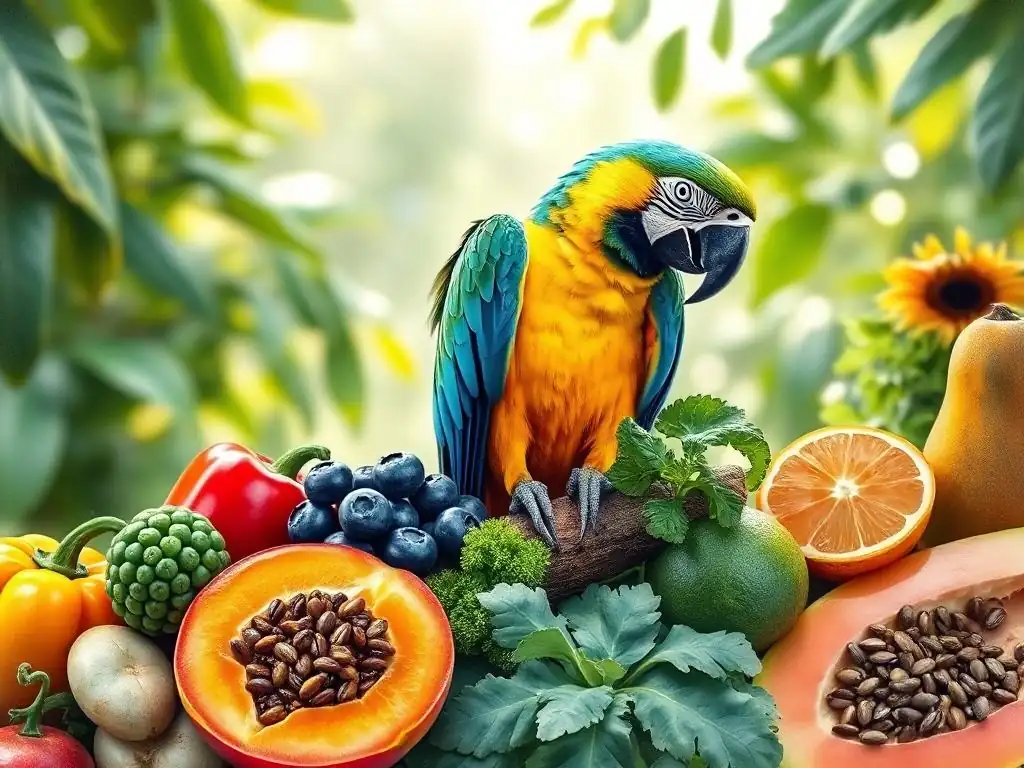
Providing a balanced and nutritious diet is paramount for the health and longevity of your Amazon parrot. While a high-quality seed mix forms the base of their diet, it's rarely sufficient on its own to meet all their nutritional needs. This section explores when and how to supplement your Amazon's diet to ensure optimal well-being. Understanding your parrot's specific dietary requirements is crucial for preventing deficiencies and maintaining a thriving companion. This is especially important when considering an Amazon parrot diet guide.
When to Consider Nutritional Supplements for Amazon Parrots
Determining when supplemental nutrition is necessary for your Amazon parrot requires careful observation and, ideally, consultation with an avian veterinarian. Several situations might necessitate supplementation:
- Specific Dietary Deficiencies: Blood tests can reveal deficiencies in essential vitamins, minerals, or amino acids. A veterinarian can then recommend targeted supplements to address these imbalances. For instance, a deficiency in Vitamin A can manifest in poor feather quality and eye problems. Early intervention with supplements can significantly mitigate these issues.
- Illness or Convalescence: During illness or recovery from surgery, your Amazon may require extra nutritional support. Supplements can help boost their immune system and aid in tissue repair. This is especially important during periods of reduced appetite or digestive upset.
- Breeding or Laying: Female Amazon parrots require significantly more calcium and other nutrients during breeding and egg-laying. Supplementation is crucial to support the demands of reproduction and prevent health problems. Calcium deficiency, for example, can lead to egg-binding, a life-threatening condition.
- Age-Related Changes: As Amazon parrots age, their ability to absorb nutrients from their food may decrease. Supplements can help ensure they receive the necessary nutrients for healthy aging. This might include additional antioxidants to combat age-related cellular damage.
- Selective Eating Habits: Some Amazon parrots are notoriously picky eaters. If your bird consistently refuses certain foods vital to their diet, supplementation can help fill nutritional gaps. However, addressing the underlying cause of selective eating (e.g., offering a wider variety of foods, enrichment activities) should be prioritized alongside supplementation.
Types of Supplements Suitable for Amazon Parrots
Not all supplements are created equal. It's crucial to select high-quality, avian-specific supplements. Avoid human supplements, as these may contain ingredients toxic to birds. Some suitable supplement types include:
- Vitamin and Mineral Powders: These are often added directly to food or water, providing a broad spectrum of essential nutrients. However, ensure the product is specifically formulated for parrots and follow the dosage instructions carefully. Over-supplementation can be just as harmful as under-supplementation.
- Calcium Supplements: Especially important for breeding females, calcium supplements are available in various forms, including cuttlebone, oyster shell, and powdered calcium. These are vital for strong bones and egg production.
- Probiotics: Probiotics can improve gut health and support digestion, which is crucial for nutrient absorption. They can be particularly helpful after illness or antibiotic treatment.
- Amino Acid Supplements: These can be beneficial for supporting feather growth and overall health. However, they should only be used based on a veterinarian's recommendation.
| Supplement Type | Benefits | Precautions |
|---|---|---|
| Vitamin & Mineral Powders | Broad nutrient support | Follow dosage instructions precisely; avoid over-supplementation |
| Calcium Supplements | Strong bones, egg production | Monitor intake to avoid calcium toxicity |
| Probiotics | Improved gut health, digestion | Choose avian-specific probiotics |
| Amino Acid Supplements | Feather growth, overall health | Only use under veterinary guidance |
Remember: Always consult your avian veterinarian before starting any supplement regimen for your Amazon parrot. They can assess your bird's individual needs and recommend the most appropriate supplements and dosages.
Consulting an Avian Veterinarian for Dietary Advice
The information provided in this guide serves as a general overview. Every Amazon parrot is an individual with unique dietary needs. Therefore, it's crucial to consult with an avian veterinarian for personalized dietary advice. An avian vet can perform a thorough examination, conduct blood tests to identify any deficiencies, and create a tailored nutrition plan that addresses your bird's specific requirements.
They can also help you select appropriate supplements and monitor your parrot's response to dietary changes. Regular check-ups are highly recommended to ensure your Amazon parrot maintains optimal health and enjoys a long and fulfilling life. This proactive approach is essential for responsible Amazon parrot ownership and contributes significantly to your bird's overall well-being. Don't hesitate to seek professional guidance; it's an investment in your feathered friend's health and happiness.
Monitoring Your Amazon Parrot's Health and Adjusting the Diet Accordingly
Maintaining a healthy Amazon parrot requires vigilance and a proactive approach to nutrition. A well-balanced diet is crucial, but equally important is monitoring your bird's response to that diet and making adjustments as needed. This section focuses on how to effectively monitor your parrot's health and adapt its feeding plan accordingly, contributing to a long and thriving life for your feathered companion. This is a key aspect of any comprehensive Amazon parrot diet guide.
Observing Your Parrot's Eating Habits and Weight
Regular observation of your Amazon parrot's eating habits is fundamental to identifying potential problems early. Note the quantity of food consumed daily – is it consistent, or has there been a recent decrease or increase? Pay attention to the types of food your parrot prefers and avoids. A sudden shift in preference can indicate underlying health issues.
Furthermore, monitoring your parrot's weight is crucial. Weigh your bird weekly using a gram scale, keeping a detailed record. A consistent weight indicates a healthy dietary balance. However, a significant weight loss or gain should trigger immediate concern and a consultation with an avian veterinarian. You should also observe the parrot's droppings; changes in color, consistency, or frequency can be indicative of digestive problems or other health concerns. A healthy Amazon parrot will have firm, well-formed droppings.
Here's a simple table to help track your parrot's weight and eating habits:
| Date | Weight (grams) | Food Consumed (Estimate) | Droppings (Consistency/Color) | Notes |
|---|---|---|---|---|
| Oct 26, 2023 | 450 | 1/4 cup seed mix, 1 tbsp fruit | Firm, dark green | Ate all fruit enthusiastically |
| Oct 27, 2023 | 452 | 1/4 cup seed mix, 1 tbsp veggies | Firm, dark green | Seemed less interested in veggies |
| Oct 28, 2023 | 448 | 1/6 cup seed mix, 1 tsp fruit | Soft, dark green | Possible illness? |
Remember, consistent monitoring is key to early detection of problems, allowing for timely intervention and improving your parrot's chances of a long and healthy life. This diligent approach is vital in following a successful Amazon parrot diet guide.
Identifying Signs of Illness or Nutritional Problems
Several signs can indicate problems with your Amazon parrot's diet or overall health. These can range from subtle changes in behavior to more obvious physical symptoms. Some key indicators to watch for include:
- Changes in feather condition: Dull, brittle, or easily plucked feathers can suggest a nutritional deficiency.
- Lethargy and decreased activity: A less active parrot may be experiencing illness or nutritional imbalance.
- Changes in droppings: As mentioned previously, the color, consistency, and frequency of droppings provide valuable insights into digestive health.
- Weight loss or gain: Significant changes in weight are a major red flag.
- Respiratory issues: Difficulty breathing or wheezing could indicate underlying health problems that may be linked to diet.
- Changes in appetite: A sudden decrease or increase in appetite warrants attention.
- Behavioral changes: Increased aggression, feather plucking, or self-mutilation could be linked to stress, which can be exacerbated by dietary problems.
If you observe any of these symptoms, consult an avian veterinarian immediately. Early diagnosis and treatment are critical for a successful outcome. Don't hesitate to seek professional help; it's a vital part of responsible Amazon parrot ownership and crucial for following a successful Amazon parrot diet guide.
Regular Check-ups with an Avian Veterinarian: Preventative Care
Preventative care is paramount for maintaining your Amazon parrot's health. Regular check-ups with an avian veterinarian are essential, even if your parrot appears healthy. These check-ups allow for early detection of potential problems, before they become serious.
During these visits, the veterinarian will perform a thorough physical examination, assess your parrot's weight, and evaluate its overall condition. They can also provide guidance on optimizing your parrot's diet and address any concerns you may have. Regular blood tests can help identify underlying health issues or nutritional deficiencies. Preventative care is an investment in your parrot's well-being and significantly contributes to their longevity, adding years to their life and enriching your experience of Amazon parrot ownership. This proactive approach is essential in any effective Amazon parrot diet guide.
Frequently Asked Questions
What is the most important component of an Amazon parrot's diet?
A balanced Amazon parrot diet centers around high-quality pellets, supplemented with fresh fruits, vegetables, and a small amount of nuts and seeds. Pellets provide essential nutrients not easily obtained otherwise.
How much fruit and vegetables should I feed my Amazon parrot?
Aim for about 30-40% of their daily intake to come from fresh fruits and vegetables. Variety is key – offer a colorful mix to ensure a wide range of vitamins and minerals.
Are nuts and seeds healthy for Amazon parrots?
While nuts and seeds can be offered in moderation, they should not form the majority of your parrot's diet. They are high in fat and can contribute to weight gain if overfed.
How often should I change my Amazon parrot's food and water?
Fresh food and water should be provided daily. Remove any uneaten food to prevent spoilage and bacterial growth. Clean food and water bowls regularly.
What are some toxic foods to avoid feeding my Amazon parrot?
Avoid avocado, chocolate, caffeine, and alcohol, as these are toxic to parrots. Research thoroughly before offering any new foods to your feathered friend to ensure they are safe.
Final Reflection: Nurturing the Amazonian Spirit: A Legacy of Health and Happiness
Understanding the nutritional needs of our Amazon parrots is not merely a matter of feeding; it's an act of profound responsibility, a commitment to their well-being that directly impacts their lifespan and quality of life. A well-nourished Amazon parrot is a vibrant, intelligent companion, capable of enriching our lives for decades. Ignoring their dietary needs, however, can lead to preventable illness and a significantly shorter life.
The impact of a proper diet extends far beyond the individual bird. It's a testament to our capacity for empathy and understanding, a reflection of our commitment to responsible pet ownership. The greatness of a nation and its moral progress can be judged by the way its animals are treated.
- Mahatma Gandhi. This quote, while broad in scope, speaks directly to the ethical considerations inherent in caring for these magnificent creatures. Our choices regarding their diet directly influence not only their individual well-being but also contribute to the larger conversation surrounding animal welfare and conservation.
Now, consider your own Amazon parrot, or perhaps the feathered friends you've encountered. What steps can you take today to ensure their diet is as rich and diverse as their personalities? Take a moment to review the guidelines presented in this guide, and commit to making small, meaningful changes that will have a lasting impact on your parrot's health and happiness. Remember, every seed, every fruit, every carefully chosen pellet contributes to a longer, healthier, and more fulfilling life for your beloved companion. Let's nurture the Amazonian spirit, one nutritious meal at a time.
Unlock Your Amazon Parrot's Vibrant Potential!
Thank you for learning about keeping your amazing Amazon parrot healthy and happy! You've gained valuable insights into their unique dietary needs—now let's put that knowledge into practice.
- Craft the Perfect Parrot Plate: Begin creating a fresh, vibrant, and nutritionally balanced meal plan today, using the article's guidelines as a starting point. This is the first step towards a healthier, happier bird!
- Join the Parrot Power Community: Share your successes (and challenges!) with other Amazon parrot owners on our PetCareWorld forum. Let's build a supportive community for sharing tips and recipes.
- Explore Advanced Nutrition: Delve deeper into avian nutrition by researching recommended supplements and exploring a wider variety of fruits and vegetables beneficial to your feathered friend.
What exciting new food will you introduce to your Amazon's diet this week?