Refillable Foraging Toys for Birds: LongLasting Fun
😊 Discover the best refillable bird foraging toys at PetCareWorld! Extend playtime and enrich your feathered friend's life with our long-lasting, sustainable…
Read article
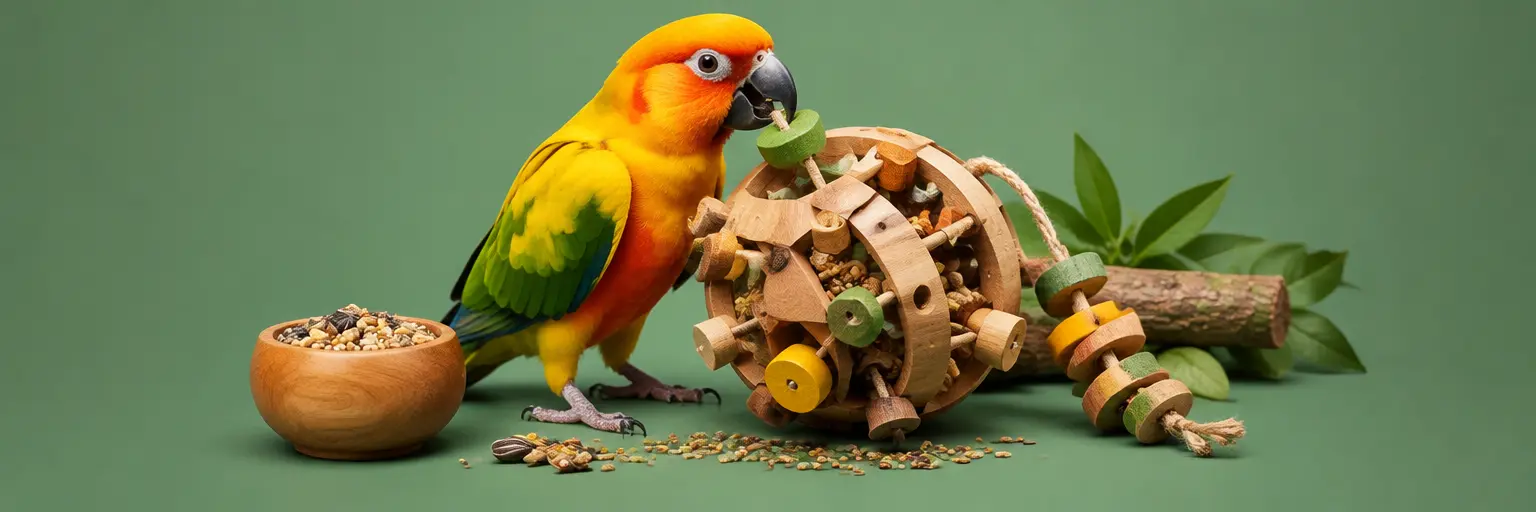
Discover how foraging toys for birds can transform your feathered friend’s daily routine, turning natural instincts into joyful mental stimulation. At PetCareWorld, we know that a bored bird is often an unhappy bird, and that’s why our expert-tested range of enrichment tools focuses on reducing destructive behaviors like feather plucking or excessive screaming. By hiding tasty treats inside puzzles, shreddable materials, or interactive feeders, these toys encourage problem-solving skills and mimic the wild challenges your bird would face in nature. Perfect for parrots, cockatiels, conures, and other intelligent species, our foraging solutions promote healthy exercise and slower, more satisfying eating habits. Whether you’re a new bird parent or a seasoned avian enthusiast, incorporating these engaging activities helps build stronger bonding and lasting trust with your pet. With safety-first designs and durable, non-toxic materials, every product supports your bird’s physical and emotional well-being—so you can watch them thrive, explore, and play with confidence. Let us help you create a richer, happier habitat where curiosity and natural behaviors flourish every single day.
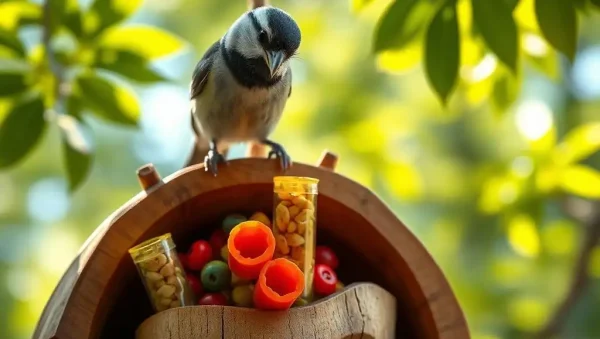
😊 Discover the best refillable bird foraging toys at PetCareWorld! Extend playtime and enrich your feathered friend's life with our long-lasting, sustainable…
Read article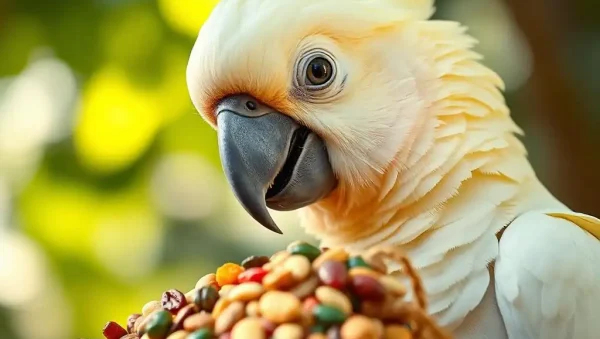
🤔 Keep your senior bird mentally sharp and physically active with engaging foraging toys! PetCareWorld shows you how these enrichment tools combat…
Read article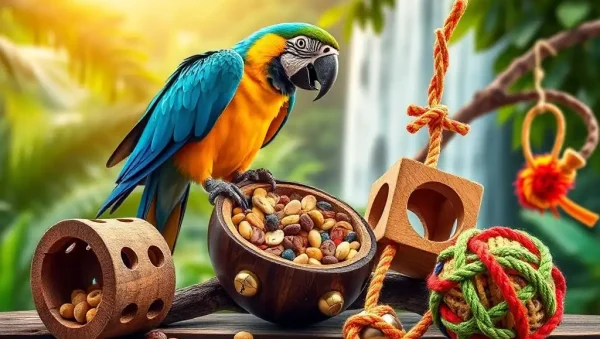
🤔 Discover the five best foraging toys to keep your parrot mentally stimulated and happy! This expert guide from PetCareWorld offers practical…
Read articleWelcome to PetCareWorld’s dedicated hub for bird enrichment, where we focus on the transformative power of foraging toys for birds. In the wild, parrots and other avian companions spend up to 70% of their waking hours searching for food. Captive birds, however, often have meals handed to them, leading to boredom, feather plucking, and behavioral issues. This subcategory is designed to show you how to replicate that natural hunting drive with engaging, safe, and mentally stimulating toys. From beginner puzzles to advanced multi-step challenges, we cover every aspect of avian foraging, ensuring your feathered friend stays active, curious, and emotionally balanced.
Foraging toys are not just a luxury; they are a fundamental necessity for a bird’s psychological well-being. Without the need to work for food, birds can develop stereotypies—repetitive, purposeless behaviors like pacing, screaming, or over-preening. These toys activate the problem-solving regions of the brain, releasing dopamine and reducing stress hormones. At PetCareWorld, we emphasize that a foraging routine can lower aggression in territorial species like African Greys and Cockatoos, while also preventing obesity by slowing down eating speed. Think of these toys as a gym membership for your bird’s mind; they provide daily mental workouts that keep cognition sharp well into old age.
Moreover, foraging toys mimic the natural food-searching behaviors of wild birds, from tearing bark to unwrapping leaves. This not only satisfies an instinctual drive but also builds confidence. A bird that masters a simple puzzle feels a sense of accomplishment, which encourages it to tackle more complex challenges. For pet owners, this translates into a calmer, more social companion that interacts with you out of choice, not desperation. By integrating foraging into your bird’s daily schedule, you actively prevent the onset of learned helplessness, a state where birds give up trying because they feel they have no control over their environment.
Understanding the progression of difficulty is key to successful bird enrichment. We categorize foraging toys into three tiers. Level 1 (Beginner) includes simple shreddable paper cups, rolled leaves, or toys with visible treats tucked into soft materials. These are perfect for birds new to foraging or for nervous rescues. Level 2 (Intermediate) features toys with movable parts, such as sliding doors, twisting knobs, or small drawers that require manipulation to expose hidden seeds. Level 3 (Advanced) involves complex puzzle boxes, stacked rings, or toys that require multiple steps, like pulling a pin, lifting a latch, then rotating a cylinder. At PetCareWorld, we recommend starting easy and always supervising the first few attempts to ensure your bird doesn’t become frustrated.
When selecting a foraging toy, consider your bird’s beak strength and dexterity. Small birds like budgies and cockatiels need softer woods and lighter mechanisms, while macaws and cockatoos require durable acrylic or thick stainless steel parts. Also, pay attention to the hiding style: some birds prefer food hidden under clips, others inside paper mache, and still others in vertical tubes. By rotating toy types weekly, you keep the challenge fresh. Our guides help you mix and match materials—coconut husks, cardboard, leather strips, and food-safe plastics—to create a rotating enrichment schedule that prevents habituation and maintains high engagement levels.
Not all great foraging toys need to be store-bought. In fact, many DIY foraging toys are not only cost-effective but also allow you to tailor challenges specifically to your bird’s preferences. At PetCareWorld, we provide detailed plans using safe household items: cardboard egg cartons, paper muffin cups, untreated wicker baskets, and plain toilet paper rolls. The golden rule is to avoid all toxic glues, staples, and inks. Use natural jute twine or vegetable-tanned leather for hanging. A classic beginner project involves threading small paper squares onto a cotton rope, then folding them around a treat. For advanced birds, you can build a “treasure chest” from a small cardboard box with multiple flaps that must be lifted in sequence.
Another popular DIY is the “bottle brush” forage—take a clean, empty plastic bottle (with the cap removed) and poke holes large enough for seeds to fall out when rolled. However, always supervise plastic toys to prevent ingestion of shards. We also recommend using foraging trays: fill a shallow dish with shredded paper, dried leaves, and crumbled pellets, then sprinkle seeds on top. This mimics ground feeding and is especially good for finches and canaries. Our step-by-step tutorials include safety checklists so you can craft at home with confidence, ensuring every toy is free of sharp edges and small parts that could cause choking or crop impaction.
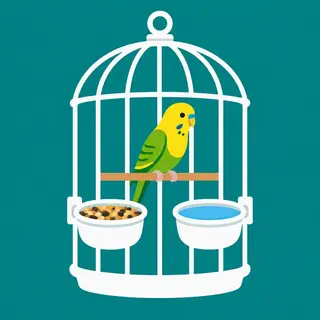
Simply handing your bird a foraging toy once a week isn’t enough; daily integration is the secret to long-term success. The easiest method is to replace the food bowl with a foraging setup for one or two meals per day. For example, instead of a seed bowl, place the daily portion inside a puzzle feeder. This doesn’t mean your bird goes hungry—it just means the food is earned through effort. At PetCareWorld, we suggest beginning with 25% of the daily ration in a beginner toy, then gradually increasing to 50% or more as your bird becomes proficient. Always keep fresh water available at all times, and never withhold food for more than a few hours, especially for small birds with fast metabolisms.
Time of day matters too. Many birds are most active in the morning, so presenting a breakfast foraging challenge aligns with their natural peak activity. You can also use foraging at night to encourage problem-solving before sleep, which helps reduce nighttime screaming. Another strategy is to scatter feed: hide pellets around a play gym or across the cage floor, paired with a hanging toy. This turns mealtime into a treasure hunt. Log your bird’s successes in a journal, noting which toys it solves quickly and which it avoids. This data helps you adjust difficulty levels to keep the bird in the “flow zone”—challenged but not overwhelmed.
Species-specific selection is crucial for both safety and effectiveness. Small birds (budgies, lovebirds, parrotlets) benefit from lightweight toys with small holes and soft paper—think finger-sized shreddable stars or mini puzzle feeders. Medium birds (conures, caiques, senegals) need sturdier wood and harder acrylic; they excel at toys that require foot manipulation and flipping. Large birds (macaws, greys, cockatoos) demand heavy-duty materials like stainless steel, thick leather, and high-density plastic; they love toys that require destructive shredding followed by fine motor extraction. At PetCareWorld, we provide a compatibility chart that matches toy dimensions to beak gape and foot grip, preventing accidents where a bird gets a foot or beak stuck.
Beyond size, consider individual personality. Some birds are “chewers” who prefer destroying paper and wood; others are “dismantlers” who unscrew bolts or open latches. Observing your bird’s play style will guide your choices. For example, a cockatoo that loves to hammer might appreciate a toy with wooden blocks that must be knocked apart. A grey that enjoys puzzle-solving might prefer a lock-and-key toy. Additionally, always inspect toys regularly for wear and tear; replace any that have splintered, cracked, or have exposed metal. Our buying guides include ratings for durability, ease of cleaning, and refillability, ensuring you get the best value and safety for your feathered family member.
We recommend rotating foraging toys at least every 3-5 days. Birds quickly habituate to a toy if it stays the same, losing interest within a week. By introducing new textures, mechanisms, and hiding spots regularly, you maintain novelty and mental stimulation. You don’t need to buy new toys constantly—simply refill existing ones with different treats and rearrange their positions in the cage to reignite curiosity.
No, not entirely. While foraging can replace a portion of the daily diet, you should always provide a reliable, accessible water source and a backup bowl of fresh food, especially for young, elderly, or sick birds. Start with replacing 25% of meals, then increase gradually. Foraging should be an addition to, not a complete replacement for, basic nutritional access to ensure no bird ever goes hungry.
No. Safe woods include untreated pine, fir, balsa, and hardwood branches from apple, willow, or manzanita. Toxic woods include cedar, cherry, oak (due to tannins), and any wood treated with pesticides, varnish, or glue. Always thoroughly wash and bake branches at 200°F for 30 minutes to kill parasites. When in doubt, stick to food-grade cardboard and paper from reputable craft stores.
Introduce toys gradually. Place the toy near the food bowl but with a visible treat on top, not hidden inside. Let your bird watch you fill it, then place treats in the easiest possible spot. Over a few days, slowly increase the hiding difficulty. Use high-value rewards like sunflower seeds or millet to create positive associations. Never force interaction—patience and praise are essential for building confidence.
Disassemble toys and remove all food residue. Wash plastic, acrylic, and stainless steel parts with warm water and a mild, bird-safe dish soap, then rinse thoroughly. Allow to air-dry completely. For cardboard and paper toys, discard after use or if they become soiled. Wooden toys can be scrubbed with a brush and vinegar-water solution, then baked at low heat to sterilize. Inspect weekly for mold, mildew, or broken parts.