Cockatiel Cost of Ownership: Budgeting for Your Feathered Friend
😊 Planning on welcoming a cockatiel into your home? PetCareWorld's guide reveals the essential factors impacting cockatiel ownership yearly cost, helping you…
Read article
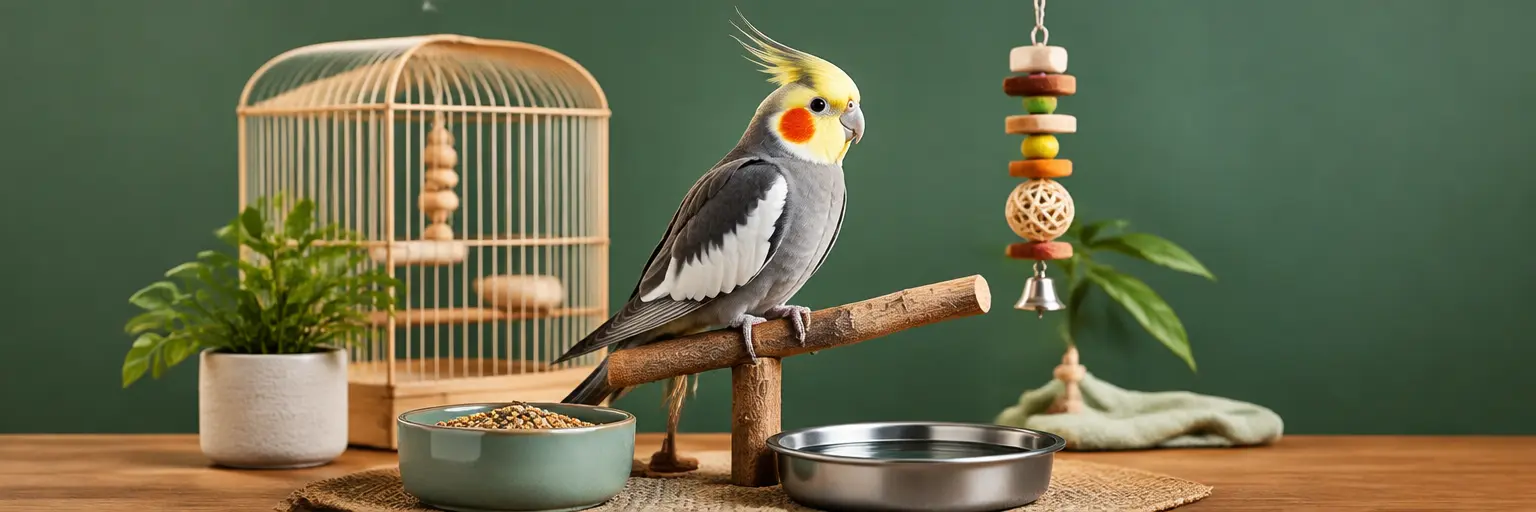
Cockatiels are among the most beloved companion parrots, and giving them the right care is key to unlocking their charming, whistling personalities. From mastering a balanced diet of pellets, seeds, and fresh veggies to setting up a spacious cage with stimulating toys, every detail shapes their health and happiness. These intelligent birds thrive on daily interaction, gentle handling, and mental enrichment, which helps prevent feather plucking and behavioral issues. Learn how to recognize early signs of illness, provide optimal lighting and bathing routines, and build a trusting bond through positive reinforcement training. Whether you’re a first-time owner or a seasoned bird enthusiast, focusing on their specific needs for social time, sleep, and exercise ensures your cockatiel lives a vibrant, long life. Dive into our expert-backed tips to transform your home into a safe, joyful sanctuary for your feathered friend. Healthy cockatiel care starts here—let’s make every day a chirpy, tail-wagging success!
😊 Planning on welcoming a cockatiel into your home? PetCareWorld's guide reveals the essential factors impacting cockatiel ownership yearly cost, helping you…
Read article
🤔 Uncover the fascinating reasons behind your cockatiel's mimicry! Learn about the science of cockatiel sound mimicking, exploring their communication needs and…
Read article
🤔 Is your cockatiel displaying aggressive biting behavior? PetCareWorld offers expert advice and effective cockatiel biting aggression solutions, addressing the underlying causes…
Read article
😊 Maintain your cockatiel's health with our essential cage cleaning guide. Learn the proper techniques and frequency for a sanitary environment, ensuring…
Read articleWelcome to the definitive resource for cockatiel care, part of our comprehensive bird care series at PetCareWorld. Cockatiels are among the most beloved companion parrots, cherished for their gentle nature, charming whistles, and striking crests. This subcategory dives deep into the essentials of raising a thriving cockatiel, from nutrition and housing to behavioral enrichment and health monitoring. Whether you are a first-time bird parent or an experienced avian enthusiast, our expert-backed guidance will help you master every facet of cockatiel ownership, ensuring your feathered friend enjoys a long, vibrant life by your side.
Proper cockatiel diet is the cornerstone of their health. Many owners mistakenly rely solely on seed mixes, which are high in fat and low in essential vitamins. Instead, aim for a balanced diet where high-quality pellets make up 60-70% of daily intake, complemented by fresh vegetables like leafy greens, carrots, and bell peppers, plus small portions of fruit. Seeds should be offered only as a treat or during training, not as the main meal. This approach prevents obesity, fatty liver disease, and vitamin A deficiency—common issues in seed-only birds.
Introduce new foods gradually, using chop-and-mix methods with familiar favorites. Always remove uneaten fresh produce after a few hours to prevent spoilage. Provide clean, filtered water daily and consider offering a cuttlebone for calcium. For breeding pairs or molting birds, increase protein with sprouted seeds and hard-boiled egg. Monitoring your cockatiel’s weight weekly helps adjust portions, ensuring they stay in optimal body condition. Remember, a varied diet not only boosts immunity but also enhances feather quality and mental alertness.
A spacious cage is non-negotiable for cockatiel housing. The minimum recommended size is 20” x 20” x 24” for a single bird, but larger is always better. Bar spacing should be ½ to ⅝ inches to prevent escapes or injuries. Place the cage in a lively room where your bird can observe family activities, but avoid direct drafts, kitchens (fumes are lethal), and areas with temperature swings. Horizontal bars allow climbing, and the cage should include multiple perches of varying diameters to exercise feet and prevent arthritis.
Enrichment is vital for cockatiel mental health. Offer a variety of toys—chewing, foraging, and puzzle toys—and rotate them weekly to prevent boredom. Add a shallow water dish for supervised baths or mist your bird gently with warm water. Natural branches (safe, pesticide-free) like manzanita or eucalyptus provide texture and gnawing opportunities. Include a cuttlebone and mineral block for beak maintenance. Daily out-of-cage time in a bird-proofed room (no open windows, ceiling fans off) is essential for exercise and bonding. A happy, stimulated cockatiel will be more vocal, playful, and less prone to feather plucking.
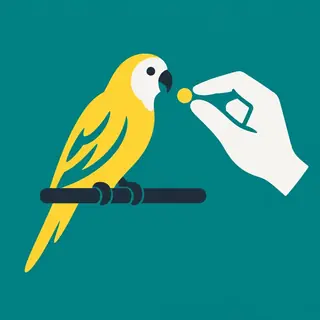
Understanding cockatiel body language is key to a harmonious relationship. A hissing sound with raised crest signals fear or aggression, while a flattened crest and soft chirping indicate calmness. When your cockatiel grinds its beak before sleep, it’s content. Start taming sessions with short, positive intervals, using millet spray as a high-value reward. Always move slowly and speak softly, approaching from the side rather than above (which mimics predator behavior). Hand-taming works best when the bird is young, but older birds can also learn with patience.
Biting prevention begins with respect. Never punish a bite; instead, gently put the bird down and ignore it for a minute. This teaches that biting ends interaction. Offer step-up training with a perch or your finger at chest level, saying “step up” consistently. Watch for signs of overstimulation—dilated pupils, tail fanning—and pause. Provide daily interaction of at least 30 minutes to strengthen your bond. A well-socialized cockatiel will readily enjoy head scratches and shoulder rides, but always supervise these moments to avoid accidents.
Being proactive about cockatiel health can save their life. Watch for early signs like fluffed feathers, tail bobbing, changes in droppings, loss of appetite, or excessive sneezing—all warrant a vet visit. Common problems include psittacosis (a bacterial infection), feather mites, and upper respiratory infections. Wing clipping (when done correctly) reduces injury risk, but consult an avian vet first. Regular nail trims and beak checks are part of grooming. Quarantine any new birds for 30 days before introduction to prevent disease spread.
Preventative care includes annual wellness exams with an avian veterinarian. Provide a balanced diet, clean environment, and fresh water daily. Monitor temperature—cockatiels thrive between 65-80°F, so avoid cold drafts. Ensure your bird gets 10-12 hours of quiet, dark sleep to maintain immune function. Watch for signs of egg binding in females, which requires urgent care. Keep a small first-aid kit with styptic powder, gauze, and a heating pad. By learning normal behavior and routines, you’ll quickly notice deviations, enabling early intervention for successful treatment.
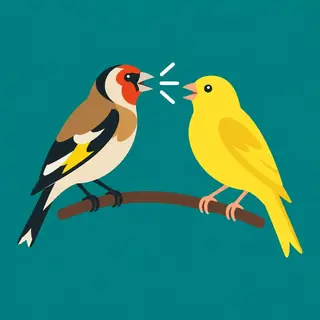
Cockatiels are famed for their melodic whistling and ability to mimic simple sounds. While males are more vocal, females can also learn whistles with patience. Start training in a quiet room, using a consistent phrase like “Pretty bird” or a whistle sequence. Play recordings of whistles or talk clearly and slowly. Reward with attention and treats immediately after the correct sound. Consistency is key—practice 10 minutes daily, and never shout, as this can frighten your bird into silence. Some cockatiels even learn to imitate household noises like microwave beeps.
Beyond vocalization, teach fun tricks like stepping onto a target stick, waving, or turning around. Use positive reinforcement with a clicker and treats. Break tricks into small steps, rewarding each approximation. For example, to teach waving, hold a treat, and as your bird lifts its foot to grab it, say “wave.” This engages their problem-solving skills and deepens your bond. Always keep sessions short (5-10 minutes) and end on a positive note. A mentally stimulated cockatiel is less likely to develop destructive habits like excessive screaming or feather plucking, making training a win-win.
With proper care, pet cockatiels can live between 15 to 25 years, and some even reach 30. Key factors include a balanced diet, regular exercise, mental stimulation, and preventative veterinary care. A seed-only diet drastically shortens lifespan, so switch to pellets and fresh foods early. Providing a safe, stress-free environment and annual check-ups will help your feathered friend thrive for decades.
Cockatiels are highly social and thrive with daily human interaction if kept singly. A lone bird will bond deeply with its owner but requires at least 1-2 hours of out-of-cage time and attention. If you’re away often, consider a second cockatiel to prevent loneliness and feather plucking. However, two birds may bond together and become less tame toward humans, so weigh your time commitment carefully.
Excessive screaming often signals boredom, fear, or attention-seeking. First, rule out medical issues with a vet. Then, ensure your bird has enough toys and out-of-cage time. When screaming occurs, ignore it completely—do not yell, as that reinforces the behavior. Reward quiet moments with treats. Establish a predictable daily routine, and provide 10-12 hours of dark, quiet sleep. Consistent positive reinforcement usually resolves the habit within weeks.
Never offer avocado, chocolate, caffeine, alcohol, onion, garlic, apple seeds, or fruit pits—these are highly toxic and can be fatal. Also avoid salty, sugary, or fatty human snacks like chips and cookies. Rhodesia and certain houseplants (like philodendron) are dangerous if chewed. Stick to safe fresh produce like broccoli, sweet potato, and apple slices (without seeds), and always wash thoroughly before serving.
Perform a daily spot cleanup of droppings and uneaten fresh food. Replace cage liner paper every day to prevent bacterial growth. Soak and scrub food and water dishes in hot soapy water daily, rinsing thoroughly. Deep-clean the entire cage, including perches, toys, and tray, weekly with a bird-safe disinfectant (diluted vinegar or commercial avian cleaner). Have a second set of toys to rotate during cleaning.