
Cockatiel Mimicking Behavior: Understanding Why They Copy Sounds

Welcome to PetCareWorld, your ultimate guide to a happier, healthier life for your beloved pets! Are you fascinated by your cockatiel's ability to mimic sounds? Discover the surprising reasons behind this remarkable behavior in our in-depth article, "Cockatiel Mimicking Behavior: Understanding Why They Copy Sounds." Unravel the mysteries of avian vocalization and learn how to better understand your feathered friend. Dive in and unlock the secrets of your cockatiel's communication!
- Cockatiel Sound Mimicking Reasons: A Deep Dive into Vocalizations
- Decoding Cockatiel Vocalizations: More Than Just Mimicry
- Enhancing Your Cockatiel's Mimicry Abilities: Training and Enrichment
- Common Cockatiel Sounds and Their Meanings
- Troubleshooting Mimicry Problems in Cockatiels
- Frequently Asked Questions
- Final Reflection: The Echoing Heart of a Cockatiel
- Unlock Your Cockatiel's Mimicry Potential!
Cockatiel Sound Mimicking Reasons: A Deep Dive into Vocalizations
Cockatiels, with their charming personalities and captivating songs, are beloved companion birds worldwide. One of the most fascinating aspects of cockatiel ownership is their remarkable ability to mimic sounds. This article delves into the intricacies of cockatiel sound mimicking, exploring the underlying reasons why these intelligent birds copy sounds, from the innate instinctual drive to the significant influence of their environment and training.
Understanding these factors is crucial for appreciating your cockatiel's unique vocalizations and fostering a strong bond based on mutual understanding and communication. We'll examine the complex interplay of genetics, early experiences, and human interaction in shaping a cockatiel's vocal learning and mimicry skills, providing insights for both novice and experienced cockatiel owners seeking to better understand their feathered friends.
This comprehensive guide will equip you with the knowledge to appreciate and encourage this remarkable talent in your own cockatiel. Let's explore the fascinating world of cockatiel vocalizations and uncover the secrets behind their impressive sound mimicking abilities.
Why Do Cockatiels Mimic Sounds? The Instinct to Imitate
Cockatiels' propensity for mimicking sounds is deeply rooted in their evolutionary history. In the wild, these birds live in flocks and rely heavily on vocal communication for various purposes: locating flock members, alerting to danger, and establishing social hierarchies. Mimicry, therefore, serves as a vital tool for survival and social integration. The ability to reproduce the sounds of their environment, including those of predators or potential mates, enhances their survival chances. This inherent instinct to imitate is further amplified by their highly developed vocal cords and brain structures dedicated to vocal learning. It's not just about survival; mimicking is also a form of play and self-expression for these intelligent birds. They find joy in exploring their vocal capabilities and experimenting with different sounds, enriching their communication and social interactions within their flock (or with their human companions!). The act of mimicking is intrinsically rewarding for them, further reinforcing this behavior.
Factors Influencing Cockatiel Vocal Learning and Mimicry
Several factors contribute to a cockatiel's ability to learn and mimic sounds. These factors interact in complex ways, shaping the bird's unique vocal repertoire. Understanding these influences allows owners to better understand their bird's individual capabilities and tailor their interactions accordingly. We can broadly categorize these influences into genetic predispositions, environmental factors, and the impact of training and interaction.
The Role of Genetics in Sound Mimicry Abilities
Genetic predisposition plays a significant role in a cockatiel's ability to mimic sounds. Some cockatiels are naturally more inclined to mimic than others, exhibiting a greater aptitude for vocal learning. This innate ability is influenced by specific genes that control the development and function of the vocal organs and the brain regions associated with vocal learning.
While the exact genes responsible are still under investigation, research suggests that certain genetic variations may contribute to differences in vocal learning proficiency among individual cockatiels. Breeding programs may, in the future, leverage this understanding to selectively breed for specific vocal abilities, although ethical considerations surrounding such selective breeding should be carefully considered.
Environmental Factors: Early Exposure and Social Learning
The environment in which a cockatiel is raised significantly impacts its vocal development. Early exposure to a diverse range of sounds is crucial for learning and mimicry. Cockatiels raised in environments with limited auditory stimulation may exhibit less developed vocal skills compared to those exposed to a rich sonic landscape.
Furthermore, social learning plays a crucial role. Young cockatiels learn by observing and imitating the vocalizations of adult birds, both within their own species and potentially from other animals or even humans within their immediate environment. This process of social learning underscores the importance of providing a stimulating and enriching environment for young cockatiels to thrive.
The Impact of Training and Interaction on Mimicry Skills
While genetics and environment lay the foundation, human interaction and targeted training significantly influence a cockatiel's mimicry skills. Positive reinforcement techniques, such as rewarding desired vocalizations with treats or praise, can effectively encourage and shape their mimicking behavior. Consistent and patient training can lead to impressive results, with cockatiels learning to reproduce a wide range of sounds, from whistles and songs to words and phrases. However, it is crucial to remember that forcing or pressuring a cockatiel to mimic sounds can be detrimental to its well-being.
A positive and encouraging approach is essential for fostering a strong bond and encouraging natural vocal development. The key is patience, positive reinforcement, and a deep understanding of your bird's individual personality and learning style. Remember, every cockatiel is unique, and their vocal abilities will reflect their individual characteristics and experiences.
Decoding Cockatiel Vocalizations: More Than Just Mimicry
Cockatiels are renowned for their exceptional sound mimicking abilities, often captivating their owners with their uncanny replication of human speech, household noises, and even other bird songs. However, understanding their vocalizations goes far beyond simple mimicry. Cockatiels possess a rich and complex communication system, utilizing a variety of calls and sounds to express a wide range of emotions and needs.
This section delves into the nuances of cockatiel vocalizations, helping you decipher the meaning behind the chirps, whistles, and squawks. Mastering this skill strengthens the bond with your feathered friend and allows for more effective communication and care. The ability to interpret their sounds is key to understanding their well-being and addressing any potential issues promptly.
Understanding Different Types of Cockatiel Calls and Sounds
Cockatiel vocalizations aren't random; they're carefully crafted signals conveying specific messages. Let's explore some common sounds and their potential meanings:
- High-pitched chirps and whistles: These often indicate happiness, contentment, and excitement. A series of rapid chirps might signify a playful mood or a greeting. A softer, more melodic whistle could express contentment or a relaxed state. Think of it like a happy "hello" or a contented sigh.
- Loud, harsh squawks: These usually indicate alarm, fear, or distress. A sudden, loud squawk could be a response to a perceived threat, while a repetitive squawking might signal discomfort or pain. Pay close attention to the context; a change in behavior might accompany the vocalization.
- Soft, low chirps: These might indicate a feeling of vulnerability or submissiveness. A quiet chirp could be a sign of seeking attention or comfort from their owner.
- Long, drawn-out whistles: These can sometimes be courtship calls, especially in breeding season. These whistles are often more complex and melodic than other calls.
- Clicking sounds: These are often used as a way to communicate with other cockatiels, but can also be part of their playful interactions.
The frequency, duration, and context of the sound are crucial for accurate interpretation. For example, a single, sharp squawk might indicate surprise, while a series of repeated squawks might signal ongoing distress. Observing your cockatiel's body language alongside their vocalizations will significantly improve your understanding.
Differentiating Mimicry from Natural Vocalizations
While mimicry is a captivating aspect of cockatiel behavior, it's essential to differentiate it from their natural vocalizations. Mimicry is often deliberate and learned, often involving repetition of sounds heard in their environment. These sounds will often lack the emotional nuance found in their natural calls. For instance, a cockatiel mimicking a dog's bark will sound different from its natural alarm call – the latter having a more urgent and higher-pitched quality.
The mimicked sounds are often clearer, more distinct and less varied in tone than their natural calls. Understanding this distinction helps in accurately gauging your bird's emotional state and responding appropriately. Consider keeping a vocalization journal to record the sounds your cockatiel makes and correlate them with their behavior and environment. This can be invaluable in understanding the nuances of their communication.
Interpreting Your Cockatiel's Vocalizations: A Communication Guide
Effective communication with your cockatiel requires attentive observation and a willingness to learn their individual "language." Each bird has its unique vocal style and personality, influencing the way it expresses itself. Pay attention to the context surrounding the vocalization. Is your cockatiel hungry?
Lonely? Scared? Understanding the environment will help you interpret the meaning behind the sounds. For example, a series of anxious chirps right before bedtime might indicate a fear of the dark, while repetitive squawks during feeding time might mean they want more food or a different type of food.
Consistent observation and a keen ear will help you build a stronger understanding of your cockatiel's communication style, leading to a deeper bond and a more harmonious relationship. Remember, patience and consistent attention are key to successfully deciphering the subtle nuances of your cockatiel's unique vocal expressions. Consider noting down the different sounds and linking them to observed behaviors to create a personalized communication guide for your feathered companion. This will become an invaluable tool in understanding and responding appropriately to your cockatiel's needs.
Enhancing Your Cockatiel's Mimicry Abilities: Training and Enrichment
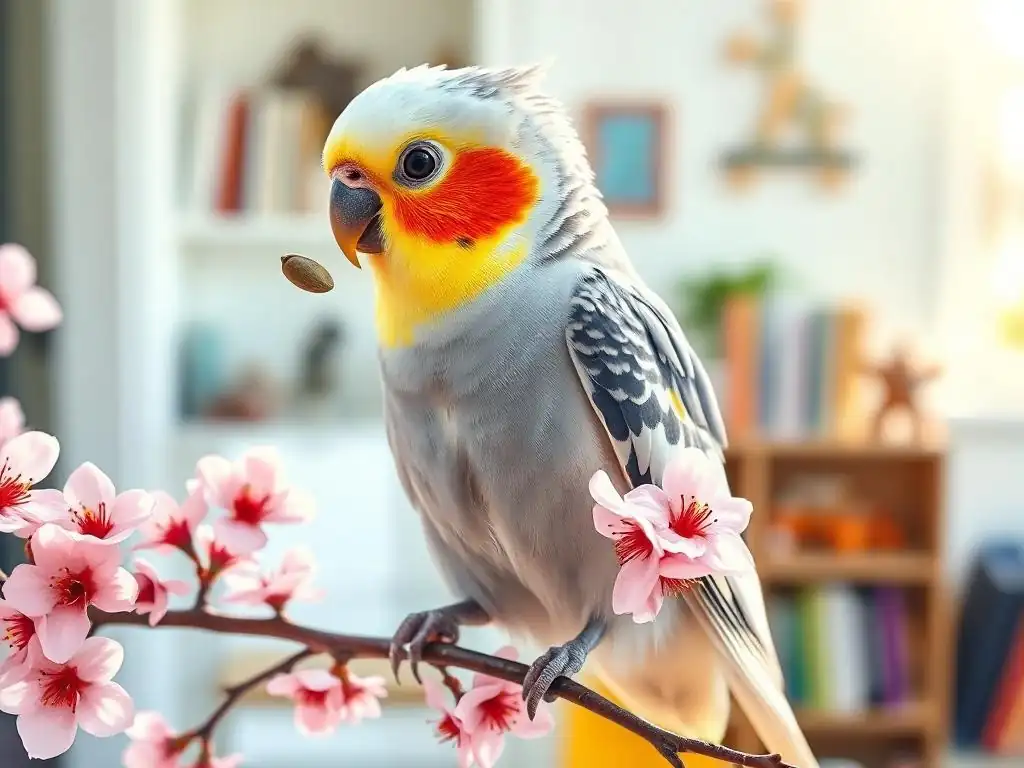
Cockatiels are renowned for their remarkable ability to mimic sounds, a trait deeply rooted in their natural communication and survival instincts. While some cockatiels are naturally more inclined towards vocal mimicry than others, understanding the underlying reasons for this behavior – as explored in other sections of this article – is crucial to effectively enhance and guide their abilities. This section focuses on practical training techniques and enriching activities that can significantly improve your cockatiel's sound mimicking skills.
Remember, patience and positive reinforcement are key to success. The goal isn't to force mimicry, but to create an environment where your cockatiel wants to vocalize and learn.
Effective Training Techniques for Sound Mimicry
Training your cockatiel to mimic sounds requires a structured approach, built on positive reinforcement and consistency. Avoid harsh methods; a frightened or stressed bird will be less likely to learn. Instead, focus on creating a fun and rewarding learning experience.
Positive Reinforcement Methods for Teaching Sounds
Positive reinforcement is the cornerstone of successful cockatiel training. This involves rewarding desired behaviors (like mimicking a sound) with treats, praise, or affection. A consistent reward system strengthens the association between the sound and the positive reinforcement, encouraging repetition.
For example, you can start by teaching simple sounds like whistles or short phrases. Repeat the sound clearly and consistently, then reward your cockatiel immediately after it attempts to mimic the sound, even if it's only a partial imitation. Gradually increase the complexity of the sounds as your cockatiel progresses. Consider using a clicker for training; the click provides a consistent marker for the desired behavior, followed by the reward. This improves timing and clarity of reinforcement.
Choosing Appropriate Sounds for Training
The sounds you choose for training should be clear, simple, and within your cockatiel's vocal range. Starting with single-syllable words or short, easily replicated sounds is ideal. Avoid complex phrases or sounds that are too high-pitched or low-pitched for your bird to comfortably reproduce.
Consider your cockatiel's personality. Some birds might respond better to musical sounds, while others may prefer human speech. Experiment to find what resonates best with your feathered friend. Remember, the goal is to make the learning process enjoyable and not stressful. Avoid overwhelming your cockatiel with too many sounds at once; focus on mastering one sound before moving on to the next.
Enrichment Activities to Stimulate Vocalization
Beyond formal training sessions, enriching your cockatiel's environment significantly boosts its vocalization. A stimulated bird is a more communicative bird.
Providing a Stimulating Environment
A stimulating environment provides opportunities for exploration, play, and social interaction, all of which contribute to vocal development. This includes providing a variety of toys that encourage chewing, climbing, and foraging. Rotating toys regularly keeps things interesting and prevents boredom, which can lead to decreased vocalization. Ensure the cage is spacious enough to allow for comfortable movement and exploration. A diverse array of perches of varying textures and sizes also contributes to a stimulating environment.
Social Interaction and Play: Key to Vocal Development
Cockatiels are highly social creatures, and interaction plays a vital role in their vocal development. Regular interaction, including talking to your cockatiel, singing, or playing sounds, encourages them to engage vocally. Playtime offers an excellent opportunity for bonding and vocal interaction. Interactive games, such as hide-and-seek with treats or puzzle toys, can stimulate your cockatiel's cognitive abilities and encourage vocalizations as they communicate their excitement or frustration. Remember, consistent, positive interaction is crucial for fostering a strong bond and encouraging vocal mimicry. The more comfortable and engaged your cockatiel feels, the more likely it is to express itself vocally.
Common Cockatiel Sounds and Their Meanings
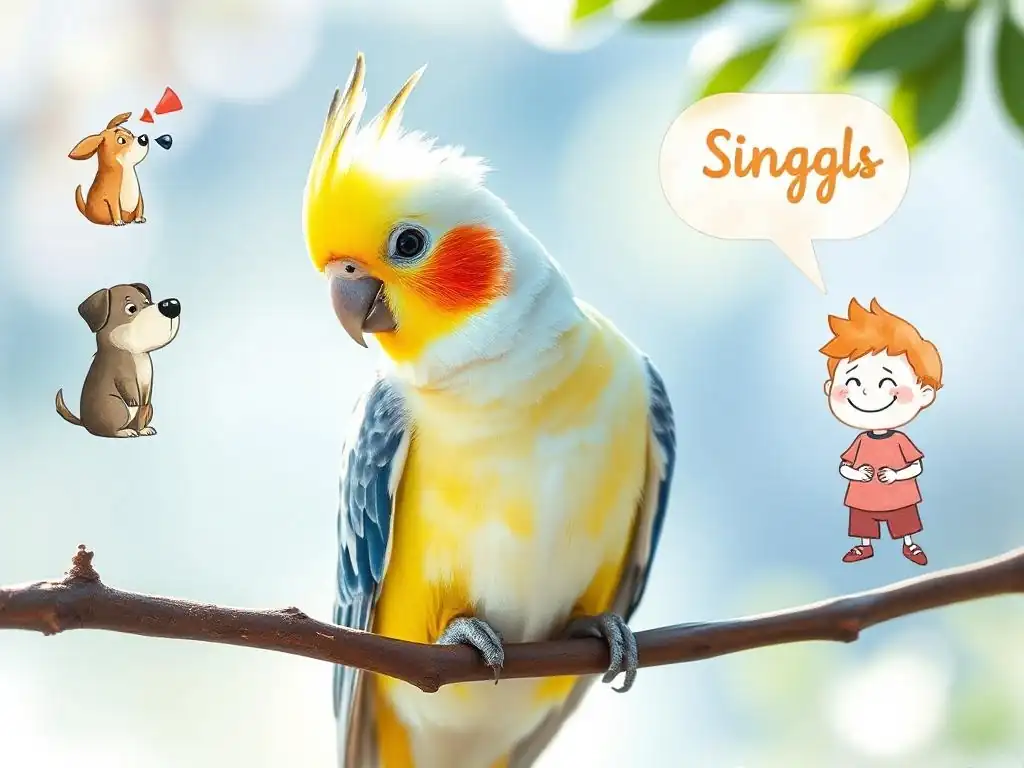
Understanding your cockatiel's vocalizations is crucial for building a strong bond and ensuring their well-being. Cockatiels are known for their remarkable ability to mimic sounds, a behavior deeply rooted in their communication strategies. However, deciphering their various calls requires careful observation and understanding of their context. This section will delve into the common sounds cockatiels produce and their potential meanings. Remember that individual cockatiels may have unique vocalizations, and consistent observation is key to understanding your pet's specific communication style.
Understanding Whistles, Chirps, and Chatters
Whistles, chirps, and chatters are often associated with positive emotions in cockatiels. A soft, melodic whistle can indicate contentment and a relaxed state. These gentle sounds often accompany preening, feeding, or simply enjoying their surroundings. Conversely, a rapid series of short chirps can express excitement, anticipation (like seeing their favorite treat), or a desire for interaction. These chirps might be accompanied by bobbing of the head or tail movements.
Longer, more complex chatter often signifies communication between cockatiels, particularly within a flock. This chatter can be a way of sharing information or maintaining social bonds. Think of it as their version of a conversation. The frequency, pitch, and intensity of the chirps and chatters provide further clues to their mood. For example, a high-pitched, rapid chirp might signal alarm, while a lower-pitched, slower chirp could indicate contentment.
Consider this example: If your cockatiel whistles softly while perched contentedly on its favorite toy, it’s likely a sign of relaxation and happiness. However, if the same whistle is accompanied by frantic wing flapping and pacing, it could suggest something is bothering them, and further investigation is needed.
Interpreting Screams and Other Distress Calls
While pleasant sounds are easy to interpret, understanding distress calls is critical for responsible cockatiel ownership. A high-pitched, piercing scream often indicates fear, pain, or a sense of threat. This is a crucial signal requiring immediate attention. Possible causes include a frightening experience, physical discomfort (like an injury or illness), or feeling threatened by a predator or an unfamiliar environment.
Other distress calls might include repetitive, harsh squawks or a series of short, sharp chirps delivered in rapid succession. These calls often escalate in intensity if the underlying cause isn't addressed. Observe the bird’s body language – ruffled feathers, dilated pupils, and avoiding eye contact can further confirm distress. It's essential to remain calm and identify the source of the distress.
Recognizing Contentment and Affection Sounds
Beyond whistles and chirps, cockatiels exhibit a range of sounds to express contentment and affection. Soft cooing sounds, often accompanied by gentle head-bobbing, are frequently associated with feelings of comfort and security. A low, rumbling sound, almost like a purr, can indicate deep contentment and relaxation, especially when paired with closed eyes or a relaxed posture.
Some cockatiels even develop unique “greeting calls” for their owners, which are often softer whistles or chirps delivered with an affectionate head-bob or a step closer. These individual vocalizations demonstrate the strength of the bond between bird and owner. Learning these specific sounds will deepen your understanding of your cockatiel’s communication and allow you to respond appropriately, strengthening the bond and promoting their overall well-being.
The more you learn about your cockatiel's unique vocalizations, the better you'll understand their needs and preferences, leading to a richer and more fulfilling relationship. This personalized understanding is key to responsible cockatiel ownership and provides insights into their emotional state and overall health.
Troubleshooting Mimicry Problems in Cockatiels
This section addresses common challenges pet owners face regarding their cockatiel's mimicking abilities and provides practical solutions for managing unwanted vocalizations. Understanding the why behind a cockatiel's sound mimicking is crucial, but equally important is knowing how to manage the how. Many owners find themselves frustrated by excessive noise or the mimicking of undesirable sounds. Let's explore strategies to mitigate these issues and ensure a harmonious coexistence.
Addressing Excessive Noises and Undesirable Sounds
Excessive noise from a cockatiel, even if it's just mimicking sounds from the environment, can be disruptive. The key here is proactive management, not punishment. Punishing a bird for vocalizing is rarely effective and can negatively impact their emotional well-being. Instead, focus on these strategies:
- Identify the triggers: Keep a detailed log of when your cockatiel is most vocal. This might reveal patterns linked to specific times of day, events, or even the presence of certain people. For example, does your bird mimic the vacuum cleaner only when you use it? Pinpointing the trigger is the first step to reducing the behavior.
- Environmental enrichment: A bored cockatiel is a noisy cockatiel. Provide ample opportunities for mental and physical stimulation. This includes a variety of toys, foraging opportunities, and opportunities for interaction. A well-stimulated bird is less likely to resort to excessive vocalizations to alleviate boredom. Consider rotating toys regularly to maintain novelty.
- Positive reinforcement: Reward quiet behavior. When your cockatiel is quiet, offer positive reinforcement such as a treat, praise, or a favorite activity. This teaches your bird that quiet behavior leads to positive outcomes. This is far more effective than punishing unwanted sounds.
- Training techniques: Specific training methods can help shape your cockatiel's vocalizations. Consider using a clicker to reinforce desired behaviors, such as quiet periods or the mimicking of pleasant sounds. Consistency is key in training.
- Soundproofing: In some cases, soundproofing a portion of your home can reduce the impact of your cockatiel's vocalizations. This might involve using sound-absorbing materials or strategically placing furniture to dampen noise. This isn't a solution for all problems but can be helpful in specific situations.
Identifying Potential Underlying Issues Affecting Vocalization
While excessive noise can simply be a result of boredom or a lack of stimulation, changes in vocalization patterns can sometimes signal underlying health problems. Consider these potential issues:
- Stress: Stress can manifest as increased vocalization, changes in vocal tone, or even self-mutilation. Stressors might include changes in the environment, the introduction of new pets, or even a change in your daily routine. Observe your bird closely for other signs of stress such as ruffled feathers, decreased appetite, or changes in sleeping patterns.
- Illness: Certain illnesses can affect a cockatiel's vocal abilities. Respiratory infections, for instance, can cause changes in breathing and vocalizations. A sudden change in your bird’s vocalizations, especially if accompanied by other symptoms, warrants a veterinary visit.
- Hormonal changes: Hormonal fluctuations, particularly during breeding season, can lead to increased vocalizations. This is often characterized by more frequent and intense vocalizations. Understanding the breeding cycle of your bird can help you anticipate and manage these hormonal changes.
- Pain: If your cockatiel is experiencing pain, they may vocalize more frequently or in a different tone than usual. This could be due to injury or illness. Pay close attention to any changes in behavior or vocalizations that might indicate pain.
Seeking Veterinary Advice for Unusual Vocal Behavior
Any sudden or significant changes in your cockatiel's vocalization patterns, especially if accompanied by other symptoms like lethargy, changes in appetite, or feather plucking, require immediate veterinary attention. Don't hesitate to consult an avian veterinarian. They are equipped to diagnose and treat a wide range of avian health conditions. Early intervention is crucial in addressing potential underlying health issues and ensuring the best possible outcome for your feathered friend.
Remember, a healthy cockatiel will typically exhibit a balanced range of vocalizations, reflecting its overall well-being. Any deviation from this norm warrants professional assessment. Don't delay seeking veterinary care if you're concerned about your cockatiel's health. Early diagnosis and treatment can make all the difference.
Frequently Asked Questions
Why do cockatiels mimic sounds?
Cockatiels mimic sounds primarily due to their innate desire to communicate and bond with their owners and environment. It's a natural behavior, strengthened by positive reinforcement. They learn through observation and repetition.
How can I encourage my cockatiel to mimic sounds?
Positive reinforcement is key. Reward your cockatiel with treats and praise when it successfully mimics a sound. Consistent interaction and a stimulating environment also help.
Do all cockatiels mimic sounds?
While many cockatiels are known for their mimicking abilities, not all do it to the same extent. Some are more inclined than others, depending on personality and training. Genetics also play a role.
What sounds do cockatiels typically mimic?
Cockatiels often mimic the sounds they hear most frequently, including human speech, other pets, household noises, and even electronic devices. The more they hear it, the more likely they are to copy it.
My cockatiel is mimicking undesirable sounds. What can I do?
Try to reduce exposure to the unwanted sounds. Focus on rewarding desirable mimicking behaviors instead. Consistency and patience are crucial in shaping your cockatiel's vocalizations.
Final Reflection: The Echoing Heart of a Cockatiel
Understanding the intricate reasons behind cockatiel sound mimicking is not merely a scientific pursuit; it's a key to unlocking a deeper connection with these remarkable birds. Their ability to reproduce sounds, from whistles to words, offers a window into their intelligence, social needs, and emotional landscape. This understanding allows us to better appreciate and care for our feathered companions.
The impact of this mimicking behavior extends beyond the individual bird; it shapes our perception of avian intelligence and underscores the complex communication systems within the animal kingdom. Their ability to learn and reproduce sounds highlights their capacity for emotional expression and social bonding. The ability to mimic is not just about imitation; it's about connection, about forging a relationship through shared sounds.
This quote encapsulates the profound emotional bond that can be formed through understanding and appreciating this unique avian trait.
You, the reader, now possess a deeper understanding of your cockatiel's vocalizations. Consider how this knowledge can enrich your relationship with your bird. Observe their sounds more attentively, listen for the nuances in their chirps and whistles, and try to decipher the messages they are conveying. By actively engaging with their communication, you'll not only strengthen your bond but also gain a profound appreciation for the intelligence and emotional depth of these captivating creatures. Let the echoing heart of your cockatiel guide you towards a more empathetic and enriching companionship.
Unlock Your Cockatiel's Mimicry Potential!
We're thrilled you're exploring the fascinating world of cockatiel mimicry! Understanding why your bird enjoys copying sounds is a great first step towards strengthening your bond. Let's put that knowledge into practice.
- Record your cockatiel's unique sounds: Capture those special vocalizations to create a lasting memory. Share your recordings with our community on social media—we'd love to hear them! #PetCareWorld #CockatielSounds
- Learn a new tune or word together: Choose a simple melody or word and take turns mimicking each other. This playful interaction fosters trust and improves communication.
- Create a stimulating soundscape: Introduce new sounds gradually, ensuring they are positive and enriching. Pay close attention to your cockatiel's reactions and adapt your approach accordingly.
Ready to further explore your cockatiel's communication? What sounds will you and your feathered friend learn together today?