
Cockatiel Cost of Ownership: Budgeting for Your Feathered Friend

Welcome to PetCareWorld, your ultimate guide to responsible and joyful pet ownership! Are you considering welcoming a charming cockatiel into your home? Discover the surprising realities behind Cockatiel ownership yearly cost and learn how to effectively budget for your feathered friend's well-being. We'll reveal the essential expenses, unexpected costs, and smart saving strategies to ensure a happy and healthy life for your new companion. Dive in and explore the complete guide to responsible cockatiel care!
- Understanding the Yearly Cost of Cockatiel Ownership
- Budgeting for Cockatiel Food and Nutrition
- Cockatiel Veterinary Care: A Breakdown of Costs
- Essential Cockatiel Supplies and Accessories
- Enrichment and Entertainment for Your Cockatiel
- Hidden Costs of Cockatiel Ownership
- Tips for Reducing Cockatiel Ownership Costs
- Estimating Your Total Yearly Cockatiel Cost
- Frequently Asked Questions
- Final Reflection: The Enduring Bond: Investing in a Cockatiel's Life
- Ready to Welcome Your Feathered Friend?
Understanding the Yearly Cost of Cockatiel Ownership
Bringing a cockatiel into your home is a rewarding experience, filled with charming chirps and playful antics. However, responsible cockatiel ownership extends beyond the initial purchase. This comprehensive guide delves into the financial aspects of caring for these delightful birds, helping you budget effectively for your feathered friend and ensure their long-term health and happiness.
We'll explore the initial investment, ongoing expenses, and potential veterinary costs, providing you with a realistic picture of the yearly cost of cockatiel ownership. Understanding these costs upfront will allow you to make informed decisions and provide your cockatiel with the best possible care, preventing any unforeseen financial strain. This guide focuses on providing you with the tools to accurately estimate the "Cockatiel ownership yearly cost," empowering you to become a responsible and prepared cockatiel owner.
Initial Cockatiel Costs
The initial investment for a cockatiel involves more than just the bird's purchase price. Several essential items are necessary to create a safe and enriching environment. These upfront costs can vary depending on where you acquire your cockatiel (breeder vs. pet store) and the quality of the supplies you choose.
- Cockatiel Purchase Price: Prices range significantly, from [price range pending] depending on breeder reputation, bird age, and lineage. Breeders often charge more for birds with desirable traits or from established bloodlines.
- Cage: A spacious cage is crucial. Expect to spend between [price range pending] on a suitable cage, ensuring adequate bar spacing to prevent escapes and sufficient room for perches, toys, and food bowls.
- Perches: Multiple perches of varying diameters are essential for foot health. Budget approximately [price range pending] for a variety of perches.
- Food and Water Dishes: Invest in sturdy, easy-to-clean food and water dishes. These typically cost around [price range pending].
- Toys: Cockatiels need mental stimulation. Allocate around [price range pending] for an initial set of toys, which should be replaced or supplemented regularly.
- Substrate/Cage Liner: Choose a safe and absorbent substrate for the cage bottom. Expect to spend roughly [price range pending] initially.
Ongoing Cockatiel Expenses
Beyond the initial setup costs, ongoing expenses contribute significantly to the yearly cost of cockatiel ownership. These recurring costs should be factored into your annual budget.
| Expense Category | Estimated Monthly Cost | Notes |
|---|---|---|
| Food: | [amount pending] | High-quality seed mixes, pellets, and fresh fruits/vegetables are essential. |
| Toys and Enrichment: | [amount pending] | Regularly replace worn-out toys to keep your cockatiel stimulated. |
| Substrate/Cage Liner: | [amount pending] | Needs replacing regularly depending on the type used. |
| Household Items: | [amount pending] | Cleaning supplies, paper towels, etc., are necessary for cage maintenance. |
These monthly expenses add up quickly. Remember to factor in unexpected costs, such as a need for a larger cage as your bird matures, or the costs associated with replacing damaged toys. Accurately estimating these recurring costs is crucial for responsible budget planning. Consider setting aside a dedicated savings account for your cockatiel's ongoing needs.
Veterinary Care for Cockatiels
Veterinary care is a critical aspect of cockatiel ownership and can represent a significant portion of the yearly cost. While your cockatiel may remain healthy, unexpected illnesses or injuries can arise. Regular check-ups are recommended, alongside prompt attention to any signs of illness.
- Annual Check-ups: Annual check-ups help detect potential problems early. The cost of these varies by location and veterinary practice, but expect to pay around [price range pending] per visit.
- Emergency Care: Unexpected illnesses or injuries can be costly. Be prepared for potential emergency veterinary bills that could range from [price range pending] to significantly more depending on the severity of the issue.
- Specialized Care: Certain conditions may require specialized care, which can be very expensive.
Planning for potential veterinary expenses is crucial. Consider pet insurance as a way to mitigate the financial burden of unexpected veterinary bills. Remember that proactive care – through a healthy diet, a clean environment, and regular checkups – can help minimize the need for expensive treatments.
Essential Cockatiel Supplies
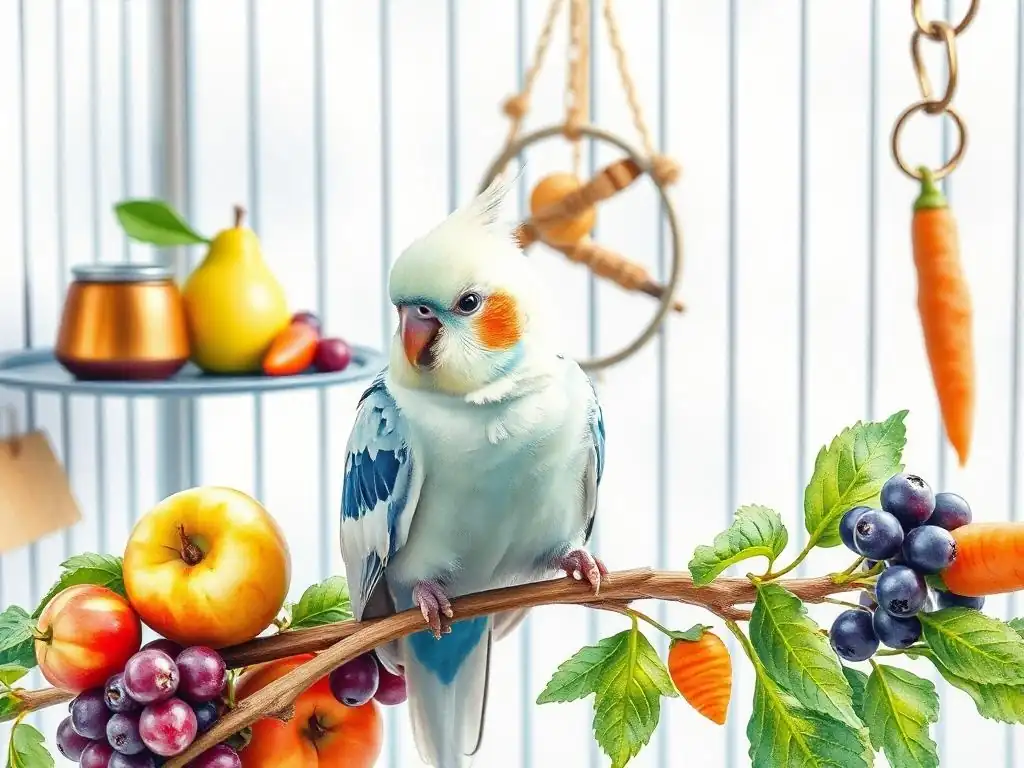
Owning a cockatiel involves consistent expenditure on essential supplies. These aren't one-time purchases; many require regular replenishment, significantly impacting your yearly cockatiel ownership cost. Let's break down the key components:
First, food is a major expense. High-quality cockatiel pellets should form the base of their diet, supplemented with fresh fruits and vegetables. A 5-pound bag of premium pellets might last 2-3 months, costing anywhere from $20 to $30. This translates to approximately $80 to $120 annually, depending on your bird's appetite and the brand you choose. Don't forget the cost of fresh produce! A weekly budget of $5-$10 for fruits and vegetables adds up to $260-$520 per year.
Next, consider cage maintenance. Cockatiels need spacious, secure cages. While the initial cage purchase is a substantial upfront cost, ongoing maintenance includes replacing food and water bowls, cleaning toys, and disinfecting the cage itself. Expect to spend around $20-$30 annually on replacing worn-out or damaged cage accessories. Regular cleaning supplies, such as cage cleaners and disinfectants, add another $15-$25 to your yearly budget.
Finally, bedding is crucial for cage hygiene. Paper-based bedding needs frequent changes, adding to the ongoing cost. You'll likely spend between $10 and $20 per year on bedding materials. Remember, these are estimates; the actual amount will vary depending on your choice of products and the frequency of cleaning. In total, essential supplies for your cockatiel will likely cost you between $475 and $785 annually. Careful budgeting and comparing prices between different brands can help you manage this expense.
Cockatiel Enrichment Costs
Enrichment is crucial for a happy and healthy cockatiel. A bored cockatiel is a stressed cockatiel, prone to behavioral problems. Providing a stimulating environment significantly impacts your yearly budget, but the investment in your bird's well-being is invaluable.
Firstly, toys are essential for mental and physical stimulation. Cockatiels love to chew and play, so providing a variety of toys is vital. A rotation of toys is recommended to prevent boredom, meaning you'll need to replace or add new toys regularly. Allocate approximately $50-$100 per year for toy replacement and additions. Consider the durability of toys; some are chewed up faster than others.
Beyond toys, out-of-cage time is essential. This necessitates supervising your bird, preventing accidents and ensuring their safety. While this doesn't represent a direct monetary cost, it does involve your time and potentially investment in bird-proofing your home. This might involve purchasing additional items to protect furniture or other valuable possessions.
Additionally, consider training aids. Positive reinforcement training is a rewarding way to bond with your cockatiel and teach them desirable behaviors. Training treats, clickers, and other training tools add a small but significant cost. Expect to spend around $20-$30 annually on these items. Investing in training aids pays off in the long run by preventing costly behavioral problems. The total cost for cockatiel enrichment, therefore, is estimated to be between $70 and $130 annually, though this can vary greatly depending on your bird's preferences and your approach to enrichment.
Budgeting for Cockatiel Food and Nutrition
Owning a cockatiel is a rewarding experience, but it's crucial to understand the financial commitment involved. A significant portion of your yearly expenses will be dedicated to their food and nutritional needs. Providing a balanced and varied diet is essential for maintaining your feathered friend's health and longevity. Let's delve into the specifics of budgeting for your cockatiel's dietary requirements.
High-Quality Cockatiel Food
The cornerstone of a healthy cockatiel diet is high-quality commercial pellet food. Avoid mixes that contain a large percentage of seeds, as these can lead to nutritional imbalances and obesity. Opt for a formulated pellet diet specifically designed for cockatiels, ensuring it contains a balanced blend of vitamins, minerals, and proteins. Look for brands that emphasize whole grains and minimal fillers.
The cost of a good quality, 5-pound bag of cockatiel pellets typically ranges from $15 to $25, depending on the brand and retailer. This should be considered the base of your cockatiel's daily food intake. Remember that the amount you feed will depend on your bird's size and activity level; always follow the feeding guidelines provided by the manufacturer. A larger bird or one with higher energy levels will require slightly more food.
Fresh Produce and Treats
While pellets form the foundation of your cockatiel's diet, supplementing with fresh produce and occasional treats is essential for providing variety and additional nutrients. Cockatiels enjoy a wide range of fruits and vegetables, including:
- Apples (remove seeds)
- Bananas (in moderation)
- Berries (strawberries, blueberries, raspberries)
- Carrots (shredded or sliced)
- Broccoli florets
- Green beans
- Peas
Remember to introduce new foods gradually to avoid digestive upset. Wash all produce thoroughly before offering it to your bird. The cost of these fresh items will vary depending on seasonal availability and your location, but budgeting $10-$20 per month for fresh produce should be sufficient. Occasional treats, such as small pieces of cooked pasta or a tiny amount of unsalted, plain cooked chicken, can add variety but should be given sparingly. Overfeeding treats can lead to obesity and health problems. Think of these as occasional rewards, not a staple part of the diet.
Calculating Yearly Food Costs
To estimate the yearly cost of your cockatiel's food, let's consider the following:
| Item | Monthly Cost (Estimate) | Yearly Cost (Estimate) |
|---|---|---|
| High-Quality Pellets | $5 - $8 | $60 - $96 |
| Fresh Produce & Treats | $10 - $20 | $120 - $240 |
| Total Food Costs | $15 - $28 | $180 - $336 |
This is a conservative estimate; the actual cost may vary based on factors such as the brand of pellets chosen, the cost of fresh produce in your area, and your cockatiel's individual appetite. However, this breakdown provides a reasonable starting point for budgeting the annual food expenses for your cockatiel. Remember to always consult with an avian veterinarian for personalized dietary advice for your specific bird.
They can help you determine the optimal food quantities and types to ensure your cockatiel receives the necessary nutrients for a long and healthy life. This careful planning will help you confidently manage the "cockatiel ownership yearly cost" associated with their nutrition. 🐦
Cockatiel Veterinary Care: A Breakdown of Costs
Owning a cockatiel is a rewarding experience, but responsible ownership includes budgeting for potential veterinary expenses. Unexpected illnesses and injuries can significantly impact your finances, making proactive planning crucial. Let's break down the costs associated with your feathered friend's healthcare.
Routine Veterinary Checkups
Annual wellness exams are essential for preventative care. These checkups typically include a physical examination, weight check, and fecal examination to detect internal parasites. Your avian veterinarian will also assess your cockatiel's overall health, plumage condition, and behavior. The cost of a routine checkup varies depending on your location and the veterinarian's fees, but you can expect to pay anywhere from $50 to $150 per visit.
Some vets offer package deals for multiple visits within a year, potentially offering a slight discount. Remember to factor in the cost of travel to and from the vet. Proactive care can prevent costly emergency situations down the line, making these checkups a worthwhile investment in your cockatiel's long-term health. Consider budgeting approximately $100-$150 annually for these essential checkups.
Emergency Veterinary Care
Unfortunately, emergencies can and do happen. A sudden illness, injury from an accident, or a severe case of feather plucking can require immediate veterinary attention. Emergency care is significantly more expensive than routine checkups. Expect to pay a higher consultation fee, potentially coupled with the cost of diagnostic tests (blood work, X-rays), medications, and potentially surgery.
The cost of emergency care for a cockatiel can range from a few hundred dollars to several thousand dollars, depending on the severity of the situation. While you cannot predict emergencies, having a dedicated emergency fund specifically for your cockatiel's healthcare can alleviate financial stress during a crisis. Setting aside a monthly amount specifically for unexpected veterinary emergencies is highly recommended. The actual amount will depend on your personal financial situation, but even a small amount saved regularly can make a significant difference.
Cockatiel Insurance
Pet insurance for birds, including cockatiels, is becoming increasingly common. While it might seem like an added expense, pet insurance can offer significant peace of mind and financial protection in the event of an emergency or chronic illness. Policies vary widely in coverage and cost, so it's essential to compare different providers and choose a plan that best fits your budget and your cockatiel's needs.
Some policies cover routine checkups, while others focus primarily on emergency and illness coverage. Consider factors like the deductible, annual payout limits, and covered services when making your decision. The monthly premium will vary depending on your chosen plan and your cockatiel's age and breed, but it can be a worthwhile investment to mitigate the high costs associated with unexpected veterinary bills.
Researching and comparing different cockatiel insurance plans is crucial before committing to a policy. Weigh the monthly premium against the potential savings in the long run. This is a significant aspect of planning for the yearly cost of cockatiel ownership.
Essential Cockatiel Supplies and Accessories
Bringing a cockatiel home is an exciting experience, but responsible ownership requires careful budgeting. Understanding the upfront and ongoing costs associated with cockatiel ownership is crucial for ensuring your feathered friend receives the best possible care. This section details the essential supplies and accessories you'll need, helping you accurately estimate your "Cockatiel ownership yearly cost". We'll break down the costs into categories to make budgeting easier.
Choosing the Right Cockatiel Cage
The cage is arguably the most significant initial investment. A cramped cage leads to stress, feather plucking, and other behavioral problems, significantly impacting your cockatiel's well-being and potentially increasing veterinary costs down the line. Therefore, choosing the right size is paramount. For a single cockatiel, a cage measuring at least 24 inches wide, 24 inches high, and 18 inches deep is generally recommended. Larger is always better. Consider these factors when choosing a cage:
- Size: As mentioned, bigger is better. A spacious cage allows your cockatiel to stretch its wings, climb, and play comfortably.
- Spacing: Bar spacing should be narrow enough (less than ½ inch) to prevent escape attempts and injuries.
- Material: Stainless steel or powder-coated wire is ideal for durability and easy cleaning. Avoid cages made of materials that can be easily chewed or that contain lead-based paint.
- Features: Look for a cage with multiple perches of varying sizes and textures, food and water bowls that are easy to clean and securely attached, and ideally, a pull-out tray for easy cleaning.
The cost of a suitable cage can range from $50 to $200+, depending on size, material, and features. Remember, this is a one-time cost that provides long-term value. Investing in a high-quality cage now will save you money and stress in the long run.
Safe and Engaging Cockatiel Toys
Cockatiels are intelligent and active birds that need mental and physical stimulation. Providing a variety of safe and engaging toys is essential to prevent boredom, destructive behaviors, and potential health problems. A lack of enrichment can significantly increase your "Cockatiel ownership yearly cost" due to veterinary bills related to stress-induced illnesses.
Consider these toy types:
- Wooden toys: Natural wood toys are often safe and appealing, but always supervise your bird to ensure they don't ingest splinters.
- Foraging toys: These encourage natural behaviors and keep your cockatiel mentally stimulated.
- Bell toys: These can provide auditory stimulation, but ensure they are securely attached and made of non-toxic materials.
- Rope toys: These can provide chewing and climbing opportunities.
Replace toys regularly (every few weeks to a couple of months) to maintain interest and prevent wear and tear. The annual cost of toys can range from $50 to $150, depending on how many toys you purchase and the types you choose.
Essential Cockatiel Accessories
Beyond the cage and toys, several other accessories are essential for your cockatiel's well-being. These contribute to the overall "Cockatiel ownership yearly cost" but are crucial for maintaining a healthy and happy bird.
These accessories include:
- Food and water bowls: Stainless steel or ceramic bowls are easy to clean and durable.
- Perches: Provide a variety of perches with different diameters and textures to promote foot health.
- Cuttlebone: A vital source of calcium.
- Mineral block: Provides essential minerals.
- Cleaning supplies: You'll need disinfectants, paper towels, and a cage cleaning brush.
The annual cost of these accessories can range from $30 to $75, depending on your choices and how often you need to replace items. Remember to factor in the cost of regular cage cleaning and disinfecting, as maintaining a hygienic environment is vital for your bird's health. Neglecting hygiene can lead to increased veterinary bills, significantly impacting your overall yearly expenditure.
This detailed breakdown helps you create a realistic budget for your cockatiel's care. Remember that unforeseen veterinary expenses can occur, so setting aside a contingency fund is advisable. By planning ahead and understanding the various costs involved, you can ensure your cockatiel enjoys a long, healthy, and happy life.
Enrichment and Entertainment for Your Cockatiel
Providing a stimulating and engaging environment is crucial for your cockatiel's physical and mental well-being. A bored cockatiel is a potentially unhappy and unhealthy cockatiel, prone to destructive behaviors like feather plucking or excessive screaming. Understanding the yearly cost of cockatiel ownership includes budgeting for enrichment items and activities that keep your feathered friend happy and active. This section will delve into the key components of a fulfilling cockatiel life, focusing on toys, interactive activities, and proper cage setup.
Cockatiel Toys
Toys are essential for preventing boredom and encouraging natural behaviors like foraging and chewing. Cockatiels require a variety of toys to maintain interest, and it's advisable to rotate toys regularly to prevent them from becoming predictable and losing their appeal. The annual cost of toys can vary greatly depending on your choices.
Consider these categories and associated costs:
- Wooden toys: These are often cheaper initially but may need replacing more frequently due to chewing. Expect to spend approximately $20-$50 per year. Look for toys made from untreated, safe wood.
- Foraging toys: These encourage natural foraging behaviors, which are vital for mental stimulation. Prices range from $15-$40 each, and replacing a few throughout the year will be necessary.
- Puzzle toys: These challenge your cockatiel mentally, keeping them engaged and preventing boredom. These can cost between $10-$30 each.
- Bell toys and other interactive toys: These provide auditory and tactile stimulation. Prices vary greatly, from $5 to $25 per toy.
It's recommended to have a diverse range of toys available at all times, aiming for at least 3-5 different toys in the cage. Replacing worn-out or damaged toys promptly is crucial for safety. Therefore, plan for a yearly budget of approximately $70-$150 for cockatiel toys, depending on your bird's preferences and destructive tendencies. Remember, a happy, mentally stimulated cockatiel is a healthier cockatiel, ultimately reducing potential veterinary costs associated with stress-related illnesses.
Interactive Cockatiel Activities
Beyond toys, interactive activities significantly contribute to your cockatiel's happiness and well-being. These activities provide mental stimulation and strengthen the bond between you and your bird. The good news is that many interactive activities are inexpensive or even free!
Here are some examples:
- Training sessions: Spending 15-20 minutes daily training your cockatiel using positive reinforcement techniques (treats, praise) is invaluable. This strengthens your bond and provides mental stimulation. The cost here is primarily the cost of healthy treats – perhaps $30-$50 annually.
- Supervised playtime outside the cage: Allowing your cockatiel supervised playtime outside its cage allows for exploration and interaction with you. This is free but requires your time and attention.
- Foraging games: Hide treats around the cage or in puzzle toys to encourage natural foraging behaviors. This can be incorporated into your daily routine at no extra cost.
- Singing/talking sessions: Interacting with your cockatiel by singing or talking to it strengthens your bond and provides auditory stimulation. This is completely free!
Including these activities in your daily routine is essential. The yearly cost of interactive activities is minimal, primarily focusing on the cost of healthy treats. The investment in time, however, is significant, contributing substantially to your cockatiel's overall well-being and reducing potential behavioral problems.
Cockatiel Cage Setup
The cage environment plays a significant role in your cockatiel's happiness and health. A properly sized cage with appropriate accessories is essential for preventing stress and promoting natural behaviors. The initial investment in a suitable cage is substantial, but ongoing costs are relatively low.
Consider these aspects:
- Cage size: A larger cage is always better. Aim for a cage that's spacious enough for your cockatiel to comfortably spread its wings and move around. The initial cost is substantial, but this is a one-time expense.
- Perches: Provide a variety of perches of different sizes and textures to prevent foot problems. Replacement perches might cost around $10-$20 annually.
- Food and water dishes: Ensure these are appropriately sized and easy for your cockatiel to access. These are relatively inexpensive to replace if needed.
- Cage liners: These help maintain cage cleanliness and can be relatively inexpensive to replace regularly. Budget around $20-$40 per year for cage liners.
- Cleaning supplies: Regular cleaning is essential. Include a budget for bird-safe cleaning products. Yearly cost for cleaning supplies: $15-$30.
The yearly maintenance cost for your cockatiel's cage environment is relatively low, mainly concerning replacing perches, liners, and cleaning supplies. The initial investment in a high-quality, appropriately sized cage is the most significant expense, but it's a one-time cost that pays off in your bird's health and happiness. Proper cage setup is crucial for minimizing potential health issues and stress-related behaviors, contributing to a lower overall cost of ownership in the long run.
Owning a cockatiel, while incredibly rewarding, involves more than just the initial purchase price. Many unforeseen expenses can quickly add up, impacting your overall "Cockatiel ownership yearly cost." Careful budgeting and planning are crucial to ensure your feathered friend receives the best possible care throughout their lifespan. This section delves into those often-overlooked costs that contribute significantly to the total expense of cockatiel ownership.
Unexpected Cockatiel Expenses
Unexpected veterinary bills represent a significant portion of hidden costs. While preventative care is essential (covered in another section), unforeseen illnesses or injuries can arise, leading to substantial expenses. A single emergency visit can easily cost hundreds of dollars, depending on the severity of the issue and the necessary treatments. Consider factors like:
- Emergency veterinary care: This includes unexpected illnesses, injuries (like accidental falls or wing damage), or ingestion of toxic substances. The cost can vary widely based on location and the specific treatment required.
- Specialized avian vet: Finding a veterinarian experienced in avian care is crucial for your cockatiel's health. These specialists often charge higher fees than general practitioners.
- Diagnostic testing: Blood work, X-rays, and other diagnostic tests are often necessary to determine the cause of illness, adding to the overall cost.
- Medication: Prescriptions for antibiotics, pain relievers, or other medications can be expensive, particularly for long-term treatments.
Beyond veterinary care, other unexpected expenses might include:
- Cage damage: Cockatiels, especially younger ones, can be quite destructive. Repairing or replacing a damaged cage is a potential cost to factor in.
- Toy replacement: Cockatiels need a variety of toys for enrichment and mental stimulation. Replacing worn-out or destroyed toys is an ongoing expense.
- Accidental damage to household items: Chewing on furniture or other household items can lead to costly repairs or replacements.
Long-Term Cockatiel Care
Planning for long-term cockatiel care is vital for responsible ownership. Consider the following factors that contribute to the ongoing "Cockatiel ownership yearly cost":
- Food and water: High-quality cockatiel food, fresh fruits, and vegetables are essential for a healthy diet. This constitutes a significant portion of the annual budget. Expect to spend between $20-$50 per month, depending on the quality and quantity of food you provide.
- Annual veterinary check-ups: Regular check-ups are crucial for early disease detection and preventative care. These visits, including basic examinations and vaccinations, contribute to your yearly expenditure.
- Cage cleaning supplies: Maintaining a clean cage is paramount for your cockatiel's health. The cost of cleaning supplies, such as disinfectants and cage liners, accumulates over time.
- Environmental enrichment: Providing a stimulating environment with various toys, perches, and activities is crucial for a cockatiel's well-being. This ongoing investment contributes to a comfortable and enriching life for your pet.
The table below summarizes potential yearly costs, remembering these are estimates and can vary significantly based on location, individual needs, and unforeseen circumstances:
| Expense Category | Estimated Yearly Cost (USD) | Notes |
|---|---|---|
| Food & Water | 240 - 600 | Varies depending on food quality and quantity |
| Veterinary Check-ups | 100 - 300 | Includes annual exams and vaccinations |
| Cage Cleaning Supplies | 50 - 150 | Depends on cage size and cleaning frequency |
| Toys & Enrichment | 100 - 200 | Replacement and variety are crucial |
| Unexpected Veterinary Bills | 0 - 1000+ | This is a variable cost that can dramatically increase the total cost |
Remember, responsible cockatiel ownership requires careful financial planning. By anticipating these potential costs, you can better prepare for the joys and responsibilities of sharing your life with this wonderful feathered companion. Accurate budgeting, combined with a proactive approach to your bird's health and well-being, will ensure a long and happy life together.
Tips for Reducing Cockatiel Ownership Costs
Owning a cockatiel is a rewarding experience, but it's crucial to understand the financial commitment involved. While the initial cost of purchasing a cockatiel might seem manageable, the ongoing expenses can add up quickly. This section explores practical strategies to reduce your yearly cockatiel ownership costs without compromising your feathered friend's well-being.
Careful planning and proactive measures can significantly impact your budget, allowing you to enjoy a longer, healthier companionship with your bird. Smart budgeting for your cockatiel ensures a happy and healthy life together, minimizing unexpected financial burdens. This is especially important when considering the long-term "cockatiel ownership yearly cost".
Finding Affordable Cockatiel Supplies
One significant area where costs can be reduced is in purchasing supplies. High-quality food, toys, and cage accessories are essential, but they don't always have to break the bank. Consider the following:
- Buying in bulk: Purchasing larger quantities of birdseed and other staples can often result in significant savings per unit. Look for sales and discounts at reputable pet stores or online retailers. This strategy is especially effective for commonly used items like food and bedding.
- Exploring alternative brands: Not all brands are created equal. While premium brands offer high-quality ingredients, many more affordable options provide adequate nutrition for your cockatiel. Compare ingredient lists and nutritional values to find a suitable balance between cost and quality. Remember to always consult with an avian veterinarian before making significant changes to your bird's diet.
- Utilizing online marketplaces: Online marketplaces can offer competitive prices on various cockatiel supplies, including cages, toys, and perches. Be sure to carefully check seller ratings and reviews before making a purchase to ensure you receive high-quality items. Always prioritize safety and hygiene when sourcing supplies online.
- Making use of reusable items: Repurpose household items for your cockatiel. For example, clean cardboard tubes can be used as toys, and sturdy wooden dowels can be used to create perches. This approach is not only cost-effective but also promotes creativity and environmental consciousness.
DIY Cockatiel Toys
Commercial cockatiel toys can be expensive. However, creating your own toys is a fantastic way to save money and provide your bird with stimulating enrichment. Here are some ideas:
- Paper toys: Shredding paper is a natural instinct for cockatiels. Provide them with safe, non-toxic paper, such as plain newspaper or recycled paper, to keep them entertained. Supervise your bird during playtime with paper to prevent ingestion of small pieces.
- Wooden toys: Under close supervision, you can create simple wooden toys using dowels, blocks, and other safe, untreated wood. Ensure all wood is free from splinters and toxic chemicals before giving it to your cockatiel. Always supervise your bird while they play with wooden toys.
- Natural foraging toys: Offer your cockatiel natural foraging opportunities by providing branches from safe trees (ensure they are free from pesticides and herbicides), seed pods, and other natural materials. This encourages natural behaviors and provides mental stimulation, reducing the need for expensive commercial toys.
- Recycled materials: Repurpose household items like cardboard boxes (ensure they are completely clean and free from tape or staples), toilet paper rolls, and bottle caps to create interesting and stimulating toys. Always supervise your bird to prevent ingestion of small parts.
Preventative Care for Cockatiels
Preventative care is crucial for managing the long-term costs of cockatiel ownership. Regular vet checkups, a healthy diet, and a clean environment can significantly reduce the likelihood of expensive illnesses and treatments later on.
- Annual veterinary checkups: Regular checkups allow your avian veterinarian to detect potential health issues early, before they become serious and costly to treat. This preventative approach is vital for maintaining your cockatiel's health and well-being. The cost of preventative care is significantly less than the cost of treating serious illness.
- Maintaining a clean environment: A clean cage and environment significantly reduces the risk of bacterial and parasitic infections. Regular cleaning not only improves your cockatiel's health but also prevents the need for expensive treatments for preventable illnesses.
- Providing a balanced diet: A nutritious diet is fundamental to your cockatiel's health and longevity. A balanced diet reduces the risk of nutritional deficiencies, which can lead to costly health problems. This is a crucial factor in the overall "cockatiel ownership yearly cost".
By implementing these tips and strategies, you can effectively manage the "cockatiel ownership yearly cost" and enjoy a fulfilling and financially responsible relationship with your feathered companion. Remember, responsible ownership includes proactive planning and a commitment to your bird's well-being.
Estimating Your Total Yearly Cockatiel Cost
This section focuses on providing a realistic estimate of the annual cost of owning a cockatiel. While individual expenses can vary significantly, understanding the average cost breakdown helps potential owners budget effectively. We'll explore the key expense categories to help you accurately gauge the "Cockatiel ownership yearly cost."
Calculating the Total Yearly Budget
To determine your total yearly cockatiel cost, we'll break down the expenses into several key categories. Remember, these are average figures, and your actual costs may be higher or lower depending on various factors discussed later.
Let's consider a sample budget:
| Expense Category | Annual Average Cost (USD) | Notes |
|---|---|---|
| Food | $100 - $200 | This depends on the type and quality of food chosen. Higher-quality pellets and fresh foods will increase costs. |
| Veterinary Care | $150 - $500 | This includes annual checkups, potential illnesses, and emergency care. Unexpected veterinary bills can significantly impact the budget. |
| Cage and Accessories | $50 - $200 (initial, then ongoing replacement costs) | Initial setup costs are significant, but ongoing expenses include toy replacement, cage cleaning supplies, etc. |
| Toys and Enrichment | $50 - $150 | Cockatiels need mental and physical stimulation; toys need regular replacing. |
| Miscellaneous | $50 - $100 | This includes things like nail clippers, training treats, and potential bedding changes. |
| Total Estimated Annual Cost | $400 - $1000 | This is a broad range; actual costs will vary based on several factors. |
This table provides a general overview. Remember to factor in unexpected costs, which can significantly affect your total yearly expenditure. A well-stocked emergency fund for unexpected veterinary expenses is highly recommended. Careful planning can minimize these surprises.
Factors Affecting Cockatiel Ownership Costs
Several factors can influence the annual cost of cockatiel ownership. Understanding these variables will help you create a more accurate and personalized budget.
- Food Quality: Opting for premium-quality cockatiel pellets and supplementing with fresh fruits and vegetables will increase costs compared to using cheaper, lower-quality mixes. Higher-quality food generally contributes to better health and longevity, potentially reducing veterinary expenses in the long run.
- Veterinary Care: The frequency and cost of veterinary visits significantly affect the overall budget. Regular checkups are essential for preventative care, but unforeseen illnesses or injuries can lead to substantial unexpected expenses. Pet insurance can help mitigate these risks.
- Location: Geographic location influences the cost of various items, including food, veterinary services, and cage accessories. Prices can vary considerably between urban and rural areas, and even between different states or countries.
- Lifestyle: A cockatiel's lifestyle impacts its needs. Highly active birds might require more toys and enrichment items, increasing the annual cost. Similarly, birds with specific dietary needs or health concerns will necessitate higher spending on specialized food or medication.
- Number of Cockatiels: Owning multiple cockatiels naturally increases all costs, from food and toys to veterinary care. The expenses will generally increase proportionally with the number of birds.
Preparing for the Long-Term Financial Commitment
Owning a cockatiel is a long-term commitment, often spanning 10-20 years or more. Therefore, it's crucial to carefully assess your financial capacity for this significant responsibility. Beyond the yearly costs outlined above, consider the following long-term financial aspects:
- Unexpected Emergencies: Always have a dedicated emergency fund for unexpected veterinary bills. Even with preventative care, accidents and illnesses can happen. This fund should ideally cover several thousand dollars, depending on your location and access to emergency veterinary services.
- Cage and Accessory Replacement: Cages and accessories will need replacing over time due to wear and tear. Factor in these costs into your long-term financial planning, considering the lifespan of your chosen cage and toy materials.
- Retirement Planning: Consider the costs of cockatiel care as part of your overall retirement planning. If you anticipate needing assistance with your cockatiel’s care in your later years, factor in the potential costs of hiring a pet sitter or other care provider.
Responsible cockatiel ownership requires careful financial planning. By thoroughly understanding and budgeting for the various expenses involved, you can provide your feathered friend with a happy and healthy life while managing your finances effectively. Remember that a healthy cockatiel is a happy cockatiel, and prioritizing their well-being will often lead to long-term cost savings.
Frequently Asked Questions
What is the average yearly cost of owning a cockatiel?
The average yearly cost of owning a cockatiel can range from $500 to $1,500, depending on factors like location, vet care needs, and the quality of food and toys. This is just an estimate, and costs can vary significantly.
What are the biggest expenses associated with cockatiel ownership?
The most significant expenses usually include the initial purchase price of the bird, routine veterinary care (including checkups and potential illnesses), and the ongoing costs of high-quality food, toys, and cage maintenance.
How much does a cockatiel cage cost?
The cost of a suitable cockatiel cage varies greatly, from $50 for a basic cage to over $200 for a larger, more feature-rich cage. Consider the bird's size and activity level when choosing a cage.
What kind of food should I buy for my cockatiel, and how much does it cost?
Cockatiels need a diet rich in pelleted food, supplemented with fresh vegetables and fruits. High-quality pellet food can cost anywhere from $10 to $25 per bag, depending on the size and brand.
Are there any unexpected costs I should be prepared for?
Unexpected costs can arise from emergency veterinary visits, damage to the home (chewing), or the need for specialized equipment like a cage cover or a play stand. Having a pet emergency fund is highly recommended.
Final Reflection: The Enduring Bond: Investing in a Cockatiel's Life
Owning a cockatiel is not merely an expense; it's a profound commitment to a creature whose life, happiness, and well-being depend entirely on your care. The yearly costs, as detailed in this article, represent a tangible investment in a relationship that can enrich your life for many years to come. Understanding these costs upfront is crucial to ensuring a successful and fulfilling partnership with your feathered friend.
The joy and companionship a cockatiel brings are immeasurable, far outweighing the financial considerations. Their playful personalities, unique vocalizations, and unwavering loyalty create a bond that transcends the monetary investment. As the saying goes, A bird in the hand is worth two in the bush,
but the true value lies not just in possession, but in the nurturing and responsible care we provide. This commitment extends beyond the yearly budget; it's a promise to provide a stimulating environment, enriching experiences, and unwavering love throughout their lifespan.
Consider the information presented here not as a deterrent, but as a guide. You are now equipped to make informed decisions, ensuring your cockatiel receives the best possible care within your means. Before bringing a cockatiel into your home, carefully review the costs outlined. Plan your budget, research reputable breeders or adoption centers, and prepare your home to welcome this amazing creature. The reward of a lifetime of companionship is worth the investment, both financially and emotionally. Are you ready to embark on this enriching journey?
Ready to Welcome Your Feathered Friend?
Thank you for exploring the costs of owning a cockatiel! We hope this guide provided a clear understanding of what to expect. Now, let's put that knowledge into action. Here's how to get started:
- Budgeting for your Cockatiel: Download our free budgeting worksheet (available on our website homepage under 'Resources') to track expenses and ensure your new companion enjoys a comfortable life. This crucial step will help your bird thrive.
- Finding a Veterinarian and Reputable Breeder: Locate a veterinarian experienced with cockatiels before bringing your bird home. Knowing their location and fees will be invaluable.
- Share the Joy (and Responsibility): Share this article with fellow bird enthusiasts! Help others prepare for the joys and responsibilities of cockatiel ownership by sharing this resource on social media.
What enrichment activity are you most looking forward to trying with your new cockatiel?