Why Do Birds Flock? Exploring the Benefits and Behaviors
😊 Discover the fascinating reasons behind flocking behavior in birds! Learn about the key survival advantages—from predator avoidance to improved foraging efficiency—that…
Read article
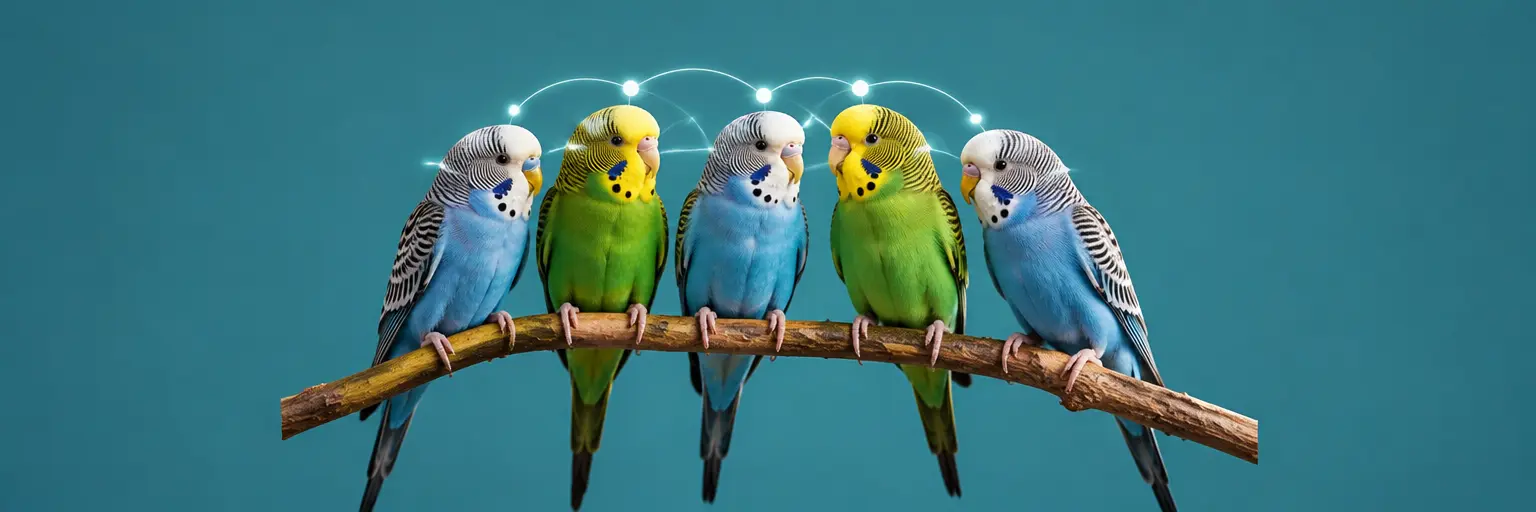
Discover the fascinating world of bird social behavior and flock dynamics in this essential guide for bird owners. Understanding how your feathered friends interact, communicate, and form hierarchies is key to fostering a happy, stress-free environment—whether you have a single parrot or a lively aviary. From flock mentality and bonding rituals to dominance cues and socialization tips, our expert insights help you decode wing flaps, vocalizations, and group roosting habits. Learn how to prevent aggression, encourage positive relationships, and recognize signs of loneliness or boredom, ensuring your bird thrives both mentally and physically. Dive into practical strategies that mirror natural flock structures, promote trust and companionship, and enhance your pet’s overall well-being—because a socially balanced bird is a healthier, happier companion. 🐦✨

😊 Discover the fascinating reasons behind flocking behavior in birds! Learn about the key survival advantages—from predator avoidance to improved foraging efficiency—that…
Read article
🤔 Discover the surprising social intelligence within bird flocks! Learn how complex communication and cooperation drive the dynamics of avian communities, impacting…
Read article
🐦 Understand your feathered friend's behavior! This PetCareWorld guide decodes bird flock social hierarchies, offering practical tips to ensure a happy and…
Read articleWelcome to PetCareWorld’s dedicated guide on Bird Social Behavior and Flock Dynamics, an essential subcategory within our Bird Care hub. Whether you own a single parrot, a pair of finches, or a small aviary of budgies, understanding how birds interact, communicate, and establish hierarchies is key to their mental and physical health. This page explores why flocking matters, how captive birds adapt these instincts, and what you can do to create a thriving, harmonious environment for your feathered companions. From body language cues to social bonding strategies, you’ll discover actionable insights to enhance your bird’s quality of life.
Birds are inherently social creatures, with flock dynamics deeply encoded in their DNA. In the wild, flocks provide protection, foraging efficiency, and social learning—behaviors that persist even when birds are kept as pets. In captivity, a single bird may view its human family as its “flock,” while multi-bird households mimic natural groupings. Understanding this science helps you predict common behaviors like preening, vocalizing, or feather fluffing, which are signals of social bonding or stress. Recognizing these patterns allows you to adjust care routines, from cage placement to daily interaction schedules, to better satisfy your bird’s innate social needs.
When you replicate flock life incorrectly—such as isolating a bird for too long or introducing a new bird abruptly—you risk triggering behavioral problems like screaming, feather plucking, or aggression. Conversely, a well-managed social environment reduces anxiety and encourages natural, joyful behaviors. Learning the science behind flock hierarchy, pair bonding, and communal roosting empowers you to design a habitat where your bird feels secure, engaged, and emotionally fulfilled. PetCareWorld recommends observing your bird’s daily rhythms and adjusting social stimuli accordingly to mirror a balanced flock ecosystem.
Birds communicate through an intricate mix of vocalizations, feather postures, and eye movements. A fluffed-up bird may indicate contentment or illness depending on context, while a raised crest often signals excitement or alertness. Vocal ranges—from soft chirps to loud squawks—serve specific purposes: contact calls, alarm calls, or courtship songs. In a flock, these signals coordinate group movement and alert others to danger. For pet owners, decoding these cues is crucial; misreading a warning signal can lead to accidental bites or deepening anxiety. Observe your bird’s baseline behavior to recognize subtle deviations that indicate stress, fear, or happiness.
Vocalizations also reinforce social bonds; birds often “duet” with their favorite human or mate. When housing multiple birds, you may notice synchronized preening or mirroring postures, which strengthens pair bonds. If you have a single bird, mimicking its vocal patterns or softly talking to it replicates flock interaction, reducing loneliness. Understanding that silence can be a red flag in social birds is equally important—a suddenly quiet bird might be withdrawn or unwell. By mastering these communication basics, you’ll build a deeper, more trusting relationship while preventing misunderstandings that lead to behavioral issues.
Every bird group develops a pecking order, which establishes feeding priority, perch access, and mating rights. This hierarchy can be linear (strict rank order) or more fluid, depending on species and group size. In a home aviary, this manifests as dominant birds eating first or choosing prime perch spots. Understanding this dynamic helps you avoid conflicts when introducing new birds or managing resources. For example, offering multiple food stations reduces aggressive competition, while providing visual barriers allows subordinate birds to retreat safely. Recognizing signs of bullying—such as chasing or feather stealing—enables early intervention to rebalance power without disrupting the whole flock.
In single-bird households, your pet may assign you and family members positions within its perceived flock. A bird that bites visitors might be guarding its “highest rank” against perceived intruders. Consistent training and boundary-setting help establish you as a trusted leader, not a rival. Species-specific differences matter too: cockatiels often have gentler hierarchies, while lovebirds can be fiercely territorial. By researching your bird’s natural social structure, you can tailor your interactions to minimize stress and promote cooperative behavior, ensuring a peaceful cohabitation for humans and birds alike.
Social isolation is one of the leading causes of depression and feather destructive behavior in pet birds. Enrichment goes beyond toys—it includes social enrichment like scheduled out-of-cage time, interactive play, and mirror stimulation for solo birds. For multi-bird setups, providing opportunities for natural flock activities—such as group foraging, communal bathing, or shared food treats—mirrors wild behaviors and strengthens cohesion. Rotate toys and foraging puzzles to prevent boredom, but equally important is dedicating daily one-on-one time with each bird if you have a group, ensuring no individual feels neglected.
Social stimulation also includes auditory enrichment: playing species-specific bird calls or gentle nature sounds can comfort a lonely bird. Observe how your bird reacts to music or television; some thrive on background noise, while others prefer quiet calm. For flock owners, introducing new birds should be done gradually, using quarantine and supervised introductions to preserve group harmony. PetCareWorld advises scheduling regular “social hours” where birds interact in neutral territory, reducing territory-driven aggression. By prioritizing enrichment, you actively support your bird’s psychological well-being, preventing many common behavior problems before they start.
Adding a second bird can be a joyful experience, but it requires careful planning to ensure compatibility and long-term success. Research species temperaments—some birds, like budgies, flock easily, while others, such as certain Amazons, prefer one-on-one bonds. Introduce birds on neutral ground, using separate cages initially to allow visual and auditory familiarization. Watch for signs of positive interest, like mutual preening or singing, versus aggressive posturing. Provide adequate space; overcrowding triggers instinctive territorial fights. Aim for at least double the cage size per additional bird, with multiple feeding and bathing stations to reduce competition.
Even with harmonious introductions, conflicts can arise during molting, breeding seasons, or when a new bird is introduced later. Be prepared to separate birds temporarily if aggression escalates, then slowly reintroduce using positive reinforcement. Establish separate sleeping quarters or time-out areas to give individuals a safe retreat. Consistent routines for feeding and playtime reduce uncertainty, a major stressor. With patience and vigilant observation, you can cultivate a multi-bird family that exemplifies positive flock dynamics, offering companionship for both you and your pets. PetCareWorld encourages starting with bonded pairs or same-species groups for easier integration.
Feather plucking often stems from social isolation, boredom, or chronic stress. Without a flock (human or avian), birds may develop compulsive grooming as a coping mechanism. Provide daily interactive time, engaging toys, and if possible, a companion bird. Consulting an avian vet to rule out medical causes is essential before changing behavior protocols.
Playful behavior includes gentle beak fencing, hopping, and mutual preening without raised feathers. Fighting involves aggressive lunging, biting with force, loud distress calls, and chasing that results in feathers flying. If your birds draw blood or one seems constantly fearful, separate them and reintroduce slowly, offering more space and resources.
Yes, many single birds thrive when their human caregivers fully engage as “flock substitutes.” Daily out-of-cage time, talking, training, and interactive play sessions replace social needs. However, species with high social demands, like cockatiels or lovebirds, may still benefit from a same-species partner. Observe your bird’s energy and mood to gauge if enrichment is sufficient.
Common signs include excessive vocalization, decreased appetite, fluffed feathers, repetitive pacing, or sudden aggression. In multi-bird households, a stressed bird may isolate itself or hide in corners. Monitor droppings for changes, and note any shift in sleeping habits. Addressing stress early—by altering cage layout or mixing birds—prevents escalation into serious health or behavioral issues.
Quarantine the new bird for at least 30 days in a separate room to prevent disease transmission. Then place cages side-by-side for a week, allowing visual and auditory familiarity without contact. Next, swap cage accessories to blend scents. Finally, supervise a neutral-area meeting with multiple escape routes. Always have a backup cage ready if immediate separation is needed.







