Bird Supplement Overdoses: Risks and How to Avoid Them
🐦 Unintentional bird supplement overdoses are dangerous. Learn how to safely administer supplements and prevent accidental ingestion to ensure your feathered friend…
Read article
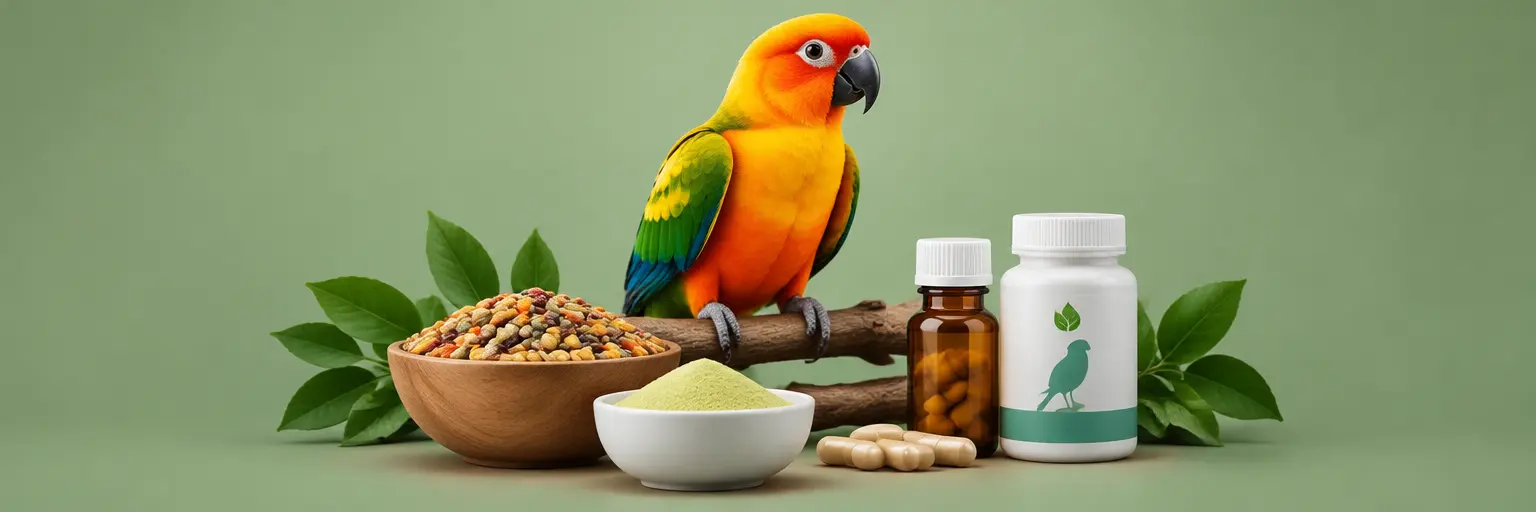
Discover the vital role of bird supplements in elevating your feathered companion’s health, vitality, and longevity. From essential vitamins like A, D3, and E to calcium, probiotics, and omega fatty acids, targeted nutrition fills dietary gaps that seed-only diets often miss. Whether you care for a playful parakeet, a majestic macaw, or a cockatiel, the right avian supplements can boost immunity, support vibrant feather growth, improve digestion, and even reduce stress during molting or breeding. Our expertly curated guides help you choose safe, vet-recommended options—covering powders, liquids, and water-soluble blends—while teaching you correct dosing and timing to avoid over-supplementation. Unlock the secret to a chirpier, more energetic bird with proven nutritional support that complements fresh fruits, vegetables, and pellets. Prioritize your pet’s well-being with science-backed solutions designed for every beak size and life stage. Give your bird the gift of optimal nutrition and watch them thrive with brighter colors, stronger bones, and a more playful personality. Explore how simple daily additions can make a world of difference in your bird’s care routine. 🐦✨
🐦 Unintentional bird supplement overdoses are dangerous. Learn how to safely administer supplements and prevent accidental ingestion to ensure your feathered friend…
Read article
🤔 Unlock your feathered friend's full potential! PetCareWorld's expert guide helps you choose the best bird supplements, ensuring optimal health and vitality.…
Read article
😊 Discover the transformative power of probiotics in supporting your avian companion's digestive health. PetCareWorld reveals the best probiotics for bird gut…
Read articleWelcome to PetCareWorld’s dedicated section on bird nutrition, specifically focused on supplements for birds. Here, we dive into the essential role that vitamins, minerals, amino acids, and probiotics play in supporting your feathered companion’s immune system, feather condition, bone strength, and overall vitality. Whether you own a budgie, cockatiel, African grey, or macaw, proper supplementation can bridge nutritional gaps caused by seed-based diets or environmental stress. This page provides evidence-based guidance, product recommendations, and practical tips to help you choose safe, effective supplements and avoid common dosing mistakes. Our goal is to empower you with the knowledge to create a balanced, thriving life for your bird, complementing a high-quality base diet with targeted nutritional support.
Birds, especially those on seed-only diets, often suffer from deficiencies in Vitamin A, calcium, and Vitamin D3. Vitamin A is critical for respiratory health, skin, and vision; a lack can lead to flaky skin, sneezing, and poor feather quality. Calcium and Vitamin D3 work together to support strong bones, eggshell formation in breeding females, and proper nerve function. Without adequate D3, calcium cannot be absorbed, leading to metabolic bone disease, a common and painful condition. Multivitamin powders or liquid drops designed specifically for birds can be added to soft foods, such as mashed fruits or vegetables, to ensure optimal absorption.
When selecting a supplement, always choose a formula that is avian-specific, as human or mammal supplements contain harmful levels of certain minerals like iron and zinc. Look for products with beta-carotene for Vitamin A, which is safer than preformed retinol, and opt for shell-safe calcium sources like cuttlebone or liquid calcium carbonate if your bird is laying eggs. It’s also wise to rotate or cycle supplements, giving your bird a “rest” period, to prevent hypervitaminosis, a toxicity condition caused by over-supplementation. Always consult your avian veterinarian before starting any new supplement, especially for juvenile, geriatric, or chronically ill birds.
Calcium is the single most critical mineral for captive birds, particularly for species like African greys, lovebirds, and cockatiels that are predisposed to calcium deficiencies. Inadequate calcium leads to brittle bones, seizures, egg binding, and poor blood clotting. A high-quality calcium supplement should be offered in multiple forms: cuttlebone, mineral blocks, liquid calcium, and powdered calcium mixed into moist food. For breeding hens, extra calcium is non-negotiable; without it, they may deplete their own skeletal reserves, leading to fatal egg binding or osteoporosis.
To maximize absorption, calcium supplements must be paired with Vitamin D3. However, birds also need natural sunlight or full-spectrum UVB lighting to synthesize D3 internally. If your bird lives indoors, position the cage near a window that lets in unfiltered sunlight for short periods, or invest in a bird-safe UVB bulb. Avoid over-supplementing calcium without D3, as it can cause kidney damage. A simple safe practice is to offer a calcium-rich food like boiled eggshell (crushed) or dark leafy greens once a day, plus a separate powdered supplement two to three times a week, as directed by your vet.
A healthy gut microbiome is essential for nutrient absorption, immune function, and disease prevention. Probiotics for birds contain beneficial bacteria such as Lactobacillus and Bifidobacterium, which help recolonize the digestive tract after antibiotic use, stress, or dietary changes. Digestive enzymes, including amylase, protease, and lipase, break down complex carbohydrates, proteins, and fats, making them easier for your bird to assimilate. This is particularly helpful for hand-fed chicks, weaning birds, or older birds with compromised digestion.
Supplements come in powdered form that you can sprinkle on fresh food, or in water-soluble formulas, though the latter can degrade quickly in warm water. Always use probiotics as a short-term support (1-2 weeks) after illness or during molting, not as a daily replacement for a varied diet. Pairing probiotics with prebiotics – which feed the good bacteria – such as inulin or chicory root, creates a more robust effect. Watch for signs of digestive distress, like undigested seeds in droppings or a sour smell, which indicate a need for probiotic support. Remember that fermented foods like plain yogurt (lactose-free) can also be offered, but only in tiny amounts due to fat content.
Supplements rich in Omega-3 fatty acids, such as flaxseed oil, hemp seed oil, or fish oil (in tiny doses), are transformative for feather health, skin condition, and even cognitive function. Omega-3s reduce inflammation, which is crucial for birds suffering from feather plucking, dry skin, or allergic reactions. They also support the production of keratin, the protein that forms strong, vibrant feathers. A dull, brittle, or ragged plumage is often a sign of fatty acid deficiency, along with dry, flaky cere or legs.
Unlike mammals, birds have a unique digestive system that requires these oils to be cold-pressed and unrefined to retain their nutritional value. Add one to two drops of oil to your bird’s soft food no more than three times per week; too much can cause diarrhea or obesity. For seed-eating birds, chia seeds or ground flaxseeds provide omega-3s in a less concentrated but safer form. Always avoid using mammalian fish oil supplements, as they contain concentrated levels of vitamins A and D that can be toxic. Instead, choose a product specifically formulated for exotic birds. Regular use will yield noticeably softer, shinier feathers within three to four weeks, and many owners report a reduction in feather destructive behavior.
During molting, your bird’s protein requirement increases by up to 50% to grow new feathers. Amino acid supplements, particularly lysine and methionine, are the building blocks for this process. A deficiency in lysine can cause poor feather structure, weakness, and compromised immune responses. Commercial avian amino acid powders can be mixed into mashed sweet potato, sprouted seeds, or egg food to provide a concentrated protein punch. For breeding birds, extra amino acids ensure that chicks develop strong skeletons and immune systems.
However, protein supplementation should be handled with caution; excess protein can strain the kidneys and liver, especially in sedentary indoor birds. A better approach is to offer natural high-protein foods like cooked eggs (with shell), quinoa, or lentils, alongside a short-term amino acid supplement during heavy molt or just before nesting. Always read labels for the presence of synthetic additives, and avoid products with added sugars or artificial flavors. If your bird is a picky eater, sprinkle the supplement on warm, moist food to mask any bitter taste. Observe your bird’s energy and feather density – visible improvements within a few weeks indicate proper dosage and absorption.
Beyond synthetic vitamins, many avian nutritionists recommend gentle herbal supplements to boost immunity and reduce stress. Echinacea, milk thistle, and medicinal mushrooms (like reishi) support immune function, while chamomile and valerian root act as natural calmers for nervous or newly adopted birds. These botanicals are available as liquid extracts or dried herbs, which you can scatter on foraging toys or mix into a small amount of oatmeal. They are particularly valuable during environmental changes, such as moving homes or introducing a new cage mate.
Always source organic, pesticide-free herbs, and start with very small amounts to gauge your bird’s tolerance. Some herbs, like avocado and garlic, are toxic to birds, so verify safety with your vet before use. For a proactive approach, consider a rotating herbal protocol: two weeks on, two weeks off, to prevent tolerance. Pair herbal support with a low-stress environment, adequate sleep, and regular social interaction – supplements cannot replace good husbandry. Many owners report that a daily “calming blend” in the evening helps reduce screaming episodes or feather plucking triggered by anxiety, making these natural options a valuable addition to a holistic bird care plan.
No, absolutely not. Human multivitamins contain iron, zinc, and fat-soluble vitamins in concentrations that are toxic to birds, potentially causing organ failure or death. Always use avian-specific supplements formulated with species-appropriate doses. If your avian vet recommends a supplement, ask for a brand they trust, and never guess on dosage.
For most adult, non-breeding birds, a light calcium dusting on soft food 2-3 times a week is sufficient, provided they have cuttlebone or a mineral block available at all times. Breeding hens or birds recovering from illness may require daily calcium, but only under veterinary supervision to avoid hypercalcemia.
Common signs include sneezing, swollen or watery eyes, white plaques inside the mouth, poor feather quality, and a thickened, crusty cere. In severe cases, you may notice respiratory distress or difficulty perching. A diet rich in orange and dark green vegetables, plus a replenishing supplement, helps resolve deficiency quickly.
No. Supplements are meant to fill gaps, not replace whole foods. A healthy bird diet should consist of a high-quality pellet (70-80%), plus fresh vegetables, fruits, and occasional seeds or nuts. Supplements are only necessary if your bird refuses certain foods, has a medical condition, or is under stress. Always prioritize dietary variety first.
Both are fine, but powdered supplements mixed into soft, moist food ensure accurate dosing and better absorption. Liquid supplements in water are convenient but can degrade quickly, and sick birds may not drink enough to get a proper dose. Follow the manufacturer’s instructions and your vet’s recommendation for your bird’s specific needs.







