Making a DIY Bird Mobile: Visual Stimulation for Your Feathered Friend
😊 Stimulate your feathered friend's mind with a DIY bird mobile! PetCareWorld shows you how to create engaging visual stimulation, enriching your…
Read article
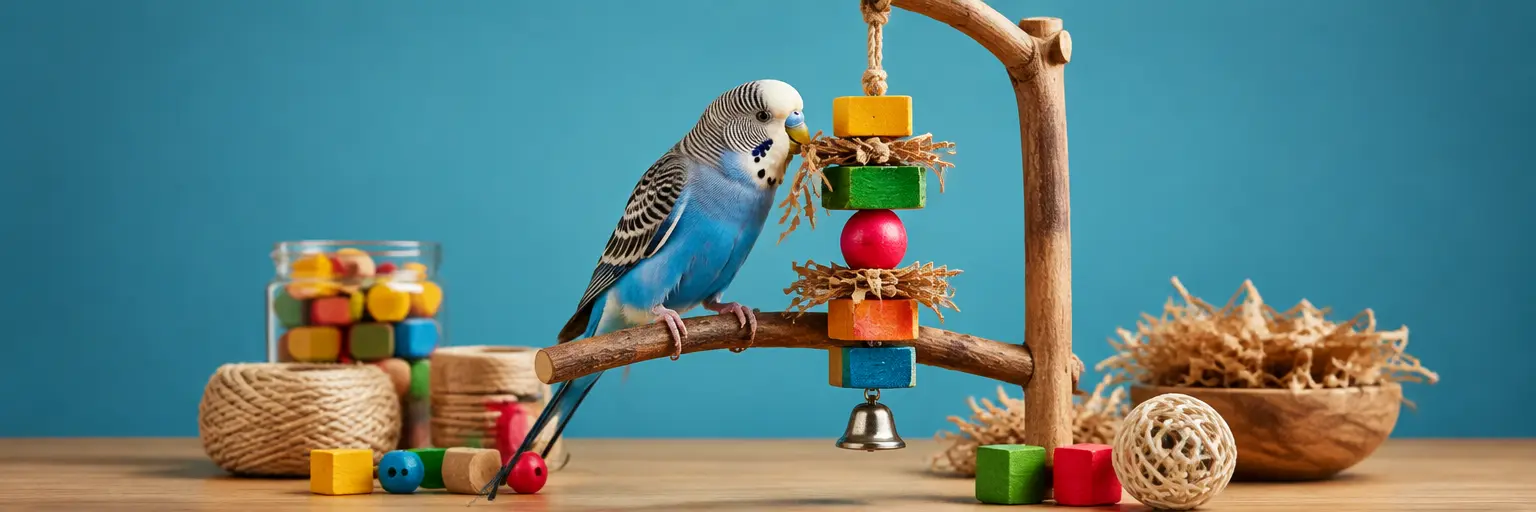
Discover how to keep your feathered friend mentally sharp and endlessly entertained with DIY bird toys—the ultimate way to combine creativity, cost-savings, and enrichment in one fluttery package. Handcrafted toys not only prevent boredom and destructive feather plucking but also stimulate your bird’s natural foraging instincts, problem-solving skills, and playful curiosity. Using safe, everyday materials like untreated wood, paper, leather strips, and vegetable-dyed beads, you can craft chewable, shreddable, and puzzle-based toys tailored to your bird’s size and personality. Whether you have a playful parakeet, a clever cockatiel, or a power-chewing macaw, these step-by-step projects transform household recycling into an adventure—boosting mental stimulation and physical exercise while strengthening the bond between you and your avian companion. Dive into simple tutorials, safety tips, and seasonal ideas that turn snack time into a treasure hunt, all while keeping your bird happy, healthy, and fully engaged. With DIY bird toys, you’re not just saving money—you’re building a world of fun that supports your pet’s overall well-being and long-term happiness.
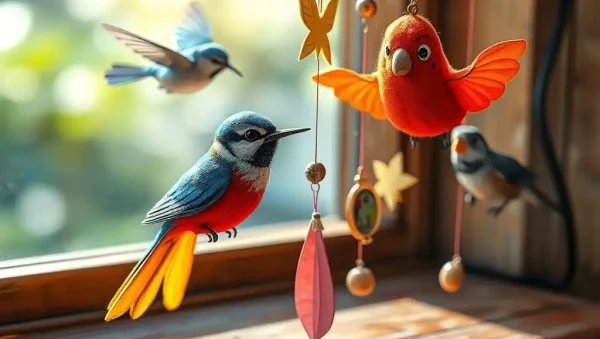
😊 Stimulate your feathered friend's mind with a DIY bird mobile! PetCareWorld shows you how to create engaging visual stimulation, enriching your…
Read article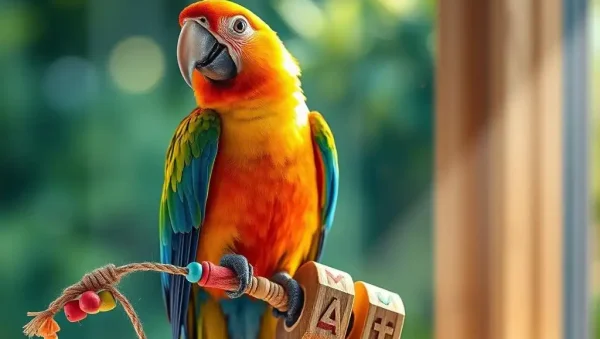
🐦 Prevent boredom and enrich your feathered friend's life with easy DIY bird toys! PetCareWorld shows you how to craft stimulating toys…
Read article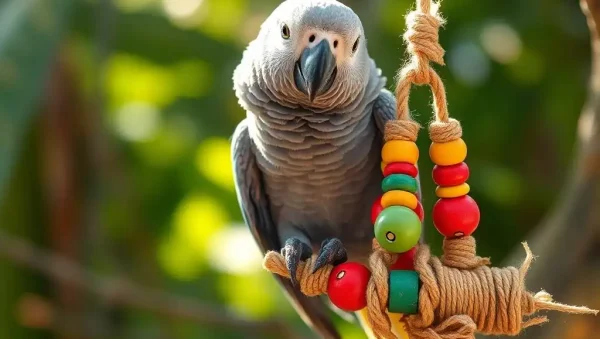
😊 Stimulate your African Grey's brilliant mind with engaging, homemade toys! PetCareWorld shows you how to craft enriching African Grey bird toy…
Read articleWelcome to PetCareWorld’s dedicated guide on Bird Enrichment – DIY Bird Toys. In this subcategory, we explore the transformative power of homemade toys, which are not only budget-friendly but also deeply tailored to your bird’s unique personality, size, and chewing habits. Unlike store-bought items, DIY toys allow you to control materials, ensuring safety and sustainability while promoting natural behaviors like foraging, shredding, and problem-solving. Here, you’ll discover step-by-step inspiration, safety checklists, and innovative projects that combat boredom, reduce feather plucking, and strengthen the bond between you and your avian companion. Whether you own a curious parrot, a playful cockatiel, or a small budgie, these enrichment strategies will turn ordinary household items into extraordinary play experiences.
Before diving into any project, understanding bird-safe materials is non-negotiable. Common household items like untreated cardboard, paper towel rolls, clean pine wood, sisal rope, and food-grade leather strips are excellent bases. Avoid anything with glue, staples, zinc, lead, or toxic paints—birds have sensitive respiratory systems and chewing hazards can be fatal. Always inspect toys for loose parts, sharp edges, or small pieces that could be swallowed. A good rule: if you wouldn’t let a toddler put it in their mouth, don’t give it to your bird. We recommend washing all fabrics and woods thoroughly, and using only vegetable-based dyes or natural food coloring for decoration.
Rotating materials keeps enrichment fresh. Birds quickly become desensitized to the same textures, so maintain a “toy rotation” system—swap out 2-3 toys per week. Cardboard boxes, egg cartons, and crumpled paper are endlessly renewable, while harder woods like manzanita or balsa provide different resistance levels. Always supervise your bird during the first few minutes of exploring a new toy, especially if it includes rope, which can fray into dangerous loops. By prioritizing safety, you ensure that playtime stays positive, stimulating, and free from preventable emergencies.
Foraging is the gold standard of bird enrichment—it taps into their natural scavenging drive. In the wild, birds spend hours searching for food; captivity often removes this mental workout, leading to stress or screaming. Simple DIY foraging toys include wrapping a favorite treat (like millet or safflower seeds) in paper twists, hiding it inside a cardboard tube with folded ends, or layering it among shredded paper in a small box. For smart parrots, escalate the challenge by creating a “foraging pyramid” with multiple compartments, each requiring a different opening technique—pulling, unwrapping, or peeling.
This activity not only entertains but also slows down feeding. Fast eaters benefit from pacing, while shy birds gain confidence through successful problem-solving. We recommend starting with easy finds and gradually increasing complexity to avoid frustration. You can even incorporate foraging into daily meals by placing half your bird’s pellets inside a puzzle. This approach reduces boredom-related behaviors like feather destructive behavior and obesity, making it a cornerstone of avian mental wellness. Every successful retrieve reinforces positive neural pathways, so your bird learns that persistence yields tasty rewards.
Shredding is not mischief—it’s necessary beak maintenance. Birds’ beaks grow continuously, and daily chewing wears them down while exercising jaw muscles. DIY shredders can be as simple as braiding strips of newspaper, corn husks, or palm leaves into a hanging toy. Another favorite is the “cardboard kabob”: stack untreated cardboard squares onto a sisal rope, secure with knots, and let your bird rip them apart piece by piece. For larger birds, use pine cones or soft balsa wood blocks, which splinter safely rather than creating sharp shards.
Pairing shredding with foraging multiplies the benefits. Hide a treat inside a paper-wrapped bundle, then cover it with a tougher outer layer made of cardboard. This “tiered” approach keeps birds engaged for extended periods, reducing the likelihood of them turning to your furniture or plants for entertainment. Always provide a variety of textures, from rigid carton to flexible paper, so your bird can choose its preferred biting angle. Rotate these toys frequently, as some birds become fixated on a single type and may lose interest otherwise. Shredding satisfies an innate need, so encourage it generously—it’s one of the most cost-effective and sustainable enrichment methods.
Preening is a social behavior that DIY toys can replicate. In flocks, birds preen each other’s feathers; isolated pets often miss this tactile interaction. You can mimic this with a “preening buddy” toy made from cotton rope, leather strips, or vegetable-tanned suede. Braid and knot these materials into a hanging cluster, leaving dangling ends that resemble feathers. Your bird will groom, flex, and rearrange these fibers, which satisfies the urge to preen without harming its own plumage. Add small, safe beads (larger than the bird’s beak opening) to create varied textures and visual interest.
These toys also improve foot-eye coordination and dexterity. Knotting and untying is a mental workout; start with loose knots and gradually tighten them as your bird becomes more adept. For foot toys, attach a bell or a stainless-steel ring to the bottom—just ensure no small parts can be swallowed. It’s essential to monitor for frayed rope, which can become a strangulation hazard; replace any worn sections immediately. Preening toys are particularly beneficial for single birds or those that have lost a mate, providing a comforting substitute for social grooming. They’re also excellent for molt periods when birds feel extra itchy and restless.
Birds are naturally playful acrobats who love movement and sound. DIY toys that swing, rattle, or roll add a dynamic layer to their environment. A simple “paper chain” made from looped strips of wrapping paper can be hung from the cage top, encouraging climbing and swinging. For foraging plus sound, fill clean, empty plastic bottles (with no labels or caps) with a few pellets or small bells—ensure the opening is too small for your bird to get stuck. Another favorite is a “birdie seesaw” made from a wooden spoon and a hinged base; your bird can step on it to tip the treat cup.
Movement toys promote physical exercise, which prevents obesity and boredom. Birds are not naturally sedentary; in the wild, they travel miles daily. Adding a hanging “ladder maze” across the cage quickly turns vertical space into a playground. Always ensure moving parts are friction-free and cannot pinch toes or feathers. If your bird is initially wary, hang a moving toy near a perched snack for positive association. Over time, you’ll see increased courage and muscle tone. These toys are especially beneficial for young, energetic birds or those that have been recently rehomed, as they burn off nervous energy and redirect aggression into playful activity.
The safest materials are untreated cardboard, paper, pine wood, sisal rope, food-grade leather, and stainless steel. Avoid any material with glue, paint, zinc, or lead. Always wash new materials and inspect for sharp edges or small components that could be ingested.
Rotate toys at least once a week. Birds lose interest quickly, so swapping out 2-3 toys every 7 days keeps the environment novel and engaging. Keep a stash of spare DIY toys and bring out “old favorites” after a few weeks—they’ll feel new again.
Yes, when used consistently. Boredom and stress are primary triggers for feather destructive behavior and excessive vocalization. DIY foraging and shredding toys provide mental challenges and physical outlets, reducing these negative behaviors by keeping your bird occupied and satisfied.
Avoid toys with small, detachable parts like tiny bells or beads smaller than your bird’s beak, and never use mirrors that can cause psychological distress. Also, skip any material with synthetic fibers that fray dangerously, such as acrylic yarn or nylon straps.
Watch for signs of frustration, like excessive chewing on cage bars or tossing the toy aggressively. If your bird gives up within a few minutes, simplify the design—make openings larger or hide treats more visibly. Success builds confidence, so always adjust difficulty downward initially.