Bird Beak and Nail Trimming: The Essential Guide for Pet Owners
😊 Learn how to safely and effectively trim your bird's beak and nails at home. PetCareWorld's expert guide provides essential steps and…
Read article
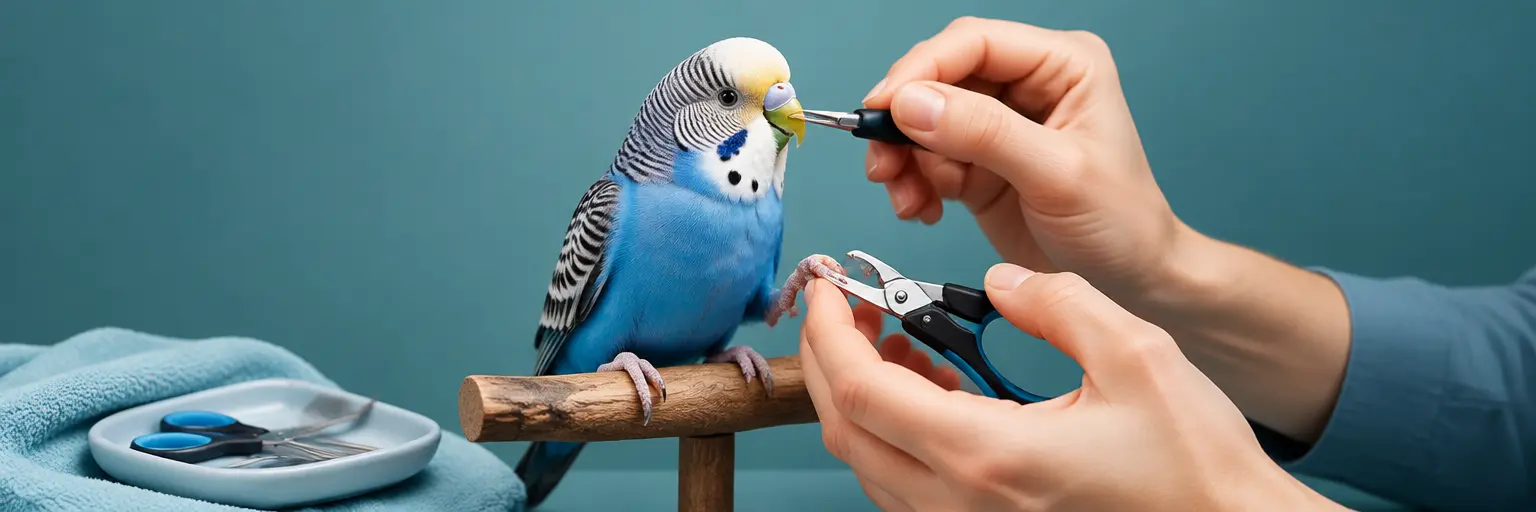
Mastering bird grooming starts with proper beak and nail trimming—a crucial yet often overlooked aspect of avian wellness. Overgrown beaks can hinder eating and preening, while long nails may cause discomfort, imbalance, or even injury to your feathered friend. At PetCareWorld, we provide expert-backed guidance on safe trimming techniques, the right tools, and when to seek professional avian care. Whether you’re a new bird parent or a seasoned enthusiast, our practical tips help you maintain optimal beak and nail health, reduce stress, and strengthen your bond with your pet. Learn to spot warning signs, understand species-specific needs, and avoid common mistakes—all while keeping your bird calm and cooperative. Your companion’s comfort and vitality start with these essential grooming habits. Explore our comprehensive resources and ensure your bird stays happy, healthy, and beautifully groomed.
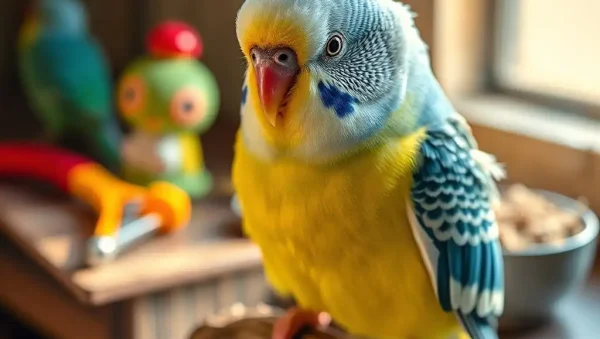
😊 Learn how to safely and effectively trim your bird's beak and nails at home. PetCareWorld's expert guide provides essential steps and…
Read article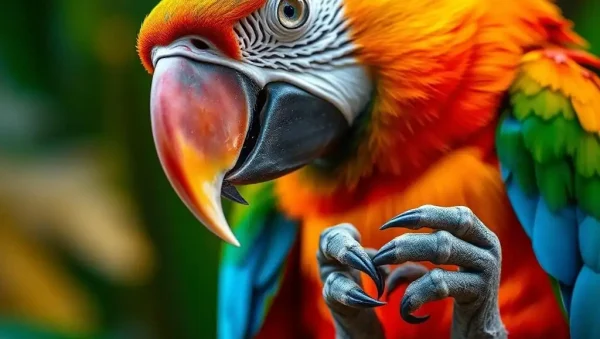
😊 Discover the optimal trim bird beak and nails frequency for your feathered friend! PetCareWorld's expert guide reveals how often beak and…
Read article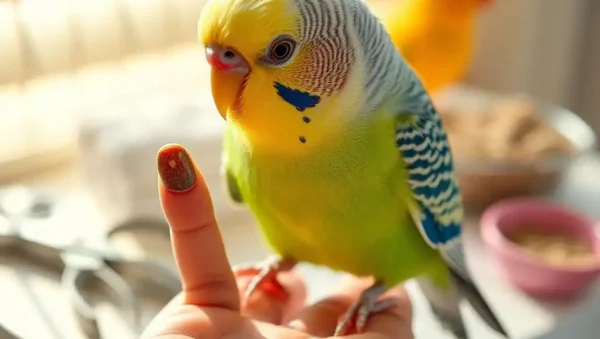
😊 Learn safe and effective bird nail trimming techniques with our step-by-step guide. PetCareWorld's expert advice ensures your feathered friend's comfort and…
Read articleWelcome to PetCareWorld’s dedicated guide on bird grooming, specifically beak and nail trimming. Proper beak and nail maintenance is vital for your feathered friend’s health, mobility, and comfort. Overgrown beaks can impair eating and preening, while long nails can cause perching difficulties and injury. This page provides safe, step-by-step techniques, essential tools, and veterinary-backed advice to help you master this crucial aspect of avian care.
Contrary to popular belief, most pet birds do not need routine beak trimming—their beaks naturally wear down through chewing and foraging. However, certain species (e.g., budgies, cockatiels) or birds with liver disease, malnutrition, or beak injuries may develop overgrowth. Regular inspections prevent malocclusion, where the upper and lower beak misalign, causing painful eating and chronic discomfort. You should monitor your bird’s beak for cracks, flaking, or an obvious overgrowth that extends beyond the lower mandible.
When trimming is necessary, it must only be done by a qualified avian vet or experienced groomer using a Dremel drill or nail file, never scissors. Improper trimming can cause bleeding, nerve damage, or lifelong trauma. For most birds, offering cuttlebone, mineral blocks, and safe wooden toys encourages natural wear, reducing the need for manual intervention. Always seek professional help if you notice abnormal growth, as underlying health issues often require medical diagnosis.
Nail trimming is a routine grooming task that every bird owner should master. Unlike beaks, nails grow continuously and can curl, snag on cage bars, or press on foot pads—leading to bumblefoot infections. Use a bird-specific nail clipper (small guillotine or scissor type) and have styptic powder or cornstarch ready to stop bleeding. Gently wrap your bird in a towel, exposing one foot at a time, and identify the quick—the pink vein inside the nail—visible in light-colored nails but harder to see in dark ones.
Trim only the clear tip, avoiding the quick, and file the edge with a nail file for a smooth finish. For dark nails, trim tiny slivers at a time, stopping at the first sign of a dark dot in the cross-section. If bleeding occurs, apply styptic powder immediately and apply gentle pressure. Regular perches with varied diameters, including sandy or concrete perches, help wear nails naturally between trims. Always schedule trims every 4–6 weeks, depending on growth rate.
Investing in high-quality, bird-safe tools is non-negotiable for successful grooming. Your kit should include bird-specific nail clippers, a fine-grit nail file or emery board, styptic powder, a towel for restraint, and optionally a small Dremel tool with a grinding stone for beak maintenance. Never use human nail clippers—they crush the nail, causing cracks and pain. For beak work, a pedicure perch and natural wood branches also serve as passive grooming aids.
Additionally, a bright LED lamp or headlamp helps you see the quick clearly. For birds with dark nails, you can use a smartphone flashlight placed behind the nail to illuminate the vein. Always disinfect tools before and after each use with diluted iodine or alcohol, and store them in a clean, dry container. Having a second person to assist during trimming is highly recommended for larger parrots, as it minimizes stress and escape attempts.
Start by creating a calm, quiet environment. Covering windows and playing soft music reduces anxiety. Wrap your bird in a towel, leaving only the head or foot exposed, and speak soothingly. For nails, press each toe gently to extend the nail, then make a swift, clean cut below the quick. Use the file to smooth any rough edges. For beaks, use a Dremel with a low-speed setting only if your vet has shown you how—otherwise, rely on professional care.
After grooming, offer a favorite treat like millet or a sunflower seed to reward cooperative behavior. Monitor the bird for signs of stress, such as heavy breathing or regurgitation, and stop immediately if distress occurs. Never trim more than one nail per session if your bird is anxious. Over time, your bird will learn that grooming is a positive, safe routine, making future trims faster and easier. Always record the date of each trim to track growth patterns.
While nail trims are often doable at home, beak trimming is highly complex and should be left to avian veterinarians unless you are professionally trained. Seek immediate professional help if you notice rapid beak growth, asymmetry, soft or crumbly areas, or any bleeding from the beak. Additionally, if your bird becomes aggressive, is severely stressed, or you are not confident in handling them, do not risk injury—book a vet appointment. Overgrown beaks may signal metabolic bone disease, fatty liver disease, or a genetic defect.
Veterinary beak trims cost between $20 and $50, and nail trims often cost $10–$20, frequently bundled with wellness exams. Some bird shops offer grooming services, but ensure they use sterilized equipment and have positive reviews. For young or sick birds, always consult a vet before any grooming procedure. Regular check-ups allow professionals to address any underlying causes of abnormal growth, keeping your bird healthy and happy.
Generally, every 4–6 weeks, but growth varies by species, age, and perch type. Active birds on rough perches may need fewer trims. Check nails weekly—if they hook sideways or make walking difficult, it’s time to trim. Never wait until they curl too far, as the quick lengthens with the nail.
No. Beak is living tissue with nerves and blood vessels. Scissors can crack or split it, causing severe pain and infection. Only use a Dremel grinding tool at low speed, and only after receiving hands-on training from a vet. Most owners should never trim beaks at home.
Remain calm and apply styptic powder, cornstarch, or a bar of soap directly to the bleeding nail. Apply firm pressure with a clean cloth for 30 seconds. If bleeding continues for more than 5 minutes, contact your vet. Keep the bird warm and quiet to reduce stress.
Yes. Provide a balanced diet with pellets (70%), fresh vegetables, and a small amount of fruit. Ensure adequate vitamin A (from carrots, sweet potatoes, peppers) and calcium (cuttlebone). Malnutrition is a leading cause of beak deformities. Always provide chewable toys and cuttlebone for natural wear.
Yes, filing is safer than clipping for anxious birds, as it removes tiny layers gradually, reducing the risk of hitting the quick. Use a fine-grit file and make several passes. However, filing takes longer and may stress your bird. For thick nails, clippers followed by filing is most efficient.







