Nail Overgrowth in Birds: How to Choose the Right Trimming Tools
😊 Keep your feathered friend's talons healthy! PetCareWorld's expert bird nail trimming tools guide helps you choose the safest, most effective clippers…
Read article
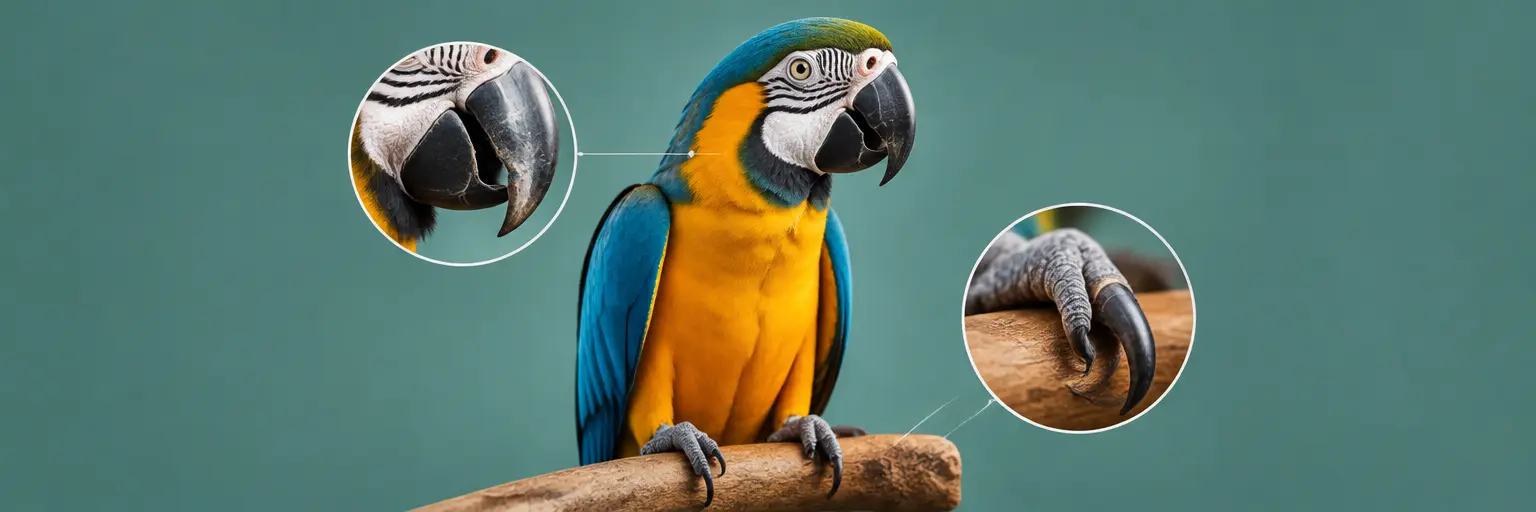
Bird beak and nail overgrowth can silently compromise your feathered companion’s health, making everyday activities like eating, climbing, and preening a struggle. At PetCareWorld, we dive deep into the causes, from improper perches and nutritional imbalances to underlying liver or viral conditions, so you can spot trouble early. Learn why regular maintenance isn’t vanity—it’s vital, and discover safe, stress-free trimming techniques that avoid painful “quick” injuries. We also highlight when professional avian vet intervention is non-negotiable, plus natural enrichment toys that help wear down overgrowth between trims. Whether you own a parakeet, cockatoo, or African grey, our practical, vet-approved advice ensures your bird stays comfortable, active, and happy. Unlock the secrets to balanced beak and nail health today—because a well-groomed bird is a thriving bird.
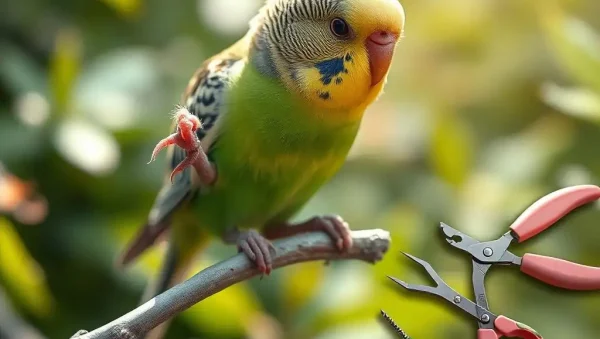
😊 Keep your feathered friend's talons healthy! PetCareWorld's expert bird nail trimming tools guide helps you choose the safest, most effective clippers…
Read article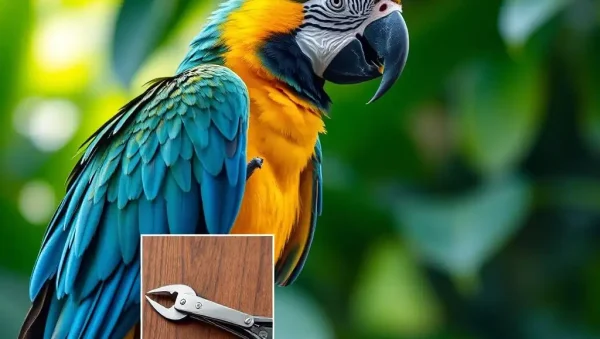
😊 Prevent painful overgrowth! PetCareWorld's expert "Bird beak and nail overgrowth" guide provides essential trimming instructions and crucial preventative care advice, ensuring…
Read articleBeak and nail overgrowth is a common yet often misunderstood issue in pet birds. At PetCareWorld, our comprehensive subcategory focuses on identifying, preventing, and safely managing excessive growth in your bird’s beak and nails. Left unchecked, overgrowth can lead to painful eating difficulties, perching problems, and even serious infections. This guide provides veterinary-backed insights, practical trimming techniques, and environmental enrichment strategies to keep your bird healthy, comfortable, and thriving.
Overgrowth is rarely a standalone problem; it typically signals an underlying health or husbandry issue. Nutritional deficiencies, particularly a lack of calcium, vitamin A, or essential fatty acids, can disrupt normal keratin production. Inadequate perching surfaces—such as smooth dowels—fail to naturally wear down nails, while soft diets can reduce the natural wear on the beak. Additionally, liver disease, trauma, or congenital malformations can accelerate abnormal growth. Recognizing these root causes is crucial for effective, long-term resolution.
Owners should monitor their bird’s beak and nails weekly during handling. Healthy nails should not impede walking or perching, while a beak should close evenly without protruding overgrowth. Subtle signs like flaking, discoloration, or changes in length warrant prompt investigation. By addressing dietary and environmental factors first, many cases of overgrowth can be reversed without invasive intervention, reducing stress for both you and your pet.
Trimming a bird’s beak or nails requires precision, confidence, and the right tools. For nails, use a specialized bird nail clipper and styptic powder to stop bleeding if you cut the quick. Always have a second person gently restrain your bird using a towel to prevent sudden movements. For beak trimming, never attempt this at home—the beak contains sensitive blood vessels and nerves, and improper cutting can cause severe pain or permanent damage. Professional avian veterinarians use rotary tools or fine rasps to reshape beaks safely.
If you choose to trim nails at home, limit yourself to small, frequent trims rather than aggressive cutting. Observe your bird’s response—if it shows excessive distress, stop and schedule a veterinary visit. Many owners find that providing natural grooming opportunities, such as rough-textured perches or cuttlebone, reduces the need for manual trims altogether. Remember, a calm, rewarded bird is far easier to handle, so use positive reinforcement with treats after each successful session.
A balanced diet is your first defense against beak and nail overgrowth. Offer high-quality pelleted food as the base, supplemented with fresh vegetables (carrots, sweet potatoes, leafy greens), fruits, and small amounts of nuts or seeds. Ensure calcium is abundant through cuttlebone, mineral blocks, or dietary supplements. Vitamin A is especially vital—deficiencies lead to brittle, overgrown beaks. Provide a variety of textures and hardness levels in food to naturally wear down the beak during feeding.
Environmental enrichment is equally important. Replace uniform dowel perches with natural branches of varying diameters and bark textures—these help file nails as your bird moves. Add chewable toys made of soft wood, cardboard, or palm fronds to encourage beak exercise. A shallow water dish or misting encourages preening, which also helps maintain beak condition. For nails, place a rough stone or concrete perch at a strategic roosting spot, but avoid making it the only perch to prevent foot sores.
While routine overgrowth can be managed at home, certain signs demand immediate professional assessment. If your bird struggles to eat, drops food excessively, or has visible beak irregularities, schedule an avian vet visit promptly. Unusually rapid growth, sudden asymmetry, or dark spots on the beak may indicate tumors, infections, or metabolic bone disease. Additionally, nails that curl into the foot or beak that interferes with breathing are emergencies requiring urgent care.
Professional treatment typically includes a thorough physical exam, bloodwork to check organ function, and nutritional counseling. For advanced overgrowth, vets may use laser or grinding instruments to reshape the beak under anesthesia. Post-procedure, they’ll recommend a tailored maintenance plan, including dietary adjustments and perch modifications. Early veterinary intervention not only relieves discomfort but also prevents secondary conditions like pododermatitis (bumblefoot) from overgrown nails digging into foot pads.
Investing in quality tools makes maintenance safer and more effective. For nail trimming, choose stainless steel clippers with a guard to prevent over-cutting, and always keep styptic powder or cornstarch nearby. Cuttlebone and mineral blocks serve dual purposes—they provide calcium and offer a natural grinding surface. For perches, seek sandpaper-covered varieties with caution, as they can irritate feet; instead, opt for rough-textured natural woods like manzanita or eucalyptus.
Consider adding a pumice stone designed for birds to your cage setup—place it near feeding areas to encourage usage. For beak health, offer soft-wood blocks and coconut fiber toys that promote chewing. Regularly inspect these items for wear and replace them when they become smooth or soiled. Additionally, maintain a first-aid kit that includes vet wrap, antiseptic wipes, and a small flashlight for close inspection. With the right tools, you can proactively manage your bird’s grooming needs and catch problems early.
Most birds need nail trims every 4 to 8 weeks, but this varies by species, activity level, and perch texture. Monitor nail length weekly—if they touch the ground when your bird stands on a flat surface or cause slipping on perches, it’s time to trim. Active birds on natural perches may go longer between trims.
No, never attempt beak trimming at home unless explicitly trained by an avian veterinarian. The beak contains sensitive nerves and blood vessels, and improper cuts can cause severe pain, bleeding, or infection. Professional reshaping using specialized tools is essential for safety and effectiveness.
Apply styptic powder, cornstarch, or flour to the bleeding tip and apply gentle pressure for a few minutes. If bleeding persists beyond 5 minutes, contact your vet immediately. Keep your bird warm and quiet during recovery. Avoid using routine styptic products containing harsh chemicals without veterinary approval.
Yes, species with naturally long or curved beaks—such as parakeets, cockatiels, and some conures—are more susceptible. Older birds, those with liver disease, or birds raised on pure seed diets also have higher risk. Regular veterinary checkups are crucial for these higher-risk groups.
Protein, calcium, vitamin A, and B vitamins directly influence keratin production and bone health. Deficiencies lead to soft, flaky beaks and brittle nails. A varied diet of pellets, fresh produce, and occasional nuts ensures proper nutrient intake, while hard foods provide natural grinding action during feeding.







