The Impact of Diet on Bird Health: What to Feed and What to Avoid
🐦 Discover the best bird diet for optimal health! PetCareWorld reveals crucial foods to feed and avoid, ensuring your feathered friend thrives.…
Read article
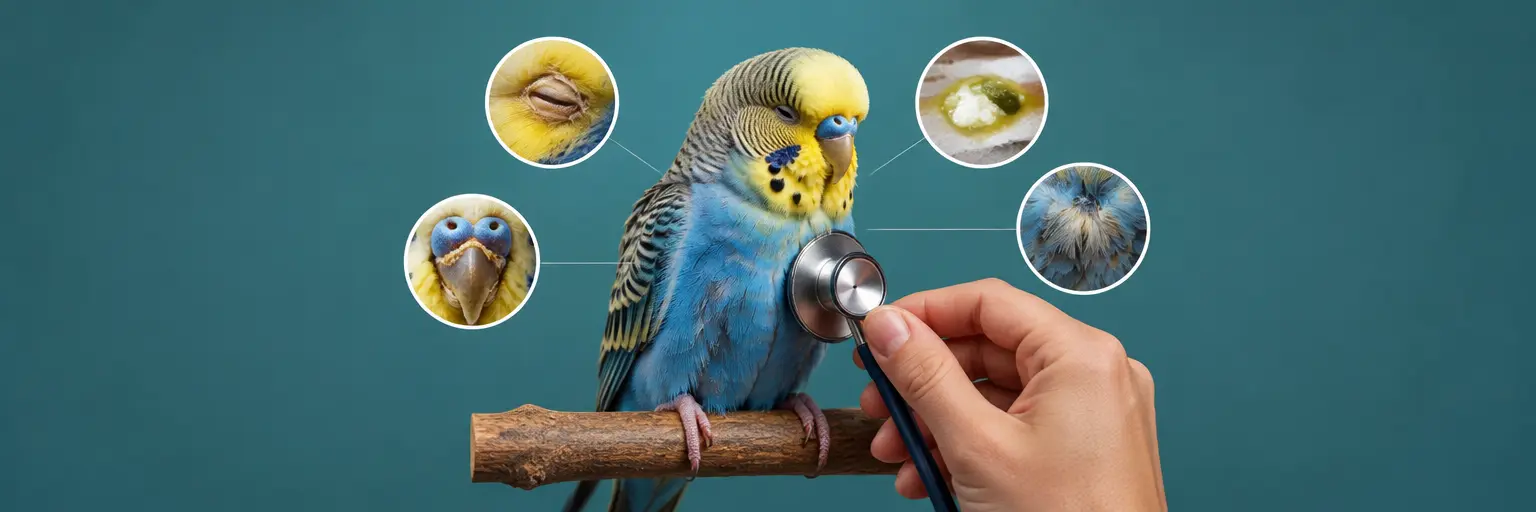
Recognizing the early signs of illness in birds is essential for every devoted pet owner, as our feathered friends are masters at hiding discomfort. From changes in appetite and droppings to sneezing, fluffed feathers, or unusual vocalizations, knowing what to watch for can be the difference between a quick recovery and a serious emergency. Birds have delicate systems, and subtle shifts in behavior or activity often signal underlying health issues that require prompt attention. Trust your instincts—if your bird seems off, it’s always better to consult an avian veterinarian early. This quick guide highlights the most common red flags, helping you stay proactive about your bird’s well-being and ensuring a happier, healthier companion for years to come.
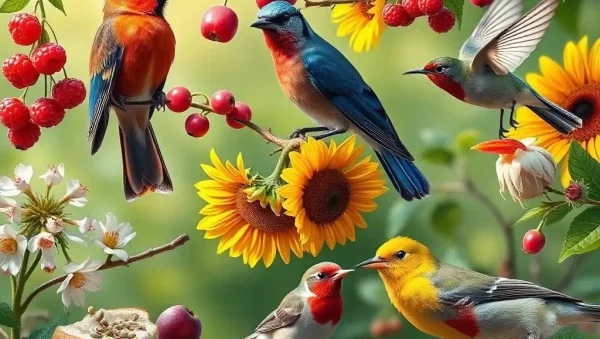
🐦 Discover the best bird diet for optimal health! PetCareWorld reveals crucial foods to feed and avoid, ensuring your feathered friend thrives.…
Read article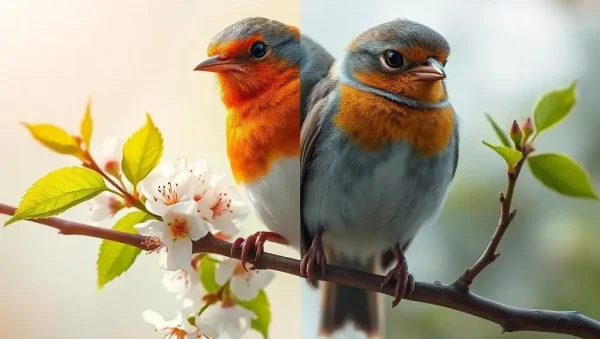
🤔 Is your feathered friend unwell? Learn to distinguish between serious avian flu symptoms and common bird cold symptoms to ensure timely…
Read article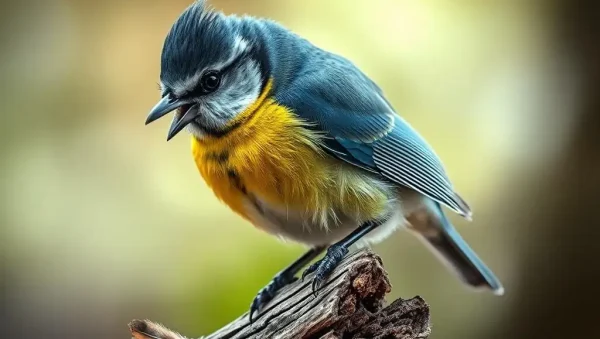
😊 Spotting a sick bird can be tricky! Learn to recognize key physical indicators of illness in your feathered friend, from fluffed…
Read articleBirds are masters at hiding sickness, a survival instinct that can make early detection challenging for even the most attentive owner. At PetCareWorld, our Signs of Illness in Birds subcategory is designed to help you decode subtle behavioral and physical changes before they become emergencies. From changes in droppings to feather fluffing, this guide covers the critical red flags that indicate your feathered friend needs veterinary attention. Early recognition not only improves treatment outcomes but also strengthens the bond of trust you share with your avian companion.
Physical appearance often reveals the first clues of underlying illness. A healthy bird should have smooth, sleek feathers that lie flat against its body. If you notice your bird sitting with puffed-up feathers for extended periods, this is a classic sign of discomfort or fever—birds fluff up to trap heat when fighting infection. Additionally, watch for discharge or crusting around the eyes or nares, which may indicate respiratory infections, conjunctivitis, or nutritional deficiencies. Drooping wings, an unsteady posture, or a bird that sits on the bottom of the cage instead of perching are also urgent red flags that require immediate professional assessment.
Pay close attention to your bird’s beak and feet as well. Overgrowth, peeling, or discoloration can signal liver disease, mite infestations, or metabolic issues. Conversely, a bird that constantly rubs its beak or face may be experiencing allergies or sinus problems. Regular weekly health checks—gently inspecting your bird’s body, weight, and appearance—help you establish a baseline, making it easier to spot deviations early. Always document any physical changes in a journal, as this information is invaluable during veterinary consultations.
Bird droppings are one of the most reliable indicators of digestive and systemic health. A normal dropping has three components: the fecal portion (green and solid), the urate (white or cream-colored), and the urine (clear liquid). Any deviation in color, consistency, or volume warrants attention. For instance, yellow or lime-green feces can indicate liver disease or heavy metal toxicity, while black or tarry droppings may signal internal bleeding. Also, undigested food in the droppings suggests gastrointestinal upset, parasitic infection, or insufficient nutrient absorption.
In addition to appearance, note the frequency and volume of droppings. A sudden increase in watery urine could be a sign of kidney issues or diabetes, while a dramatic decrease may indicate dehydration or a blockage. Polyuria (excessive urine) combined with changes in fecal matter often appears early in infections. To monitor effectively, place white paper at the bottom of the cage—this makes color and texture changes more visible. If abnormal droppings persist for more than 24–48 hours, consult an avian veterinarian promptly, as early intervention prevents more serious conditions.
Changes in eating and drinking habits are often the first behavioral signs an owner notices. A bird that suddenly refuses its favorite seeds, pellets, or fresh fruits may be experiencing oral pain, throat infections, or systemic illness. Conversely, excessive water consumption can point to kidney disease, diabetes, or certain bacterial infections. Additionally, watch for regurgitation or vomiting, which is distinct from the normal courtship behavior of feeding a mate—vomiting involves a flicking motion and is often accompanied by sour-smelling breath or discomfort.
Digestive issues such as diarrhea, constipation, or a swollen abdomen should never be ignored. Diarrhea in birds often leads to rapid dehydration and electrolyte imbalances, making it a veterinary emergency if it lasts more than a day. Conversely, a bird that eats but fails to produce normal droppings may have an obstruction or impaction. Always provide fresh, clean water daily and track portion sizes to identify appetite changes early. If your bird stops eating entirely for more than 12–24 hours, seek immediate help—birds have high metabolic rates and cannot survive long without nutrition.
Birds are creatures of habit, and any sudden change in their usual demeanor is a cause for concern. A normally chatty parrot that becomes silent or excessively quiet might be feeling unwell, stressed, or depressed. Conversely, a usually calm bird that becomes aggressive, agitated, or has sudden panic attacks could be reacting to pain, hormonal changes, or neurological issues. Reduced activity—sleeping more than usual, staying still with feathers fluffed, or lacking interest in toys—is another major sign that your bird is unwell.
Social interaction also suffers when birds are sick. A bird that normally relishes head scratches may start avoiding contact, hissing, or biting—this can indicate discomfort or fear associated with pain. Similarly, a bird that stops vocalizing or preening its cage mate may be isolating itself, a natural instinct to protect others from illness. Always observe your bird’s daily routines, including sleep patterns and preening behavior. Keep a log of any behavioral anomalies, as these observations help veterinarians distinguish between temporary mood changes and chronic health issues.
Respiratory problems are common in pet birds and can escalate quickly. Listen carefully for wheezing, clicking, sneezing, or open-mouth breathing—these indicate compromised airways. Open-mouth breathing at rest is especially serious and may signal pneumonia, asthma, or a foreign body lodged in the trachea. Additionally, watch for tail bobbing while breathing, which indicates labored respiratory effort, as the tail muscles are working harder to help the lungs expand. A faint or absent voice, or a change in vocal pitch, can also accompany respiratory distress.
Nasal discharge, whether clear, cloudy, or thick, should be monitored closely. Mild clear discharge might be due to dust or a mild allergy, but yellow, green, or bloody discharge usually points to a bacterial or fungal infection. Swelling around the eyes or sinuses often accompanies such infections. Red, inflamed, or dry cere skin (the area around the nostrils) is another sign of respiratory irritation. Keep the cage environment clean and free of drafts, as stagnant air and ammonia fumes from droppings exacerbate respiratory conditions. Any persistent respiratory symptoms warrant an immediate visit to an avian specialist.
Neurological signs are often alarming but frequently overlooked initially. Watch for tremors, head tilting, loss of balance, or circular pacing—these may indicate wry neck (torticollis), trauma, or vitamin deficiencies like thiamine or calcium. Seizures, though less common, can result from toxic exposure, hepatic encephalopathy, or epilepsy. A bird that suddenly falls off its perch or is unable to grip with one foot may have vestibular damage, an injury, or a stroke-like event. Changes in wing position, such as one wing drooping lower than the other, can be a neurological or skeletal issue.
Muscle weakness often manifests as difficulty flying, climbing, or even standing. If your bird holds its wings slightly away from its body or appears clumsy, this may indicate generalized weakness from infection or malnutrition. Observe whether your bird can retract and extend its toes properly—paralysis or partial paralysis warrants immediate emergency care. Always ensure your home is free of hazards like ceiling fans, open windows, or toxic perches to prevent accidents that could cause these symptoms. Early veterinary diagnosis, including blood tests and radiographs, is essential for effective treatment.
The most common early sign is a change in droppings, specifically color, consistency, or frequency. Also, puffed-up feathers for more than a day and reduced appetite are very indicative. If you notice any of these, monitor closely and contact an avian vet if they persist beyond 24 hours, as birds decline quickly.
A tired bird will still perch, respond to stimuli, and eat/drink normally. A sick bird often sits fluffed, closed its eyes, refuses food, and shows labored breathing or tail bobbing. Additionally, sick birds usually decrease vocalization and grooming. If your bird’s behavior doesn’t improve after a few hours of quiet time, seek veterinary advice.
Yes, stress can suppress the immune system, leading to secondary infections, feather plucking, and appetite loss. Environmental changes, new pets, loud noises, or lack of sleep can trigger these symptoms. Always provide consistent routines and a calm environment. If symptoms arise after a stressful event, still rule out medical causes with an exam.
Go immediately if your bird shows any of: open-mouth breathing, inability to stand, seizures, heavy bleeding, or no droppings for more than 12 hours. Also, sudden severe lethargy or vomiting are emergencies. Do not wait overnight—birds hide illness and deteriorate fast; early intervention saves lives.
No—self-medicating birds is extremely dangerous. Over-the-counter medications or human remedies can be toxic or mask symptoms. The only home action is to keep your bird warm, quiet, and hydrated while you arrange an avian vet visit. Delaying professional care can worsen conditions significantly.







