
Bird Flu or Something Else? Differentiating Common Ailments from Serious Diseases

Welcome to PetCareWorld, your ultimate guide to a happier, healthier life for your beloved pets! Are you concerned about your feathered friend? Learning to distinguish between seemingly minor ailments and potentially serious threats like bird flu is crucial. This article on "Bird Flu symptoms vs common colds" will equip you with the knowledge to identify the signs and take the necessary steps to ensure your bird's well-being. Dive in and discover how to navigate common bird illnesses with confidence.
- Understanding Bird Flu Symptoms vs Common Colds in Avians
- Beyond the Respiratory Tract: Other Bird Illnesses Mimicking Bird Flu
- When to Suspect Avian Influenza: Severe Symptoms and Rapid Progression
- Diagnosing Bird Flu and Other Ailments: Veterinary Examination and Testing
- Managing Common Bird Illnesses at Home: Supportive Care and Monitoring
- Preventing the Spread of Avian Influenza and Other Diseases: Biosecurity Practices
- Frequently Asked Questions
- Final Reflection: Understanding Our Bodies in a World of Uncertainty
- Unlock Your Pet's Health: Take Charge Now!
Understanding Bird Flu Symptoms vs Common Colds in Avians
Pet birds, much like their human counterparts, can suffer from a range of respiratory illnesses. Distinguishing between a simple cold and the far more serious Avian Influenza (commonly known as bird flu) is crucial for timely intervention and potentially life-saving treatment. This article serves as a guide to help you identify the key differences between common cold symptoms and the more severe symptoms associated with bird flu, equipping you with the knowledge to make informed decisions about your feathered friend's health.
We'll explore the subtle nuances in symptoms, providing a clearer understanding of when a simple observation might warrant a visit to an avian veterinarian. Early detection is key in managing both common illnesses and more serious threats, ensuring the best possible outcome for your pet bird.
Remember, this information is for educational purposes and should not replace professional veterinary advice. Always consult with a qualified avian veterinarian for diagnosis and treatment.
Recognizing Common Cold Symptoms in Birds: Respiratory Issues
Common colds in birds, while still requiring attention, are generally less severe than bird flu. Symptoms often manifest as mild respiratory distress. These symptoms can be subtle and easily overlooked if you aren't familiar with your bird's normal behavior. Look out for:
- Sneezing: Frequent sneezing is a common sign. Note the frequency and intensity.
- Rales: Listen carefully for clicking or rattling sounds in your bird's breathing. These are often subtle and may require a quiet environment to detect.
- Slight nasal discharge: A small amount of clear or slightly cloudy nasal discharge might be present. Thick, colored discharge warrants immediate veterinary attention.
- Lethargy: Your bird might appear less active than usual, showing reduced interest in play or interaction. This can be a general sign of discomfort.
- Slightly ruffled feathers: While not always indicative of illness, slightly ruffled feathers can accompany a mild respiratory infection.
It's important to note that the severity of a common cold can vary depending on the bird's overall health, age, and species. Some birds might exhibit only one or two of these symptoms, while others may experience a combination. Careful observation and monitoring are essential. If symptoms worsen or persist for more than a few days, seek veterinary care.
Identifying Avian Influenza (Bird Flu) Symptoms: Severe Respiratory Distress
Avian Influenza, or bird flu, presents a much more serious threat. Unlike the common cold, bird flu symptoms are often severe and rapidly progressive. Early detection and isolation are vital to prevent the spread of the disease. Key symptoms include:
- Severe respiratory distress: This is a hallmark of bird flu. Birds may exhibit labored breathing, gasping for air, or open-mouth breathing. This is a significant difference from the mild respiratory issues seen in common colds.
- Significant nasal discharge: Unlike the mild discharge seen in common colds, bird flu can cause copious, thick, and often colored nasal discharge (green, yellow, or even bloody).
- Neurological signs: Bird flu can affect the nervous system, leading to tremors, paralysis, or unusual head tilting. These neurological signs are not typically associated with common colds.
- Sudden death: In severe cases, bird flu can lead to sudden and unexpected death.
- Diarrhea: Watery or bloody diarrhea is another potential symptom.
- Significant decrease in appetite and water consumption: A dramatic reduction in food and water intake is a serious warning sign.
The rapid onset and severity of these symptoms are critical distinguishing factors between bird flu and a common cold. If you suspect bird flu, immediate veterinary attention and isolation of the affected bird are paramount.
Distinguishing Between Mild and Severe Respiratory Infections in Birds
The key to differentiating between a common cold and bird flu lies in the severity and progression of symptoms. A common cold typically presents with mild, gradually developing symptoms, while bird flu often manifests as a severe and rapidly worsening illness.
| Feature | Common Cold | Avian Influenza (Bird Flu) |
|---|---|---|
| Onset | Gradual | Sudden and rapid |
| Respiratory Distress | Mild, if any | Severe, labored breathing, gasping |
| Nasal Discharge | Minimal, clear or slightly cloudy | Copious, thick, often colored (green, yellow, bloody) |
| Neurological Signs | Absent | Present (tremors, paralysis, head tilting) |
| Other Symptoms | Lethargy, ruffled feathers | Diarrhea, decreased appetite, sudden death |
| Mortality Rate | Low | High |
This table highlights the crucial differences. Remember, this information is for educational purposes and should not replace professional veterinary advice. Always consult your avian veterinarian for accurate diagnosis and treatment. ⚠ Early intervention is crucial for the best possible outcome for your bird. 🐦
Beyond the Respiratory Tract: Other Bird Illnesses Mimicking Bird Flu
Bird flu, or avian influenza, is a serious concern for bird owners. However, many symptoms associated with avian influenza can be easily confused with common illnesses. Understanding the nuances is crucial for timely and appropriate veterinary intervention. While respiratory distress is a hallmark sign of bird flu, several other conditions can present similar symptoms, leading to misdiagnosis.
This section will delve into some of these conditions, focusing on symptoms that might be mistaken for bird flu, emphasizing the importance of differentiating between bird flu symptoms vs common colds and other ailments. It's vital to remember that this information is for educational purposes only and should not replace professional veterinary advice. Always consult a veterinarian if you suspect your bird is ill.
Digestive Problems: Diarrhea, Vomiting, and Loss of Appetite
Digestive issues in birds can manifest in various ways, often overlapping with some symptoms of avian influenza. Diarrhea, a frequent symptom, can range from slightly watery droppings to severe, watery, and possibly even bloody stools. The color and consistency can provide clues to the underlying cause. For instance, green or yellow diarrhea might suggest a bacterial infection, while bloody diarrhea could indicate a more serious issue.
Vomiting, while less common in birds than in mammals, can also occur due to various digestive problems, including infections, toxins, or even stress. A significant loss of appetite, often accompanied by weight loss, is another critical indicator of underlying health problems. These symptoms, while potentially serious in their own right, can sometimes be mistaken for the general malaise associated with avian influenza. Careful observation of the bird's droppings, coupled with a complete veterinary examination, is necessary for accurate diagnosis.
The following table summarizes potential causes of digestive problems in birds:
| Symptom | Potential Causes | Severity |
|---|---|---|
| Diarrhea | Bacterial infections, parasites, dietary changes, stress | Mild to Severe |
| Vomiting | Toxins, infections, impacted crop, foreign bodies | Mild to Severe |
| Loss of Appetite | Illness, stress, dietary issues, pain | Mild to Severe |
It's important to note that the severity of these digestive problems can vary widely. Mild diarrhea might resolve on its own with dietary adjustments, while severe cases may require immediate veterinary intervention, including fluid therapy and medication.
Neurological Symptoms: Tremors, Weakness, and Abnormal Behavior
Neurological symptoms in birds can be particularly alarming and sometimes mimic some of the more advanced stages of avian influenza. Tremors, ataxia (loss of coordination), weakness, and unusual behavior are some of the key indicators. These symptoms could stem from various causes, including:
- Brain infections: Encephalitis, for example, can cause significant neurological dysfunction.
- Toxins: Exposure to certain chemicals or heavy metals can also have severe neurological consequences.
- Nutritional deficiencies: Lack of essential vitamins and minerals can impair nervous system function.
- Tumors: Brain tumors, while less common, can also manifest with neurological symptoms.
The onset and progression of these symptoms can vary greatly depending on the underlying cause. Some birds might exhibit subtle tremors initially, progressing to more severe ataxia and paralysis. Others may show sudden onset of seizures or disorientation. A detailed neurological examination by an avian veterinarian is crucial for determining the cause and implementing appropriate treatment. Distinguishing neurological symptoms from the effects of avian influenza requires a thorough assessment of the bird's overall health, including a complete blood count and other diagnostic tests.
Feather Loss and Skin Conditions: Signs of Underlying Health Issues
Feather loss (plucking) and various skin conditions in birds can also be indicative of underlying health problems, potentially masking other more serious illnesses, including avian influenza. While feather loss can be a behavioral issue in some birds, it can also be a symptom of nutritional deficiencies, parasitic infestations (mites or lice), fungal infections, or even hormonal imbalances. Skin conditions such as scaly leg mite infestation, bacterial or fungal infections, can cause significant discomfort and feather loss.
These conditions, while not directly related to avian influenza, can weaken the bird's immune system, making it more susceptible to other infections. Careful examination of the skin and feathers, along with appropriate diagnostic tests, are necessary to identify the cause and implement effective treatment.
Again, this highlights the importance of a comprehensive veterinary examination to differentiate between bird flu symptoms vs common colds and other underlying issues. Early detection and treatment are key to preventing further complications.
When to Suspect Avian Influenza: Severe Symptoms and Rapid Progression
Avian influenza, commonly known as bird flu, presents a significantly different clinical picture compared to common bird ailments. While a simple cold might manifest as mild respiratory symptoms, bird flu often involves a rapid and severe progression of symptoms, leading to significant distress for the affected bird. Understanding these key differences is crucial for timely intervention and preventing the spread of the disease. This section focuses on identifying the severe indicators that distinguish bird flu from less serious illnesses. Early detection is paramount, as prompt veterinary care improves the chances of survival and limits the potential for outbreak.
High Mortality Rates in Flocks: A Key Indicator of Avian Influenza
One of the most alarming signs of avian influenza is a sudden and dramatic increase in mortality within a flock. Unlike common illnesses where mortality is typically low and scattered, bird flu can cause widespread death within a short period. For example, a poultry farm might experience a mortality rate of 20% or higher within just a few days, a stark contrast to the sporadic losses associated with common colds or other less severe infections. This rapid decline in flock health is a critical red flag that warrants immediate investigation and veterinary intervention.
The speed at which the disease progresses and its impact on the entire flock are key differentiating factors. Further investigation into the cause of death within the flock should include post-mortem examinations to confirm the presence of avian influenza. Accurate data on mortality rates within specific timeframes is essential for effective disease management.
Systemic Symptoms: Lethargy, Weakness, and Inability to Stand
Beyond high mortality rates, the systemic effects of avian influenza are also significantly more pronounced than those seen in common bird colds. Affected birds often exhibit extreme lethargy, weakness, and an inability to stand or maintain their balance. This profound weakness goes beyond the mild sluggishness sometimes associated with less severe illnesses. Birds might appear listless, huddled, and unresponsive to stimuli.
The inability to stand, often accompanied by tremors or neurological signs, is a particularly serious indicator that points towards a more systemic infection like bird flu rather than a localized respiratory problem. These systemic symptoms reflect the virus's widespread impact on the bird's overall health, distinguishing it from more localized infections. Observing the bird's posture, coordination, and response to external stimuli is crucial in making a preliminary assessment.
Urgent Veterinary Care: When to Seek Immediate Professional Help
When faced with a suspected case of avian influenza, prompt veterinary attention is absolutely critical. The rapid progression of the disease necessitates immediate action to improve the bird's chances of survival and to prevent the spread of the virus to other birds. Delaying veterinary care can have devastating consequences, potentially leading to the death of the affected bird and the wider outbreak within a flock.
Signs requiring immediate veterinary consultation include: high mortality rates within a flock, severe lethargy and weakness, inability to stand, significant respiratory distress (beyond the typical sneezing or mild coughing), neurological signs (tremors, paralysis), and significant drop in egg production (in laying birds). Don't hesitate; early intervention is key in managing avian influenza and minimizing its impact.
Remember, accurate and timely diagnosis is vital to effectively combat this serious disease. Avian influenza poses a significant threat, and professional veterinary assistance is crucial for optimal management and prevention.
Diagnosing Bird Flu and Other Ailments: Veterinary Examination and Testing
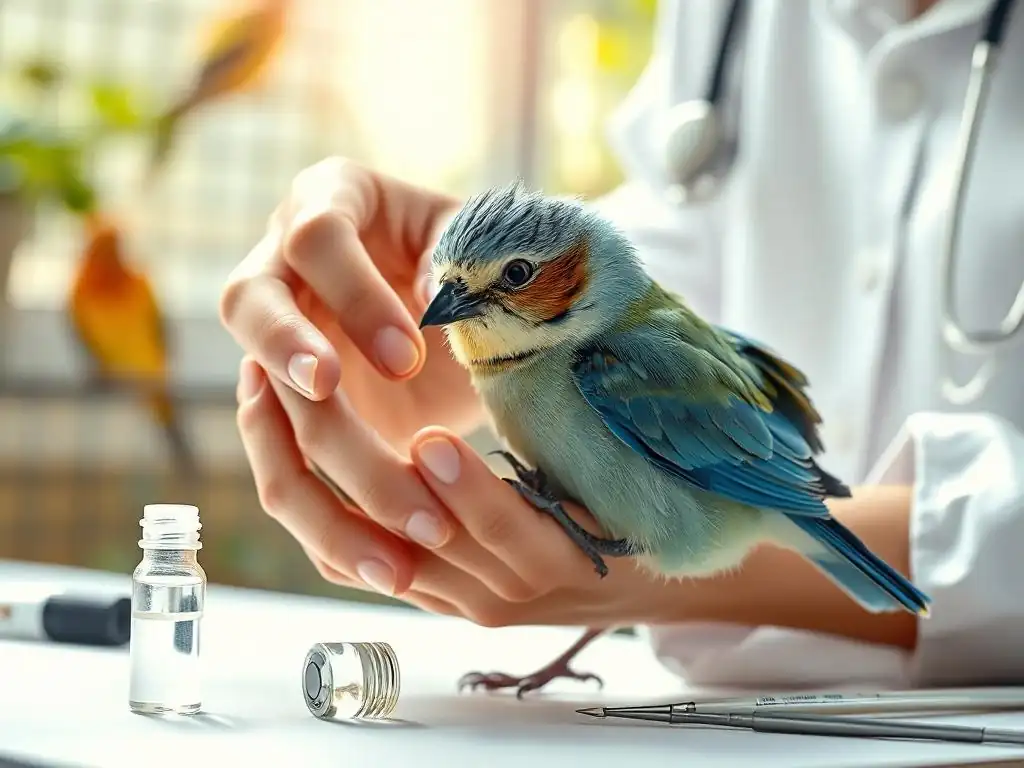
Accurately diagnosing illness in birds requires a multifaceted approach, combining careful observation of symptoms with sophisticated laboratory testing. While discerning bird flu symptoms vs. common colds can be challenging for pet owners, a veterinarian plays a crucial role in reaching a definitive diagnosis. A thorough veterinary examination is the first step, encompassing a comprehensive physical assessment, including evaluation of the bird's respiratory system, digestive system, and neurological function.
The veterinarian will assess the bird's overall condition, noting any visible signs of illness, such as lethargy, ruffled feathers, respiratory distress, or changes in droppings. The history of the bird, including its diet, housing conditions, and any recent exposure to other birds, is also crucial information for the differential diagnosis.
This initial assessment helps the veterinarian narrow down the possibilities and determine which tests are necessary for confirmation. Early and accurate diagnosis is critical for effective treatment and preventing the spread of disease, especially in cases of highly contagious avian influenza.
Laboratory Tests: Confirming Avian Influenza and Other Diagnoses
Once a preliminary assessment is complete, laboratory tests are often necessary to confirm a diagnosis of avian influenza (bird flu) or other potential ailments. These tests can help differentiate between bird flu symptoms and those of common colds or other less serious conditions. Several types of tests may be employed, depending on the suspected disease and the resources available. These include:
- Polymerase Chain Reaction (PCR) test: This highly sensitive test detects the genetic material (RNA) of the avian influenza virus. A positive PCR result confirms the presence of the virus. This is a cornerstone test for avian influenza diagnosis.
- Virus isolation: This technique involves culturing the virus from samples collected from the bird. This can take several days to produce results but provides a definitive confirmation of the virus strain.
- Serology tests: These tests detect antibodies against the avian influenza virus in the bird's blood serum. A positive result indicates that the bird has been infected with the virus at some point, although it may not be actively infected at the time of testing. This test is valuable for epidemiological studies and assessing the prevalence of the disease.
- Complete Blood Count (CBC): A CBC provides information about the bird's blood cells, helping assess its overall health and identify signs of infection, inflammation, or other abnormalities. Changes in white blood cell counts can indicate an active infection.
- Biochemistry profile: This test evaluates various chemicals and enzymes in the blood, providing insights into the function of the bird's liver, kidneys, and other organs. This can detect organ damage resulting from various diseases, including avian influenza.
The choice of specific tests will depend on the clinical presentation, the suspected disease, and the laboratory's capabilities. Rapid diagnostic tests are increasingly available, providing quicker results in situations where prompt action is essential. Remember that a negative test does not always rule out the disease completely, as false negatives are possible. Careful interpretation of test results in conjunction with the clinical findings is crucial for accurate diagnosis.
Importance of Accurate Diagnosis: Tailoring Treatment Plans
Accurate diagnosis is paramount for effective treatment and prognosis. Confusing bird flu symptoms with those of a common cold can have serious consequences, especially since avian influenza can be fatal. A precise diagnosis allows the veterinarian to develop a tailored treatment plan specific to the underlying condition. Treatment for a common cold might involve supportive care, such as providing warmth, hydration, and a nutritious diet. However, treatment for avian influenza may involve antiviral medications, supportive care, and strict isolation to prevent the spread of the disease.
Moreover, the prognosis varies drastically depending on the specific disease. Early and accurate diagnosis improves the chances of successful treatment and a positive outcome. Delayed or inaccurate diagnosis can lead to inappropriate treatment, worsening the condition and potentially resulting in mortality. Therefore, seeking veterinary attention at the first sign of illness is crucial for ensuring the best possible outcome for your bird.
Preventing Avian Influenza: Biosecurity Measures for Bird Owners
Preventing avian influenza is crucial, not only to protect individual birds but also to prevent the spread of the disease within the wider bird population. Effective biosecurity measures are essential for bird owners to minimize the risk of infection. These measures include:
- Quarantine new birds: Newly acquired birds should be quarantined for several weeks before being introduced to other birds. This allows time to observe them for any signs of illness and prevent the spread of disease if they are infected.
- Hygiene: Maintaining good hygiene is critical. Regularly disinfect cages, feeders, and water containers using appropriate disinfectants. Wash your hands thoroughly before and after handling birds.
- Rodent control: Rodents can carry and transmit avian influenza. Implement measures to control rodent populations around your birds.
- Limit contact with wild birds: Avoid contact with wild birds, as they can be carriers of the virus. Prevent wild birds from accessing your bird's enclosure.
- Vaccination: Vaccination is a critical preventive measure in some situations, particularly for high-risk flocks. Consult with your veterinarian to determine if vaccination is appropriate for your birds.
- Monitor your birds: Regularly monitor your birds for any signs of illness. Early detection increases the chances of successful treatment.
By implementing these biosecurity measures, bird owners can significantly reduce the risk of avian influenza and other contagious diseases, protecting their feathered companions and contributing to the overall health of the avian community. Remember, prevention is always the best approach.
Managing Common Bird Illnesses at Home: Supportive Care and Monitoring
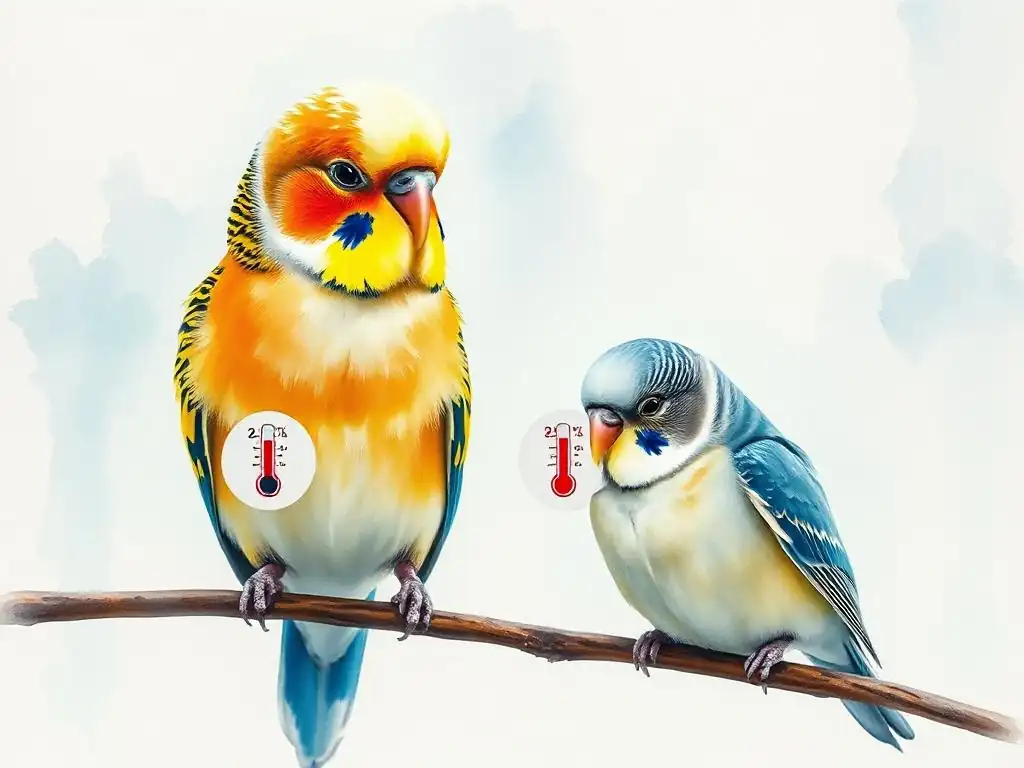
This section focuses on providing effective supportive care for your bird when it's experiencing symptoms that might mimic bird flu, but are actually more common ailments. Remember, if you suspect avian influenza (bird flu), immediate veterinary attention is crucial. However, for less severe illnesses, home management can significantly improve your feathered friend's comfort and speed recovery. Effective management hinges on three key areas: hydration, sanitation, and vigilant monitoring.
Providing Proper Hydration and Nutrition: Supporting Recovery
Dehydration is a significant concern in sick birds. Reduced food and water intake, coupled with increased respiratory effort (common in many illnesses mimicking bird flu symptoms), can quickly lead to dehydration. Therefore, ensuring adequate hydration is paramount. Offer fresh, clean water frequently, possibly using a variety of methods. For instance, try offering water in multiple bowls, a water bottle, or even a shallow dish. Observe your bird's drinking habits carefully. A significant decrease in water consumption is a warning sign requiring veterinary attention.
Furthermore, nutritional support is essential. Sick birds often lose their appetite. Offer a variety of soft, easily digestible foods. Consider offering nutrient-rich foods like cooked sweet potato, well-cooked pasta, or finely chopped vegetables. You might need to hand-feed your bird if it's unable to eat independently.
The type of food will depend on your bird's species and usual diet. Consult with an avian veterinarian for specific dietary recommendations tailored to your bird's needs and condition. Remember to monitor food intake meticulously, noting any changes in appetite. A complete loss of appetite warrants immediate veterinary intervention. Supplementing with avian-specific electrolyte solutions, as recommended by a vet, can also be beneficial during recovery from illnesses that present similar symptoms to bird flu.
Maintaining a Clean and Sanitary Environment: Preventing Secondary Infections
Maintaining a clean environment is crucial in preventing secondary infections, which can complicate recovery from even minor illnesses, especially those with symptoms similar to bird flu. Regular cleaning and disinfection of your bird's cage, food and water dishes, and perches are essential. Use a bird-safe disinfectant and thoroughly rinse all surfaces to remove any residual cleaning solution. Replace bedding regularly, and promptly remove any soiled bedding or droppings.
A clean environment minimizes the risk of bacterial or fungal infections, which can weaken your bird further. This is especially important if your bird is already exhibiting symptoms such as lethargy, ruffled feathers, or respiratory distress, which could be mistaken for bird flu symptoms. Proper ventilation is also key; ensuring good airflow helps prevent the buildup of harmful bacteria and fungi.
Monitoring Vital Signs: Temperature, Respiration, and Behavior
Closely monitoring your bird's vital signs – temperature, respiration rate, and behavior – is crucial in assessing its condition and identifying any worsening symptoms. A slight increase in respiration rate or a change in behavior can be an early indicator of a developing problem. Changes in posture, droppings, or vocalizations may also signal an issue.
Normal respiration rates vary depending on the bird species, but increased breathing rate and visible effort in breathing should be cause for concern. While you may not be able to accurately measure your bird’s temperature without specialized equipment, you can observe for signs of lethargy and decreased activity. Keep a detailed record of your observations, noting any changes in your bird's vital signs and overall behavior.
This information is invaluable for your avian veterinarian, enabling them to provide the most accurate diagnosis and treatment plan. Remember, early detection and intervention are key to a successful outcome. If you notice any significant changes, especially those that could be confused with bird flu symptoms, consult an avian veterinarian immediately.
Preventing the Spread of Avian Influenza and Other Diseases: Biosecurity Practices
Preventing the spread of avian influenza (bird flu) and other common bird illnesses relies heavily on robust biosecurity practices. These practices aim to minimize the risk of introducing infectious agents to your flock and preventing their spread within and outside your bird enclosure. Implementing these measures is crucial, not just for protecting your birds, but also for preventing the wider spread of potentially devastating diseases. The effectiveness of these measures hinges on consistent and diligent application. Even seemingly minor lapses can have significant consequences.
Quarantine and Isolation: Protecting Healthy Birds from Ill Birds
Quarantine is a critical first step in biosecurity. Any new bird introduced to your existing flock should be isolated for at least 30 days before integration. This period allows time to observe for any signs of illness, even subtle ones that might not be immediately apparent. During quarantine, the new bird should be housed separately, ideally in a different room or building, with its own food and water bowls, perches, and bedding.
This prevents direct contact with your established birds and reduces the chance of cross-contamination. Furthermore, observe the quarantined bird closely for any signs of illness, such as lethargy, respiratory distress (indicated by labored breathing or gasping), ruffled feathers, loss of appetite, or diarrhea. Detailed daily records of the bird's behavior and any observed symptoms are extremely valuable should illness occur.
Even if no symptoms are observed during the quarantine period, maintaining strict hygiene protocols before integrating the new bird into the main flock is crucial. This includes thorough disinfection of any equipment or surfaces that have come into contact with the quarantined bird. Failure to properly quarantine can lead to the rapid spread of disease throughout your entire flock, potentially resulting in significant losses.
Hygiene Protocols: Handwashing and Disinfection
Maintaining strict hygiene is paramount in preventing the spread of avian influenza and other diseases. This begins with handwashing. Always wash your hands thoroughly with soap and water before and after handling any birds, their cages, or any related equipment. Use a disinfectant handwash if available.
This simple step significantly reduces the risk of transferring pathogens between birds and from birds to humans. Furthermore, regular disinfection of all bird enclosures, equipment (food and water bowls, perches, toys), and surrounding surfaces is essential. Appropriate disinfectants should be used according to the manufacturer's instructions, ensuring adequate contact time for effective killing of pathogens. Regular cleaning removes organic matter that can harbor pathogens, while disinfection eliminates the pathogens themselves.
The frequency of disinfection should be increased during outbreaks of disease or when new birds are introduced. Consider using disposable gloves when cleaning and disinfecting, particularly if dealing with an ill bird. Appropriate disposal of contaminated materials is equally important, utilizing designated receptacles and following local regulations for biohazardous waste.
Vaccination: Protecting Your Birds from Avian Influenza
Vaccination is a crucial preventative measure, particularly in areas with a high prevalence of avian influenza. While not all bird species are susceptible to vaccination, there are vaccines available for some poultry and companion birds. Consult with an avian veterinarian to determine the suitability of vaccination for your specific bird species and local disease prevalence. The effectiveness of vaccination varies depending on the vaccine strain, the bird's immune status, and the prevailing avian influenza strain.
Vaccination should be part of a comprehensive biosecurity program, not a replacement for other preventative measures. It's vital to remember that vaccines are not always 100% effective, and even vaccinated birds can still become infected, though often with less severe symptoms. Regular monitoring of your flock's health and prompt veterinary attention remain critical even with vaccination.
Detailed records of vaccination dates, vaccine type, and any adverse reactions should be meticulously maintained. This information is invaluable for tracking vaccine effectiveness and making informed decisions regarding future vaccination strategies. The cost of vaccination should be weighed against the potential economic and emotional losses associated with an avian influenza outbreak.
Frequently Asked Questions
What are the key symptoms of bird flu in birds?
Bird flu symptoms can include swollen eyes, difficulty breathing, greenish or yellowish diarrhea, and nervous system signs like tremors or paralysis. Mortality rates can be high.
How can I tell the difference between bird flu and a common cold in my bird?
A common cold usually presents with mild respiratory symptoms like sneezing and rhinitis. Bird flu is far more severe, often involving significant respiratory distress and multiple organ involvement. Seek veterinary attention immediately if you suspect bird flu.
Are all birds susceptible to bird flu?
While many bird species are susceptible, the impact varies. Certain species are more vulnerable than others. The specific strains of avian influenza also influence susceptibility. Consult a veterinarian for species-specific concerns.
What should I do if I suspect my bird has bird flu?
Immediately isolate your bird from other birds to prevent spread. Contact your avian veterinarian immediately for diagnosis and treatment. Strict biosecurity measures are crucial to prevent further infection.
Can bird flu be transmitted to humans?
While less common, some strains of avian influenza can be transmitted to humans, causing serious illness. Maintain good hygiene practices when handling birds, and avoid contact with sick birds. Seek medical attention if you experience flu-like symptoms after handling a sick bird.
Final Reflection: Understanding Our Bodies in a World of Uncertainty
The subtle yet significant differences between common ailments and serious illnesses like avian influenza remain crucial knowledge in our interconnected world. A simple cough can be dismissed as a cold, yet it could be a symptom of something far more serious. This underscores the importance of vigilance and informed decision-making when it comes to our health.
The ongoing threat of emerging infectious diseases, coupled with the constant barrage of information (and misinformation) online, makes understanding our bodies a critical life skill. The ability to differentiate between a simple cold and a potentially life-threatening illness like bird flu is not just about personal health; it's about community health and responsible citizenship. The greatest wealth is health.
– Ralph Waldo Emerson. This quote rings truer than ever in an era where rapid global travel and climate change can accelerate the spread of disease.
Consider the information presented in this article – the subtle nuances in symptoms, the importance of seeking professional medical advice, and the power of preventative measures. You now possess a greater understanding of how to navigate the complexities of illness and make informed choices about your health. Take this knowledge, share it with others, and empower yourself and your community to be proactive in protecting your well-being. Let's work together to build a healthier, more informed future.
Unlock Your Pet's Health: Take Charge Now!
Thank you for learning about recognizing common pet ailments and distinguishing them from more serious illnesses. We hope this information empowers you to be a more informed and proactive pet owner! Now, let's put this knowledge into practice:
- Schedule a wellness checkup: This is the crucial first step. Even if your pet seems healthy, a veterinary visit can detect potential problems early, providing peace of mind and leading to better health outcomes.
- Download our free Pet Health Checklist: This handy guide helps you monitor your pet's health and easily identify any concerning changes. It's a simple tool with significant benefits!
- Share this article with other pet owners: Help spread awareness and empower others to proactively care for their beloved pets!
Ready to take the next step in ensuring your pet's well-being? What simple health check will you start today?