Bird Enrichment and Preventing Boredom: A Complete Guide for Happy, Healthy Birds
At PetCareWorld, we know that a bored bird is a stressed bird, and stress can lead to feather plucking, screaming, and other serious behavioral issues. This subcategory dives deep into the science and art of environmental enrichment, offering practical strategies to keep your feathered friend mentally stimulated, physically active, and emotionally balanced. From DIY foraging toys to social interaction schedules, we cover every angle of avian entertainment to ensure your companion thrives, not just survives.
🦜 The Hidden Dangers of Avian Boredom
Boredom in birds is not just a nuisance—it is a health crisis waiting to happen. When parrots, cockatiels, or budgies lack mental and physical engagement, they often develop stereotypies like pacing, head-bobbing, or excessive vocalization. More dangerously, chronic boredom can trigger self-destructive behaviors such as feather destructive behavior or over-preening, which can lead to skin infections and even self-mutilation. Understanding these risks is the first step toward prevention, so you can spot early warning signs before they escalate.
Our guides explain how the avian brain is wired for problem-solving, foraging, and social bonding. In the wild, birds spend up to 70% of their waking hours searching for food, interacting with flock mates, and exploring their environment. In captivity, they often face a sterile cage with only a perch and a bowl. We’ll help you replicate that natural busy lifestyle with structured enrichment plans that reduce stress hormones, improve immune function, and extend your bird's lifespan.
🧩 DIY Foraging Toys and Puzzles You Can Build Today
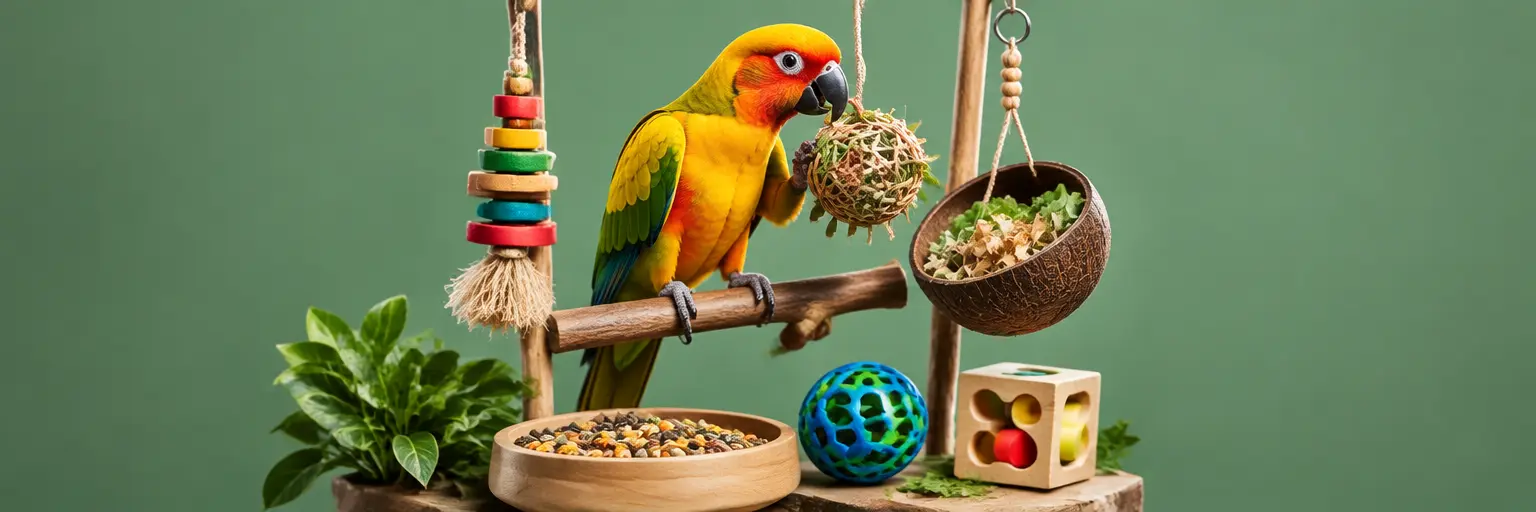
Foraging is the single most powerful enrichment tool for captive birds. You don’t need expensive commercial toys; everyday household items can become brain-teasing challenges. For example, take a clean cardboard egg carton, fill it with shredded paper, hide a few sunflower seeds inside, and watch your bird figure out how to extract them. Similarly, braided strips of untreated leather or safe vegetable-tanned hide can be woven with treats, encouraging natural tearing and shredding behaviors that occupy your bird for hours.
In this section, we provide step-by-step tutorials for over a dozen DIY projects, ranging from beginner-level paper cup puzzles to advanced PVC pipe foraging towers. We also discuss safety considerations, such as avoiding toxic glues, small parts that can be swallowed, and sharp edges. Each project includes difficulty ratings and time estimates, so you can gradually challenge your bird as their problem-solving skills improve, keeping them engaged without frustration.
🎵 Auditory and Visual Stimulation: Sounds, Music, and Mirror Magic
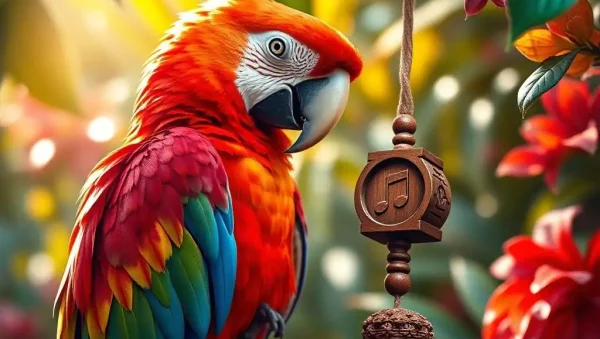
Birds are highly sensory creatures, and their environment should be a symphony, not silence. Natural sounds—like rainforest recordings, gentle rainfall, or even the chirping of wild birds—can calm an anxious parrot, while upbeat classical music may encourage dancing and lively vocal play. We explain how to create a daily "soundscape" that varies between calm, active, and silence, so your bird learns to associate different audio cues with different times of day, just like a natural light-dark cycle.
Visual enrichment is equally vital. Position a cage near a window (without direct draft) to let your bird watch squirrels, cars, and people—but be mindful of overstimulation from predators like cats. Rotate mirrors, colorful safe toys, and even a bird-safe TV program (like nature documentaries) for short periods. We also cover the careful use of mirrors, since some species, especially African greys, can become obsessed with their reflection, leading to hormonal or aggressive behavior if not managed correctly.
🍎 Rotating Diet and Food-Based Enrichment Strategies
Mealtime is the perfect opportunity for mental gymnastics. Instead of a static bowl of pellets, consider using a "shreddable" treat—like a whole coconut shell stuffed with vegetables, or a pinecone smeared with unsalted peanut butter and rolled in seeds. Hanging food from the cage top with a skewer requires your bird to climb, balance, and manipulate, mimicking wild foraging. We provide a weekly rotation plan that includes fresh sprouts, whole grains, and fruits, not only for nutrition but also for sensory variety in texture, color, and smell.
Moreover, we teach you how to use food puzzle feeders that require multiple steps, such as opening a lid, pulling a drawer, or turning a wheel. Research shows that birds that work for their food exhibit lower cortisol levels and higher exploratory behavior. We’ll also show you how to introduce new foods without rejection, using the "bait and switch" method, where a favorite treat is hidden inside a novel vegetable, gradually expanding your bird’s palate and preventing dietary boredom.
🪶 Social Interaction and Training Games to Strengthen Your Bond
Your presence is the most potent enrichment device you own. Birds are flock animals, and they need daily one-on-one interaction for emotional well-being. This isn’t just about handing—it’s about structured play. Teach your bird a trick like "give paw" or "turn around" using positive reinforcement; each training session is a mental workout that builds trust and confidence. We include a 15-minute daily routine that alternates between target training, recall practice, and gentle preening sessions, which mimics mutual grooming in the wild.
For birds that are housed alone, we discuss the benefits of supervised "play dates" with other bird owners (if species-compatible) or even the option of a second bird. However, we caution against impulsive pairings, as personality clashes can cause stress. Instead, we recommend interactive games like peek-a-boo with a towel, or "find the treat" under one of three cups, which engages your bird’s cognitive abilities while reinforcing your role as a fun, reliable companion. These activities reduce separation anxiety and decrease destructive behavior when you’re away.
Frequently Asked Questions
How many hours of enrichment does my bird need daily?
Most parrots and hookbills need at least 2-4 hours of active enrichment spread throughout the day, not all at once. This includes foraging, toy interaction, and social play. However, quality matters more than quantity—a 20-minute training session plus a well-stocked foraging toy can be more beneficial than hours of a boring swinging perch. Observe your bird’s engagement; if they abandon a toy quickly, rotate in a new one.
Is it okay to leave my bird alone for a weekend?
No, most birds require daily social interaction, feeding, and fresh water. A weekend alone can trigger severe loneliness and stress. If you must travel, hire a qualified pet sitter who has bird experience, or board your bird at an avian vet’s facility. Even with a sitter, ensure they follow your enrichment checklist, including changing toys and playing music, to minimize separation anxiety and prevent boredom-related behaviors.
What are the signs that my bird is still bored despite my efforts?
Persistent screaming, feather plucking, loss of appetite, or repetitive pacing can signal that your enrichment isn’t challenging enough. It could also indicate a health issue, so rule out illness first. If health is fine, try increasing the difficulty of food puzzles, introducing novel textures like palm leaf or cork, and adding a second daily training session. Sometimes, birds need a complete cage rearrangement to spark curiosity.
Can I use household items like paper clips or plastic as toys?
No, never give birds items that contain metal clips, lead, zinc, or soft plastics they can break and ingest. Safe materials include untreated pine, cardboard, paper, vegetable-tanned leather, and stainless steel for hardware avoid cheap zinc. Avoid anything with small openings that could trap a beak or foot. Always inspect DIY toys daily for wear, and replace broken parts immediately to prevent injury or choking.
Does species affect the type of enrichment I should provide?
Absolutely. Cockatoos and macaws are heavy chewers and need destructive toys like thick branches, pine blocks, and coconut shells. Small birds like finches and canaries prefer scattered seeds in fresh greens and shallow water baths, while parrots like African greys and amazons excel at puzzle feeders and social games. Always research your specific species’ natural behaviors, then mimic those patterns in your enrichment design for optimal results.