Lethargy and Respiratory Issues in Birds: Connecting the Dots
🤔 Is your bird unusually sluggish and showing signs of respiratory distress? PetCareWorld connects the dots between bird lethargy and respiratory problems,…
Read article

Your feathered friend’s health can change in an instant, and respiratory problems are among the most common—yet serious—issues birds face. From sneezing and tail bobbing to labored breathing or a raspy voice, early detection is critical since birds instinctively hide symptoms until they’re severe. 🐦 In this guide, we’ll walk you through the telltale signs, frequent triggers like drafts, poor ventilation, or bacterial and fungal infections, and practical steps to support recovery. Learn how to distinguish a mild irritation from an emergency, when to rush to an avian vet, and simple home-care adjustments that can ease your bird’s breathing. Whether you own a parakeet, cockatiel, or macaw, understanding these respiratory red flags could save your pet’s life. Stay observant, act fast, and give your bird the best chance at a full, healthy breath again. 🌬️💚
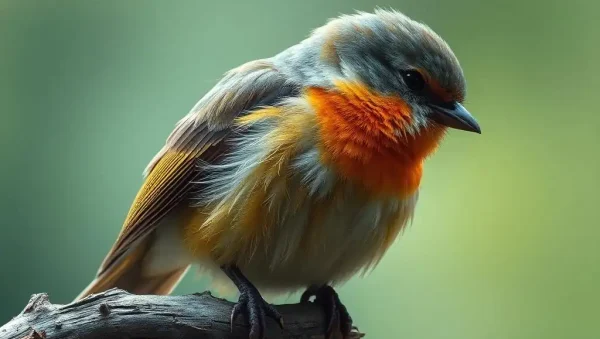
🤔 Is your bird unusually sluggish and showing signs of respiratory distress? PetCareWorld connects the dots between bird lethargy and respiratory problems,…
Read article
🤔 Suspect your feathered friend has a respiratory infection? PetCareWorld's expert guide on bird wheezing delves into diagnosis and effective treatment options…
Read article
😊 Strengthen your feathered friend's defenses against respiratory diseases! Learn proven strategies to boost bird respiratory immunity and ensure their vibrant health.…
Read articleRespiratory issues are among the most common and potentially serious health concerns for pet birds. Unlike mammals, birds have a highly efficient but delicate respiratory system that can deteriorate rapidly when compromised. In this dedicated section, we explore the causes, symptoms, and treatments for avian respiratory problems, helping you act swiftly when your feathered companion shows signs of distress. From bacterial infections to environmental triggers, we cover the essential knowledge every bird owner needs to safeguard their pet's breathing health and overall well-being.
The first step to protecting your bird's respiratory health is learning to identify subtle signs of trouble before they become critical. Birds instinctively mask illness to avoid appearing vulnerable, so changes may be slight. Look for tail bobbing while breathing, open-mouth breathing, or a change in vocalization such as hoarseness or loss of sound. Additionally, watch for discharge from the nares (nostrils), sneezing, or a reduced activity level. Observing your bird during quiet moments, especially at night, helps you notice irregular breathing patterns early.
Diagnostic clarity comes from daily familiarity with your bird's normal behavior and sounds. If you observe any combination of labored breathing, reduced appetite, or fluffed feathers for more than a few hours, immediate veterinary attention is crucial. Early intervention often prevents mild irritations from progressing into pneumonia or air sac infections. Keep a journal of symptoms to share with your avian vet; this documentation can expedite diagnosis and treatment, potentially saving your bird's life during an emergency.
Respiratory problems in birds stem from several primary sources, each requiring different management strategies. Bacterial infections, such as those from Chlamydia psittaci or Mycoplasma, are frequent culprits that spread through contaminated droppings or respiratory droplets. Viral infections, including Avian Influenza and Polyomavirus, demand strict biosecurity. Fungal aspergillosis, often inhaled from moldy bedding or feed, is a chronic threat. Environmental factors like tobacco smoke, aerosol sprays, non-stick cookware fumes, and poor ventilation significantly increase vulnerability.
Understanding the root cause dictates your approach to care. For example, pneumoconiosis from dusty environments requires immediate husbandry changes, while infectious diseases necessitate isolation and targeted medications. A vet may perform blood tests, radiographs, or endoscopy to pinpoint the pathogen or particle. Never attempt to treat respiratory distress with over-the-counter remedies, as improper dosage can be fatal. Instead, proactively eliminate known triggers from your home, such as candles, cleaning agents, and Teflon products, which are notorious for causing acute toxicity.
When you bring a bird with suspected respiratory illness to the veterinarian, expect a thorough physical examination beginning with observation from a distance to assess breathing effort and posture. The vet will listen to your bird's lungs and air sacs using a stethoscope, noting any crackles, wheezes, or muffled sounds. They may gently palpate the bird's body to check for air sac rupture or abdominal masses that impede respiratory function. Blood work helps detect systemic infections or inflammation markers.
Advanced diagnostics often include radiographs (X-rays) to visualize the lungs, air sacs, and trachea for fluid or granulomas. Endoscopy allows direct visualization of internal airways and biopsy sampling. PCR testing on swabs from the choana or trachea identifies specific DNA of pathogens. Culture and sensitivity tests guide antibiotic selection. These comprehensive steps are vital because avian respiratory diseases can mimic each other, and a precise diagnosis prevents wasted treatments and unnecessary stress on your bird.
Prevention is the most effective medicine for respiratory issues. Start by ensuring excellent air quality: place your bird's cage away from drafts, direct heat vents, and open windows that bring in pollen or exhaust fumes. Use HEPA air purifiers to remove airborne dust, dander, and mold spores. Humidity levels between 40-60% prevent respiratory lining dryness; use a humidifier in arid climates. Avoid strong scents from perfumes, household cleaners, and scented candles entirely, as birds absorb these through their lungs rapidly.
Regular cage hygiene is non-negotiable. Change paper liners daily, wash dishes with hot soapy water, and replace perches regularly to prevent fungal growth. Choose safe substrates like paper or aspen shavings instead of dusty cedar or pine. Ensure your bird has access to fresh water for bathing, which encourages preening and clears nasal passages. Avoid overcrowding multiple birds in small spaces, and quarantine any new bird for at least 30 days to prevent cross-infection. These environmental controls reduce respiratory stress dramatically.
Treatment depends entirely on the diagnosis; bacterial infections often require prescribed oral or injectable antibiotics for several weeks, while fungal diseases may need antifungals like itraconazole. Viral infections focus on supportive care, keeping the bird warm and hydrated. Vets may recommend oxygen therapy for severe distress or nebulization to deliver medications directly into airways. Anti-inflammatory drugs can reduce swelling. At home, provide easy access to food and water, and monitor weight daily with a small scale, as weight loss signals worsening.
Supportive care includes offering a quiet, warm (85-90°F) environment to reduce metabolic demands. Mist your bird's feathers lightly with lukewarm water to encourage self-cleaning and ease breathing through moistened air. Use a pediatric electrolyte solution in water if approved by your vet. Never use human cough syrups or decongestants, which are toxic to birds. Increase rest periods and minimize handling stress. Follow your vet's medication schedule precisely, and return for follow-up exams to ensure complete recovery, as premature cessation of antibiotics leads to relapse.
Some signs demand immediate emergency care regardless of the time of day. If your bird is open-mouth breathing while at rest, gasping, or making audible noises with each breath, it's a critical emergency. A blue or purple tint to the skin, especially around the beak or feet, indicates cyanosis—severe oxygen deprivation. Sudden collapse, inability to perch, or loss of consciousness are also urgent. Birds that are severely lethargic with fluffed feathers and closed eyes, refusing to eat or drink, are in immediate danger.
When transporting your bird to the vet, keep the carrier warm and quiet, and avoid opening the container during transit. Do not attempt to force feed or give water to a struggling bird, as aspiration is likely. Call the veterinary clinic ahead to alert them of the emergency so they can prepare oxygen or ventilation equipment. Remember, avian metabolism is fast; a bird that appears stable can deteriorate within hours. Trust your instincts—if something seems wrong, professional evaluation is always safer than delayed observation.
Yes, some avian respiratory diseases like psittacosis (chlamydiosis) are zoonotic and can infect humans, causing flu-like symptoms. Viral and bacterial infections often spread among birds through airborne droplets or shared food and water. Always quarantine sick birds and practice hand washing and separate utensils to prevent cross-contamination between birds and occasionally to humans.
Birds do not get human colds, so any sneezing or nasal discharge signals a potential bacterial, fungal, or viral infection that may escalate. If symptoms persist beyond 24 hours, include labored breathing, or affect appetite, seek an avian vet immediately. Because birds mask illness, even mild signs should not be ignored.
Yes, HEPA air purifiers are safe and highly effective for birds when they do not produce ozone. They remove dust, feathers, dander, and airborne pathogens, improving air quality. Place the purifier near the cage but ensure it doesn't create a direct draft. Avoid ionic purifiers that emit ozone, which is harmful to avian lungs.
Accidental exposure to toxic fumes, particularly from overheated non-stick cookware (PTFE/PFOA), is a leading cause of sudden respiratory distress. These fumes cause immediate lung hemorrhage within minutes. Other sudden triggers include aerosol sprays, cleaning products, and burning food. Immediate removal to fresh air is critical, but prognosis is guarded without rapid veterinary oxygen therapy.
Absolutely not. Over-the-counter antibiotics are often incorrect, improperly dosed, or toxic to birds. They can also mask symptoms and create drug-resistant bacteria. Prescription medications require an avian vet's diagnosis based on culture and sensitivity testing. Incorrect doses can cause rapid kidney failure or death. Always consult a professional.