Living with a Macaw: The Joys and Challenges of Owning a Large Parrot
🤔 Discover the vibrant rewards and unique hurdles of Macaw parrot ownership. PetCareWorld explores the joys and challenges of caring for these…
Read article
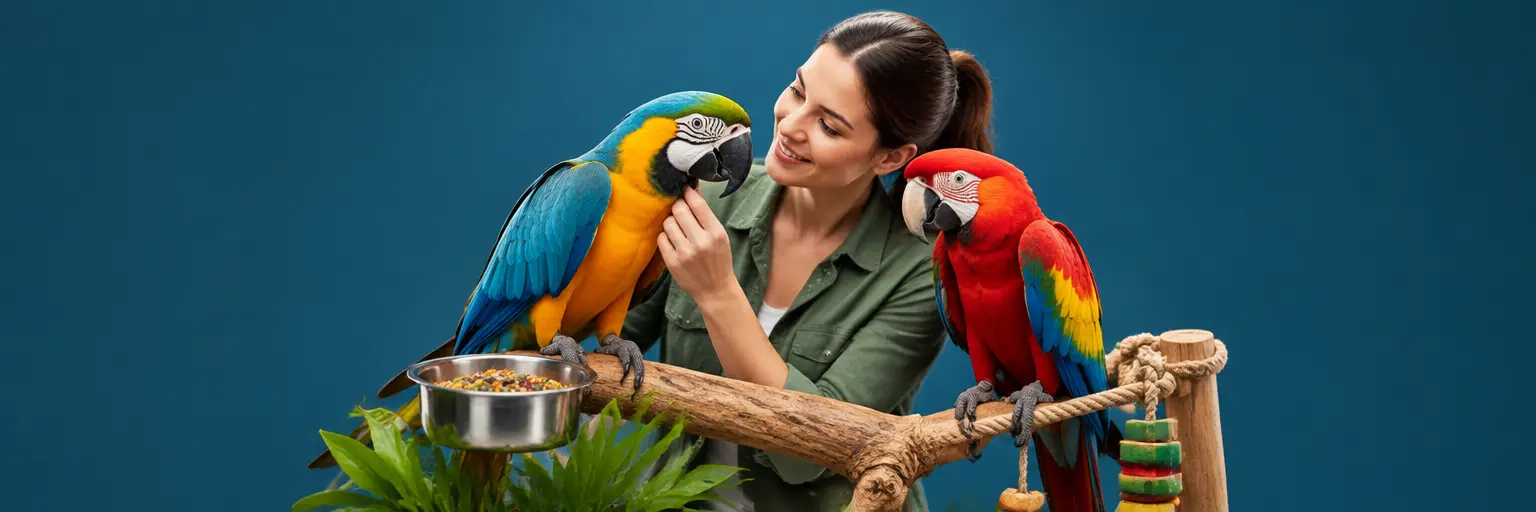
Owning a Macaw or large parrot is an extraordinary journey, but it demands serious commitment and specialized knowledge. These majestic, intelligent birds require far more than a basic cage and seeds; they thrive on enriching mental stimulation, a nutritionally dense diet, and consistent, patient training to become loving companions. Our expert guides dive deep into the unique challenges of caring for these gentle giants, from understanding their complex vocalizations and powerful beaks to preventing feather plucking and ensuring their spacious habitat meets their soaring needs. Whether you’re a seasoned parrot parent or considering welcoming a scarlet macaw or blue-and-gold into your home, we provide the actionable advice you need to foster a strong, healthy bond. Learn how to create a safe, engaging environment that allows your large parrot to flourish, ensuring a lifetime of vibrant chatter, playful antics, and loyal friendship. Your feathered friend deserves the best, and we’re here to help you provide it.
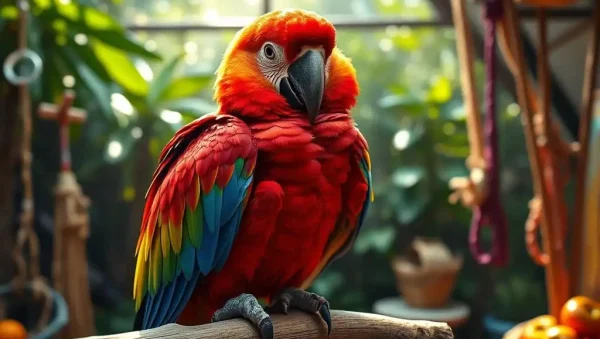
🤔 Discover the vibrant rewards and unique hurdles of Macaw parrot ownership. PetCareWorld explores the joys and challenges of caring for these…
Read article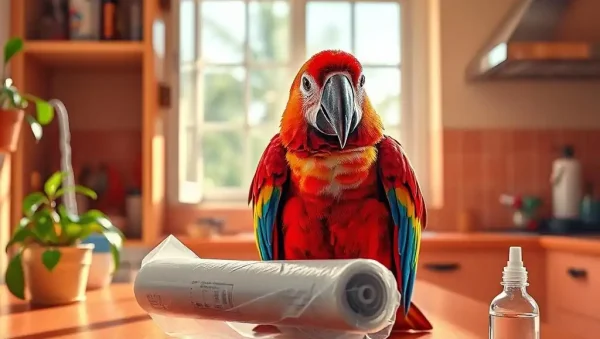
😊 Ensure your macaw's safety by eliminating common household hazards. PetCareWorld guides you through identifying and preventing dangers, ensuring a happy, healthy…
Read article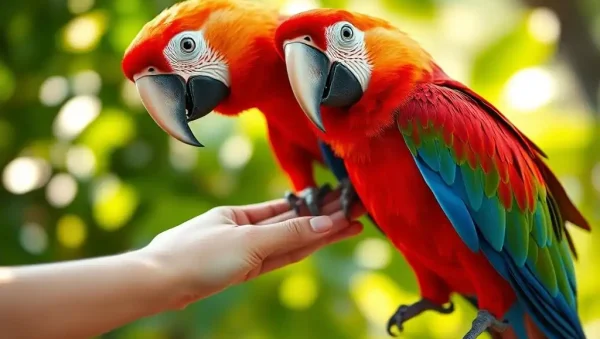
😊 Ensure macaw safety around children through vigilant supervision. PetCareWorld's expert guide details crucial steps to prevent accidents and foster positive interactions…
Read articleWelcome to PetCareWorld’s dedicated section on caring for macaws and large parrots, a niche within our broader Bird Care category that focuses on the unique needs of these majestic, intelligent, and long-lived companions. Whether you’re a first-time large parrot owner or a seasoned aviculturist, this subcategory offers actionable, expert-backed insights into nutrition, housing, behavior, and veterinary care tailored specifically for species like Blue-and-Gold Macaws, Green-Winged Macaws, and large cockatoos. From beak maintenance to emotional enrichment, we cover the essentials to help your feathered friend thrive for decades. Trust PetCareWorld to translate complex avian science into simple, practical steps, ensuring your large parrot’s physical health and mental well-being are never left to chance.
Large parrots have high metabolic rates and specific dietary requirements that differ drastically from smaller birds. A balanced diet for macaws and cockatoos must go beyond seeds, which are high in fat and low in essential vitamins. At PetCareWorld, we emphasize a foundation of high-quality pellets, making up 60-70% of their daily intake, supplemented with fresh vegetables like leafy greens, carrots, and bell peppers. Fruits should be offered sparingly due to sugar content. We also delve into species-specific needs—for instance, macaws require more dietary fat from nuts like Brazil nuts and walnuts, while cockatoos are prone to obesity and need stricter portion control.
Our guides also cover critical micronutrients, particularly calcium and Vitamin A, which prevent common issues like feather plucking and weak eggshells in breeding females. We explain how to safely introduce new foods, discourage selective eating, and recognize signs of nutritional deficiencies, such as dull plumage or lethargy. You’ll also learn about toxic foods to avoid, including avocado, chocolate, and caffeine. By following our detailed feeding schedules and portion charts, you can prevent malnutrition-related diseases and ensure your large parrot maintains a shiny coat, strong beak, and vibrant energy throughout its 30-50 year lifespan.
Macaws and large parrots are not cage birds—they are flight-capable, intelligent animals that require substantial vertical and horizontal space. Our housing guides recommend minimum cage dimensions of 36”x36”x60” for a single macaw, with bar spacing of 1-1.5 inches to prevent injury. But the cage is just the starting point. We emphasize the importance of a dedicated play stand or bird gym outside the cage for daily exercise. PetCareWorld provides step-by-step setup ideas, including natural wood perches of varying diameters to promote foot health, and placement strategies that avoid drafts but allow social interaction with the family.
Environmental enrichment is non-negotiable for these highly intelligent birds, as boredom leads to destructive behaviors like screaming and feather mutilation. We share DIY foraging toys, puzzle feeders, and rotating toy rotations that stimulate problem-solving. Learn how to create a “bird-safe” room with branches, shreddable materials, and even supervised access to a shower perch. Our content also covers temperature control (ideal range 65-80°F) and humidity levels, especially for macaws originating from rainforest climates. With our practical enrichment ideas, you’ll transform a simple cage into a dynamic playground that keeps your parrot physically active and mentally engaged.
Large parrots are emotionally complex, forming strong bonds with their primary caregiver but often becoming “one-person birds.” Our behavior section helps you understand body language—from eye pinning and tail fanning to feather ruffling—so you can preempt aggression or fear. We teach positive reinforcement training techniques using clickers or treats, focusing on target training and step-up commands. Crucially, we address the “honeymoon period” after adoption, where birds act calm but later test boundaries; our guides prepare you for these shifts with consistent, calm handling approaches.
Socialization is key to preventing screaming and biting. We recommend exposing your macaw or cockatoo to various people, sounds, and environments from a young age, but always under controlled conditions to avoid overwhelming them. We also cover common behavioral problems like regurgitation (a sign of affection), territorial aggression around the cage, and phobic reactions to new objects. PetCareWorld’s training articles emphasize patience and routine, helping you establish trust without forcing interactions. Additionally, we outline the importance of daily out-of-cage time (at least 2-3 hours) and how to structure that time to burn energy and reinforce your bond. Expect practical, non-aversive solutions that respect your parrot’s intelligence.
Large parrots often hide illness until it’s advanced, so proactive health monitoring is vital. Our veterinary-reviewed content teaches you how to perform weekly at-home physical checks: weigh your bird on a kitchen scale (sudden weight loss is an early warning sign), inspect nostrils, beak, and feet for discharge or lesions, and monitor droppings color and consistency. We also provide a baseline for normal vital signs, such as respiratory rate and resting posture. Understanding what’s normal helps you spot problems early, from feather plucking due to skin infections to respiratory distress from fungal spores.
Common conditions we cover include Psittacosis (parrot fever), a zoonotic bacterial infection, and Proventricular Dilatation Disease (PDD), a fatal viral illness. We explain symptoms, diagnostic tests, and when to seek an avian veterinarian—not a general vet. Our guides also emphasize preventive measures: regular wing and nail trims, beak conditioning through chew toys, and annual blood panels to assess liver and kidney function. We debunk myths about “sick bird” quarantine and instead provide a practical 30-day isolation protocol for new arrivals. With our robust health library, you’ll be equipped to act swiftly and confidently, potentially saving your parrot’s life.
Feathers and beaks are a large parrot’s most critical tools, and their maintenance is a specialized skill. Our grooming guides start with bathing routines: most macaws enjoy daily misting or supervised shower time, which helps maintain feather structure and reduces dust (especially for cockatoos). We explain how to towel-dry safely and identify unhealthy molting patterns, such as excessive feather loss without new growth. Unlike smaller birds, large parrots require regular but careful wing trims to prevent full flight—we offer step-by-step instructions or recommend professional services when you’re not confident.
Beak health is often misunderstood. Overgrown beaks result from insufficient wear, not disease; we explain how providing hardwood branches, cuttlebone, and mineral blocks naturally trims the beak. We also teach you to differentiate between healthy preening and obsessive over-preening, which signals stress or skin disorders. For toenails, we share proper trimming techniques using a file or clipper, including how to avoid the quick and stop bleeding with styptic powder. Our content stresses that grooming sessions are bonding opportunities, not battles, so we include desensitization tips to make your parrot comfortable with handling. A well-maintained feather coat and beak mean a happier, healthier bird.
Owning a macaw or large parrot is a lifetime commitment, often exceeding 50 years for many species. This subcategory provides honest guidance on the financial and emotional responsibilities involved, from vet bills averaging $200-$500 annually to the cost of high-quality food and toys (easily $1,000+ per year). We urge prospective owners to consider who will care for the bird if you fall ill, move, or pass away—we provide a sample care agreement and tips for establishing a trust. This long-term perspective prevents the heartbreaking rehoming crisis that affects many large parrots.
We also discuss age-related changes in senior parrots, such as arthritis, cataracts, and reduced mobility, offering modifications like lower perches and warmer environments. Grief and loss are covered sensitively, including recognizing when Eusthenia (quality of life) declines and making compassionate end-of-life decisions. Our resources include checklists for vet consultations and support hotlines for bereaved owners. By facing these realities, you ensure your parrot’s golden years are comfortable and dignified. PetCareWorld stands by you from adoption to legacy, providing the depth needed for one of the most rewarding—and demanding—pets on earth.
A single macaw needs a cage at least 36” wide, 36” deep, and 60” tall, but more is always better. However, the cage is only a sleeping and retreat space; your bird requires a minimum of 2-3 hours of out-of-cage exercise daily in a bird-proofed room. Think of the cage as a bedroom, not a jail. The best setup is a large play gym near family activity.
No, they are not recommended for novice bird owners. Large parrots are highly intelligent, loud, and demanding attention, and they can develop severe behavioral issues if neglected. They also live 30-50 years, so you must consider long-term life changes. We advise beginners to start with a smaller species or foster a large parrot first to understand daily commitment.
Avoid avocado (even the pit), chocolate, caffeine, alcohol, onion, garlic, and fruit pits or seeds (like apple seeds). Also avoid salty, sugary, or fried foods, and never give dairy in large amounts. Xylitol, an artificial sweetener, is lethal. Always check ingredient labels on processed snacks. Stick to fresh veggies, safe fruits, and species-specific pellet mixes.
First, rule out medical issues with a vet. Screaming often stems from boredom or seeking attention. Ignore the screaming completely (no eye contact, no talking) and reward quiet behavior with treats and praise. Increase foraging toys and out-of-cage time. Never yell back, as that reinforces the behavior. Consistency is key; change may take weeks.
Human interaction is sufficient if you provide daily dedicated time (2-3 hours) for training, play, and cuddling. Macaws bond intensely with people and may reject another bird. Adding a second bird can sometimes cause territorial aggression or reduce bonding with you. It’s more important to ensure your lifestyle allows for consistent, high-quality social time.







