
Macaw Safety: Protecting Your Parrot from Household Hazards

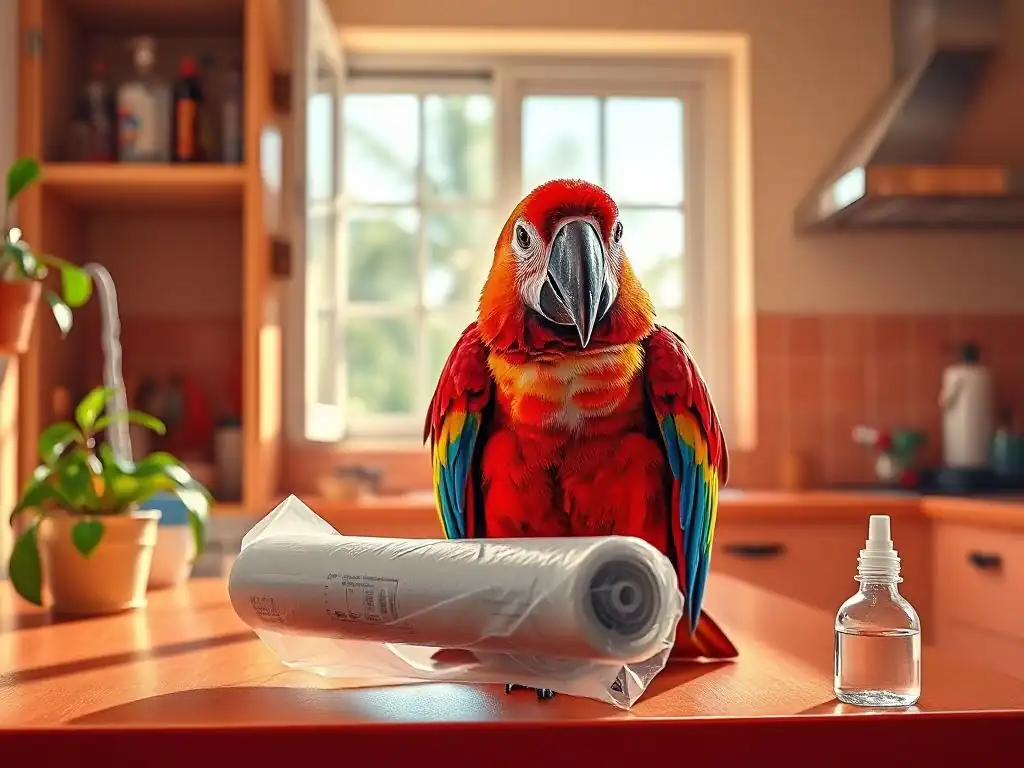
Welcome to PetCareWorld, your ultimate guide to a happier, healthier life for your beloved pets! Are you ready to discover how to create a truly safe haven for your feathered friend? We delve into the often-overlooked dangers lurking in the average home that threaten your macaw's well-being in our comprehensive guide, "Macaw Household Safety Hazards." Learn how to identify and eliminate potential threats, ensuring your vibrant companion thrives for years to come. Explore now and unlock the secrets to a safer, more fulfilling life together!
- Understanding Macaw Behavior and Safety Needs
- Common Household Macaw Safety Hazards
- Securing Your Home for Macaw Safety
- Emergency Preparedness for Macaw Owners
- Beyond the Home: Macaw Safety in Outdoor Environments
- Maintaining a Safe and Stimulating Environment for Your Macaw
- Frequently Asked Questions
- Final Reflection: A Feather's Worth of Caution: Ensuring Macaw Safety
- Unlock a Safer World for Your Macaw!
Understanding Macaw Behavior and Safety Needs
Macaws, with their vibrant plumage and captivating intelligence, are beloved companions to many. However, their inherent curiosity and powerful beaks present unique safety challenges for pet owners. This comprehensive guide delves into the common household hazards that threaten macaws, offering practical solutions and preventative measures to ensure a safe and enriching environment for your feathered friend.
Understanding your macaw's natural behaviors is the first crucial step in creating a secure home, minimizing risks, and preventing potentially dangerous situations. We'll explore their innate instincts, focusing on how these instincts translate into potential household dangers and how to proactively address them. This guide aims to empower macaw owners with the knowledge and strategies to protect their beloved birds from harm, fostering a long and healthy relationship built on mutual trust and safety.
Successfully navigating macaw safety requires a proactive and informed approach, and this guide provides the essential framework for doing so. Remember, a safe environment isn't just about preventing accidents; it's about enriching your macaw's life and strengthening your bond.
Macaw Curiosity and Chewing Instincts: A Primary Safety Concern
Macaws are naturally curious and possess incredibly strong beaks designed for cracking nuts and seeds in the wild. This translates into a powerful chewing instinct in the home, posing significant safety risks. Their exploration often leads them to investigate—and potentially damage or ingest—a wide range of household items. This inherent curiosity, while endearing, necessitates careful consideration of the objects within their reach. For example, a seemingly innocuous electrical cord could become a target for chewing, leading to electrocution.
Similarly, seemingly harmless household plants can be toxic if ingested. Understanding the extent of their chewing power is paramount; they can easily shred through wood, plastic, and even some metals. This necessitates a thorough assessment of your home environment to identify and remove potential hazards. Think of it this way: If it can be chewed, it needs to be secured or removed from your macaw's reach.
Here's a table summarizing common chewing hazards and preventative measures:
| Hazard | Potential Danger | Preventative Measures |
|---|---|---|
| Electrical Cords | Electrocution | Secure cords with cord protectors; use cable management systems |
| Toxic Plants | Poisoning | Remove toxic plants from the home; research plant toxicity |
| Small Objects | Choking hazard | Regularly check for and remove small objects |
| Untreated Wood | Splinters; ingestion of harmful chemicals | Use only bird-safe wood toys and perches |
| Certain Types of Plastic | Ingestion; potential blockage | Avoid plastics that are not specifically designed for birds |
Identifying Potential Macaw Hazards in Your Home
Beyond chewing, several other household items pose significant dangers to macaws. These hazards often go unnoticed until an accident occurs. It’s crucial to conduct a thorough home safety audit, considering your macaw's flight capabilities and their natural tendency to explore every nook and cranny. For instance, open windows present a significant escape risk, while unsecured mirrors can cause injury if your macaw crashes into them.
Chemicals, medications, and cleaning supplies are all extremely dangerous if ingested, necessitating careful storage away from your bird's reach. Even seemingly harmless items, such as certain types of fabrics or buttons, can present choking hazards. A proactive approach, involving a detailed inspection of your home, is essential to mitigate these risks. Remember, prevention is always better than cure when it comes to macaw safety.
Creating a Safe Environment for Your Macaw: A Room-by-Room Guide
Transforming your home into a macaw-safe haven requires a room-by-room approach. Each space presents unique challenges and opportunities for improvement. Let's consider a typical home layout:
- The Living Room: This is often the central hub of activity and requires careful consideration. Secure all electrical cords, remove any toxic plants or potentially hazardous objects. Consider using bird-safe furniture covers to protect surfaces from damage and prevent ingestion of harmful materials. Ensure windows are securely screened to prevent escapes.
- The Kitchen: This room contains numerous potential hazards. Keep all cleaning supplies, cooking utensils, and food items securely stored away. Never leave food unattended, as this can attract your macaw and potentially lead to accidental ingestion of harmful substances.
- The Bathroom: Similar to the kitchen, the bathroom holds potential dangers. Store all medications, toiletries, and cleaning products out of reach. The toilet bowl, with its potential for drowning, should be kept securely closed.
- Bedrooms: While seemingly safer, bedrooms still necessitate vigilance. Keep all clothing and bedding materials free of small objects that could be ingested. Ensure that curtains and blinds are securely fastened and pose no risk of entanglement.
Creating a truly safe environment is an ongoing process, requiring constant vigilance and adaptation. Regularly reassess your home for potential hazards, and make adjustments as needed. The goal is to create a space where your macaw can thrive and explore safely, enriching their life and strengthening your bond. Remember, a safe home isn't just about preventing accidents; it's about creating an environment where your macaw can flourish.
Common Household Macaw Safety Hazards
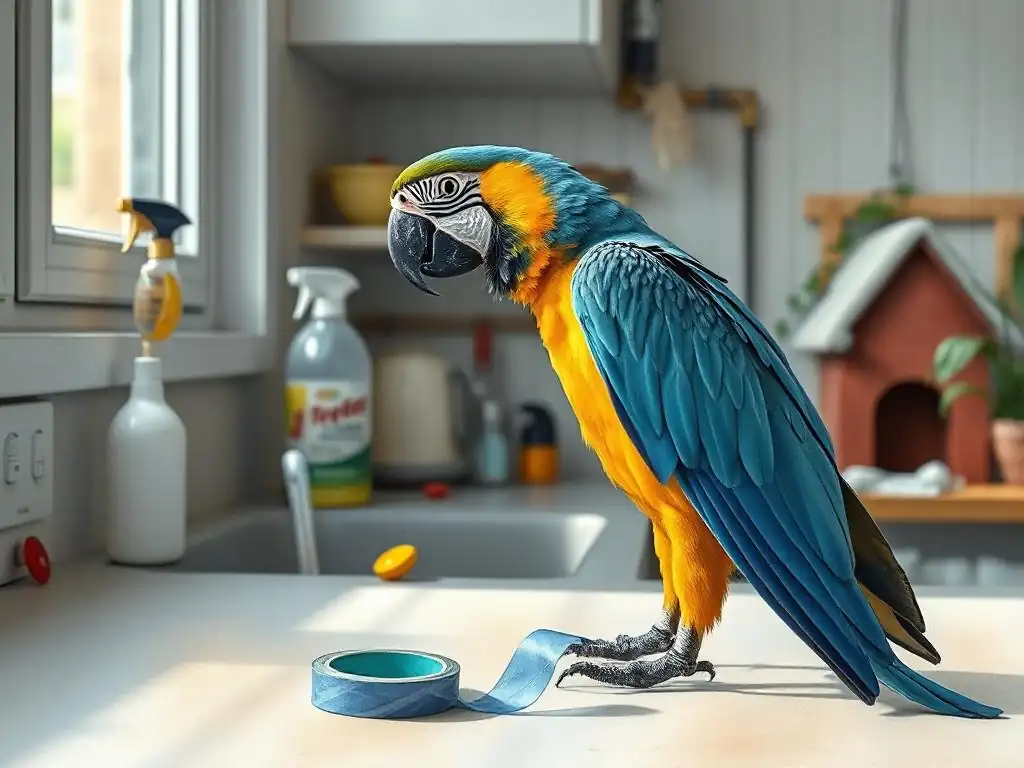
Macaw owners must be vigilant about household hazards. These magnificent birds are intelligent and curious, often exploring their environment with gusto. This inquisitiveness, while endearing, can lead to accidents if precautions aren't taken. Understanding common household threats is crucial for ensuring the safety and well-being of your macaw. This section details specific dangers and offers practical advice to minimize risks associated with macaw household safety hazards. Proper prevention is key to avoiding costly veterinary visits and, more importantly, protecting your beloved companion.
Toxic Plants and Foods for Macaws
Many common household plants are toxic to macaws. Even seemingly harmless greenery can cause serious illness or even death. Ingestion of toxic substances is a significant macaw household safety hazard. Avoid keeping these plants in areas accessible to your bird:
- Avocado: Contains persin, a toxin that can cause vomiting, diarrhea, and respiratory distress.
- Chocolate: Contains theobromine, a stimulant toxic to macaws and other birds. Even small amounts can be dangerous.
- Onions and Garlic: These contain compounds that damage red blood cells, leading to anemia.
- Caffeine: Found in coffee, tea, and soda, caffeine is a stimulant that can have serious consequences for macaws.
- Alcohol: Extremely toxic and potentially fatal.
- Xylitol: An artificial sweetener found in many sugar-free products, xylitol is highly toxic to dogs and also poses a significant threat to birds.
Further Examples of Toxic Plants:
- Tulips
- Lilies
- Azaleas
- Oleander
- Ivy
Remember, prevention is the best approach. Keep all potentially toxic plants and foods out of reach. If you suspect your macaw has ingested something toxic, contact an avian veterinarian immediately. Early intervention is critical. Always thoroughly research the safety of any plant or food before allowing your macaw access.
Household Cleaning Products and Their Dangers to Macaws
Household cleaning products represent a significant macaw household safety hazard. The fumes, even in small amounts, can be irritating and harmful to your bird's respiratory system. Ingestion can be fatal. Keep all cleaning supplies securely stored in cabinets with childproof locks, well out of your macaw's reach. This includes:
- Disinfectants: Strong chemicals that can cause severe respiratory problems, skin irritation, and even death if ingested.
- Bleach: Extremely corrosive and toxic. Even the fumes can be harmful.
- Air Fresheners: Many contain volatile organic compounds that can irritate your macaw's lungs.
- Pesticides: Highly toxic and should never be used in areas accessible to your bird.
- Furniture Polish: Often contains harmful chemicals that can be toxic if ingested.
| Cleaning Product | Hazard | Prevention |
|---|---|---|
| Disinfectants | Respiratory irritation, ingestion toxicity | Store securely, out of reach; use in well-ventilated areas |
| Bleach | Corrosive, toxic | Store separately, locked away; never mix with other chemicals |
| Air Fresheners | Respiratory irritation | Use sparingly or choose natural alternatives |
| Pesticides | Highly toxic | Use only outdoors, far from your bird's environment |
| Furniture Polish | Ingestion toxicity | Choose pet-safe products; store safely |
Always ensure adequate ventilation when cleaning. Consider using pet-friendly cleaning products specifically formulated to be safe around animals.
Dangers of Small Objects and Choking Hazards for Macaws
Macaws are naturally curious and prone to picking up and manipulating small objects. This makes them highly susceptible to choking hazards. A seemingly insignificant item can become a life-threatening obstruction. Common choking hazards include:
- Small toys: Ensure toys are appropriately sized and durable, avoiding those with small, detachable parts.
- Buttons: These are a particularly dangerous choking hazard.
- Paper clips and staples: Sharp and easily ingested.
- Rubber bands: Can be ingested and cause intestinal blockages.
- Food scraps: Ensure food pieces are appropriately sized to prevent choking. Avoid giving your macaw whole nuts or seeds.
Regularly inspect your macaw's environment for potential hazards. Remove anything small enough to be swallowed. Supervise your macaw closely, especially during playtime. A proactive approach to macaw household safety hazards is essential for ensuring a long and healthy life for your feathered friend. Remember, a safe environment is a happy environment!
Electrical Cords and Wires: A Serious Macaw Threat
Macaws, with their powerful beaks and innate curiosity, pose a significant risk to themselves when exposed to electrical cords and wires. Chewing on these items can lead to severe electric shock, potentially fatal injuries, and devastating house fires. The danger isn't just limited to exposed wires; even those neatly tucked away behind furniture can become irresistible targets for a determined macaw. Their strong beaks can easily strip insulation, exposing live wires and creating a dangerous situation for both the bird and the household.
Many macaw owners underestimate the persistent nature of these birds. A seemingly secure cord, hidden behind a cabinet or draped along a wall, might not remain safe for long. A macaw's intelligence and problem-solving skills often allow them to reach seemingly inaccessible areas. Therefore, proactive measures are essential to mitigate this risk. These preventative measures go beyond simply keeping cords out of reach; they necessitate a comprehensive assessment of the home environment to identify and eliminate all potential hazards.
Consider using cord protectors, routing cords in ways that are inaccessible to the bird, and, if possible, opting for cordless appliances whenever feasible. Remember, prevention is always better than cure when it comes to macaw safety, especially concerning electrical hazards. Regularly inspect cords and wires for any signs of damage, and immediately replace any compromised ones. This vigilance is crucial for safeguarding your beloved companion and your home.
Open Windows and Doors: Preventing Escapes and Falls
Open windows and doors represent a double threat to macaws: escape and falls. Macaws are naturally inquisitive and possess a strong flight instinct. An open window, even a small one, can be an irresistible invitation to explore the outside world—a world full of unseen dangers for a pet bird. Similarly, open doors can lead to unintended escapes, especially if the bird is startled or feels threatened. The consequences of an escape can range from minor inconvenience to serious injury or even death. Predators, traffic, and the unfamiliar environment all pose significant risks to a macaw outside its secure home.
Falls are another significant concern. Macaws are not small birds; a fall from even a moderate height can result in serious injuries, including broken bones and internal bleeding. Furthermore, the impact of a fall can lead to long-term health problems. Therefore, securing windows and doors is paramount to macaw safety. Using secure window screens specifically designed for birds is highly recommended, as standard screens are often easily compromised by a determined macaw.
Always ensure that windows are either completely closed or fitted with secure screens before leaving your macaw unsupervised. Similarly, keep doors closed or under close supervision, especially those leading to potentially dangerous areas. Remember, a moment's carelessness can have devastating consequences. Prioritizing safety measures around windows and doors is a crucial aspect of responsible macaw ownership. The peace of mind gained from knowing your bird is safe and secure is invaluable.
Securing Your Home for Macaw Safety
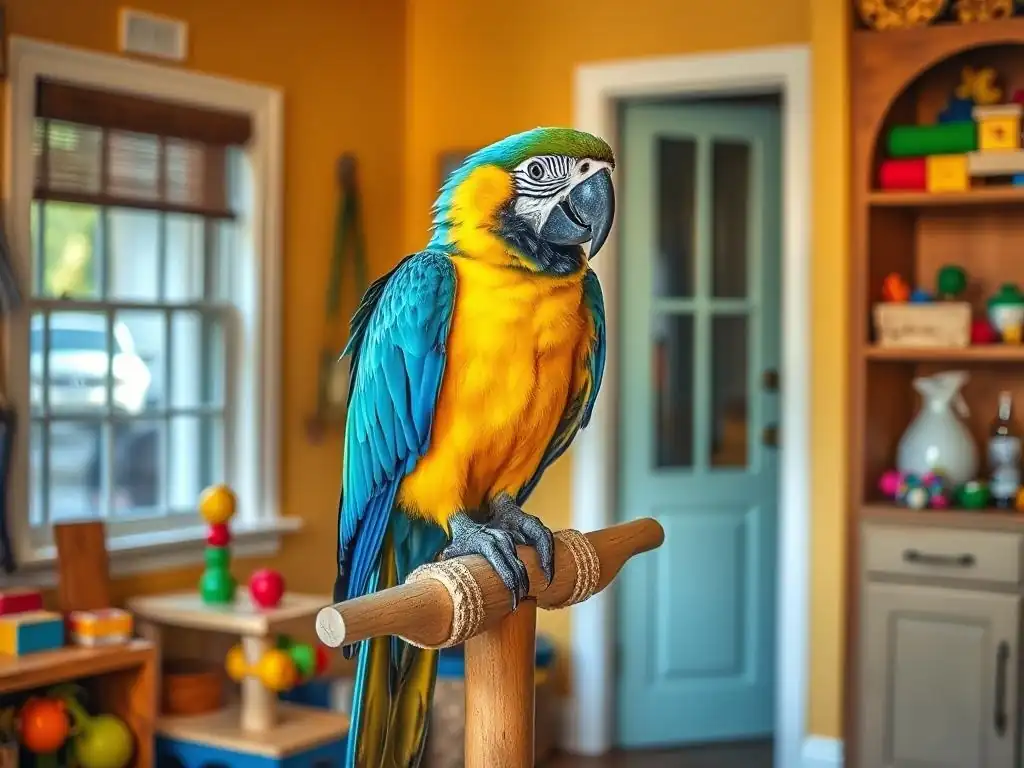
Macaw household safety hazards are a significant concern for responsible owners. These intelligent and active birds require a meticulously prepared environment to prevent accidents and injuries. Failing to macaw-proof your home can lead to serious consequences, ranging from minor injuries to life-threatening situations. This section details crucial steps to ensure your macaw's safety and well-being within your home. Remember, proactive measures are key to preventing accidents. A safe home environment is a happy and healthy home for your feathered friend. Let's explore some essential strategies for macaw safety.
Childproofing Your Home for Macaw Safety
Many childproofing techniques directly translate to macaw-proofing. Macaws, like toddlers, are naturally curious and prone to exploring their surroundings with their beaks and claws. Small objects that pose no threat to a child can be incredibly dangerous to a macaw. Think of it this way: Anything a toddler might put in their mouth is likely a hazard for your macaw.
Consider these crucial steps:
- Secure all small objects: This includes buttons, coins, beads, small toys, and even seemingly harmless items like rubber bands. Ingesting these can lead to choking hazards or internal injuries. Remember, a macaw's beak is incredibly powerful!
- Cover electrical outlets: Use safety covers designed for children; these prevent your macaw from accessing electrical wires, which can cause severe shocks or burns. Consider using outlet protectors specifically designed for pets.
- Secure electrical cords: Use cord covers or tuck cords away to prevent chewing. Chewing on electrical cords can lead to electrocution or internal injuries from ingesting cord fragments.
- Lock away cleaning supplies: Many household cleaning products are toxic to macaws. Store all cleaning supplies in securely locked cabinets. This is crucial for preventing accidental ingestion of poisonous substances. Ensure that the locks are strong enough to resist a determined macaw.
- Secure all medications: Medications, both human and pet, need to be kept in locked cabinets or high, inaccessible locations. Accidental ingestion of medication can have severe, even fatal consequences for your macaw.
Macaw-Proofing Kitchens and Bathrooms
Kitchens and bathrooms present unique challenges due to the presence of numerous potential hazards. These areas require extra attention to detail when macaw-proofing.
- Kitchen safety: Keep countertops clear of food and utensils. Macaws are adept at opening cabinets and drawers, so secure all cabinets containing food, cookware, or cleaning supplies. Avoid leaving out anything tempting, such as fruits, vegetables, or nuts, which might be toxic or cause digestive issues. Never leave a cooking stove unattended while your macaw is in the room.
- Bathroom safety: Store all cleaning products, medications, and toiletries in securely locked cabinets. Macaws can be drawn to the reflection in mirrors, so consider covering mirrors or placing them out of reach. Keep the toilet lid closed to prevent your macaw from drinking toilet water, which can contain harmful chemicals. Avoid using air fresheners or scented candles, as the strong fragrances can be irritating to your macaw's respiratory system. The fumes from some cleaning products can also be toxic.
Macaw-Proofing Living Areas and Bedrooms
Living areas and bedrooms should also be carefully macaw-proofed. While these areas might seem less hazardous than kitchens and bathrooms, they still contain potential dangers.
- Window safety: Ensure windows are securely locked or covered with strong mesh to prevent escapes. Macaws are powerful fliers and can easily break through weak screens. Consider using specialized bird-safe window coverings.
- Furniture safety: Inspect furniture for loose parts or sharp edges that could injure your macaw. Avoid leaving small, loose items on furniture that your macaw could swallow.
- Toxic plants: Remove or relocate any toxic plants from your living areas and bedrooms. Many common houseplants are poisonous to macaws. Research which plants are safe for birds before bringing them into your home.
- Textiles: While macaws enjoy chewing, avoid leaving valuable textiles or fabrics within their reach. They can quickly shred curtains, carpets, and furniture upholstery.
Remember, constant vigilance is crucial for maintaining a safe environment for your macaw. Regularly inspect your home for potential hazards, and adjust your macaw-proofing strategies as your bird matures and its behaviors change. A safe home is a happy and healthy home for your beloved companion. By implementing these preventative measures, you significantly reduce the risk of accidents and ensure a long and fulfilling life for your macaw. 🦜
Choosing Safe Toys and Perches for Your Macaw
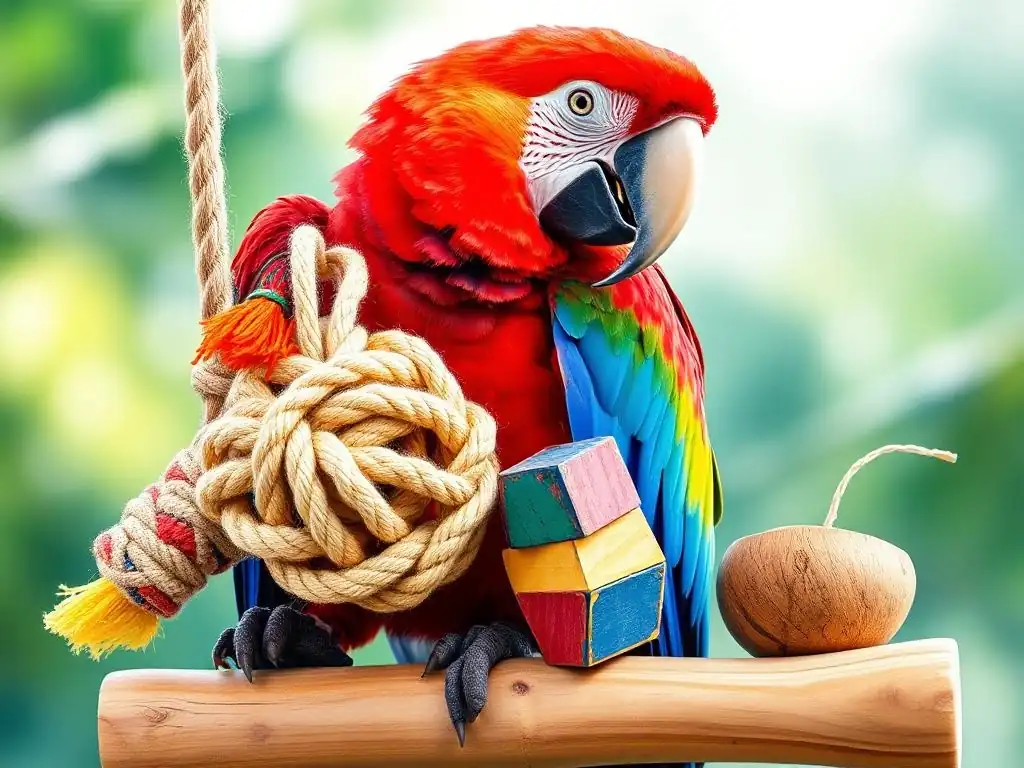
Macaws are intelligent and active birds requiring a stimulating environment to prevent boredom and destructive behaviors. Providing a variety of safe toys and perches is crucial for their physical and mental well-being, contributing significantly to macaw household safety. Unsafe toys can lead to ingestion of toxic materials, choking hazards, or injuries from broken pieces. Similarly, inappropriate perches can cause foot problems and discomfort.
When selecting toys, prioritize those made from natural, non-toxic materials like wood (ensure it's untreated and from a safe source), cotton rope, and stainless steel. Avoid toys containing small parts that could be easily swallowed, painted with lead-based paints (a significant macaw household safety hazard), or made from materials that could fray and create choking hazards. Regularly inspect toys for damage and replace them immediately if any wear and tear is observed.
A good rule of thumb is to rotate toys regularly to keep your macaw engaged and prevent them from becoming overly attached to one item, which could lead to distress if it's removed for cleaning or replacement. Consider toys that encourage foraging behavior, problem-solving, and chewing, mimicking natural behaviors and keeping your macaw mentally stimulated. This proactive approach significantly reduces the risk associated with macaw household safety hazards stemming from boredom-induced destructive behavior.
For perches, opt for a variety of sizes and materials to promote foot health. Natural wood perches, such as those made from branches of fruit trees (ensure they are pesticide-free! ), provide a more natural grip and encourage foot muscle development. Avoid perches that are too smooth or too small, as these can lead to foot problems. The diameters should vary to encourage your macaw to use different muscles in its feet.
Regularly inspect perches for splinters or damage and replace them as needed. The condition of perches is a vital aspect of macaw household safety, directly impacting their physical well-being. Ignoring this can lead to serious foot injuries, impacting their mobility and quality of life. Remember, a proactive approach to toy and perch selection is a cornerstone of comprehensive macaw household safety.
Proper Cage Placement and Security
The placement and security of your macaw's cage are paramount to ensuring its safety and well-being. An improperly placed cage can expose your macaw to various household hazards, while an insecure cage can lead to escape and potential injury or loss. Careful consideration of cage placement is a crucial element of macaw household safety.
Ideally, the cage should be positioned in a well-lit area, but away from direct sunlight, drafts, and excessive noise. Avoid placing the cage near windows where your macaw might be tempted to fly into the glass, a common cause of injuries. Similarly, keep the cage away from heating and cooling vents, as temperature fluctuations can be harmful.
The area surrounding the cage should be kept clean and free of clutter to prevent accidents. Consider the height of the cage; a higher placement can offer a better view of its surroundings, which benefits a bird's mental well-being, but ensure it's still easily accessible for cleaning and interaction. Remember, accessible placement is equally crucial for routine health checks and immediate intervention in case of emergencies.
Securing the cage is just as important. Ensure the cage is sturdy, with secure latches and locks that your macaw cannot easily open. Regularly check the locks and latches to ensure they remain functional. A clever macaw can find ways to escape if given the opportunity, potentially leading to dangerous situations.
Consider using additional security measures such as cage covers or safety clips to prevent accidental openings. Never underestimate your macaw's intelligence and problem-solving abilities—their escape artistry is a significant factor to consider when assessing macaw household safety. By carefully considering both placement and security, you create a safe and enriching environment for your feathered friend, mitigating potential household hazards and ensuring their overall well-being.
Emergency Preparedness for Macaw Owners
Owning a macaw is a rewarding experience, but it also comes with responsibilities, especially regarding safety. Being prepared for emergencies is crucial for ensuring the well-being of your feathered friend. Proactive measures, including knowing what to do in case of injury or poisoning, and having a readily available emergency kit, can significantly reduce the impact of unexpected situations and potentially save your macaw's life.
This section focuses on crucial steps to take to be prepared for various macaw emergencies, minimizing risks and maximizing your ability to respond effectively. Understanding potential hazards and implementing preventative measures is just as important as knowing how to react when an accident occurs. Remember, a well-prepared owner is a responsible owner.
First Aid for Common Macaw Injuries
Macaws, despite their robust appearance, can suffer injuries from falls, bites, or accidental encounters with household objects. Swift and appropriate first aid can be the difference between a minor setback and a serious complication. Knowing basic first aid techniques is essential for every macaw owner.
Here's a quick guide to addressing some common macaw injuries:
- Minor Cuts and Scrapes: Gently clean the wound with sterile saline solution. Apply a thin layer of antibiotic ointment (pet-safe formula) and monitor for infection. Signs of infection include increased swelling, redness, pus, or lethargy.
- Broken Feathers: While distressing, broken feathers usually heal on their own. Carefully trim any jagged edges to prevent further damage.
- Wing or Leg Injuries: If you suspect a fracture or dislocation, immediately seek veterinary attention. Do not attempt to manipulate the injury yourself. Keep your macaw calm and secure until professional help arrives.
- Bleeding: Apply gentle pressure to the wound using a clean cloth. If bleeding is severe or doesn't stop, seek immediate veterinary care.
Remember: This information is for guidance only. Always consult an avian veterinarian for diagnosis and treatment of any macaw injury. Early intervention is key to a positive outcome. Don't hesitate to contact your vet, even for seemingly minor injuries, as macaws can mask pain.
Identifying Signs of Macaw Poisoning
Macaw poisoning is a serious threat, often stemming from ingestion of toxic substances found in the home. Early detection is vital for successful treatment. Recognizing the signs of poisoning is paramount to your macaw's survival.
Symptoms of macaw poisoning can vary greatly depending on the toxin ingested. However, some common signs include:
| Symptom | Description |
|---|---|
| Lethargy | Unusual inactivity and sleepiness |
| Vomiting | Regurgitation of food or other substances |
| Diarrhea | Loose or watery stools |
| Tremors/Shaking | Uncontrolled muscle movements |
| Difficulty Breathing | Labored breathing or gasping for air |
| Seizures | Uncontrolled convulsions |
| Dilated Pupils | Enlarged pupils in the eyes |
| Weakness | Inability to perch or move normally |
| Loss of Appetite | Refusal to eat or drink |
If you suspect your macaw has been poisoned, immediately contact your avian veterinarian or an animal poison control center. Provide them with as much information as possible, including what you believe your macaw ingested, and the amount. Time is of the essence in treating poisoning.
Creating a Macaw Emergency Kit
Having a well-stocked emergency kit readily accessible can make all the difference in a crisis. This kit should contain essential supplies needed to provide immediate care while waiting for veterinary assistance. Preparing this kit in advance reduces stress and ensures you have everything you need when time is critical.
Your macaw emergency kit should include:
- [Specific information pending: List of appropriate medications, dosages, and administration instructions]
- Clean towels and cloths
- Sterile saline solution
- Pet-safe antibiotic ointment
- Small, sturdy carrier
- A list of emergency contacts (avian veterinarian, animal poison control center, etc.)
- Instructions on how to safely transport your macaw
- Any necessary documents (medical records, insurance information)
Regularly check your kit's contents, ensuring all items are present and not expired. This proactive approach to emergency preparedness will provide you with peace of mind, knowing you're ready to respond effectively to any situation. Remember, a well-prepared emergency kit is an investment in your macaw's well-being. 🐦
Finding an Avian Veterinarian: Importance of Preventative Care
Finding a qualified avian veterinarian is crucial for your macaw's well-being, even before an emergency arises. Preventative care is key to identifying and addressing potential health issues early, preventing them from escalating into life-threatening situations. Avian veterinarians possess specialized knowledge of avian anatomy, physiology, and diseases, understanding the unique needs of birds like macaws. Unlike general practitioners, they are equipped to diagnose and treat a wide range of avian-specific illnesses.
Regular check-ups are essential. These visits allow your avian vet to conduct thorough physical examinations, monitor your macaw's weight, and assess its overall health. Early detection of problems, such as feather plucking, respiratory issues, or digestive disorders, significantly improves the chances of successful treatment and a faster recovery. Your veterinarian can also advise you on proper diet, cage setup, and enrichment activities to promote your macaw's physical and mental health, reducing the likelihood of future emergencies.
Don't wait until your macaw is sick to seek professional help; proactive care is the best way to ensure a long and healthy life for your feathered friend. Remember to ask about preventative measures like vaccinations and parasite control specific to macaws. The investment in preventative care far outweighs the potential costs associated with emergency treatment.
The process of finding an avian vet might involve contacting your local animal hospitals and veterinary clinics to inquire about avian specialists. Online searches can also yield results, but it's vital to verify the veterinarian's qualifications and experience with macaws specifically. Reading online reviews from other bird owners can provide valuable insights into the quality of care offered.
Building a relationship with a trusted avian veterinarian is a vital step in responsible macaw ownership and is paramount to successfully navigating any emergency situation. Their expertise can make a significant difference in your macaw's overall health and longevity. Don't hesitate to schedule a consultation even if your macaw appears healthy; preventative care is an investment in their future.
Beyond the Home: Macaw Safety in Outdoor Environments
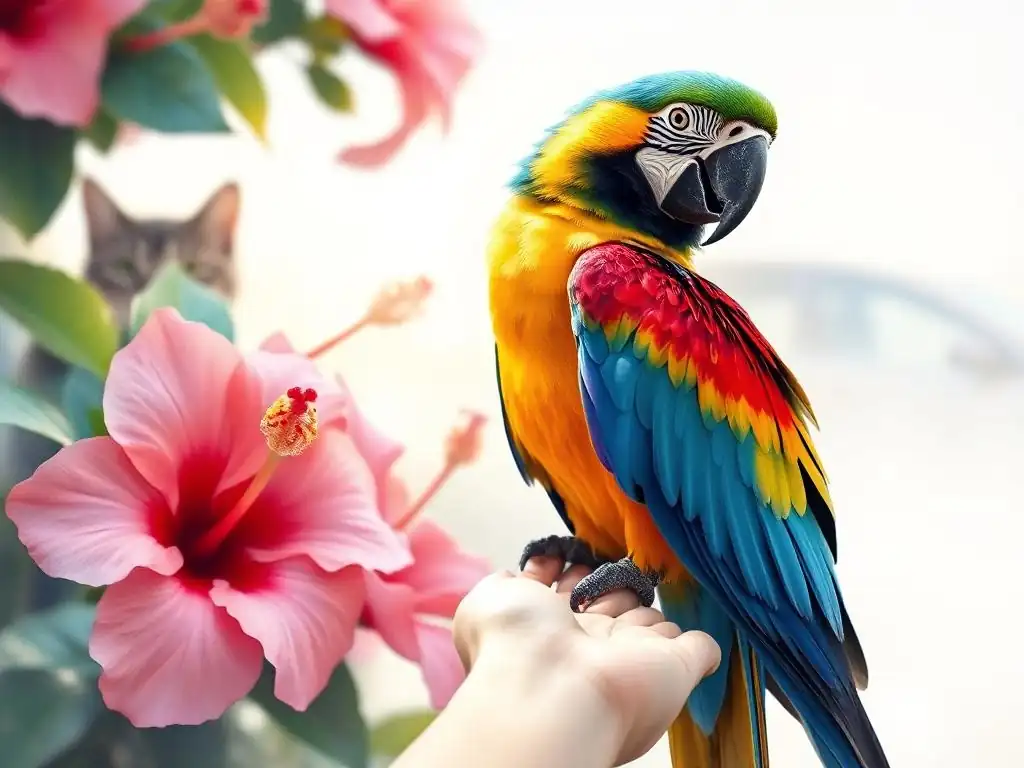
Macaw owners often desire to share the joy of their vibrant companions beyond the confines of their homes. However, venturing outdoors presents a unique set of challenges to macaw safety, demanding careful planning and meticulous attention to detail. Ensuring your macaw's well-being outside requires a proactive approach, mitigating potential risks and maximizing their enjoyment of fresh air and novel experiences. This section details crucial considerations for maintaining your macaw's safety in outdoor settings, focusing on supervised outings, predator protection, and safe travel arrangements.
Supervised Outdoor Time for Macaws: Safety Precautions
Providing supervised outdoor time for your macaw is a fantastic way to enrich their lives, offering stimulation and a change of scenery. However, even a short excursion demands rigorous safety protocols. Never, under any circumstances, allow your macaw unsupervised access to the outdoors. A seemingly secure environment can quickly become hazardous due to unforeseen events.
- Harness and Leash: A well-fitting, comfortable harness and leash are essential for controlled outdoor excursions. Ensure the harness is properly adjusted, allowing for comfortable movement but preventing escape. Regular checks are crucial to ensure the harness remains secure and hasn't become damaged. Consider using a brightly colored harness for increased visibility.
- Designated Area: Restrict your macaw's outdoor activity to a secure, enclosed area, such as a large aviary or a patio with netting. This prevents accidental flight and exposure to potential dangers. The area should be free from hazards like poisonous plants, sharp objects, and standing water.
- Constant Supervision: Never leave your macaw unattended, even for a moment. Their inquisitive nature and powerful beaks can lead to rapid trouble. Constant monitoring allows for immediate intervention if a problem arises.
- Environmental Awareness: Be mindful of your surroundings. Strong winds can easily carry a macaw away, and sudden noises can frighten them, leading to panicked flight or injury. Avoid areas with heavy traffic or potential disturbances.
- Weather Monitoring: Extreme temperatures, both hot and cold, pose significant risks to macaws. Avoid taking them outdoors during extreme weather conditions. Provide shade and water during hot weather and additional warmth during cold spells.
Protecting Macaws from Predators and Other Animals
Macaws are vulnerable to various predators, both in the air and on the ground. Protecting them requires understanding potential threats and implementing preventative measures. Even seemingly harmless animals can pose a risk, particularly to smaller macaws.
| Predator Type | Potential Threat | Prevention |
|---|---|---|
| Birds of Prey | Hawks, eagles, owls – can snatch macaws in flight | Avoid open areas, use a secure aviary or enclosure, limit outdoor time. |
| Domestic Animals | Cats and dogs – can injure or kill macaws | Keep macaws securely contained, avoid areas with unsupervised pets. |
| Wild Animals | Raccoons, foxes, snakes – can prey on macaws | Secure enclosures, avoid areas known for wildlife activity. |
| Other Macaws | Aggression from other macaws, especially during breeding season | Ensure your macaw is not threatened by other macaws. |
Understanding these threats allows for informed decision-making regarding outdoor activities. Remember, vigilance is key.
Traveling with Your Macaw: Ensuring Safe Transport
Traveling with a macaw requires careful planning and preparation to ensure their safety and comfort. Improper transport can lead to injury, stress, and even death. The method of transport depends on the distance and mode of travel.
- Carrier Selection: Choose a spacious, well-ventilated carrier suitable for your macaw's size. The carrier should be secure, preventing escape and protecting the bird from bumps and jostling. Line the bottom with absorbent material for easy cleaning.
- Food and Water: Provide your macaw with adequate food and water for the journey. Use travel-friendly food and water containers to prevent spills.
- Temperature Regulation: Maintain a comfortable temperature inside the carrier, especially during extreme weather. Avoid placing the carrier in direct sunlight or near heating/cooling vents.
- Rest Stops: For long journeys, plan regular rest stops to allow your macaw to stretch their wings and relieve themselves. Ensure the carrier remains secure during these stops.
- Documentation: Always carry appropriate documentation, such as health certificates and identification, especially when traveling across state lines or internationally.
Remember that proper planning and preparation are crucial for a safe and stress-free journey for your beloved macaw. Prioritizing their safety and comfort ensures a positive travel experience for both you and your feathered companion. ✈️
Maintaining a Safe and Stimulating Environment for Your Macaw
Creating a safe and stimulating environment is crucial for a happy and healthy macaw. Macaws are intelligent, active birds that require ample space and a variety of enrichment activities to prevent boredom and destructive behaviors associated with macaw household safety hazards. Neglecting these needs can lead to behavioral problems such as feather plucking, screaming, and biting. A properly prepared environment minimizes these risks and fosters a strong bond between you and your feathered friend.
Providing Enrichment Activities to Prevent Destructive Behavior
Boredom is a significant contributor to destructive behavior in macaws. Providing a variety of stimulating activities is key to keeping your macaw mentally and physically engaged. This includes offering a range of toys that challenge their intelligence and problem-solving skills. Rotate toys regularly to prevent boredom and maintain interest. Consider toys that involve foraging, shredding, or manipulating objects.
For example, puzzle feeders that dispense treats, wooden blocks for chewing, and foraging toys hidden within their cage or play area offer engaging challenges. Remember, a macaw's beak is a powerful tool, so toys should be durable and safe. Avoid toys made of toxic materials or those that could easily break into small pieces that your macaw could ingest. Providing a variety of textures and materials also enhances the stimulation.
Think outside the box! Consider offering safe, natural branches for chewing, or create a "foraging station" with a variety of healthy treats hidden in different locations within their play area. This simulates their natural foraging behavior and keeps them actively engaged.
The key is to observe your macaw's preferences and adjust the enrichment accordingly. Note the toys your macaw interacts with the most and prioritize those types of enrichment in the future. Remember, consistent engagement with varied toys significantly reduces the likelihood of destructive chewing on furniture or other household items – a major component of macaw household safety hazards.
Regular Cage Cleaning and Hygiene Practices
Maintaining impeccable hygiene within your macaw's cage and surrounding areas is paramount for their health and well-being, contributing significantly to preventing macaw household safety hazards. Macaws are prone to certain bacterial and fungal infections, and a dirty cage provides the perfect breeding ground. Regular cleaning helps prevent these health issues and keeps your macaw's environment safe and sanitary.
A thorough cleaning should be performed at least once a week. This includes removing all perches, toys, and food and water dishes. Wash these items thoroughly with warm soapy water, rinsing them well and allowing them to air dry completely before returning them to the cage. The cage itself should be scrubbed with a pet-safe disinfectant, ensuring all crevices are cleaned to remove accumulated waste and bacteria.
Pay particular attention to the bottom of the cage, where droppings accumulate. Use paper towels or cage liners to absorb moisture and prevent the spread of bacteria. Avoid using harsh chemicals that could be toxic to your macaw.
Always rinse thoroughly to remove all traces of cleaning products. Fresh food and water should be provided daily. Regular cleaning is not just about hygiene; it's a crucial aspect of preventing illness and maintaining a safe and healthy environment for your macaw, directly addressing concerns surrounding macaw household safety hazards.
Macaws are highly social creatures that thrive on interaction and companionship. Lack of sufficient interaction can lead to behavioral problems, including aggression, self-mutilation, and depression. Regular socialization is essential for their emotional and psychological well-being. This involves spending quality time with your macaw every day, engaging in activities that they enjoy.
Talking to your macaw, playing games, and providing opportunities for physical interaction, such as gentle petting or scratching, strengthens the bond and helps prevent behavioral issues. Consider supervised playtime outside the cage in a safe, macaw-proofed area. This allows for more extensive interaction and provides opportunities for exploration and exercise. However, remember constant supervision is necessary to mitigate macaw household safety hazards during these sessions.
Ignoring the need for socialization can result in a variety of undesirable behaviors. A lonely or neglected macaw may become aggressive, exhibiting biting or screaming behavior as a way to seek attention or express frustration. They may also engage in self-destructive behaviors like feather plucking. Providing ample opportunities for interaction and socialization significantly reduces the risk of these problems, promoting a happier, healthier, and better-adjusted macaw. Remember, a well-socialized macaw is a safer macaw, contributing to a more harmonious household environment and minimizing potential macaw household safety hazards.
Frequently Asked Questions
What are some common household hazards for macaws?
Macaws are intelligent and curious birds, prone to chewing on things. Toxic household cleaners, certain foods (like chocolate and avocado), and small objects they can swallow are major dangers. Always keep these items out of reach.
How can I macaw-proof my home?
Secure all potentially dangerous items in cabinets or high, inaccessible places. Cover electrical cords and use childproof latches on cabinets. Provide your macaw with plenty of safe chew toys to redirect their chewing instincts.
What foods are toxic to macaws?
Many common foods are poisonous to macaws. Avoid chocolate, avocado, caffeine, alcohol, and uncooked beans. Always research the safety of any new food before offering it to your macaw. Stick to a nutritionally balanced diet recommended by an avian vet.
What should I do if my macaw ingests something toxic?
Immediately contact your avian veterinarian or an animal poison control center. Time is critical in these situations. Be prepared to describe what your macaw ingested and how much.
Are there specific toys I should avoid giving my macaw?
Avoid toys with small parts that can be swallowed, toys made of toxic materials, or toys that are easily destroyed and create dangerous debris. Choose durable, bird-safe toys made from natural materials, and always supervise playtime.
Final Reflection: A Feather's Worth of Caution: Ensuring Macaw Safety
The vibrant plumage of a macaw masks a delicate reality: these magnificent birds are surprisingly vulnerable within our seemingly safe homes. Ignoring the potential dangers lurking in our everyday lives can have devastating consequences for these intelligent and sensitive creatures. Their well-being depends entirely on our vigilance and proactive approach to safety.
The responsibility of providing a secure environment for our macaws extends far beyond simply providing food and water; it's about creating a sanctuary where they can thrive without fear of harm. This requires constant awareness and a willingness to adapt our lifestyles to accommodate their unique needs. As the renowned avian veterinarian, Dr. Susan Clubb, once stated, The bond we share with our companion parrots demands a commitment to their safety, a commitment that transcends convenience and prioritizes their well-being.
This quote underscores the profound ethical responsibility we bear as macaw owners. The subtle hazards we often overlook – from toxic household cleaners to seemingly innocuous electrical cords – can pose significant threats to their health and longevity.
Now, consider your own home. Take a moment to look around with fresh eyes, assessing your environment from the perspective of your feathered friend. Are there potential dangers you may have previously overlooked? What small changes can you implement today to create a safer, more enriching space for your macaw? By actively engaging in this process of mindful observation and proactive safety measures, you are not only protecting your beloved companion but also deepening the bond you share, ensuring a long and happy life together.
Unlock a Safer World for Your Macaw!
Thank you for taking the time to learn about keeping your amazing macaw safe and sound. You now have the knowledge to create a truly secure haven for your feathered friend! Let's put that knowledge into action.
- Prioritize one key hazard removal today: Identify the biggest potential danger in your home for your macaw and eliminate it immediately. For example, remove any toxic plants or secure loose wires. This small step makes a significant difference.
- Share this crucial safety guide with fellow macaw owners! Spread the word and help create a safer environment for these magnificent birds. You might even learn some new tips from other owners!
- Explore more advanced macaw safety resources on PetCareWorld.org. We are constantly adding new content to help keep your parrot happy and healthy.
Ready to make your home a macaw paradise? What will you tackle first to ensure your feathered companion's safety?