Bird Nutrition 101: Making the Right Choice Between Seeds and Pellets
🤔 Confused about seeds vs. pellets for your feathered friend? PetCareWorld's "Bird Nutrition 101" reveals the optimal diet, helping you choose the…
Read article
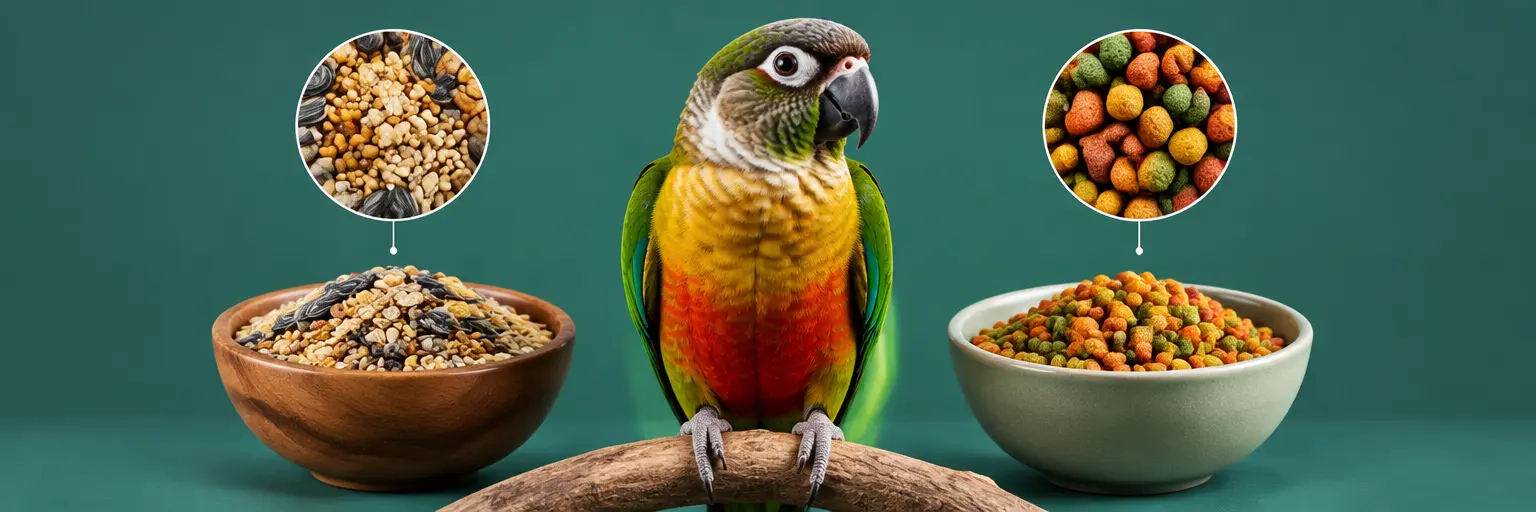
Choosing the right diet for your feathered friend is one of the most impactful decisions you can make for their long-term health and happiness. When comparing seed vs pellet diets, it’s essential to understand that while seeds are a natural favorite, they often lack the balanced vitamins and minerals birds need, acting more like candy than a complete meal. Our expert-backed guide breaks down the nutritional pros and cons, helping you navigate the shift to a pellet-based diet for superior avian wellness. Discover how to transition your bird smoothly, which seeds are safe as occasional treats, and why veterinarians recommend pellets as the cornerstone of a thriving bird’s nutrition plan. Whether you have a parakeet, cockatiel, or macaw, this resource empowers you to make informed choices for a more vibrant and energetic companion.
🤔 Confused about seeds vs. pellets for your feathered friend? PetCareWorld's "Bird Nutrition 101" reveals the optimal diet, helping you choose the…
Read article
😊 Discover the nutritional benefits of high-quality bird pellet food. Learn why a balanced formula, from leading brands, is crucial for your…
Read article
🤔 Discover why veterinarians often recommend pellets for your pet. This article explores the nutritional benefits of a balanced diet, including how…
Read article
🤔 Discover the crucial role of fatty acids in your bird's diet! Learn which seed and pellet options provide the best bird…
Read articleChoosing the right diet for your feathered friend is one of the most critical decisions you’ll make as a bird owner. At PetCareWorld, we understand that navigating the debate between seed-based and pellet-based nutrition can be overwhelming. This comprehensive guide breaks down the pros, cons, and scientific facts behind both options, empowering you to create a balanced, species-appropriate meal plan that supports optimal health, vibrant plumage, and a longer lifespan. Whether you care for a parakeet, cockatiel, or macaw, understanding the nutritional nuances is the foundation of responsible bird care.
Seeds are a natural part of many birds’ wild diets, but they are not a complete nutrition source in captivity. Most commercial seed mixes are high in fat and low in essential vitamins like A, D3, and calcium, which can lead to obesity, fatty liver disease, and weakened immune systems over time. However, seeds offer excellent enrichment value—birds enjoy foraging, cracking shells, and the varied textures, which stimulates natural behaviors and reduces boredom.
For a healthy approach, seeds should be offered as a treat or a small percentage (10-20%) of the daily intake, not as the primary staple. Opt for sprouted seeds, which are lower in fat and higher in protein and enzymes, or mix seeds with fresh vegetables to boost micronutrient density. Always choose high-quality, human-grade mixes without added dyes or preservatives, and rotate seed varieties to prevent picky eating habits.
Pellets were developed by avian veterinarians to solve the nutritional deficiencies seen in all-seed diets. They are formulated to provide a balanced, consistent ratio of proteins, carbohydrates, fats, vitamins, and minerals in every bite. This precision eliminates the “selective eating” problem where birds pick out favored seeds and leave the rest, leading to malnutrition. High-quality pellets, such as those from Lafeber or Harrison’s, are extrusion-cooked to improve digestibility and nutrient absorption.
Transitioning to pellets can be challenging, as birds often resist unfamiliar textures and flavors. Start by mixing pellets in increasing proportions with seeds over 2-4 weeks, or crush pellets on top of familiar foods like mashed sweet potato. Once established, pellets should constitute 70-80% of your bird’s diet, supplemented with daily fresh vegetables and occasional fruit. Many owners report brighter feathers, more energy, and fewer health vet visits after switching to a predominantly pellet-based diet.
Avian veterinarians overwhelmingly recommend a pelleted base for companion parrots due to the alarming rates of seed-induced diseases. Obesity, atherosclerosis, and vitamin A deficiency are the top three preventable conditions in pet birds, all strongly linked to seed-heavy diets. A 2022 study in the Journal of Avian Medicine found that parrots on >50% seed diets had 40% higher mortality risk within 10 years compared to pellet-fed peers. Pellets also reduce the risk of egg binding in females due to stable calcium ratios.
Conversely, an all-pellet diet without fresh foods can miss out on phytochemicals and antioxidants found in plants. The ideal “golden ratio” is 70% pellets, 25% vegetables, and 5% seeds/nuts for most species. For specialized birds like lories that need nectar, or softbills that require insect protein, consult an avian vet for tailored ratios. Regular annual check-ups with blood work are essential to catch early deficiencies regardless of your feeding strategy.
Why choose when you can combine? A hybrid approach leverages the convenience and complete nutrition of pellets while retaining the behavioral benefits of seeds. Create a daily feeding routine where pellets are available all day in a dish, but seeds are only given in puzzle feeders, hidden in foraging toys, or sprinkled over fresh chop (a mix of finely chopped veggies, legumes, and whole grains). This mimics natural scavenging and keeps your bird mentally sharp.
Foraging enrichment reduces feather plucking and screaming, common stress behaviors. Try offering a small amount of seeds inside a paper muffin cup or a cardboard tube. Alternatively, use seeds as a training reward—this prevents overconsumption while reinforcing positive behaviors. Remember that portion control is key: an average cockatiel needs only 1-2 teaspoons of seeds per day, while a large macaw can have 1-2 tablespoons. Adjust based on activity level and body condition score.
A sudden diet switch can cause starvation or severe stress, as birds are neophobic (fearful of new foods). The safest method is the slow weaning process over 2-4 weeks. Begin by mixing 25% pellets with 75% current food, then gradually increase every 3-4 days. Monitor daily food intake—if consumption drops significantly, slow down the ratio change. For very stubborn birds, try mashing pellets with a bit of unsalted organic peanut butter or applesauce to make them more palatable.
Another trick is to serve new foods in the morning when birds are hungriest, removing uneaten fresh items after 2-3 hours to prevent spoilage. Weigh your bird every other day during transition; a weight loss of more than 5% is a warning sign to revert to a previous ratio. Never fast your bird to force pellet acceptance. With patience and consistency, most birds fully adapt within six weeks, especially if you eat alongside them and show enthusiasm for the food.
No, this is not recommended. Supplements rarely compensate for the poor fat-to-protein ratio and lack of calcium in seeds. Over-supplementation can cause toxicity, particularly with fat-soluble vitamins A and D3. Even with powder added, seeds still lack essential amino acids like lysine. A better compromise is sprouted seeds, which are nutritionally superior and closer to pellets in protein content.
The amount varies by species and bird size. As a general rule, a budgie or cockatiel needs about 1.5-2 tablespoons of pellets daily, while an African grey or Amazon needs 1/4 to 1/3 cup. An eclectus or macaw may require 1/2 cup. Always provide 10-15% more than they consume to account for waste, and measure by weight rather than volume for accuracy.
Try mixing crushed pellets into warm, moist foods like scrambled eggs, quinoa, or mashed banana. You can also offer pellets in a separate bowl while showing the bird that you’re eating them yourself. Some owners have success with “pellet bread” recipes baked into small biscuits. If after 6-8 weeks there’s no progress, consult your avian vet about a prescription diet or appetite stimulant.
Yes, for many owners. Organic pellets are grown without synthetic pesticides and often use non-GMO ingredients, reducing toxin load on your bird’s liver and kidneys. They also include more natural preservatives like mixed tocopherols instead of ethoxyquin. If budget is tight, prioritize a well-known brand with AAFCO approval over organic certification, as both provide balanced nutrition.
Yes, especially a diet of sunflower and safflower seeds. These are excessively high in fat (up to 50%) and low in methionine, an amino acid essential for liver detoxification. Over time, this can lead to hepatic lipidosis (fatty liver) and renal insufficiency. High-fat diets also stress the kidneys by increasing uric acid production. Early signs include lethargy, flaky beak, and swollen abdomen—seek vet care immediately.