Bird Body Language in Different Species: Variations and Common Traits
🤔 Unlock the secrets of avian communication! This Bird body language guide explores the diverse signals of different bird species, highlighting both…
Read article
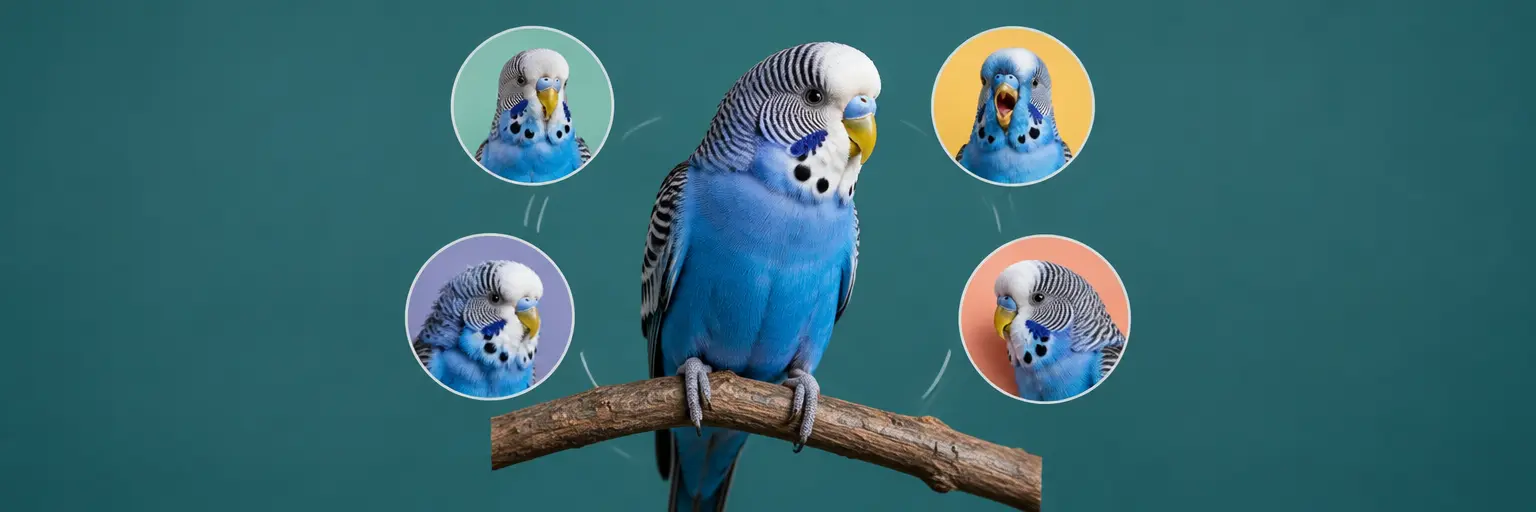
Discover the hidden world of your feathered friend with our expert guide to understanding bird body language—your key to a deeper, more trusting bond. Birds are masters of subtle expression, using every tilt, flutter, and feather to communicate their needs, moods, and health. By learning to decode these signals, you can prevent stress, avoid bites, and recognize early warning signs of illness, ensuring a happier, safer environment for your companion. From the meaning behind pinning pupils and fluffed feathers to the significance of tail bobbing or wing drooping, our insights help you respond confidently to your pet’s emotional state. Whether you’re a new bird parent or a seasoned enthusiast, mastering this silent language transforms routine care into a rewarding conversation. Ready to listen with your eyes? Unlock the secrets of avian communication and watch your relationship soar—because every happy bird deserves to be truly heard.
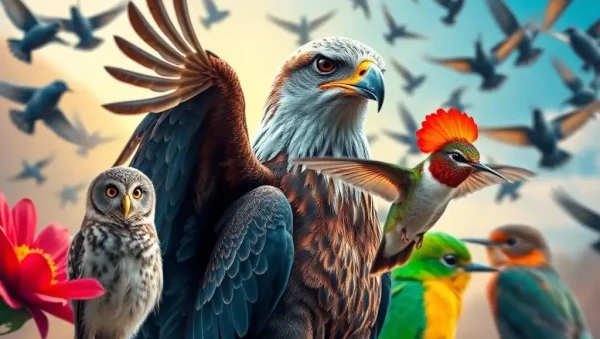
🤔 Unlock the secrets of avian communication! This Bird body language guide explores the diverse signals of different bird species, highlighting both…
Read article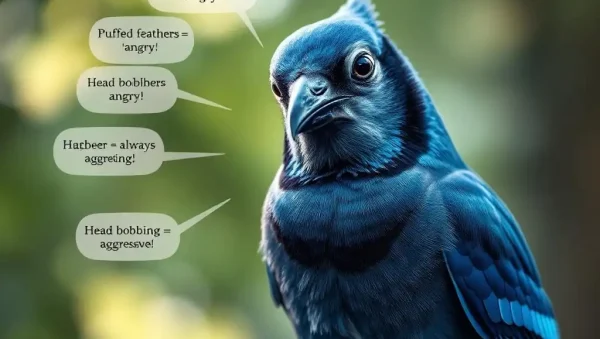
😊 Unravel the truth behind common bird body language misconceptions! PetCareWorld debunks popular myths, offering expert insights to help you truly understand…
Read article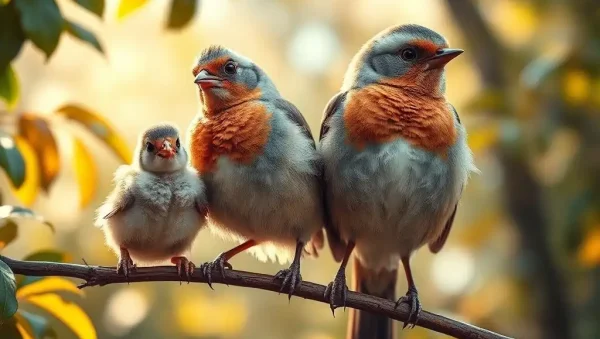
😊 Discover how your feathered friend's actions shift with age! PetCareWorld explores bird behavior age changes, offering insights into understanding and caring…
Read articleWelcome to PetCareWorld’s dedicated guide on understanding bird body language—a crucial skill for every bird owner. Unlike dogs or cats, birds communicate primarily through subtle postures, feather positions, and eye movements. Misreading these signals can lead to stress, biting, or even health issues. This subcategory unpacks the silent vocabulary of parrots, budgies, cockatiels, and other companion birds, helping you build a stronger, trust-based bond. Expect actionable tips, science-backed insights, and real-world examples to transform how you observe and respond to your pet’s emotional state.
Feathers are your bird’s first language. When a bird fluffs its feathers, it may be relaxing, regulating temperature, or preparing for sleep—but if accompanied by a tucked head, it might indicate illness. Conversely, tightly pressed feathers signal fear, aggression, or cold. Pay attention to the “slicked back” look during excitement or courtship, and watch for “pin feathers” during molting, which often make birds irritable. Rapid feather fluffing followed by shaking is a normal settling behavior, while excessive preening in one spot could signal skin irritation or boredom.
Understanding these nuances helps you intervene early. For instance, a bird that repeatedly fans its tail feathers in a specific way may be displaying dominance or warning you to back off. By consistently observing feather posture alongside vocalizations, you can accurately gauge whether your bird is content, playful, or stressed. This knowledge is especially vital when introducing new toys, handling your bird, or adjusting its environment. Regular feather checks also serve as an early health screen—dull, ragged feathers often indicate nutritional deficits or underlying conditions.
Eye “pinning” (rapid constriction and dilation of the pupils) is one of the most expressive bird behaviors. In parrots, pinning often signals intense interest, excitement, or arousal—sometimes positive, sometimes a precursor to a bite. Slower, gradual dilation usually indicates calmness, while extremely constricted pupils may point to fear or aggression. Combine eye signals with head posture: a bird that leans forward with pinned eyes is likely curious, whereas one that draws back may feel threatened. Observing both eyes equally is crucial, as some birds pin only one eye during focused attention.
Learning to read eye cues prevents many common accidents. For example, a cockatoo that pins its eyes while you approach may happily accept a scratch, but if the pinning is paired with raised crest feathers, it likely wants space. This subcategory teaches you to observe eye movement in tandem with other body parts—wings, beak, and stance—so you can predict a bite before it happens. Over time, you will recognize your bird’s unique baseline, since individual birds vary in expressiveness. This skill builds trust, as you’ll respect their boundaries and reward positive interactions.
Tail movements are rich in meaning. A rapid tail wag (like a dog) in a bird often indicates happiness or excitement, especially when combined with soft chirping. However, a tail fanning paired with a lowered head is a classic aggressive display—common in Amazon parrots defending territory. Wing fluttering can mean exercise, nervousness, or a demand for attention, depending on speed and context. Rhythmic “wing drumming” in males may be a courtship ritual, while rapid, jerky flutters could indicate frustration. Bowing is usually an invitation to play, but a deep bow with feathers raised may be a threat posture.
Understanding these distinctions helps you respond appropriately. If your bird wags its tail while seeing you, it’s a clear sign of positive bonding. If it fans its tail and hisses, immediately remove the stimulus (like a mirror) to prevent escalation. The subcategory guides you through scenario-based interpretation, such as what to do when your conure flutters during a new toy presentation versus when it flutters during a bath. Recognizing these patterns reduces behavioral problems and increases enrichment, as you’ll know when to engage or step back.
Beak grinding (a soft, rhythmic side-to-side motion) is a universal sign of contentment and safety—many birds do it right before sleep. Beak clicking, however, is more complex: a sharp, rapid click often signals a warning or invasive behavior, while a slow, audible click may be a greeting. Tongue movements, such as flicking or tasting, can indicate curiosity, while bobbing the tongue rapidly may precede a bite. Hissing typically accompanies an open beak and is an unmistakable defensive signal. The context matters: a bird that grinds its beak while perched near you is relaxed, but the same bird clicking its beak when you reach into its cage is clearly asking you to stop.
This subcategory helps you differentiate between soothing and stressful sounds. By recognizing that beak grinding is positive, you can avoid disturbing your bird during its wind-down routine. Conversely, if you hear clicking, you’ll know to pause and read other body cues. Over time, you’ll also learn that some birds click their beaks as a form of vocal mimicry, which requires attention to accompanying signals. Mastering these auditory-kinesthetic links enhances your ability to create a calm environment, reducing anxiety for you and your pet.
Feet offer vital clues about mood. One foot tucked up while standing often means relaxation and warmth conservation, whereas both feet gripping the perch tightly with fluffed feathers may indicate fear or discomfort. A bird that repeatedly offers its foot may be asking for a step-up, but a rapid foot lift aimed at you can be a bite attempt. Biting itself is a last-resort signal—often preceded by subtle warnings like leaning away, flattening the body, or pinning eyes. Young birds may “mouth” as exploration, but adult biting typically signifies territory, pain, or fear. Recognizing early foot and body tension helps you avoid painful encounters.
We also cover how to respond safely: never pull back sharply, as that can reinforce biting. Instead, slowly remove your hand and assess the environment for triggers, like other pets or loud noises. The subcategory provides step-by-step desensitization techniques for hand-shy birds, focusing on positive reinforcement. By learning foot and postural cues, you’ll not only prevent bites but also teach your bird that your hands are safe. This section underscores the importance of respecting a bird’s “stop” signals, which builds long-term trust and reduces injury risk for both of you.
Occasional fluffing and shaking is normal for preening or resetting feathers. However, continuous fluffing with shivering can indicate cold, illness, or stress. Check the room temperature, look for other signs like reduced appetite or lethargy. If the behavior persists for more than a few hours, consult an avian veterinarian to rule out metabolic or infectious diseases.
Rapid eye pinning usually signals intense arousal, excitement, or curiosity—but it can also precede a bite if paired with tense posture. Watch for accompanying signals like raised neck feathers or a fixed stare. If your bird’s pinning is paired with a relaxed body and soft vocalizations, it’s likely playful. Always approach cautiously when pinning is sudden.
No. While a gentle, rhythmic tail wag often indicates contentment, a vigorous tail fanning with a lowered head is a sign of aggression. Also, rapid tail flicking can indicate irritation or anxiousness. Always interpret tail movement in context—what is the rest of the bird doing, and what is happening around it? Time and observation will clarify your bird’s unique patterns.
Yes, beak grinding is a normal, positive behavior that signals relaxation and security. Many birds grind their beaks before napping or at night. It’s similar to a cat purring. If your bird also has calm eyes and relaxed feathers, you can confidently leave it to settle. Just ensure it has a comfortable perch and a quiet environment.
Common warning signs include eye pinning, rapid tongue flicking, raised feathers on the neck, a lowered head, and hissing or clicking. The bird may also lean away or grip the perch tighter. If you see any of these, stop approaching and give it space. Never punish the warning signals; instead, respect them and slowly change your positioning.