The Role of Patience in StepUp Training: A Guide for Frustrated Owners
😊 Frustrated with StepUp training? Our guide reveals the crucial role of patience in successfully teaching your dog this valuable skill. Discover…
Read article
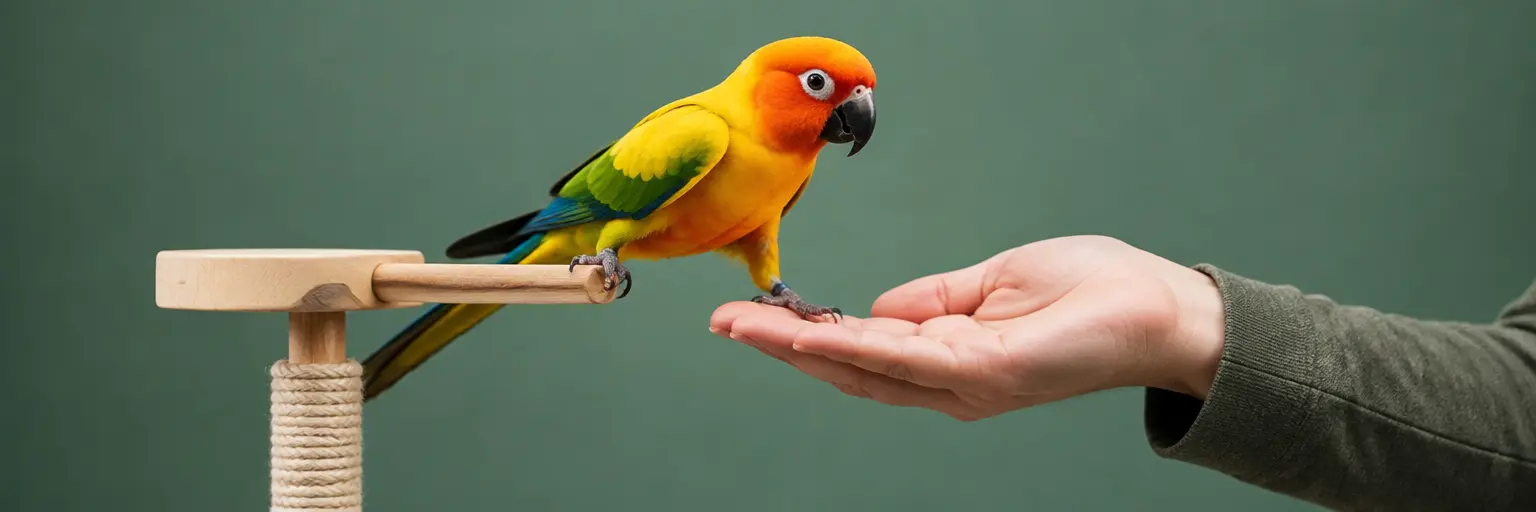
Step-up training for birds is a fundamental and rewarding technique that builds a foundation of trust, confidence, and positive interaction between you and your feathered companion. By teaching your parrot, cockatiel, or budgie to calmly and willingly step onto your hand or a perch, you open the door to safer handling, easier vet visits, and a stronger bond that reduces biting and fear. Our expert-guided methods emphasize positive reinforcement and practical, stress-free steps that work for birds of all ages, from young chicks to rehomed adults. Instead of forcing the behavior, you’ll learn to read your bird’s body language, build a reliable cue, and create a routine that makes every session a fun, rewarding experience for both of you. Whether you’re a first-time bird owner or looking to refine your training skills, our step-by-step strategies turn this simple exercise into a powerful tool for lifelong harmony and communication. Discover how consistent, gentle practice can transform your bird’s confidence, reduce nippiness, and make handling a breeze—unlock the secret to a happier, more cooperative pet today.
😊 Frustrated with StepUp training? Our guide reveals the crucial role of patience in successfully teaching your dog this valuable skill. Discover…
Read article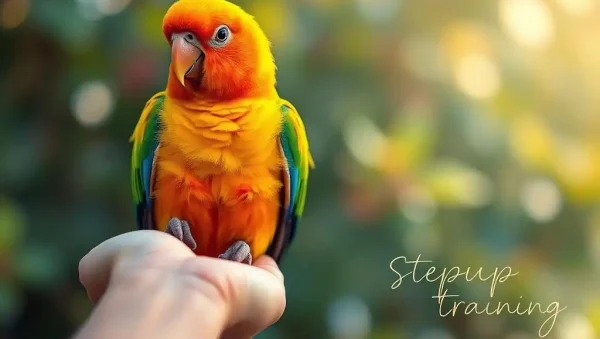
😊 Master the art of handling your feathered friend with PetCareWorld's essential Bird step-up training guide. Learn safe, effective techniques for building…
Read article
😊 Establish a consistent bird step-up training routine for optimal results. PetCareWorld shows you how consistent, daily practice builds trust and reliable…
Read articleStep-up training is the cornerstone of positive bird parenting, teaching your feathered friend to climb onto your hand or a perch on command. This foundational skill not only strengthens your bond but also makes daily handling, vet visits, and grooming far less stressful. At PetCareWorld, we believe every bird owner should master this gentle, reward-based technique. This guide covers everything from beginner basics to advanced troubleshooting, ensuring your parrot, cockatiel, or budgie becomes a confident, willing stepping companion. Discover how to use treats, body language, and consistency to turn trust into a lifelong habit.
Step-up training is not just a cute trick—it is a critical safety and wellness tool. Birds that refuse to step up often become fearful, aggressive, or prone to biting when forcibly handled. By teaching this voluntary behavior, you reduce stress hormones and avoid the trauma of towel grabs or glove handling. For smaller birds like lovebirds and parrotlets, step-up training prevents accidental drops; for larger species like macaws, it prevents serious bites.
Beyond safety, step-up training opens the door to other advanced behaviors like recall, target training, and cooperative nail trims. A bird that steps up reliably is easier to transport in emergencies, socialize with family members, and integrate into busy households. This training also stimulates mental enrichment, as birds learn to associate your hand with positive outcomes rather than fear. Consistency is key—spend 3-5 minutes daily, and you will see remarkable progress within two weeks.
Before you begin, gather high-value rewards that your bird only receives during training. For most parrots, tiny pieces of sunflower seeds, millet spray, or chopped almonds work wonders. Avoid fatty treats if your bird is prone to obesity; instead, use safflower seeds or small bits of fruit. You will also need a portable perch (like a T-stand) for birds that are hand-shy, and a clicker if you use clicker training methods.
Choose a quiet, distraction-free room where your bird feels secure. Remove mirrors, toys, and other birds to maintain focus. A training table or the top of your bird’s cage works well, but never force a bird from inside its cage—this can trigger territorial aggression. Start with your hand at chest level, offering a treat through the cage bars first. Once your bird eagerly takes treats, slowly open the door and present a flat, stable hand with fingers together. Patience is your best tool; rushing creates setbacks.
Begin by positioning your hand slightly below your bird’s belly, gently pressing against its lower chest. The natural response is to step up to gain balance. Immediately say “step up” in a cheerful voice, then reward with a treat and praise. For nervous birds, use a perch held near your hand, then gradually switch to a finger. Repeat this 5-10 times per session, but stop before your bird shows signs of boredom or frustration.
If your bird refuses, never push or lift it forcibly—this breaks trust. Instead, try the “ladder technique”: place a treat on your palm and wait for your bird to climb on voluntarily. For stubborn birds, gently rock your hand from side to side, which encourages stepping. Always end on a positive note, returning your bird to its cage with a favorite treat. Over time, reduce treat frequency to every third success, replacing treats with head scratches or verbal praise. Consistency beats lengthy sessions—short daily practice is far more effective than occasional marathon training.
One frequent issue is biting during step-up attempts. This usually signals fear or misunderstanding. If your bird lunges, remove your hand slowly, then rebuild trust with luring—hold a treat at arm’s length to guide the bird onto your wrist. Another common problem is the “step-up and immediately step off” behavior. To counteract, offer a treat while the bird stays perched, then gradually extend the duration before rewarding.
For birds that only step on a perch but not fingers, practice with a short, thick perch before switching to your arm. Consistency of verbal cues is vital; use the same phrase “step up” every time, and avoid “up” for other actions. If your bird regresses after a move or new pet introduction, step back to basic treats and short sessions. Never punish or yell—this destroys progress. Instead, identify triggers like loud noises or sudden movements, and desensitize slowly by pairing those situations with rewards.
Once your bird steps up reliably, expand its skills to “step down” onto specific surfaces like a play stand or your shoulder. Add distance by having your bird step up from one hand to another, then onto a perch across the room. For active parrots, incorporate step-up into recall training—call “come” and reward when they fly or hop to your hand. Use one person as a “target” and another to reward, reinforcing the behavior in multiple contexts.
Maintenance is simple: practice step-up at least 3-4 times weekly, even if only for a few seconds. Integrate it into daily routines—before cage cleaning, when moving to another room, or before feeding. If your bird becomes rusty, return to high-value treats and shorter sessions. Always end training with a release cue like “okay” and a favorite activity. Remember that step-up training is a lifelong conversation, not a one-time event. With patience and positivity, you will build a trusting relationship that keeps both you and your bird happy for years.
Most birds learn the basic step-up within 5 to 10 days of daily 5-minute sessions. However, shy or previously mistreated birds may take 2-4 weeks. Consistency and positive reinforcement matter more than calendar time. If you see no progress after a week, revert to pairing your hand with treats and gradually increase proximity.
Absolutely. Adult and rescue birds can learn step-up training, though they may carry fear or previous trauma. Start with a perch instead of fingers, and move slowly. Use high-value treats and avoid eye contact to reduce intimidation. Patience is essential—some rescues take months to trust, but progress is achievable with gentle consistency.
Yes, but extra care is needed. Small birds have fragile bones, so use a flat, stable surface rather than a single finger. Place your hand palm-up slightly above the bird’s feet, allowing it to step naturally. Never squeeze or trap the bird. For finches, which are less tame, train using a perch resting on your hand.
Biting usually signals fear or misunderstanding. Stop immediately and avoid punishing. Offer a treat through the cage bars first, then present your hand with a fist if needed. Redirect with a favorite toy, then retry using a perch. For persistent biters, consult an avian behaviorist to rule out pain or hormonal aggression.
Yes, clicker training pairs beautifully with step-up. Click the moment your bird places one foot on your hand, then reward. The click marks the exact behavior, accelerating learning. Ensure your bird is first conditioned to the clicker’s sound as a reward predictor by clicking before every treat for a few days.







