Is Your Bird at Risk? Understanding the Causes of Egg Binding
🤔 Discover the critical causes of egg binding in birds, a life-threatening condition. PetCareWorld provides expert insights into preventing and treating this…
Read article
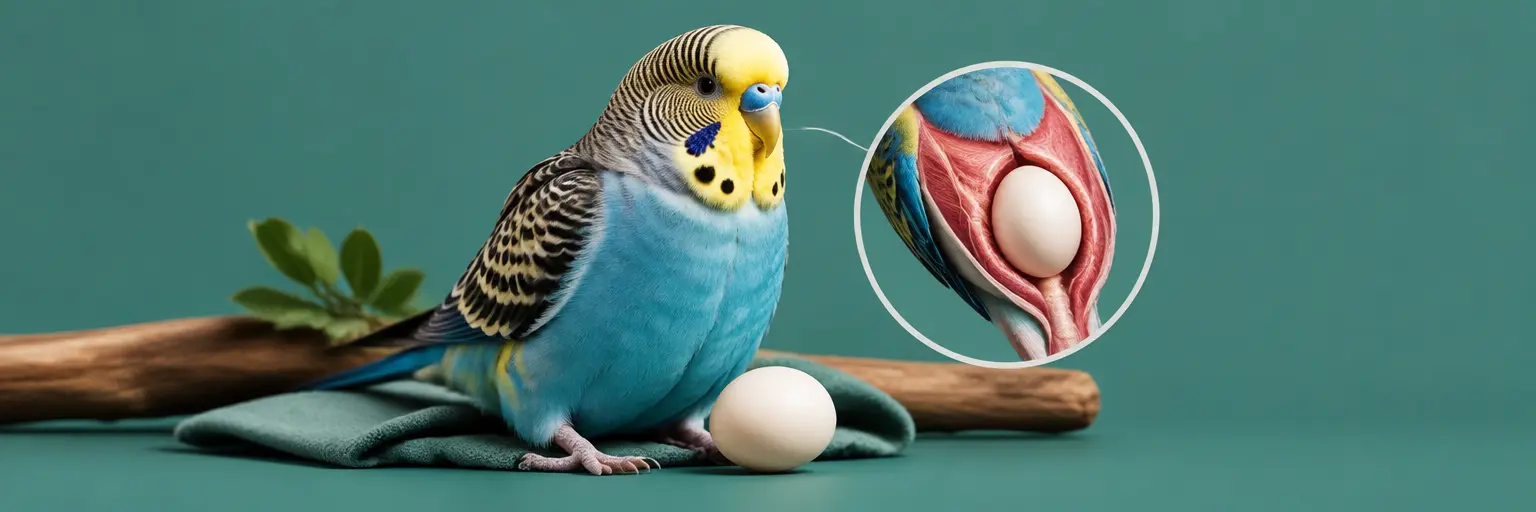
Egg binding in birds is a serious, often life-threatening condition where a female bird struggles to pass an egg, and recognizing the signs early can mean the difference between life and loss. At PetCareWorld, our expert-driven guides break down the symptoms—like tail bobbing, labored breathing, abdominal straining, or a visibly swollen vent—so you can act with confidence and speed. We explain the underlying causes, from calcium deficiencies and poor diet to cold environments or genetic predispositions, and offer practical, step-by-step first aid strategies to stabilize your feathered friend before veterinary care. Your bird’s health depends on swift intervention; our in-depth articles equip you with the knowledge to prevent complications, support recovery, and create a safer habitat for your companion. Whether you own a budgie, cockatiel, or larger parrot, understanding egg binding is a cornerstone of responsible bird care—trust us to deliver actionable, compassionate advice that empowers you in every emergency.
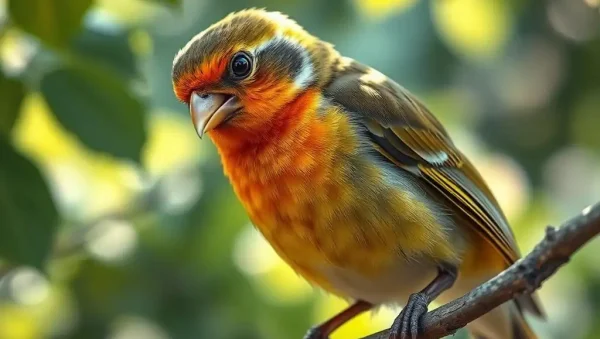
🤔 Discover the critical causes of egg binding in birds, a life-threatening condition. PetCareWorld provides expert insights into preventing and treating this…
Read article
😊 Discover the vital link between diet and egg binding in birds. PetCareWorld reveals how proper nutrition plays a crucial role in…
Read articleEgg binding is a life-threatening condition where a female bird is unable to pass an egg through her reproductive tract naturally. At PetCareWorld, we recognize that this emergency can strike any egg-laying species, from budgies to cockatiels, and demands swift, informed action. This subcategory delivers expert-vetted guidance on recognizing early symptoms, providing immediate supportive care, and knowing when veterinary intervention is non-negotiable. You will learn about prevention strategies, nutritional calcium balance, and long-term management to protect your feathered companion from recurrence.
Early detection dramatically improves survival odds. A bound bird typically shows visible abdominal straining, sitting low on the perch, tail bobbing, and lethargy. You may notice her tail feathers are wet, wings drooping, or she becomes unusually aggressive when touched. More subtle signs include a distended abdomen, reduced droppings, or a sudden loss of appetite. Observe her breathing rate—rapid or labored breaths signal severe distress. If you see her taking prolonged breaks between eggs (over 24 hours), treat it as an emergency. Documenting these signs photographically helps veterinarians assess severity quickly.
Distinguish egg binding from normal laying fatigue. A healthy layer will rest briefly but continue eating and moving fluidly. A bound bird appears immobile and pained, often refusing to perch and preferring the cage floor. Press gently on her lower abdomen; if you feel a hard, round mass, that is the stuck egg. Never squeeze or manipulate internally—this can rupture the egg or damage her oviduct. Instead, move her to a quiet, warm isolation cage (85–90°F) using a heat lamp, which relaxes muscles and may stimulate natural expulsion. However, warmth alone is not a cure; professional help is mandatory within hours.
While preparing for the vet, you can offer temporary relief. Increase ambient humidity using a warm mist humidifier near the cage, as moisture softens the shell and lubricates the oviduct. Provide a shallow dish of warm water (never hot) for her to sit in, which may ease muscle spasms. Offer electrolyte solutions or a few drops of honey in water for quick energy—she is likely exhausted from prolonged straining. Avoid giving calcium orally at this stage unless directed, as hypercalcemia complicates treatment. Keep her environment dim and quiet to reduce stress, a major trigger for muscle rigidity.
Administering a warm olive oil drop to the vent (not inside) can gently lubricate the passage. Use a cotton swab to apply externally. Do not attempt to break or crush the egg; if it ruptures internally, the shell fragments cause severe inflammation and infection. Monitor her droppings—if none in the last 12 hours, the egg may be pressing on the cloaca, blocking elimination. Transport her to the vet in a secure, padded carrier with a heating pad on low (never placed directly under her). Time is critical; every hour of delay reduces survival probability by roughly 5–10%.
A veterinarian will first perform a physical exam and palpation, followed by radiographs (X-rays) to confirm egg presence and shell quality. Initial non-surgical attempts include injectable calcium gluconate to stimulate uterine contractions, combined with prostaglandin hormones that relax the oviduct. If these fail within 30–60 minutes, the vet may attempt manual expression under anesthesia, using sterile gloves and lubricant to gently guide the egg outward. In severe cases, ovocentesis—aspirating the egg’s contents with a needle—reduces its size for easier passage, but this carries peritonitis risk.
Surgical options include a salpingotomy (incision into the oviduct to remove the egg) or partial salpingectomy (removing the oviduct, eliminating future egg production). Post-procedure, your bird will need hospitalization for fluid therapy, antibiotics, and pain relief. Expect a follow-up calcium and vitamin D3 injection schedule. Discuss with your vet whether to switch her to a low-egg-production diet or hormone implants, as recurrent binding is common without intervention. Recovery typically takes 5–7 days, during which you must restrict flying and provide soft, easily digestible foods like mashed pellets and boiled egg yolk.
Egg binding is most often a calcium deficiency crisis. Birds use massive calcium reserves to form shells, and a deficit leaves muscles weak, unable to contract properly. Offer a high-quality pelleted diet as the base (not seed-only mixes), supplemented with dark leafy greens like kale and collard greens, which are rich in bioavailable calcium. Cuttlebone and mineral blocks should be available at all times, but they are inadequate alone—they provide calcium without the necessary phosphorus balance. Add a liquid calcium supplement to drinking water twice weekly, but avoid over-supplementation, which impairs magnesium absorption.
Vitamin D3 is essential for calcium uptake; without it, dietary calcium passes unused. Ensure 10–15 minutes of unfiltered morning sunlight daily, or use a full-spectrum avian UVB bulb for 6–8 hours per day. For birds on indoor-only living, ask your vet about a D3 injection before breeding season. Limit high-fat treats (sunflower seeds, millet) that encourage obesity, which mechanically obstructs egg passage. Also monitor protein intake—excess protein triggers larger, harder-shelled eggs. Feed a balanced ratio of 15–20% protein. Finally, provide nesting material only during planned breeding, as repeated laying cycles deplete calcium rapidly and invite chronic binding.
Birds that survive one binding episode are highly prone to recurrence. A permanent switch to a lower-egg-production plan is mandatory. Consider hormone therapy with deslorelin implants (Suprelorin), which suppresses ovarian activity for 6–12 months, preventing egg formation altogether. Alternatively, your vet may recommend ovariectomy, a surgical removal of the ovaries, which completely stops laying but requires anesthetic risk assessment. During breeding season, reduce daylight hours to 8–10 hours to mimic winter conditions, which naturally inhibits ovulation. Remove any mirrors, toys, or shadowed corners that your bird uses as a nesting trigger.
Maintain a strict weight management program—a body condition score of 3/5 is ideal. Weigh her weekly to catch early gains. Provide regular exercise through supervised out-of-cage flight, as active birds have stronger reproductive muscle tone. Schedule semi-annual wellness exams, including blood tests for ionized calcium and phosphorus. Create a "nesting log" tracking egg frequency, size, and any early symptoms. If you see her starting to exhibit nesting behavior (paper shredding, corner squatting), immediately increase environmental temperature slightly and offer extra calcium. Teach all household members to recognize emergency signs, so response times remain under two hours.
Egg binding presents with a visible bulge near the vent, straining without passing droppings, and a hard mass felt on gentle abdominal palpation. Constipated birds typically still pass some liquid feces, have a tense but not bulging vent, and do not show tail bobbing. A vet can differentiate via X-ray, but if in doubt, treat as egg binding—delayed care is fatal.
No. Human calcium pills often contain additives (vitamin D2, magnesium stearate) and dosages far too concentrated for small avian systems. Use only avian-specific calcium formulas from a vet or reputable pet store. Even those should be dose-measured with a syringe to avoid hypercalcemia, which causes kidney damage.
Not automatically. Unless treated with hormone implants, ovariectomy, or strict environmental control, most birds continue to lay and can rebind. Without intervention, recurrence rates exceed 60%. Proactive veterinary planning is essential before the next breeding cycle.
Critical window is 24–48 hours. Within the first 12 hours, survival with vet care is near 90%. After 36 hours, organ damage from egg pressure and toxin buildup drops survival to below 50%. Immediate emergency care is the only path to a positive outcome.
Yes. Cockatiels, budgerigars, lovebirds, and canaries are most frequently affected due to their small body size and frequent laying. Larger species like African greys and Amazon parrots can experience it but less commonly. Also, first-time layers and elderly birds face elevated risk due to immature or degenerating reproductive systems.