Essential Nutrition for Finches and Canaries: A Diet That Will Make Them Thrive
😊 Discover the Finch canary best nutrition guide on PetCareWorld! Learn what seeds, fruits, and vegetables ensure vibrant health and longevity for…
Read article
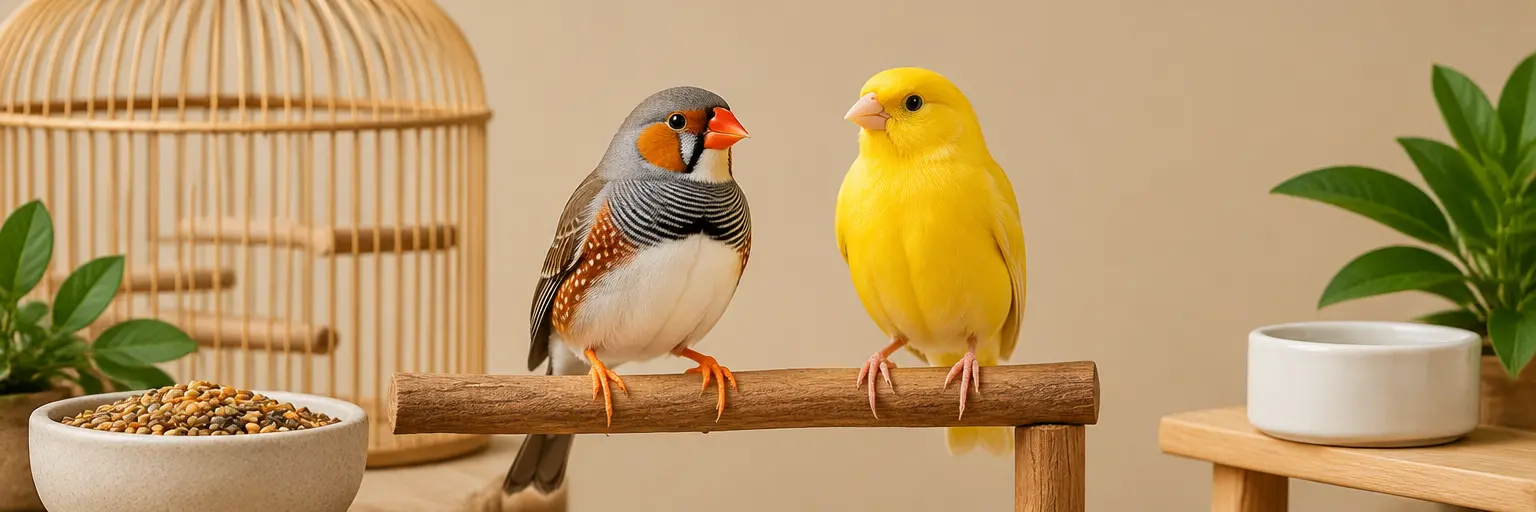
Caring for finches and canaries is a delightful journey into the world of small, vibrant songbirds that bring music and color into any home. These charming aviary birds thrive when their unique needs—from spacious flight cages to a balanced diet of seeds, greens, and fresh water—are met with attention and love. Finches are social, active companions that flourish in pairs or small flocks, while canaries enchant with their melodic tunes and require a calm, stress-free environment to sing their best. By mastering the essentials of bird housing, nutrition, grooming, and health monitoring, you can create a thriving habitat that ensures your feathered friends live long, joyful lives. Whether you are a first-time owner or an experienced avian enthusiast, this guide offers practical, expert-backed advice to help you nurture these delicate creatures, spot early signs of illness, and enjoy the rewarding companionship they offer. Embrace the art of avian care and turn your home into a sanctuary where your finches and canaries can truly flourish.
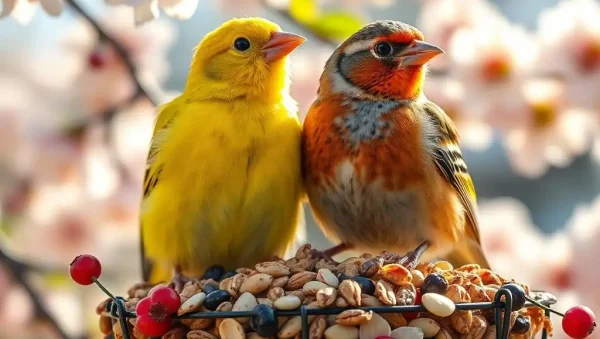
😊 Discover the Finch canary best nutrition guide on PetCareWorld! Learn what seeds, fruits, and vegetables ensure vibrant health and longevity for…
Read article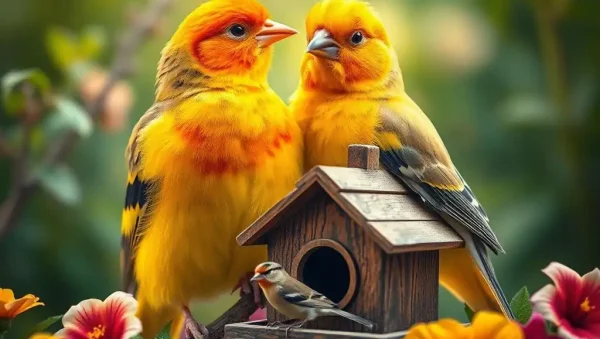
😊 Unlock the secrets to successful finch and canary breeding! PetCareWorld's step-by-step guide simplifies the process, offering expert advice for happy, healthy…
Read article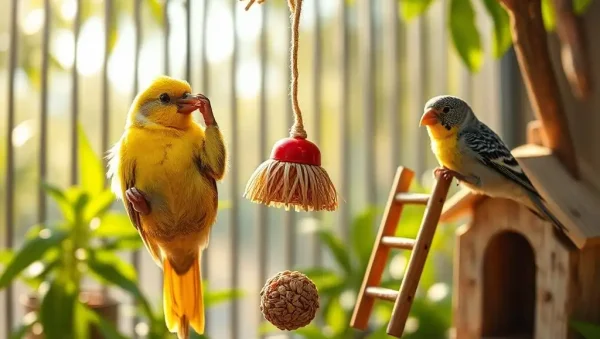
😊 Discover the best finch and canary bird toys and enrichment activities to keep your feathered friends happy and healthy! PetCareWorld offers…
Read articleWelcome to PetCareWorld’s dedicated hub for finches and canaries, where vibrant song meets delicate beauty. These small, active birds make wonderful companions, but they require specific, attentive care to thrive. Whether you are a first-time owner or a seasoned aviculturist, this subcategory offers expert, science-backed guidance on everything from cage setup to nutrition and health monitoring. Here, we focus on species-specific needs, ensuring your feathered friends enjoy a long, healthy, and melodious life. Explore our in-depth articles to master the art of keeping these charming birds happy and stress-free.
Selecting the right enclosure is the cornerstone of finch and canary health. Unlike parrots, these birds are primarily horizontal flyers, so a long, wide cage is far more beneficial than a tall one. Aim for a minimum of 30 inches in length for a single pair, with bar spacing of no more than 1/2 inch to prevent injury. Position the cage away from direct sunlight, drafts, and kitchen fumes, as these birds are highly sensitive to environmental changes. Inside, provide multiple natural wood perches of varying diameters to exercise their feet and prevent bumblefoot.
Equipping the cage with the correct accessories reduces stress and encourages natural behaviors. Use shallow, sturdy dishes for food and water, placing them away from perches to avoid contamination. Add a cuttlebone and mineral block for essential calcium. Regular cleaning is non-negotiable—spot-clean daily and deep-clean the entire cage weekly with a bird-safe disinfectant. For breeding pairs, provide a suitable nest box or open basket, lined with soft, unscented nesting material. Remember, a clutter-free, spacious environment directly impacts their immune system and vocalization quality.
A common misconception is that finches and canaries can thrive on seed alone. While high-quality seed mixes are a staple, they are deficient in vital vitamins, especially Vitamin A and calcium. We recommend transitioning to a balanced diet that includes a formulated pellet designed for these species, which prevents selective feeding. Supplement daily with fresh, finely chopped leafy greens like spinach or kale, and small amounts of grated carrot, apple, or broccoli. Remove all fresh foods after two hours to prevent bacterial growth. Always offer clean, fresh water in a tube or open dish, refreshed at least twice daily.
During breeding and molting seasons, nutritional demands increase significantly. Offer a protein-rich egg food or a commercial rearing supplement to support feather growth and chick development. Avoid feeding avocado, chocolate, caffeine, and high-salt or sugary treats, as these are toxic or harmful. Gradually introduce new foods to avoid aversion; try clipping a piece of millet spray to the cage bars or mixing new items with their favorite seeds. Monitoring your bird’s food intake is crucial, as a sudden drop or increase can signal underlying health issues. Consistent, varied nutrition is your best defense against common deficiencies like goiter or weak eggshells.
Finches and canaries are masters at hiding illness, a survival instinct that makes proactive observation essential. Learn your bird’s normal baseline: daily activity level, feather condition, and droppings consistency. Healthy droppings should have a firm dark solid, a white urate, and a small amount of clear liquid. Early signs of trouble include fluffed feathers, tail bobbing, reduced singing, or sitting on the cage floor. Because these birds are small, illnesses progress rapidly; never wait to consult an avian veterinarian if you notice any deviation from normal behavior. At minimum, schedule an annual wellness exam including a fecal check for parasites.
Preventive care is your most powerful tool. Provide a shallow dish of lukewarm water for bathing two to three times a week, which promotes feather condition and removes dust. Avoid all forms of smoke, scented candles, and non-stick cookware fumes, as their respiratory systems are extremely fragile. Quarantine any new bird for 30-45 days before introducing them to your flock to prevent the spread of airborne diseases. Keep a basic bird first-aid kit with styptic powder, unflavored electrolyte solution, and a heat lamp for emergencies. With diligent daily observation and annual checkups, many common health crises can be avoided entirely.
Understanding social dynamics is key to a harmonious aviary. Canaries are typically solitary and territorial, especially males, and may show aggression if housed together. In contrast, most finch species (like zebras or societies) are highly social and should be kept in pairs or small groups. For a single canary, your interaction becomes vital; they bond through shared quiet time and gentle chatter. For finches, a companion of the same species is non-negotiable for their psychological wellbeing—loneliness leads to feather plucking and self-mutilation. Never house different sizes or temperamentally incompatible species together without thorough research.
Enrichment prevents boredom and encourages natural foraging behaviors. Rotate a selection of safe, bird-friendly toys such as swings, mirrors, and preenable rope knots. Place millet sprays in hidden spots to simulate natural foraging. Provide regular out-of-cage time in a fully bird-proofed room for flight exercise, but ensure all windows and doors are closed and ceilings fans off. Some finches and canaries never tame to the hand, but they will respond to your voice and presence, making a calm, predictable routine essential. Avoid sudden moves or loud noises near the cage; instead, speak softly and move slowly to build trust. A stimulated bird is a healthy bird.
If you decide to breed, meticulous preparation is required. Start with a healthy, unrelated pair aged at least 10-12 months, and provide a calm, quiet environment with a stable temperature around 65-75°F. Offer a nesting site and increase protein and calcium intake during conditioning. The female will lay 3-6 eggs, typically one per day, with incubation beginning after the third egg. Avoid disturbing the nest during laying and early incubation, as stress can lead to egg abandonment. Candling eggs after five to seven days helps identify fertile versus infertile ones, but do this quickly and gently only if absolutely necessary.
Chicks hatch after about 13-14 days for canaries and 12-16 days for finches, depending on species. The parents will feed them regurgitated food; your role is to provide ample soft food and egg food. Monthly weight checks and clean nesting material reduce the risk of splay legs and mite infestations. Fledging occurs around three to four weeks, after which separate the chicks from the parents to prevent harassment and allow the hen to recover. Overbreeding is detrimental; limit clutches to two per year. Always have a plan for chick placement or care to avoid overpopulation and ensure every life is valued and supported.
For two finches, aim for a cage at least 30 inches long, 18 inches wide, and 18 inches tall. Horizontal space is more critical than height. Bar spacing should not exceed 1/2 inch to prevent escape or leg injuries. Larger is always better, as it allows for flight and reduces territorial aggression.
Spot-clean daily by removing soiled paper, uneaten fresh food, and wiping perches. Perform a full deep clean weekly, replacing substrate, washing dishes with hot soapy water, and disinfecting the cage with a bird-safe product. Thorough rinsing and drying are essential to prevent chemical residue.
Feather plucking in finches is usually linked to stress, boredom, or loneliness. Causes include lack of a companion, small cage, inadequate diet, or excessive noise. Review its environment and social grouping. If plucking persists, consult an avian vet to rule out parasites, skin infections, or underlying disease.
Canaries enjoy finely chopped dark leafy greens like spinach, kale, and Swiss chard, plus grated carrots, cucumber, and broccoli. Avoid iceberg lettuce due to low nutritional value. Always wash produce thoroughly, offer in small amounts, and remove uneaten veggies after two hours to prevent spoilage.
Canaries are solitary by nature and often thrive as single birds, especially males who sing more consistently. They do not require company and may become stressed or aggressive if housed with other canaries. If you have a single bird, provide plenty of in-cage enrichment and daily interaction through vocalization and presence.







