
Essential Nutrition for Finches and Canaries: A Diet That Will Make Them Thrive

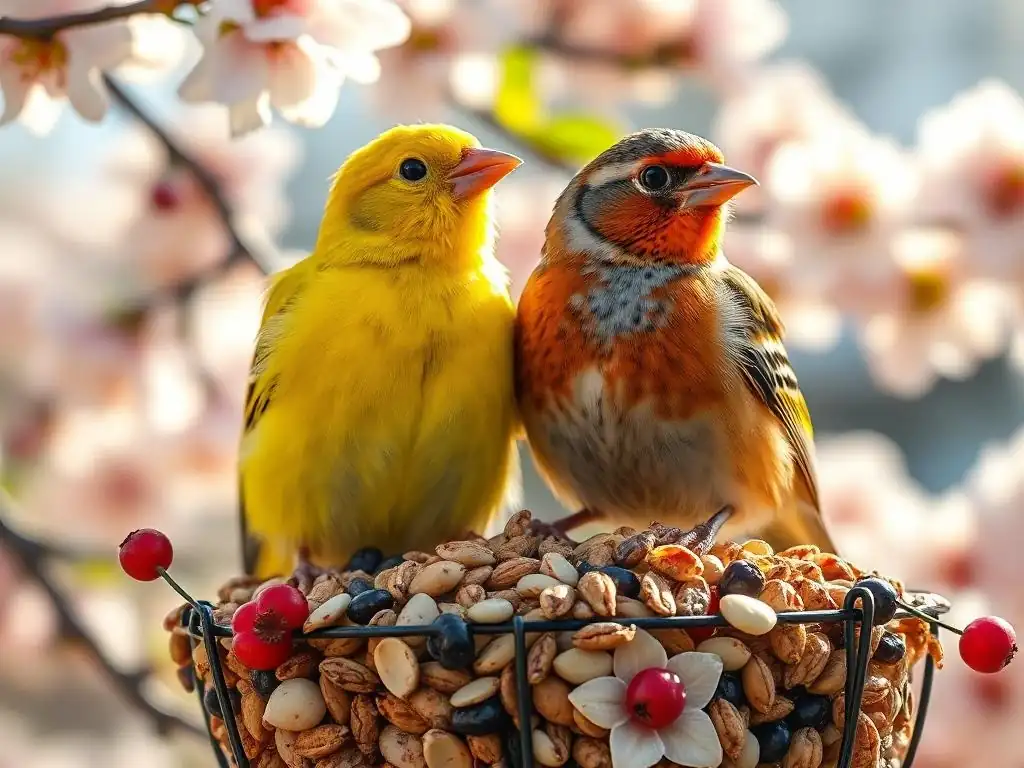
Welcome to PetCareWorld, your ultimate guide to a happier, healthier life for your beloved pets! Are you ready to unlock the secrets to vibrant health for your feathered friends? Our Finch Canary best nutrition guide dives deep into creating the perfect diet for your finches and canaries, ensuring they thrive for years to come. Discover the essential nutrients, ideal food combinations, and potential pitfalls to avoid. Let's embark on this journey together towards optimal avian well-being – read on to learn more!
- Finch Canary Best Nutrition Guide: Understanding Your Bird's Dietary Needs
- Choosing the Right Finch and Canary Seed Mix: A Comprehensive Guide
- Fresh Foods for Finches and Canaries: Enhancing Their Nutrition
- Water: The Often-Overlooked Essential Nutrient for Finches and Canaries
- Recognizing Signs of Nutritional Deficiency in Finches and Canaries
- Creating a Thriving Diet Plan for Your Finches and Canaries: A Step-by-Step Guide
- Maintaining Optimal Nutrition Throughout Your Bird's Lifespan
- Frequently Asked Questions
- Final Reflection: Nurturing Life, One Seed at a Time
- Unlock Your Feathered Friends' Full Potential!
Finch Canary Best Nutrition Guide: Understanding Your Bird's Dietary Needs
Providing optimal nutrition is crucial for the health, longevity, and vibrant plumage of your finches and canaries. This comprehensive guide delves into the essential dietary components necessary for these delightful birds to thrive. We'll explore the vital nutrients they require, the importance of a balanced diet, and practical advice on creating a feeding plan that supports their overall well-being.
Understanding your bird's nutritional needs is key to preventing common health problems and ensuring they live long, happy lives. From seed mixes to supplemental foods, we'll equip you with the knowledge to become a confident and informed caregiver, providing your feathered friends with the best possible start to a healthy and fulfilling life. This guide serves as your ultimate resource for ensuring your finches and canaries receive the superior nutrition they deserve, helping them to sing beautifully and live vibrantly for years to come.
Essential Nutrients for Finches and Canaries: Vitamins, Minerals, and More
Finches and canaries, like all living creatures, require a diverse range of nutrients for optimal health. These nutrients fall into several key categories:
- Vitamins: These organic compounds are essential for various metabolic processes. Vitamin A, for example, is crucial for maintaining healthy vision and immune function. Vitamin D3, often supplemented, aids in calcium absorption, vital for strong bones. Vitamin E acts as an antioxidant, protecting cells from damage. Deficiencies in these and other vitamins can lead to a range of health problems, including weakened immunity and poor feather quality. A varied diet is key to ensuring adequate vitamin intake.
- Minerals: Minerals are inorganic substances that play critical roles in various bodily functions. Calcium is essential for strong bones and eggshells (especially important for breeding females). Phosphorus works in conjunction with calcium for bone health. Other essential minerals include potassium, sodium, magnesium, and iron, all contributing to overall health and vitality. Providing a mineral supplement, especially grit, can help ensure sufficient intake.
- Proteins: Proteins are the building blocks of life, essential for growth, tissue repair, and feather development. High-quality protein sources are crucial, particularly during breeding seasons or for young birds. These can be sourced from live foods such as mealworms or from high-protein seed mixes.
- Fats: Healthy fats provide energy and support hormone production. However, it's crucial to avoid excessive amounts of fat, as this can lead to obesity and related health issues. A balanced approach is key.
A deficiency in any of these essential nutrients can manifest in various ways, including lethargy, poor feather condition, weakened immune system, and reproductive issues. Regular vet checkups and careful observation of your bird's behavior and appearance can help detect nutritional deficiencies early. Remember, prevention is always better than cure.
The Importance of a Balanced Diet for Finch and Canary Health
A balanced diet is the cornerstone of good health for your finches and canaries. Simply providing seeds isn't enough; a diverse range of foods is necessary to ensure they receive all the essential nutrients they need. A well-rounded diet should include:
- High-quality seed mixes: These form the base of their diet, but should be carefully selected to provide a good balance of different types of seeds. Avoid mixes with excessive amounts of filler or low-quality seeds.
- Fresh fruits and vegetables: These provide essential vitamins, minerals, and fiber. Offer small amounts of a variety of fruits and vegetables such as finely chopped apples, carrots, and leafy greens.
- Grit: Grit helps with digestion by providing essential minerals and aiding in the grinding of seeds in the gizzard.
- Supplemental foods: These can include cooked egg, mealworms (in moderation), and other protein sources. These are particularly important during breeding season or for growing chicks.
- Fresh water: Always provide fresh, clean water daily.
Providing a varied and balanced diet is not just about preventing illness; it's about promoting overall well-being. A well-nourished finch or canary will have vibrant plumage, be more active, sing more often, and have a stronger immune system. By carefully considering the nutritional needs of your birds and providing a diet that meets those needs, you are investing in their health and happiness for years to come. Remember to consult with an avian veterinarian for personalized advice and to address any specific concerns regarding your bird's diet.
Choosing the Right Finch and Canary Seed Mix: A Comprehensive Guide
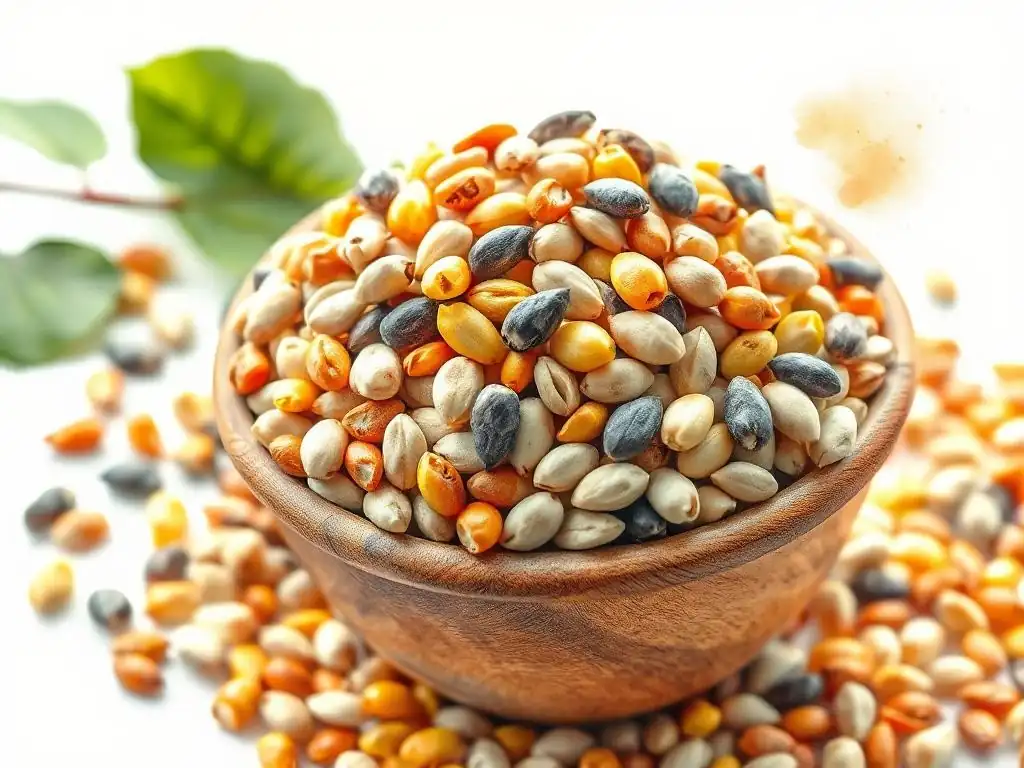
Providing your finches and canaries with the right nutrition is paramount to their health and longevity. A well-balanced seed mix forms the cornerstone of their diet, but choosing the right one can be surprisingly complex. This section delves into the specifics of selecting, preparing, and supplementing a seed-based diet for optimal bird health. This guide will help you become a more informed pet owner, ensuring your feathered friends receive the best possible nutrition. Understanding the nuances of seed mixes is crucial for achieving a thriving flock.
Selecting High-Quality Seed Blends: What to Look For
When selecting a seed blend for your finches and canaries, quality should be your top priority. Avoid cheap mixes that contain mostly fillers. Look for blends specifically formulated for finches and canaries, as their nutritional needs differ from other bird species. High-quality mixes will typically feature a diverse range of seeds, offering a wider spectrum of nutrients.
Here's what to look for:
- Variety: A good mix should include a variety of seeds, such as canary seed (a staple), niger seed (high in oil and energy), rapeseed (a source of protein and fiber), and millet (a palatable treat in moderation). Avoid mixes dominated by a single seed type.
- Seed Size and Condition: The seeds should be plump, clean, and free from dust or debris. Avoid mixes with broken or shriveled seeds, as these may indicate poor quality or storage.
- Ingredient List: Carefully examine the ingredient list. A reputable brand will clearly list all ingredients and their proportions. This allows you to assess the nutritional balance of the mix.
- Packaging: Choose seed mixes in sealed packaging to maintain freshness and prevent contamination. Store the seed in a cool, dry, and dark place.
Consider these examples of good seed mixes: Mix A might contain 50% canary seed, 20% niger seed, 15% rapeseed, 10% millet, and 5% other seeds. Mix B, on the other hand, could offer a slightly different proportion, perhaps prioritizing niger seed for birds with higher energy needs. The key is variety and quality ingredients. Always check the expiration date.
Avoiding Harmful Seeds and Additives: A Cautious Approach
Some seeds and additives can be harmful to finches and canaries. It's crucial to be aware of these potential dangers and avoid them completely. Even seemingly harmless additions can upset the delicate balance of their digestive system.
- Avocado: Avocado contains persin, a toxin that can be fatal to birds. Never give your finches or canaries avocado in any form.
- Chocolate: Chocolate is toxic to birds and should be kept completely out of their reach.
- Alcohol: Alcohol is highly toxic to birds and should never be given to them.
- Artificial Colors and Flavors: Avoid seed mixes containing artificial colors and flavors. These additives offer no nutritional value and can be harmful.
- Salty Foods: Salt is toxic to birds, so avoid giving them any salty snacks or foods.
Remember, a simple, high-quality seed mix is often best. Avoid mixes with excessive amounts of fillers or questionable additives. Always prioritize natural, unprocessed ingredients. A healthy diet is the foundation of a happy and healthy bird.
Supplementing Your Bird's Diet: Essential Additions
While a good seed mix provides the foundation of your finch and canary's diet, supplementation is crucial for optimal health. Supplementing their diet helps ensure they receive a complete range of nutrients.
- Fresh Fruits and Vegetables: Offer a small amount of fresh fruits and vegetables daily. Good choices include finely chopped carrots, apples (remove seeds), and berries. Introduce new items gradually to monitor for any digestive issues. Variety is key here.
- Cuttlebone: Cuttlebone provides a vital source of calcium, crucial for strong bones and egg production (especially for breeding birds).
- Grit: Grit helps with digestion. Finches and canaries need grit to grind their food in their gizzard. Offer a small amount of high-quality grit regularly.
- Mineral Blocks: Mineral blocks provide essential minerals and trace elements that may not be present in sufficient quantities in their seed mix.
- Water: Always provide fresh, clean water in a clean container. Regularly change the water to prevent bacterial growth.
Remember to introduce new supplements gradually to avoid upsetting your bird’s digestive system. Observe your birds closely for any signs of digestive upset, such as diarrhea or changes in droppings. A balanced diet, complemented by appropriate supplements, contributes significantly to the overall well-being of your finches and canaries. This comprehensive approach to nutrition is essential for your finches and canaries to truly thrive. 🐦
Fresh Foods for Finches and Canaries: Enhancing Their Nutrition
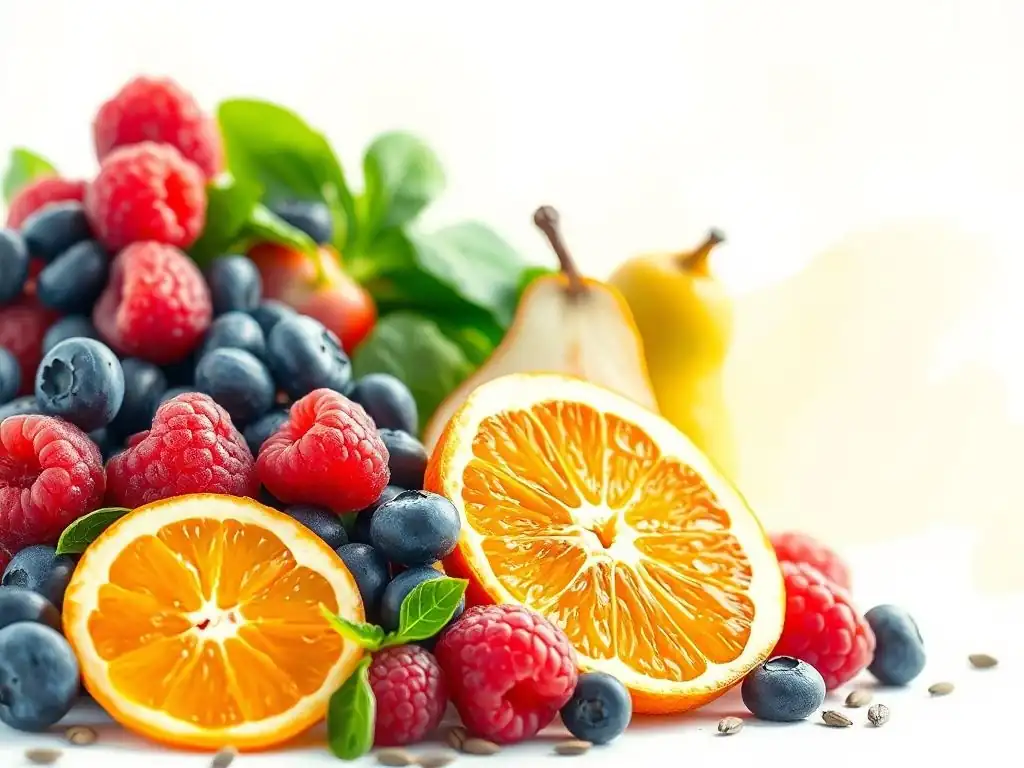
Providing your finches and canaries with a diet rich in fresh foods significantly contributes to their overall health and vibrant plumage. While a high-quality seed mix forms the base of their diet, incorporating fresh produce offers crucial vitamins, minerals, and antioxidants not readily available in seeds alone. This diverse approach mimics their natural foraging behavior, stimulating their interest and preventing nutritional deficiencies often associated with monotonous diets.
A balanced diet is key to preventing common health problems in these small birds, ensuring they live long, happy lives. Remember, moderation is key; fresh foods should supplement, not replace, their seed mix.
Safe Fruits and Vegetables for Your Feathered Friends: A Detailed List
Offering a variety of fruits and vegetables is essential for a well-rounded diet. However, it's crucial to understand which options are safe and which should be avoided. Some fruits and vegetables contain substances toxic to birds. Always introduce new foods gradually and monitor your birds closely for any adverse reactions.
Here’s a list of safe options, categorized for easy reference:
Fruits:
- Apples (remove seeds and core)
- Bananas (in moderation)
- Blueberries
- Raspberries
- Strawberries
- Melon (small pieces, remove rind)
- Mango (small pieces)
Vegetables:
- Carrots (shredded or finely chopped)
- Broccoli florets (small pieces)
- Green beans (cooked and chopped)
- Peas (shelled)
- Spinach (in moderation, due to oxalic acid content)
- Cucumber (thinly sliced)
- Bell peppers (small pieces, remove seeds)
Important Note: Avoid avocado, chocolate, caffeine, and onions, which are toxic to birds. Always wash all produce thoroughly before serving.
Preparing and Serving Fresh Foods: Tips for Success
Proper preparation and presentation are vital to ensuring your finches and canaries readily accept and benefit from fresh foods. Avoid offering large pieces that could pose a choking hazard. Instead, finely chop or shred vegetables and cut fruits into small, manageable pieces.
- Washing is crucial: Thoroughly wash all produce under running water to remove pesticides and dirt.
- Small portions: Offer small amounts of fresh food daily to prevent spoilage and waste.
- Variety is key: Rotate through different fruits and vegetables to provide a range of nutrients.
- Presentation matters: Offer fresh foods in small, shallow dishes or directly on the cage floor (depending on your bird's preferences). Avoid placing food in water dishes.
- Remove uneaten food: Discard any uneaten fresh food after a few hours to prevent bacterial growth.
Introducing New Foods Gradually: Preventing Digestive Upsets
Introducing new foods gradually is crucial to avoid digestive upset. Start by offering a tiny amount of a new food alongside their regular diet. Observe your birds closely over the next few days for any signs of diarrhea, lethargy, or changes in appetite. If you notice any adverse reactions, discontinue the new food immediately. If no problems occur, you can gradually increase the amount of the new food over several days.
This cautious approach minimizes the risk of digestive issues and ensures a smooth transition to a more varied diet. Remember, patience and careful observation are key to successful dietary diversification. By following these guidelines, you’ll be well on your way to providing your finches and canaries with the best nutrition for a long and healthy life! 🎉
Water: The Often-Overlooked Essential Nutrient for Finches and Canaries
Water is often underestimated in discussions about finch and canary nutrition, yet it's arguably the most crucial nutrient. Without sufficient clean water, even the best seed mix and supplements won't prevent dehydration and its associated health problems. This section delves into the importance of water provision and selection of appropriate water dispensers for your feathered friends. Understanding and addressing your birds' hydration needs is paramount for optimal health and longevity, making this a critical aspect of your finch canary best nutrition guide.
Providing Clean, Fresh Water Daily: Maintaining Hydration
Providing your finches and canaries with access to fresh, clean water is non-negotiable. Stale water can quickly become a breeding ground for bacteria and harmful microorganisms, leading to illness. Aim to change the water in their dispensers at least once daily, and more frequently during hot weather.
Observe your birds' water consumption; a noticeable decrease could indicate illness and warrant immediate veterinary attention. Always use a clean container, scrubbing it thoroughly with a pet-safe disinfectant at least weekly to prevent biofilm buildup. This simple daily task is a cornerstone of responsible finch and canary care and a critical component of a finch canary best nutrition guide.
Here's a simple checklist to ensure optimal hydration:
- ✅ Daily water changes: Make this part of your daily routine.
- ✅ Clean containers: Prevent bacterial growth with regular cleaning.
- ✅ Observe water consumption: Monitor for any changes that might signal illness.
- ✅ Fresh, cool water: Especially important during warmer months.
- ✅ Multiple water sources: Consider providing more than one water source, especially for larger flocks.
Types of Water Dispensers: Choosing the Right One for Your Birds
The type of water dispenser you choose can significantly impact your birds' hydration and cage cleanliness. Several options exist, each with its pros and cons. Consider the size of your cage, the number of birds, and your personal preferences when making your selection. A well-chosen dispenser minimizes mess and ensures continuous access to clean water. This is a crucial consideration for any serious finch canary best nutrition guide.
Here's a comparison of common water dispenser types:
| Dispenser Type | Pros | Cons | Suitability |
|---|---|---|---|
| Bottle Dispenser | Simple, space-saving, prevents contamination | Can leak, needs regular cleaning, some birds struggle to use it | Suitable for smaller cages, single birds |
| Dish/Bowl | Easy access, readily visible water level | Easily soiled, prone to droppings, can spill | Suitable for larger cages, multiple birds, but requires more frequent cleaning |
| Specialized Bird Fountains | Keeps water fresh, often self-cleaning | More expensive, can be more complex to clean | Ideal for larger cages, multiple birds, demanding more maintenance |
Choosing the right water dispenser is a significant step in providing optimal care. Remember to regularly inspect and clean whichever type you select to ensure your finches and canaries remain well-hydrated and healthy. This detailed attention to seemingly minor details is what truly elevates your understanding of the finch canary best nutrition guide.
Recognizing Signs of Nutritional Deficiency in Finches and Canaries
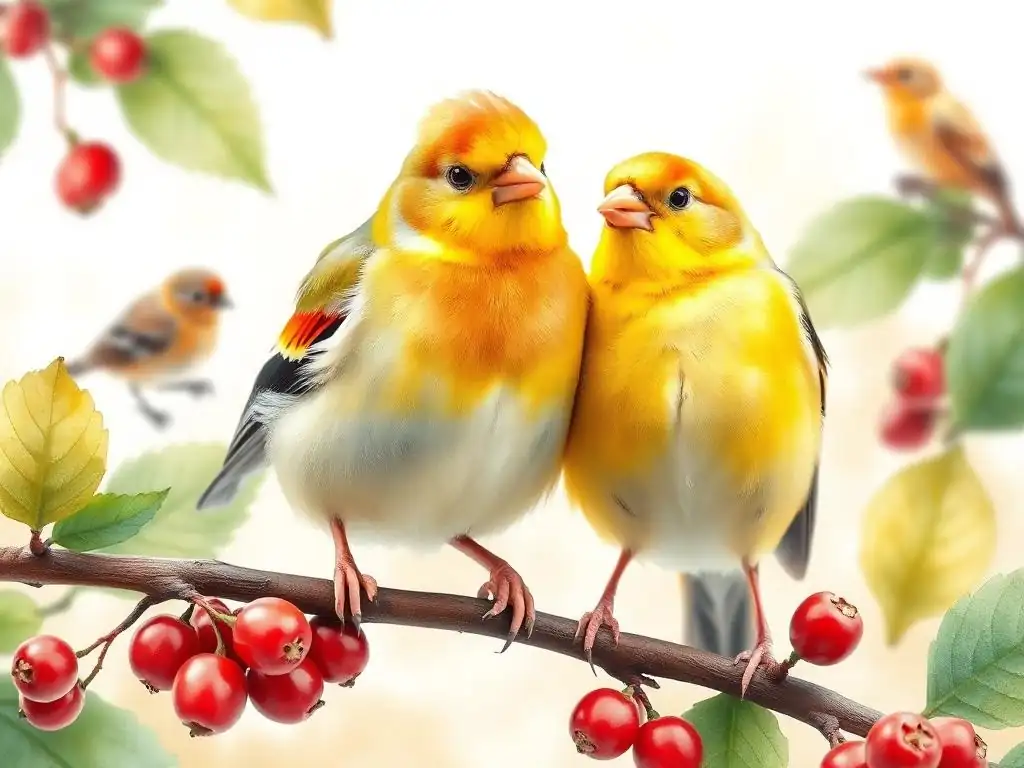
Pet owners often focus on providing a varied diet for their finches and canaries, but sometimes subtle signs of nutritional deficiency can be easily missed. Early detection is crucial for preventing serious health issues. This section focuses on recognizing the warning signs of malnutrition in these beloved birds, empowering you to provide the best possible care. Understanding these symptoms is a key component of a comprehensive approach to finch and canary nutrition, contributing to a longer, healthier life for your feathered friends. This guide aims to help you become a more informed and proactive caregiver.
Common Symptoms of Malnutrition: What to Watch For
Observing your finches and canaries regularly is paramount. Early detection of malnutrition can significantly improve treatment outcomes. Common symptoms can be subtle, requiring attentive observation. Look out for these key indicators:
- Changes in Feather Condition: Dull, brittle, or missing feathers are often a tell-tale sign of nutritional deficiencies. Healthy feathers should be vibrant and smooth. A significant change in feather quality warrants immediate attention. Consider deficiencies in protein, essential fatty acids, or specific vitamins and minerals.
- Weight Loss or Lack of Weight Gain: Unexpected weight loss, especially in young birds, is a serious cause for concern. Similarly, a failure to gain weight as expected can indicate underlying nutritional problems. Regular weighing using a gram scale is a helpful monitoring tool.
- Lethargy and Weakness: A finch or canary that appears lethargic, weak, or unusually inactive may be suffering from malnutrition. These birds are naturally active and playful; a significant decrease in energy levels should be investigated.
- Changes in Behavior: Changes in behavior, such as increased aggression, unusual vocalizations, or difficulty perching, can be linked to nutritional deficiencies. These behavioral changes often accompany physical symptoms.
- Digestive Issues: Diarrhea or constipation can indicate an imbalance in the bird's diet. Observe the consistency and frequency of droppings to detect any abnormalities. This could be linked to a lack of fiber, or an imbalance of gut flora.
- Loss of Appetite: A sudden or gradual decrease in appetite is a clear warning sign. Finches and canaries should always show interest in their food. A loss of appetite can indicate various health problems, including malnutrition.
Addressing Nutritional Deficiencies: Seeking Veterinary Advice
If you suspect your finch or canary is suffering from a nutritional deficiency, seeking veterinary advice is crucial. Avian veterinarians possess the expertise to diagnose the specific deficiency and recommend appropriate treatment. Self-treating can be dangerous and may delay proper care.
Remember, providing the best nutrition is a preventative measure. A balanced diet, rich in essential nutrients, is the cornerstone of a healthy and happy finch or canary. However, even with the best intentions, deficiencies can occur. Therefore, regular observation and prompt veterinary consultation are vital aspects of responsible pet ownership.
Don't hesitate to seek professional help—the health and well-being of your birds are paramount. Early intervention can make a significant difference in their prognosis and overall quality of life. A thorough examination by a veterinarian can pinpoint the exact nutritional shortfall and guide you towards a tailored solution, ensuring your finch or canary receives the specific nutrients they need to thrive. 🐦
Creating a Thriving Diet Plan for Your Finches and Canaries: A Step-by-Step Guide
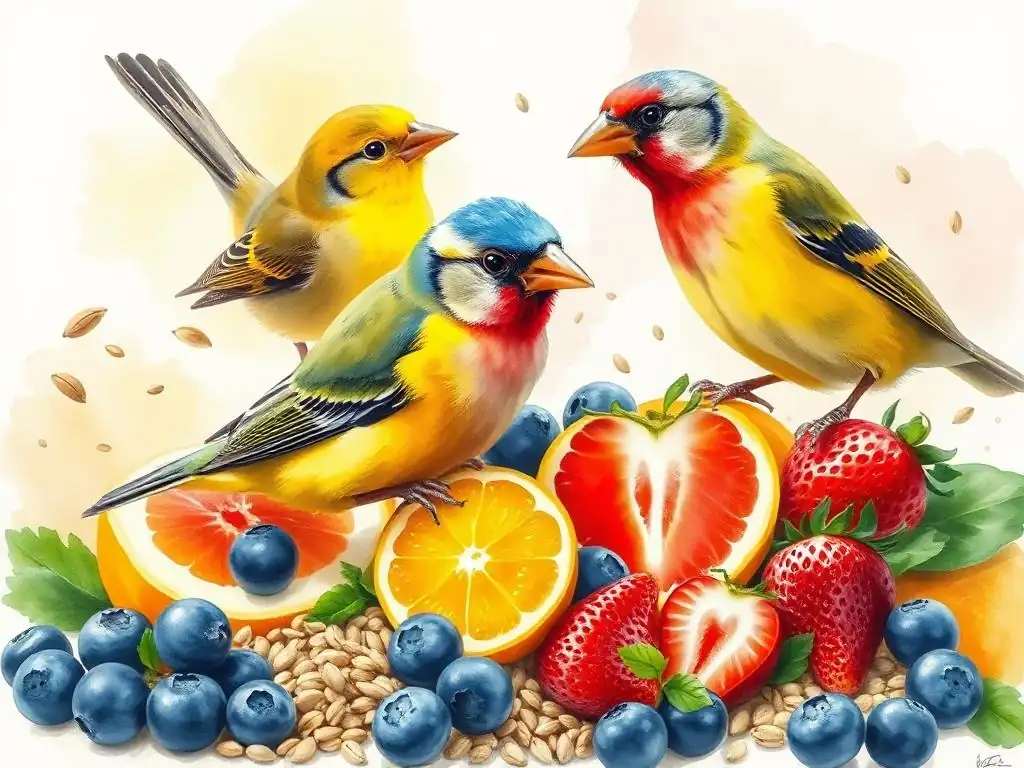
This section provides a practical, step-by-step approach to crafting the optimal diet for your finches and canaries, ensuring they receive the best nutrition for a long and healthy life. We'll move beyond basic seed mixes and delve into the diverse nutritional needs of these delightful birds. Remember, a balanced diet is crucial for vibrant plumage, strong bones, and a robust immune system. This guide will help you achieve just that, positioning you as a truly informed and responsible bird owner. This is your definitive Finch canary best nutrition guide.
Assessing Your Bird's Current Diet: A Starting Point
Before making any significant changes, understanding your bird's current diet is paramount. This forms the baseline for gradual improvements. Carefully examine the ingredients of any commercial seed mixes you currently use. Many commercially available mixes are heavily reliant on low-nutrient fillers.
What percentage of the mix consists of seeds? What types of seeds are included? Are there any added supplements or pellets? Document this information. This will be your starting point for comparison as we introduce enhancements to their diet. For example, a typical seed mix might be 60% millet, 20% sunflower seeds, 10% canary seed, and 10% other seeds. This is a starting point, not an ideal ratio. Ideally, you should know the exact proportions to better understand the nutritional profile.
Consider also any supplemental foods you currently provide, like fruits, vegetables, or treats. Note the frequency and types of these additions. This detailed assessment will allow for a smoother transition to a more nutritious diet. Accurate record-keeping is key for tracking progress and identifying any potential issues.
Gradually Introducing New Foods: A Smooth Transition
Abrupt dietary changes can stress your birds and potentially lead to digestive upset. Therefore, introducing new foods gradually is essential. Start by supplementing a small amount of a new food, such as a high-quality pellet, to their existing diet. Observe their reaction closely for any signs of digestive issues (loose droppings, lethargy, decreased appetite).
A helpful approach is the "10% rule." Increase the proportion of the new food by no more than 10% of their total daily food intake each week. This slow introduction allows your finches and canaries to adjust to the new flavors and nutrients without experiencing distress. For example, if you're introducing pellets, start with 10% pellets and 90% seed mix. The following week, you can increase it to 20% pellets and 80% seed mix, and so on.
Here's a table illustrating a sample gradual introduction schedule for a new food:
| Week | Percentage of New Food | Percentage of Old Food | Notes |
|---|---|---|---|
| 1 | 10% | 90% | Monitor closely for any digestive issues. |
| 2 | 20% | 80% | Continue monitoring. If any issues arise, slow down the transition. |
| 3 | 30% | 70% | Observe appetite and droppings. |
| 4 | 40% | 60% | Adjust as needed based on your birds' response. |
| 5 | 50% | 50% | Continue monitoring until a stable diet is achieved. |
Remember to offer a variety of fresh fruits and vegetables daily, but always in moderation. These should complement, not replace, the core diet.
Monitoring Your Bird's Health and Adjusting the Diet Accordingly: Ongoing Care
Even with a well-planned diet, regular monitoring is crucial. Observe your birds' droppings for consistency, color, and frequency. Changes in droppings can indicate digestive problems, often linked to dietary issues. Also, monitor their weight, activity levels, and plumage condition. Dull plumage or weight loss might signal nutritional deficiencies.
Keep a detailed record of your birds' food intake, droppings, and overall health. This ongoing tracking allows for prompt identification of any problems and facilitates timely adjustments to the diet. If you notice any significant changes, consult an avian veterinarian. They can provide expert advice and rule out any underlying health problems. Remember, proactive monitoring is key to ensuring your finches and canaries receive the best possible care and thrive. This ongoing attention is the final step in your Finch canary best nutrition guide.
Maintaining Optimal Nutrition Throughout Your Bird's Lifespan
This section delves into the crucial aspects of providing optimal nutrition for your finches and canaries across their entire lifespan. Understanding their evolving nutritional needs at each stage—from fledgling to senior—is paramount for ensuring their health, vitality, and longevity. A well-balanced diet contributes significantly to a bird's vibrant plumage, strong immune system, and overall well-being. We'll explore the specific dietary requirements for each life stage, highlighting key nutrients and food choices to support your feathered friends' growth and health.
This guide will help you create a tailored nutrition plan that will keep your finches and canaries thriving. Remember, consistent, high-quality nutrition is a cornerstone of responsible pet ownership for these delightful songbirds. Providing the best nutrition is key to preventing health issues and ensuring a long and happy life for your companions.
Nutritional Needs of Baby Finches and Canaries
Newly hatched finches and canaries have exceptionally high nutritional demands. Their rapid growth requires a diet rich in protein, calcium, and essential vitamins and minerals. During the first few weeks of life, they are entirely reliant on their parents for food. However, hand-rearing may become necessary in certain circumstances. If you are hand-rearing, a specialized formula designed for baby finches and canaries is crucial. These formulas typically contain:
- High-quality protein sources: Essential for muscle development and tissue repair.
- Calcium: Crucial for bone development and overall skeletal health. A deficiency can lead to weak bones and deformities.
- Vitamins A, D3, and E: Support immune function and overall growth.
- B vitamins: Essential for metabolic processes and energy production.
These nutrients are often provided in a powdered form mixed with water to create a paste-like consistency. The feeding frequency will depend on the age and size of the chicks, usually several times a day. Careful monitoring of weight gain and development is essential to ensure they are receiving adequate nutrition. Signs of malnutrition can include poor feather development, lethargy, and slow growth. Always consult with an avian veterinarian for guidance on hand-rearing, ensuring you're meeting all the nutritional needs of your young birds. Proper nutrition during this critical period sets the stage for their future health and well-being.
Dietary Requirements for Adult Finches and Canaries
Adult finches and canaries require a balanced diet that provides sufficient energy for their daily activities, including singing, flying, and foraging. Their diet should consist primarily of high-quality seeds, supplemented with fresh fruits, vegetables, and occasional protein sources.
| Food Category | Examples | Nutritional Benefits | Frequency |
|---|---|---|---|
| Seeds | Canary seed, niger seed, millet, rape seed | Provide essential fats, carbohydrates, and some protein. | Daily, forming the base of their diet |
| Fruits & Vegetables | Apples, carrots, spinach, berries | Rich in vitamins, minerals, and antioxidants, promoting overall health and vibrant plumage. | Several times a week, in small portions |
| Protein Sources | Cooked eggs (small amounts), mealworms | Essential for muscle maintenance and feather growth. | 1-2 times a week, sparingly |
It's important to offer a variety of seeds to ensure a balanced intake of nutrients. Avoid feeding processed foods, sugary treats, or foods high in fat. Always provide fresh, clean water daily. Observe your birds' eating habits and adjust their food portions accordingly. A healthy adult finch or canary will have bright, glossy feathers, be active and alert, and exhibit normal droppings. Regular veterinary checkups are also recommended to monitor their overall health and ensure their nutritional needs are being met. Remember that variety is key to providing a complete and balanced diet for your adult birds.
As finches and canaries age, their nutritional needs change. Their metabolism slows down, and they may require adjustments to their diet to maintain their health. Senior birds often experience decreased appetite and may become more selective about their food. These changes necessitate a careful approach to their nutrition to prevent health complications.
Some key considerations for senior bird nutrition include:
- Increased soft food intake: As their beaks and jaws may weaken with age, softer foods like cooked vegetables and fruits become easier to consume.
- Higher-calcium diet: To prevent bone loss and maintain strong bones, a diet slightly higher in calcium may be necessary. Consult your avian veterinarian for guidance on appropriate calcium supplementation.
- Smaller, more frequent meals: To accommodate a decreased appetite, offer smaller portions more frequently throughout the day.
- Monitoring for weight loss: Regularly weigh your bird to monitor for weight loss, a sign of potential nutritional deficiencies. Consult your vet if weight loss occurs.
Providing a comfortable and stress-free environment is also important for senior birds. A balanced diet, combined with regular veterinary care and a loving home, can help your senior finches and canaries enjoy a happy and healthy old age. Remember, consistent monitoring and adjustments to their diet are crucial as they age to ensure they receive all the nutrients they need to thrive. Early detection of any health concerns is key to providing timely intervention.
Frequently Asked Questions
What is the most important part of a finch and canary's diet?
A balanced diet is key! High-quality seed mixes form the base, but supplementation with fresh fruits, vegetables, and greens is crucial for optimal health and vibrant plumage. Don't forget fresh water daily.
How often should I feed my finch or canary?
Generally, finches and canaries should be fed twice a day, offering a small amount of seed mix each time. Supplement with fresh foods daily, removing any uneaten portions after a few hours to prevent spoilage.
What types of fruits and vegetables are safe for finches and canaries?
Offer small amounts of dark leafy greens like spinach and kale, as well as soft fruits such as berries and melon. Avoid avocado, chocolate, and onions, which are toxic. Always introduce new foods gradually.
My finch/canary isn't eating. Should I be worried?
Yes, a sudden loss of appetite can indicate illness. Observe for other symptoms like lethargy or ruffled feathers. Consult a veterinarian specializing in avian care immediately for proper diagnosis and treatment.
Where can I find high-quality seed mixes for my finch or canary?
Look for reputable pet stores or online retailers that offer seed mixes specifically formulated for finches and canaries. Avoid mixes with excessive fillers or low-quality ingredients. Check the ingredient list carefully.
Final Reflection: Nurturing Life, One Seed at a Time
The health and vitality of our feathered friends are intrinsically linked to the quality of their diet, a truth as relevant today as it was centuries ago. Providing optimal nutrition isn't merely about survival; it's about unlocking the vibrant song, the energetic flight, and the sheer joy these small creatures bring to our lives. A well-nourished finch or canary is a testament to our care and a source of constant delight.
The impact of proper nutrition extends far beyond the individual bird; it contributes to the overall well-being of the avian community. Understanding their dietary needs allows us to become better stewards of these fascinating creatures, ensuring their continued health and happiness within our care. The greatness of a nation and its moral progress can be judged by the way its animals are treated.
– Mahatma Gandhi. This quote, while broad in scope, speaks to the responsibility we bear for the creatures we share our world with, however small they may be. The simple act of providing the right food becomes a powerful symbol of respect and compassion.
Now, consider your own feathered companions. What steps can you take today to enhance their diet? Perhaps it's a simple addition of fresh greens, a switch to a higher-quality seed mix, or a deeper dive into understanding their specific nutritional requirements. Take this knowledge, internalize it, and let it guide your actions. By nurturing the health of your finches and canaries, you are not only enriching their lives but also deepening your connection with the natural world and the profound responsibility we all share in caring for it.
Unlock Your Feathered Friends' Full Potential!
Thank you for learning about optimal nutrition for your finches and canaries! We hope you found valuable information to help keep your birds healthy and happy. Now, let's put that knowledge into practice.
- Prioritize a balanced diet: Begin by carefully reviewing your bird's current food and making any necessary adjustments based on what you've learned. This is crucial for their well-being.
- Share your experiences: Let our community know what you're feeding your birds and the results you're seeing! Share your experiences and recipes in the comments below. We'd love to learn from you!
- Enrich their environment: Consider adding safe, nutritious foraging toys and food puzzles to stimulate your bird mentally and physically. This can significantly improve their overall health and happiness.
What simple dietary change will you make today to improve your finch or canary's health and happiness?