The Importance of Early Socialization for a WellAdjusted Bird
🐦 Proper bird socialization during early development is crucial for a well-adjusted pet. PetCareWorld explains how early interaction shapes behavior and ensures…
Read article
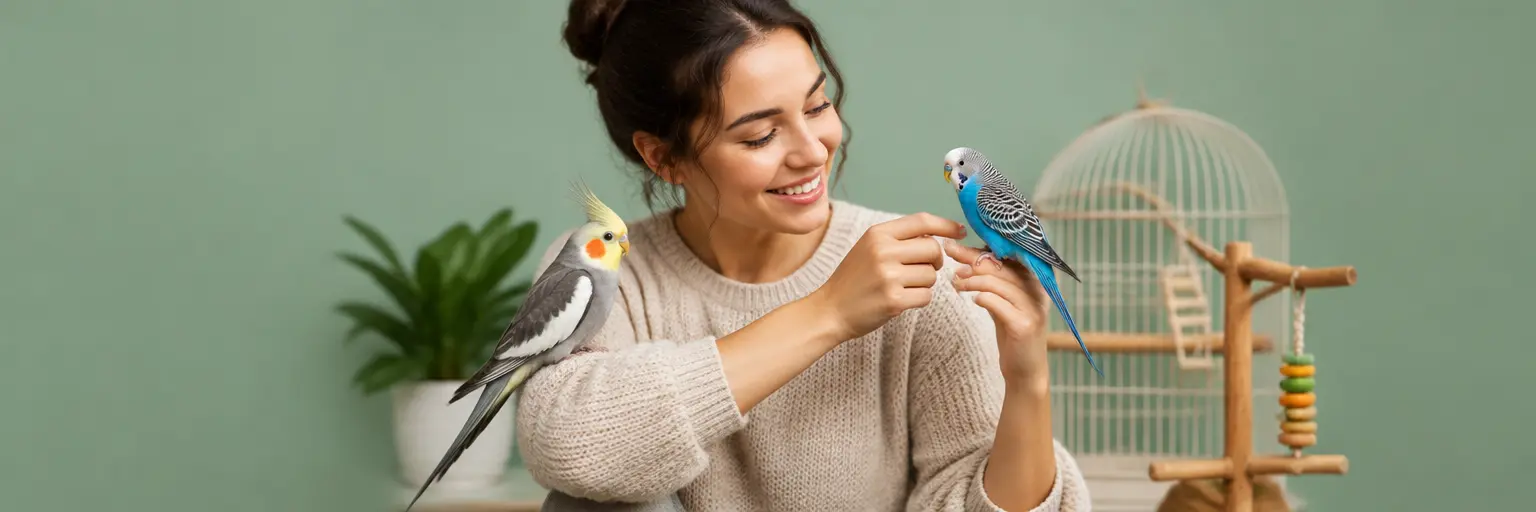
Discover the joys of handling and socializing birds with expert-backed tips that transform your feathered friend into a confident, affectionate companion. 🐦 Whether you’re taming a young parakeet or building trust with a rescue parrot, mastering gentle handling techniques and consistent daily socialization is key to a happy, well-adjusted pet. From reading body language to creating positive bonding rituals, our practical advice covers everything from step-up training to safe out-of-cage playtime. Learn how to reduce fear, encourage vocal interaction, and prevent biting through reward-based methods that strengthen your unique connection. Ideal for new and seasoned bird owners alike, this guidance helps you nurture emotional wellness and mental stimulation, ensuring your bird thrives in your care. Get ready to unlock a lifetime of chirpy conversations and feathery cuddles with proven strategies that make every interaction a rewarding experience. 🌟
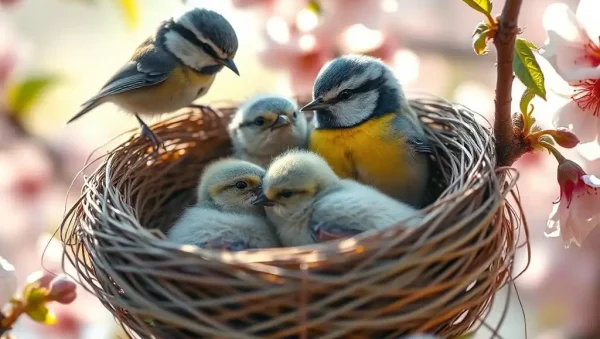
🐦 Proper bird socialization during early development is crucial for a well-adjusted pet. PetCareWorld explains how early interaction shapes behavior and ensures…
Read article
😊 Discover essential baby bird care tips from PetCareWorld! Learn how to handle these delicate creatures responsibly, ensuring their safety and well-being.…
Read article
🐦 Discover essential molting bird care tips from PetCareWorld! Learn how to support your feathered friend through this natural process, ensuring their…
Read articleWelcome to PetCareWorld’s dedicated guide on Handling and Socializing Birds. This subcategory is your go-to resource for transforming a nervous, nippy, or fearful feathered friend into a confident, affectionate companion. Whether you are a first-time budgie owner or a seasoned parrot parent, mastering the art of gentle handling and positive socialization is crucial for your bird’s mental health and your bond. Here, we break down step-by-step techniques, behavioral insights, and expert tips to help you build trust, prevent biting, and enrich your bird's daily life—all while keeping safety and comfort at the forefront.
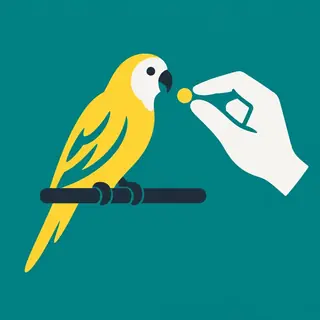
Bringing a new bird home is exciting, but patience is your most important tool. The first weeks should focus on desensitization—allow your bird to observe you from a distance without pressure. Start by simply sitting near the cage, speaking softly, and offering treats through the bars. Gradually progress to placing your hand inside the cage without moving, then to offering a perch or your finger for stepping up. Remember, every bird learns at its own pace; rushing can cause setbacks. Consistency with short, daily sessions (10-15 minutes) is far more effective than occasional long ones.
You’ll learn to read your bird’s body language—pinned eyes, fluffed feathers, or hissing are clear “back off” signals, while relaxed posture and preening indicate comfort. Our guides emphasize positive reinforcement over forced restraint. Use millet spray or favored seeds as rewards for calm behavior, and never chase a bird around its cage. For birds that are hand-shy, try a wooden dowel as a neutral stepping surface before graduating to your hand. These small, predictable steps build a foundation of trust that prevents fear-based aggression.
Proper handling is not just about bonding—it’s about physical safety for both you and your bird. Always approach from below and in front, never from above (a predator’s move). Support the bird’s feet securely with one finger or a perch, and use your other hand to gently cup its back if needed for stability. Never squeeze the chest, as birds have delicate air sacs. For larger parrots, a towel can be used for emergency restraint, but only when necessary for nail trims or vet visits—never as a punishment. Always wash your hands before and after handling to prevent the spread of zoonotic diseases like psittacosis.
Create a safe handling environment by closing windows, covering mirrors, and keeping other pets out of the room. Teach children the “gentle finger” method and supervise all interactions. If your bird flutters or panics, remain calm and place it on a low perch or soft surface rather than grabbing it mid-air. Understanding flight safety is also key—consider wing clipping under an avian vet’s guidance if you’re not confident in recall training. Our content details how to properly hold a bird for towel wrapping, medicine administration, and wing inspections without triggering a fight-or-flight response.
Socialization goes beyond step-up commands—it’s about engaging your bird’s intelligent, curious mind. Positive reinforcement training (using clicker training or verbal markers) is the gold standard for teaching tricks like targeting, turning around, or retrieving. Start with a simple target stick: present it, click the moment your bird touches it, and reward with a high-value treat. This teaches cause-and-effect and builds a communication bridge. Once your bird masters targeting, you can shape more complex behaviors, such as waving, spinning, or even fetching small objects.
Training sessions also serve as powerful enrichment, reducing boredom and common behavioral problems like feather plucking or excessive screaming. Keep sessions short (5-10 minutes), always ending on a success. Use a consistent verbal cue and hand signal, and never punish mistakes—simply ignore and redirect. Our expert guides offer troubleshooting tips for stubborn learners, such as breaking a trick into smaller micro-steps or changing the reward to something irresistible. Over time, your bird will see training as a fun game, eagerly anticipating your interactions, which deepens mutual respect and enjoyment.
A well-socialized bird should feel comfortable with multiple humans, not just its primary caregiver. Start by having family members offer favorite treats from a distance, then gradually move closer as the bird shows relaxation. Instruct everyone to use a soft, calm voice and avoid sudden movements. Consistency in rules is vital—if ‘step up’ from one person means the same as from another, your bird will generalize better. For children, teach them to let the bird approach first and never to poke or grab. Older birds may bond with one person, but with patience, they can learn to accept others without fear.
Introducing birds to cats, dogs, or other birds requires extreme caution. Always use a sturdy cage or carrier as a safe base for the first meetings, and keep the predator on a leash or behind a baby gate. Never leave them unsupervised, even if they seem friendly—a dog’s playful pounce can be fatal. For multi-bird households, quarantine new arrivals for 30-45 days and use neutral territory for introductions. Our detailed articles explain how to read inter-species body language and when to intervene. The goal is a harmonious, stress-free environment where your bird feels protected, not preyed upon.
Some birds arrive with a history of neglect, fear, or trauma, leading to biting, screaming, or self-destructive behaviors. Patience and counter-conditioning are your best allies. For fear-biters, start by working near the cage without asking for contact, pairing your presence with treats. Gradually reduce the distance until you can calmly offer a treat without a lunge. For screaming, identify the trigger (attention-seeking, boredom, or alarm) and avoid rewarding the noise; instead, reinforce quiet moments with praise. Confidence-building exercises include providing forgaging toys, offering new perches and textures, and teaching simple tasks that give your bird a sense of control.
We also address hormonal behaviors, such as territorial aggression during breeding season, which can suddenly appear even in tame birds. Learn to recognize signs like regurgitation or excessive nest-building, and adjust your handling routine—avoid petting below the neck, reduce high-energy play, and ensure 12-14 hours of uninterrupted sleep. Our guides emphasize that many “bad” behaviors are just natural instincts misunderstood. By modifying your approach and enriching the environment, you can turn a neurotic bird into a balanced, curious companion. For severe cases, our content details when to consult an avian behaviorist or veterinarian for medication or advanced therapy.
Typically, 1-3 weeks of daily, short sessions for a budgie or cockatiel, while larger parrots may take 1-3 months. The timeline depends on the bird’s species, age, history, and your consistency. Patience and slow progression are key—never rush, as fear can undo weeks of trust.
Biting often stems from fear, pain, or hormonal aggression. Assess your approach—are you moving too fast or from above? Check for signs of illness, such as lethargy or fluffed feathers. Reinforce gentle behavior with treats, and if biting persists, consult an avian vet to rule out medical causes.
Yes, absolutely, but it requires extra patience. Start with passive presence, offer treats without eye contact, and avoid forced handling. Use a target stick to build trust from a safe distance. Progress may be slow, but many seniors enjoy a second chance at companionship, rewarding your effort with deep loyalty.
Only after your bird is reliably trained and non-aggressive. Shoulder perching can place the bird too close to your face and ears, increasing bite risk. For smaller birds, it’s often fine after stable training. For larger parrots, reinforce a trained “step down” command before allowing shoulder time.
Quarantine the newcomer for 30-45 days in a separate room. Then, place cages side-by-side so they see each other without physical contact. After a week, allow supervised, neutral-territory interactions. Watch for aggressive posturing; separate immediately if fights occur. Slow introductions prevent territorial clashes.