Parakeet Egg Binding: Understanding and Preventing This Condition
😊 Learn how to prevent parakeet egg binding, a life-threatening condition, through expert advice on diet, environment, and breeding practices found in…
Read article
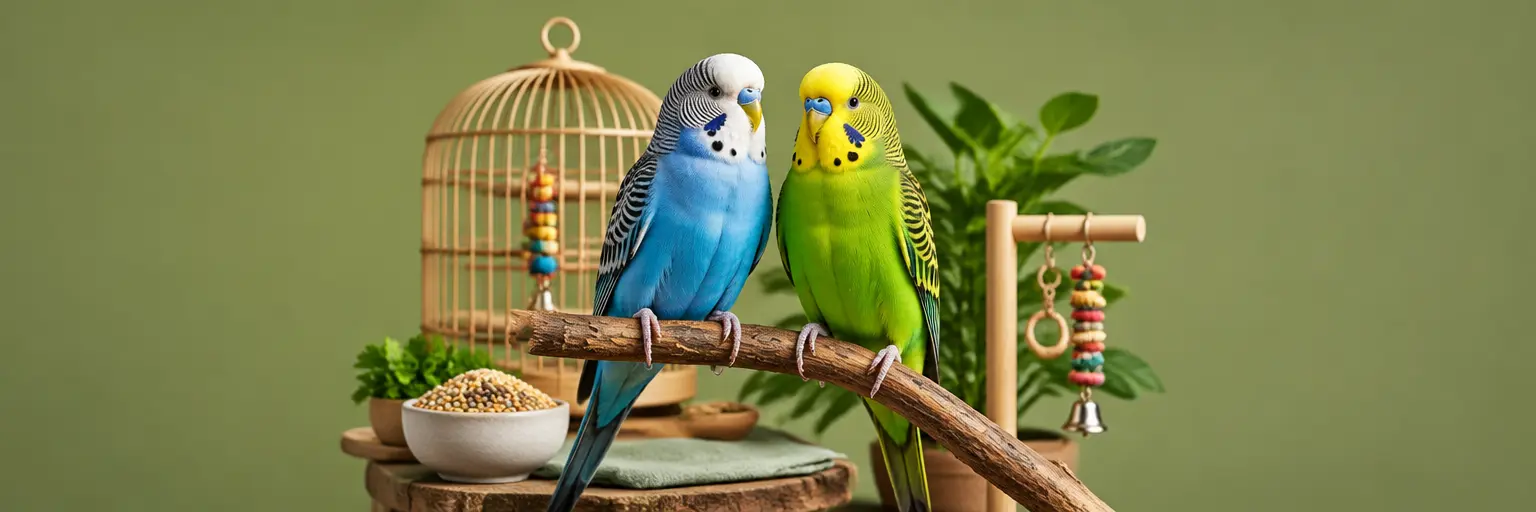
Parakeets are among the most beloved companion birds, but their vibrant feathers and playful chirps come with a deep responsibility that goes far beyond a simple cage setup. From creating a stimulating environment that prevents boredom and feather plucking to mastering the art of a balanced diet rich in fresh greens, seeds, and pellets, proper parakeet care hinges on understanding their unique social and emotional needs. These intelligent, flock-oriented creatures thrive on daily interaction, mental challenges, and consistent routines, making it essential to learn about safe toys, proper wing trimming, and signs of common avian illnesses. Whether you are a first-time owner or a seasoned bird enthusiast, nurturing a parakeet means committing to their lifelong well-being—embracing everything from gentle taming techniques to recognizing subtle health cues. Discover how to build a trusting bond and ensure your feathered friend enjoys a happy, healthy life by focusing on enrichment, nutrition, hygiene, and proactive veterinary care—because a well-cared-for parakeet is not just a pet, but a true companion for years to come.
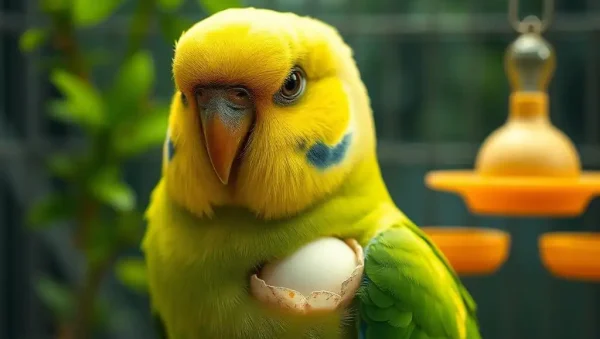
😊 Learn how to prevent parakeet egg binding, a life-threatening condition, through expert advice on diet, environment, and breeding practices found in…
Read article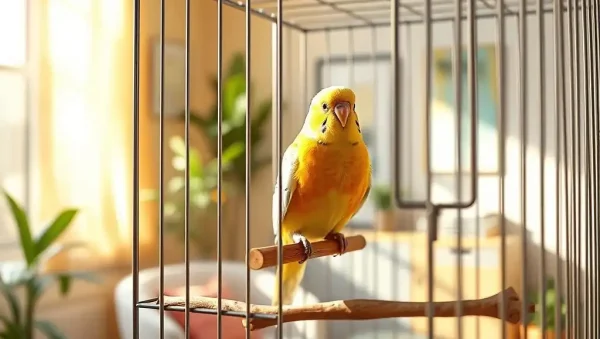
😊 Discover the ideal spot for your budgie's home! PetCareWorld reveals the best parakeet cage location, ensuring your feathered friend thrives in…
Read article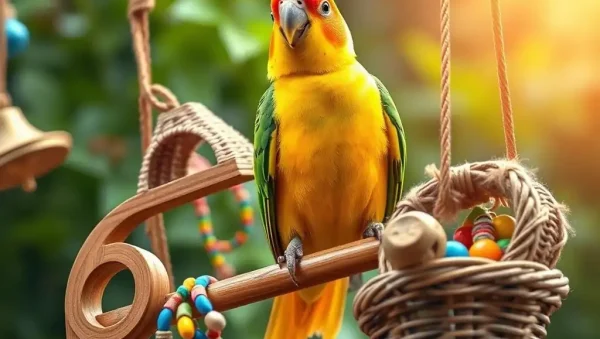
😊 Discover the best parakeet toys and accessories to enrich your feathered friend's life! PetCareWorld guides you through selecting stimulating and safe…
Read articleWelcome to PetCareWorld’s dedicated section on **caring for parrots, with a special focus on parakeets**. Often called budgerigars or “budgies,” parakeets are among the most popular companion birds worldwide, known for their playful personalities, striking colors, and surprising intelligence. However, proper parakeet care goes far beyond a simple cage and seeds. This subcategory provides evidence-based, practical advice to help you master everything from nutrition and enrichment to health monitoring and behavioral training. Whether you are a first-time bird owner or an experienced avian enthusiast, our guides are designed to transform good care into exceptional care, ensuring your feathered friend thrives in your home.
Understanding what to feed your parakeet is the cornerstone of long-term health. Many owners unknowingly rely on all-seed diets, which can lead to obesity and fatty liver disease. Our in-depth guides explain the ideal balance of **high-quality pellets, fresh vegetables, fruits, and limited seeds**, emphasizing that variety is key. We cover safe versus toxic foods, portion control, and the importance of calcium and vitamin D3. You will learn how to transition a seed-addicted bird to a healthier diet without stress, plus tips for offering sprouted seeds and foraging opportunities that mimic natural feeding behaviors.
Moreover, we address hydration and the critical role of clean, fresh water, as well as how to spot signs of nutritional deficiencies like feather plucking or lethargy. Our content also includes weekly meal-prep ideas and a printable safe-food list you can keep near the cage. By following these nutrition guidelines, you’ll directly impact your parakeet’s energy, plumage quality, and resistance to common illnesses. Remember, what your parakeet eats today determines its health tomorrow, and we provide the exact roadmap to make that future brighter.
A spacious, well-arranged cage is your parakeet’s castle. We provide detailed recommendations on minimum cage dimensions (larger is always better), bar spacing, and placement away from drafts and direct sunlight. Our guides walk you through essential accessories: perches of varying diameters and textures for foot health, stainless steel bowls for easy cleaning, and safe toys that encourage exercise and mental stimulation. You’ll learn how to create a “safe zone” within your home for supervised flight time, reducing injury risks from windows, mirrors, and toxic houseplants.
Beyond the physical structure, we emphasize the importance of environmental enrichment. Parakeets are intelligent and curious, so we teach you how to rotate toys, introduce puzzle feeders, and provide bathing options that mimic rainfall. We also discuss cage hygiene—daily spot cleaning, weekly deep cleans, and safe disinfectants—to prevent bacterial or fungal infections. Additionally, we cover temperature and humidity control, noise levels, and the benefits of a consistent daily routine. By optimizing the habitat, you reduce stress and behavioral issues, making your parakeet feel secure and happy in its environment.
Parakeets are flock animals that thrive on interaction, and our training guides are essential for building a trusting bond. We start with basic taming techniques—step-up commands, target training, and positive reinforcement using millet sprays—before advancing to fun tricks like turning around or waving. Each method is cruelty-free, focusing on trust rather than dominance. You will also learn to interpret body language: tail fanning, beak grinding, and head bobbing all have meanings, and understanding these cues prevents misunderstandings that lead to biting or fear.
Behavioral issues, such as excessive screaming, feather picking, or territorial aggression, are also addressed with compassionate solutions. We explain the underlying causes—often boredom, loneliness, or hormonal triggers—and offer environmental modifications and clicker training strategies. Additionally, we cover the pros and cons of keeping a single bird versus a pair, including how to introduce a new companion safely. Our goal is to help you raise a well-adjusted, vocal, and happy parakeet that enjoys your company without becoming overly dependent. Consistent training not only enhances your bond but also keeps your bird mentally sharp and confident.
Because parakeets instinctively hide illness, early detection is crucial. Our health section teaches you how to perform a daily “mini-check” covering eyes, nostrils, beak, feet, and droppings. We describe common ailments—respiratory infections, mites, psittacosis, and egg binding—including their symptoms, treatment options, and when to rush to an avian veterinarian. You’ll also understand the importance of quarantine for new birds and the role of annual wellness exams. We debunk myths about “natural” remedies and stress the value of professional care backed by modern avian medicine.
Preventive care is equally emphasized: proper wing clipping (or decision not to), beak conditioning through cuttlebones, and safe bathing to maintain feather condition. We also discuss signs of emergency, such as sudden lethargy, bleeding, or difficulty breathing, and provide a first-aid checklist to keep on hand. Nutrition and stress reduction are recurrent themes, as they are the best defenses against disease. By empowering you with knowledge, we aim to extend your parakeet’s lifespan, which can reach 10-15 years with excellent care. Our resources make you a confident caregiver who acts proactively, not reactively.
Once basics are mastered, our advanced guides push the envelope on parakeet enrichment. We delve into foraging toys that require problem-solving, flight training inside your home, and even simple speech and sound mimicry exercises. You’ll learn to design “play stations” near your desk or sofa for safe, supervised interaction. We also cover out-of-cage time management—how to bird-proof a room thoroughly, use harnesses for outdoor adventures, and handle seasonal molting with extra patience. This subcategory inspires you to see your parakeet as a lifelong student, capable of learning and socializing well into its senior years.
For keepers of other parakeet species (e.g., Indian ringnecks or lineolated parakeets), we highlight species-specific nuances in diet, social needs, and noise levels. We also discuss the ethics of breeding, hand-feeding, and rescue adoption, ensuring you make responsible choices. Our community forums and expert interviews add real-world perspectives, while downloadable checklists help you track your bird’s milestones. The ultimate goal is to keep you and your parakeet engaged in a mutually rewarding relationship. When enrichment is persistent, boredom-related behaviors vanish, and your bird’s true personality shines brightly.
Daily spot cleaning—removing droppings, leftover food, and wiping perches—is essential to prevent bacteria growth. A full deep clean with bird-safe disinfectant should happen weekly, including washing bowls, trays, and toys. Monthly, replace any worn wooden perches or frayed toys. Keeping a consistent schedule reduces respiratory risks and keeps your parakeet comfortable and healthy.
Quarantine any new bird for at least 30 days in a separate room to avoid transmitting diseases. After quarantine, place cages side-by-side for a week so they can see and hear each other. Then, supervise short neutral-territory introductions, offering treats. Watch for aggression; if it occurs, restart the process. Patience and gradual contact are key to a peaceful bond.
Transition slowly over 2-4 weeks by mixing pellets with seeds, gradually reducing the seed ratio. Offer fresh vegetables like spinach and carrots daily in small, appealing pieces. Use positive reinforcement—praise and millet when they try new foods. Never starve your bird into eating; instead, keep offering varied options patiently until acceptance.
Parakeets are naturally chatty but rarely disruptive. Excessive screaming often signals boredom, fear, or attention-seeking. Ensure 10-12 hours of quiet, dark sleep, plus daily out-of-cage time. Ignore screaming (no eye contact) and reward quiet behavior with treats and attention. Adding toys and background music also helps. Persistent screaming warrants a vet check for underlying issues.
Early signs include fluffed feathers, tail bobbing, reduced appetite, changes in droppings (color or consistency), sneezing, or sitting at the cage bottom. A quiet, withdrawn bird is a red flag. Weigh your parakeet weekly using a kitchen scale; any abrupt weight loss is critical. Contact an avian vet immediately if you notice these signs, as birds deteriorate quickly.







