Conure Bonding Activities: Strengthening Your Relationship
😊 Strengthen your bond with your conure! Discover the best conure bonding activities to build trust and create a lasting connection, enriching…
Read article
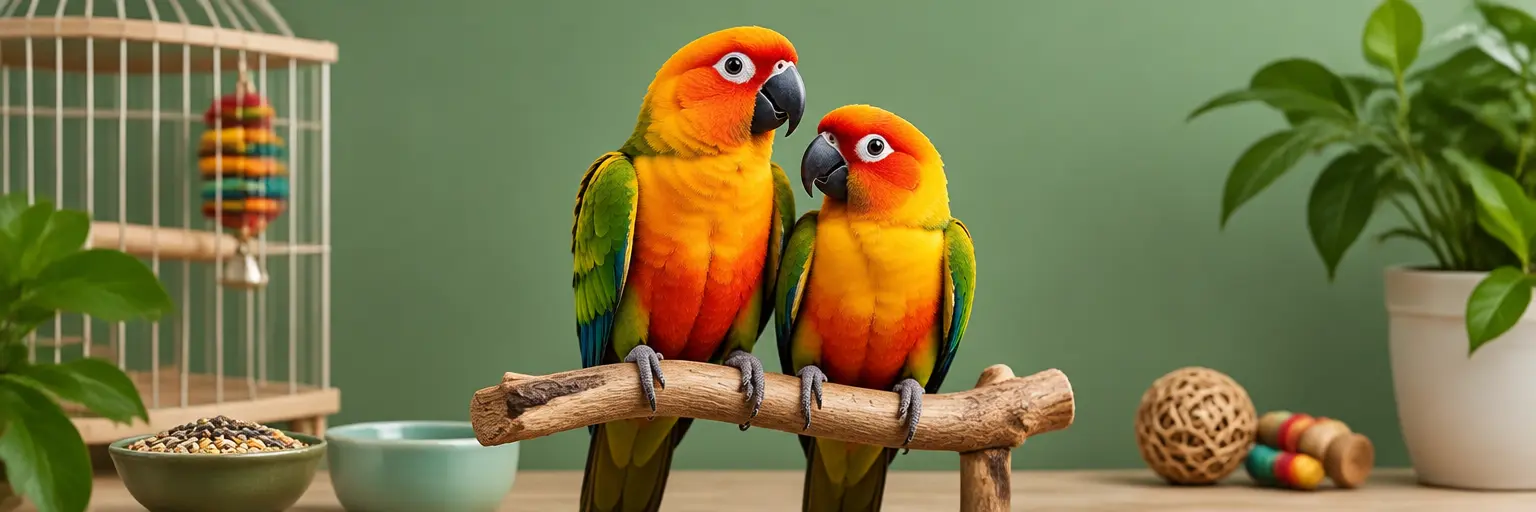
Caring for parrots, especially the vibrant and playful Conure, requires a unique blend of dedication, knowledge, and heart. These intelligent, social birds are more than just pets—they are lifelong companions that thrive on interaction and mental stimulation. Whether you are a first-time bird parent or a seasoned avian enthusiast, mastering the essentials of Conure care will ensure your feathered friend enjoys a healthy, happy, and fulfilling life. From balancing their specialized nutritional needs with fresh fruits and pellets, to creating a safe, enriching environment that prevents boredom and feather plucking, this guide covers the critical aspects of bird health and behavioral training. Discover the importance of daily out-of-cage time, the art of positive reinforcement, and the subtle signs of illness that every owner must recognize. Your journey into the colorful world of Conure ownership starts here, promising a bond that is as rewarding as it is entertaining.
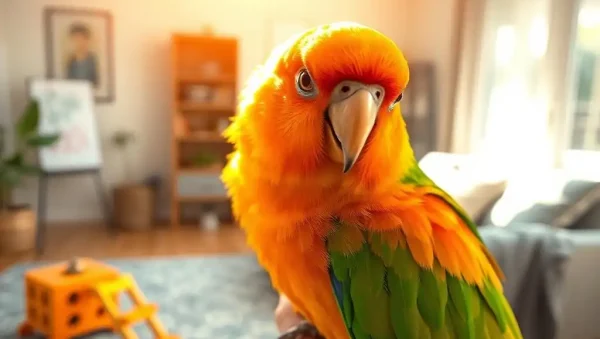
😊 Strengthen your bond with your conure! Discover the best conure bonding activities to build trust and create a lasting connection, enriching…
Read article
😊 Considering conure adoption? PetCareWorld guides you through choosing the best conure for families, matching your lifestyle with a vibrant, engaging feathered…
Read article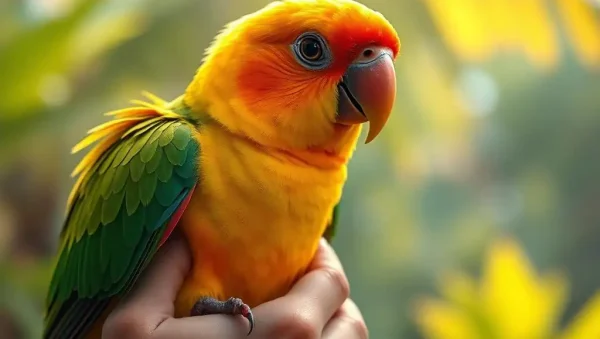
😊 Strengthen your bond with your conure! PetCareWorld offers expert conure bonding tips for owners, covering trust-building techniques and insightful understanding of…
Read articleWelcome to PetCareWorld’s dedicated section on conure care. Conures are among the most vibrant, intelligent, and affectionate parrots you can welcome into your home. Whether you are a first-time bird owner or an experienced avian enthusiast, this subcategory delivers expert-backed, actionable advice to ensure your feathered friend thrives. From nutrition and socialization to training and health monitoring, you will discover everything needed to build a lifelong, joyful bond with your conure, all while enhancing your knowledge with our SEO-optimized, highly practical content.
Proper nutrition is the cornerstone of a conure’s health. In this section, we break down the ideal balance of high-quality pellets, fresh fruits, vegetables, and occasional seeds. You will learn which foods are toxic (like avocado and chocolate) and how to create a varied meal plan that prevents boredom and nutritional deficiencies. Our guides include portion sizes, feeding schedules, and tips for transitioning a seed-dependent conure to a healthier diet.
We also cover the importance of calcium and vitamin A, which are common deficiencies in conures. Expect clear lists of safe and unsafe foods, plus easy-to-follow recipes for homemade chop mixes. By mastering conure nutrition, you reduce the risk of obesity, feather plucking, and liver disease, ensuring your bird remains energetic and vibrant for decades. This subcategory is your trusted source for evidence-based feeding strategies.
A conure’s cage is its sanctuary. Here, we provide detailed guidance on choosing the right cage size (minimum 24x24x30 inches per bird), bar spacing, and safe placement away from drafts and direct sunlight. You will find advice on perches, toys, and enrichment activities that stimulate your conure’s curious mind. Discover how to rotate toys to prevent boredom and reduce destructive behaviors like screaming or biting.
We also emphasize out-of-cage time, which is vital for conures that need at least 2-3 hours of daily supervised exercise. Learn how to bird-proof your home, manage flight safety, and create a play gym that encourages climbing and foraging. This section transforms your living space into a paradise for your companion. Our checklists make setup simple, so you never miss a critical safety or comfort detail.
Conures are highly social parrots that crave interaction and can develop behavioral issues if neglected. This section teaches you positive reinforcement techniques, including target training and step-up commands. You will learn how to read your conure’s body language—from tail fanning to pupil dilation—to respond appropriately and build trust. We also address common problems like biting, screaming, and feather destructive behavior with humane, effective solutions.
Expect step-by-step training plans that work for both new and adopted conures. Discover how to handle hormonal phases (especially in spring) and avoid encouraging unwanted mating behaviors. Our expert tips help you establish a routine that makes your conure feel secure and loved. With consistent training, your conure becomes a well-adjusted, talkative, and cuddly family member, not just a pet.
Conures are hardy but susceptible to specific illnesses. Here, we outline common health red flags—like lethargy, fluffed feathers, or changes in droppings—and explain when to visit an avian vet. You will learn about annual checkups, blood tests, and proper quarantine procedures for new birds. We also cover grooming essentials: nail trimming, wing clipping (if desired), and beak care, all with safe, stress-free techniques.
This section emphasizes daily health checks you can perform at home, plus tips for maintaining a clean cage to prevent bacterial and fungal infections. We also discuss common conure conditions like Psittacine Beak and Feather Disease (PBFD) and proventricular dilatation disease (PDD), offering prevention and early detection advice. By staying proactive, you extend your conure’s lifespan—which can reach 20-30 years—and ensure a high quality of life.
Conures are not the best talkers in the parrot world, but many can learn a few words and mimic sounds. This section sets realistic expectations while teaching you how to encourage vocalization through repetition and positive reinforcement. You will learn about the different conure species (Green-Cheeked, Sun, Jenday, etc.) and their unique personality traits, helping you choose the right match or understand your current companion better.
Beyond talking, we focus on deep bonding activities—like gentle head scratches, shared mealtimes, and trick training—that strengthen your relationship. Discover how to avoid creating a “one-person” bird by socializing your conure with all family members. We also provide advice on travel, boarding, and introducing other pets safely. Ultimately, this subcategory ensures your conure feels like a cherished part of your family, filled with affection and mutual respect.
Depending on the species, conures typically live 15 to 30 years. Green-Cheeked Conures average 15-20 years, while Sun Conures can reach 25-30 years with excellent care. Proper diet, regular vet checkups, and mental stimulation significantly influence longevity. Always adopt with a long-term commitment in mind.
Conures are flock animals and can become lonely if left alone for many hours daily. However, a single conure can thrive if you provide ample interaction (at least 2-3 hours) and enrichment. If you’re away often, consider adopting a second conure, but ensure proper quarantine and slow introductions to avoid aggression.
Yes, conures, especially Green-Cheeked Conures, are often recommended for first-time parrot owners due to their smaller size and generally friendly nature. They are easier to manage than larger parrots but still require daily commitment, training, and social time. Expect occasional loud vocalizations, which you can manage with consistent positive reinforcement.
Conures enjoy bathing 2-3 times per week. Offer a shallow dish of lukewarm water, or gently mist your bird with a spray bottle. Avoid soap. Regular bathing keeps feathers healthy and reduces dust. Adjust frequency based on your home’s humidity—more often in dry climates. Always supervise bath time.
Yes, many conures can learn to poop on command or in designated areas. Use positive reinforcement: observe your bird’s signals (squatting, tail lifting) and place them on a paper towel or perch. Reward immediately with a treat and verbal praise. Consistency is key, but expect occasional accidents—never punish your bird.