Target Training for Birds: The Best Target Training Tools and Equipment
🐦 Unleash your bird's potential! PetCareWorld's guide reveals the best bird target training tools and techniques, empowering you to build a stronger…
Read article
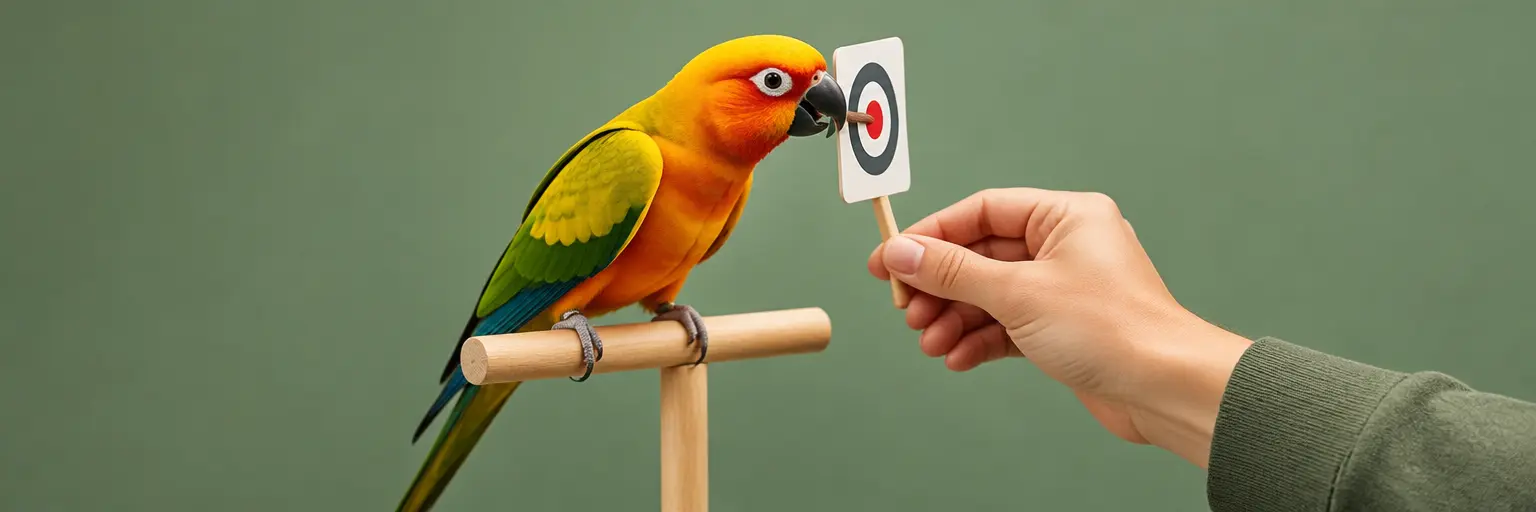
Unlock your feathered friend’s full potential with target training for birds—a fun, positive-reinforcement method that builds trust, sharpens mental agility, and strengthens your bond. Whether you’re teaching a budgie to step onto a perch or guiding a parrot through complex tricks, this gentle technique uses a simple pointer or stick to direct your bird’s natural curiosity into desired behaviors. Target training reduces fear, prevents boredom, and even simplifies vet visits or nail trims, making it an essential skill for any bird parent. With step-by-step routines, treat-based rewards, and patience, you’ll transform daily care into an engaging game—boosting your pet’s confidence while keeping their mind active and happy. Start today and watch your avian companion thrive!
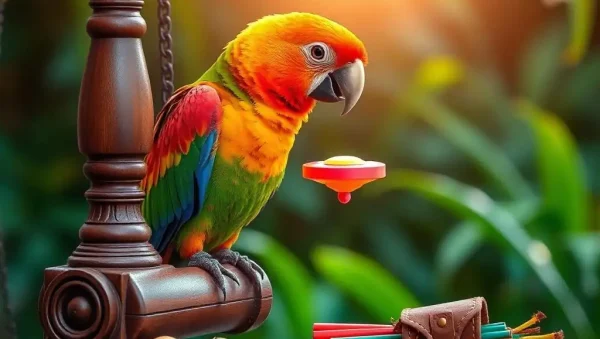
🐦 Unleash your bird's potential! PetCareWorld's guide reveals the best bird target training tools and techniques, empowering you to build a stronger…
Read article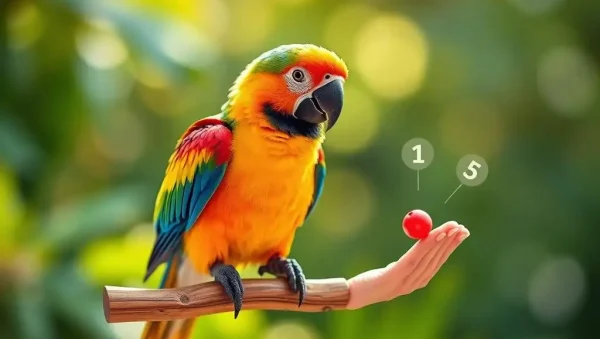
😊 Master your bird's behavior with our ultimate guide to target training. Learn step-by-step techniques for successful avian training, ensuring a happy…
Read article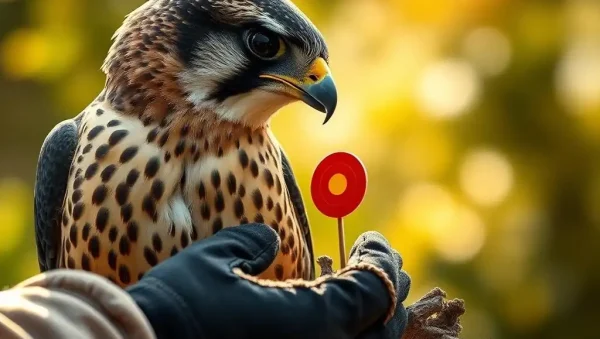
😊 Master the art of bird target training with patience and consistency! PetCareWorld shows you how this rewarding method, built on positive…
Read articleTarget training is a powerful, positive-reinforcement technique that transforms how you interact with your bird, whether you have a playful budgie, a clever cockatoo, or a majestic macaw. This subcategory within PetCareWorld’s Bird Care hub provides step-by-step guidance, expert tips, and troubleshooting advice to help you master this foundational skill. From teaching your bird to touch a stick or hand to building trust and reducing fear, target training is the gateway to advanced behaviors, easier vet visits, and a happier, more confident companion. Here, you’ll discover everything needed to start, refine, and excel at this rewarding training method, all rooted in science and compassion.
Before you begin target training, it’s crucial to gather the right tools and create a distraction-free environment. You’ll need a lightweight target stick (a chopstick or a commercial training wand works perfectly) and high-value treats your bird loves, such as small pieces of millet, sunflower seeds, or fruit. Choose a quiet room with minimal noise, and ensure your bird is calm and not too hungry or full. The goal is to set up a short, positive session—typically 5–10 minutes—where your bird feels safe and motivated to engage with you.
Consistency is key, so schedule training at the same time daily, preferably when your bird is alert but relaxed. Begin by simply holding the target near your bird’s cage, allowing them to inspect it without pressure. Reward any curiosity with praise and a treat. This initial phase builds a positive association, making your bird eager to interact with the target. Remember, patience is your biggest ally—never rush or force your bird, as this can create fear and setbacks. With a calm approach, you’ll set the foundation for successful training sessions that both you and your bird will enjoy.
The heart of target training lies in teaching your bird to touch the target on cue and then follow it. Start by presenting the target just a few inches from your bird’s beak. As soon as they touch it, even accidentally, mark the behavior with a click or a cheerful “Yes!” and immediately deliver a treat. Repeat this until your bird consistently touches the target. Once your bird masters the touch, slowly begin moving the target farther away, encouraging them to take a step toward it. Each successful move earns a reward, reinforcing the desire to chase and follow the target.
As your bird becomes more confident, you can increase distance and introduce directional commands like “step up” or “go to perch.” This technique is not just about movement; it’s about building a communication bridge between you and your bird. By consistently rewarding the follow behavior, you’ll teach your bird to move anywhere on cue, making it easier to guide them into a carrier, onto a scale, or away from hazards. Always keep sessions upbeat and end on a positive note, even if that means a short session. This builds trust and ensures your bird remains eager for future training.
Once your bird has mastered the basics, the possibilities are endless. Target training can be used to teach complex behaviors like fetching, spinning, or even performing simple obstacle courses. More importantly, it’s an invaluable tool for managing your bird’s health and safety. You can train your bird to voluntarily step onto a digital scale, enter a travel carrier, or present a wing for nail trimming without stress. This reduces the need for forceful handling, which can harm your relationship and cause anxiety. Advanced target training also helps desensitize birds to potentially frightening objects, like new toys or grooming tools, by associating them with positive rewards.
For owners of larger parrots, target training is a lifeline for preventing and addressing behavioral issues like biting or territorial aggression. By redirecting your bird’s attention to the target, you can guide them away from unwanted behaviors without confrontation. Additionally, it’s a fantastic mental enrichment activity that keeps your bird’s mind sharp and prevents boredom-related problems like feather plucking. Whether you dream of teaching your bird to push a toy car or simply want a stress-free way to manage their care, advanced target training offers a gentle, effective path forward, deepening your bond and enhancing your bird’s quality of life.
Even with the best intentions, training hiccups happen. If your bird ignores the target, it might be due to insufficient motivation—try offering a higher-value treat or shortening the session. If your bird seems fearful, you may have started too close or moved too quickly; take several steps back and regroup. Sometimes, birds become overly excited and start biting the target aggressively. In that case, reward only gentle touches and pause briefly when they bite, teaching them that calm behavior earns treats. Consistency and calmness are your best tools, so avoid showing frustration, as birds are highly perceptive to human emotions.
Another common issue is inconsistent behavior—your bird touches the target at home but not in a new environment. This is normal, as birds are context-sensitive. To generalize the behavior, practice in different rooms, with different people, and even outdoors (in a safe harness or carrier). Always use the same verbal cue and hand signal to help your bird understand that the behavior is expected everywhere. If progress stalls, take a break for a day or two and return fresh. Remember, every bird learns at its own pace, and patience is not just a virtue but a necessity. With persistence and a positive attitude, you’ll overcome these hurdles and enjoy a seamlessly trained companion.
To achieve lasting results, structure your training with clear goals and a consistent schedule. Aim for two to three short sessions daily, spaced out to prevent fatigue and maintain enthusiasm. Each session should last no more than 10 minutes, ending before your bird loses interest. Use a simple training journal or app to record your bird’s progress, noting what worked, what didn’t, and any new behaviors observed. This helps you identify patterns and adjust your approach proactively. For example, if you notice your bird is more responsive in the morning, plan key sessions then and use afternoons for trick practice.
Include a mix of known behaviors and new challenges to keep sessions balanced. Always start with a few successful repetitions of an established behavior to build confidence, then introduce new elements. Track the number of successful touches and follows, and gradually increase criteria—like distance or duration—in small steps. Celebrate small victories with extra praise or a special treat, as this boosts your bird’s motivation. Over time, your bird will look forward to training, seeing it as playtime with you. This routine not only accelerates learning but also strengthens your bond, making every moment with your feathered friend more meaningful and joyful.
You can start target training as soon as your bird is comfortable in its new home, typically after a few weeks of adjustment. Young birds learn quickly, but adult birds can also be trained successfully with patience. The key is ensuring your bird is calm, bonded to you, and food-motivated, regardless of age.
Most birds learn the basic touch within a few days of consistent sessions, while follow and more complex behaviors may take one to two weeks. However, progress varies by species and individual personality. Patience and daily practice are essential for steady, lasting results.
Yes, absolutely. Target training is a fantastic way to manage aggression because it redirects your bird’s focus onto a neutral object rather than your hand. It helps desensitize fears and builds trust without confrontation, making it a safe, effective tool for rehabilitating aggressive birds under supervision.
No, you don’t need expensive equipment. A clean chopstick, a pencil (unsharpened), or any long, slender object that’s safe for your bird to touch works fine. Many owners use commercially available target sticks with a colored end for easier visibility, but everyday items work just as well.
High-value, tiny treats are ideal—think pieces of millet, a broken sunflower seed, or a small slice of apple. The treat should be something your bird doesn’t get in its regular diet, making it extra special. Experiment to find your bird’s favorite, and always keep treats healthy and portion-controlled.







