Feather Plucking in Birds: Causes and Solutions
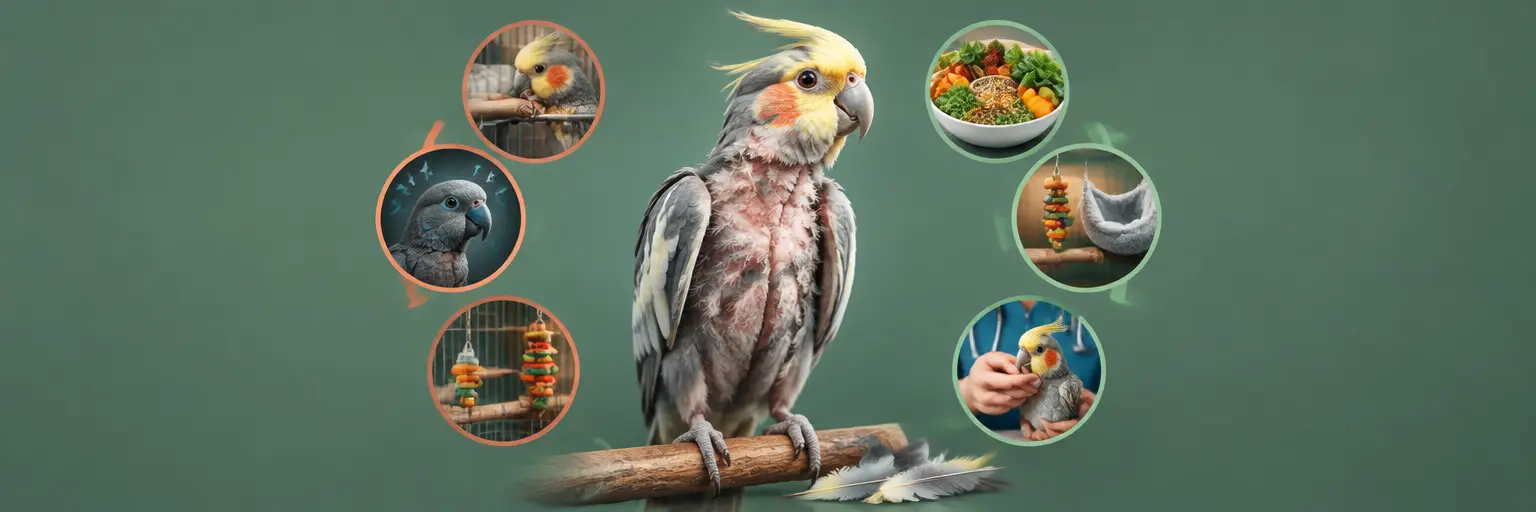
Welcome to PetCareWorld, your trusted resource for avian wellness. Feather plucking in birds is a distressing condition that affects both the bird and its owner, often signaling deeper physical or psychological issues. This subcategory explores the complex reasons behind this destructive behavior, ranging from medical conditions to environmental stressors, and, most importantly, provides actionable, compassionate solutions to help your feathered friend recover.
🩺 Identifying the Underlying Medical Causes
Feather plucking is rarely a standalone behavioral quirk; it frequently stems from undiagnosed health problems. Common medical triggers include bacterial or fungal infections, parasites like mites, liver or kidney dysfunction, and nutritional deficiencies, particularly a lack of calcium or vitamin A. Pain from arthritis or internal injuries can also drive a bird to over-groom, resulting in mutilation.
Before attempting any behavioral modification, a comprehensive veterinary examination is essential. An avian vet can perform blood work, skin scrapings, and feather follicle biopsies to rule out systemic disease. Never assume plucking is purely psychological without a professional diagnosis. Treating an underlying infection or correcting a dietary imbalance often resolves the plucking entirely, saving you and your bird months of frustration.
🧠 Psychological Stress and Environmental Enrichment
Captivity can profoundly stress intelligent birds, and feather plucking is their most common coping mechanism. Loneliness, boredom, lack of mental stimulation, or a monotonous cage environment are primary psychological catalysts. Birds are social animals; without daily interaction or engaging toys, they redirect energy into destructive preening. Changes in routine, new pets, or loud households amplify anxiety.
The solution lies in enriching their world. Provide foraging toys that hide food, rotate toys weekly, and introduce safe chewing materials like untreated wood or vegetable-tanned leather. Schedule at least one to two hours of out-of-cage time daily, offering positive reinforcement through training. Consistent, predictable routines dramatically reduce stress. Consider a second bird companion if you cannot commit substantial time, but first ensure isolation does not stem from a deeper fear.
🍽️ Nutritional Adjustments That Restore Feather Health
A poor diet is a silent contributor to feather plucking. Seed-only diets lack essential amino acids, zinc, and omega-3 fatty acids, leading to brittle feathers and itchy skin, prompting birds to over-preen. High-fat snacks also cause obesity, which restricts preening of tail and wing areas. Conversely, sudden dietary changes can stress a bird, worsening plucking.
Transition to a pelleted diet as the base, supplemented daily with dark leafy greens, carrots, and minimal fruit. Add a high-quality avian vitamin supplement, particularly during molting, to support new feather growth. Hydration matters, so provide filtered water and mist your bird daily to simulate rain, easing skin irritation. Consult your vet for a tailored feeding plan, and monitor droppings and weight during the transition to ensure your bird thrives.
🛁 Grooming and Skin Care Protocols for Relieving Itch
Often, plucking arises simply because the bird feels itchy or uncomfortable. Dry indoor air, improper bathing, or overgrown feather sheaths cause irritation. Many owners mistakenly avoid bathing, fearing the bird will get cold, but regular moisture soothes pruritus. Without proper humidity levels (above 40%), feathers become brittle and the skin flakes, triggering compulsive grooming.
Implement a gentle skincare regime: offer a shallow lukewarm bath or misting session three to four times weekly. Use a humidifier in dry climates. Trim only the affected feathers cautiously to prevent them from irritating adjacent follicles, but never clip a plucked area that needs protection. Use avian-safe topical sprays containing aloe or chamomile to reduce inflammation, but consult your vet before applying anything to raw skin.
🛡️ Behavioral Training and Positive Redirection Strategies
When plucking becomes habitual, it persists even after medical and environmental fixes. Your bird has learned that plucking provides a calming sensory reward. Bandages or Elizabethan collars are last-resort tools that prevent self-trauma but never address the motive. Positive reinforcement training is more effective: reward your bird for preening normally or playing with a toy, while ignoring the plucking behavior.
Consider "distraction training" – instantly offer a high-value treat or a puzzle whenever you see your bird reach for feathers. Never punish plucking, as this escalates anxiety. Create a "safe space" in the cage with a soft dish of warm wheatgrass or millet spray to encourage foraging instead of grooming. Over weeks, replace the plucking habit with a constructive one. For severe, self-mutilating cases, a board-certified avian behaviorist can design a customized counter-conditioning plan.
Frequently Asked Questions
Why does my bird pluck feathers only at night?
Nighttime plucking often signals disrupted sleep patterns. Birds need 10-12 hours of dark, quiet rest. Sudden noises, light pollution, or a diet high in sugar can cause nighttime anxiety. Ensure total darkness, cover the cage, and rule out pain from arthritis that worsens with inactivity.
Can a bird die from feather plucking?
Directly, plucking rarely kills, but severe mutilation can cause uncontrolled bleeding, infection, or shock. More commonly, it indicates a fatal underlying disease like psittacosis or tumors. Post-plucking, birds may become hypothermic or depressed, leading to self-starvation. Always seek urgent veterinary care if you see raw, bleeding skin.
Is feather plucking contagious to other birds?
No, the behavior itself is not contagious, but the underlying cause can be. Parasites, bacterial infections, and viral diseases like polyomavirus are highly transmissible. Quarantine new birds for 30 days and disinfect all feeding surfaces. If you suspect an infectious agent, test the affected bird first.
When should I expect to see new feathers grow after stopping plucking?
Once you correct the cause, new feather shafts may appear within 2-4 weeks, but full regrowth takes 6-12 months due to each feather's molting cycle. Healthy new feathers arrive as pin feathers that may look unusual. Continue enriching their environment and nutrition to support regrowth.
Should I let my bird pluck my hair or pull at my clothes?
No, this encourages aggression and reinforces the plucking motor pattern. Redirect that energy immediately to a chew toy or a piece of dry pasta. Touching your hair is a bonding behavior, but redirect it to a more appropriate preening toy to prevent you from becoming a plucking target.