Window Woes: Preventing Bird Collisions in Your Home
😊 Prevent bird window collisions with simple, effective solutions! Learn how to make your home safer for feathered friends by understanding why…
Read article
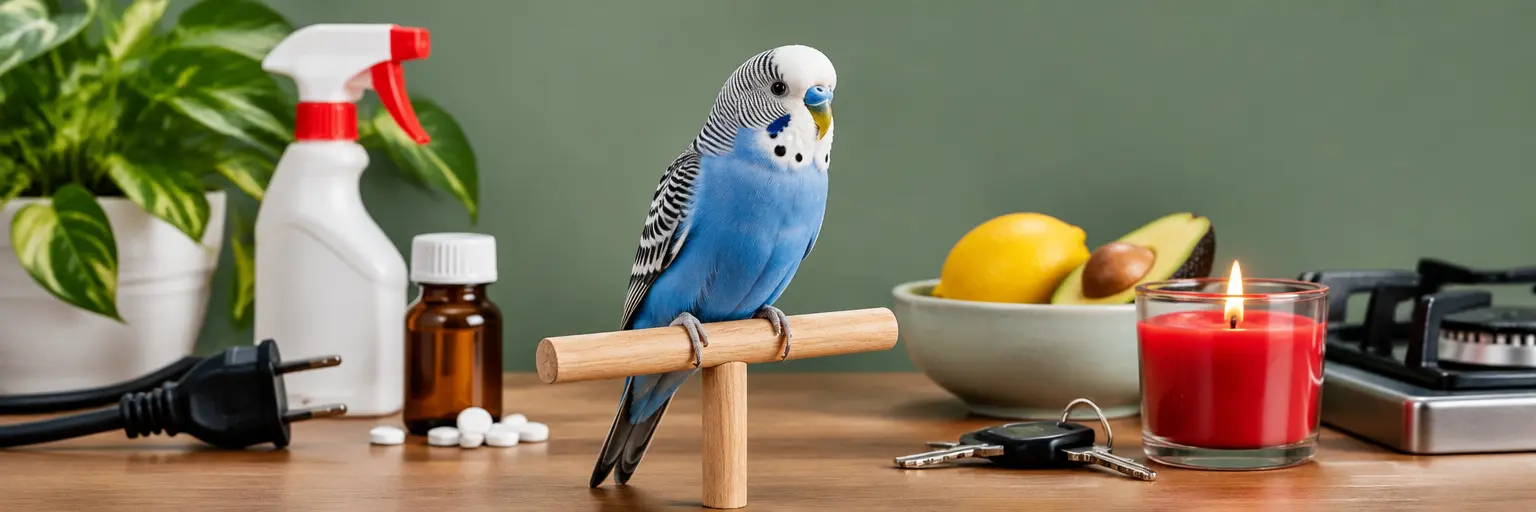
Your feathered friend’s curiosity knows no bounds, but their safe home may hide silent dangers in plain sight. From non-stick cookware fumes to toxic houseplants and open water bowls, everyday items like ceiling fans, mirrors, and cleaning sprays can pose serious threats to your bird’s respiratory system and safety. In this guide, we reveal the top household hazards for birds—from electrical cords and lead-based materials to toxic foods and unsupervised windows—so you can bird-proof your home with confidence. Learn how to identify hidden risks, create a safe free-flight zone, and adopt simple prevention tips that keep your avian companion thriving. Prioritize prevention over cure and ensure your bird enjoys a happy, hazard-free life at home.
😊 Prevent bird window collisions with simple, effective solutions! Learn how to make your home safer for feathered friends by understanding why…
Read article
😊 Protect your feathered friend! PetCareWorld reveals the hidden danger of bird carbon monoxide poisoning, offering crucial safety tips to keep your…
Read article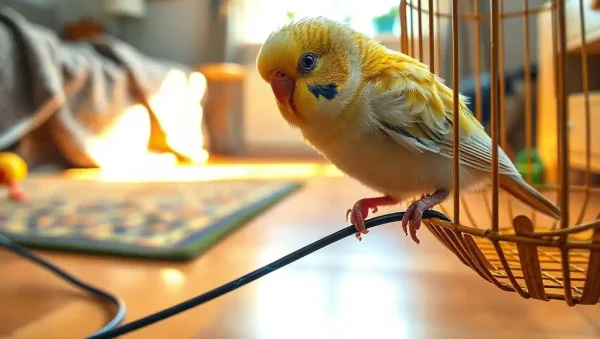
🐦 Keep your feathered friend safe! PetCareWorld's guide on bird electrical cord safety reveals simple steps to prevent dangerous shocks and chewing…
Read articleBringing a bird into your home is a joy, but it also comes with a serious responsibility: safeguarding your pet from hidden dangers that lurk in everyday household items. Many common products we use without a second thought—from non-stick cookware to scented candles—can be highly toxic or even fatal to birds. This guide is designed to help you identify, mitigate, and eliminate potential hazards, ensuring your avian companion enjoys a long, healthy, and vibrant life. Knowledge is your first line of defense when it comes to preventing accidents and creating a truly safe haven for your bird.
The kitchen is often the most dangerous room in the house for a bird. The primary threat comes from PTFE (polytetrafluoroethylene), a chemical found in most non-stick cookware, including pans, baking sheets, and even some waffle irons. When overheated, PTFE releases colorless, odorless fumes that can cause immediate respiratory distress and death in birds, a condition known as Teflon toxicity. Even a briefly forgotten pan can turn your kitchen into a lethal environment.
Beyond cookware, self-cleaning ovens use high temperatures to burn off residue, releasing fumes that are equally dangerous. Always ensure your bird’s cage is located far away from the kitchen, and ideally, keep your bird out of that room entirely while you are cooking. Ventilate the area thoroughly, and consider switching to stainless steel, cast iron, or ceramic cookware to eliminate the risk. Never assume a "bird-safe" label exists for cookware—verify the materials yourself to be certain.
Birds have incredibly sensitive respiratory systems, making indoor air quality a top priority. Many common air fresheners, scented candles, and essential oil diffusers release volatile organic compounds (VOCs) and particulate matter that can cause severe lung damage. Even "natural" or "organic" scented products can be harmful, as birds have no effective way to filter toxins from the air they breathe. Symptoms of exposure may include coughing, wheezing, tail-bobbing, or lethargy.
To protect your bird, opt for unscented, fragrance-free household products whenever possible. Use air purifiers with HEPA filters to remove particulates, and ensure your home is well-ventilated. If you must use candles, choose 100% pure beeswax or soy candles with no added fragrance, and never light them in the same room as your bird. Ventilation is your best friend—open windows (with secured screens) to allow fresh air circulation, but never place your bird in a drafty spot.
Many common houseplants and human foods are highly toxic to birds. Plants like philodendron, poinsettia, avocado (the leaves and pit), and dieffenbachia can cause symptoms ranging from oral irritation to organ failure. Similarly, chocolate, caffeine, alcohol, and avocado are absolute no-goes, along with high-fat, high-salt, or sugary snacks. Even a small nibble of the wrong plant can lead to a medical emergency, so it’s crucial to know exactly what’s in your home.
Before bringing any new plant or food item into your home, cross-reference it against a reliable bird toxicity list. When it comes to treats, stick to bird-safe options like fresh berries, leafy greens (romaine, kale), and small amounts of whole grains. Always wash produce thoroughly to remove pesticide residues, and avoid feeding your bird from your plate unless you are 100% sure every ingredient is safe. When in doubt, err on the side of caution and consult your avian veterinarian.
Physical dangers are often overlooked but are just as lethal as chemical ones. A bird can easily fly into a closed window or glass door, causing a broken neck or severe concussion. Ceiling fans are another common killer—the spinning blades can cause catastrophic injuries in an instant. Even open doors pose a risk, as a curious bird may escape outside, only to face predators or get lost in unfamiliar territory. Prevention is far better than emergency treatment in these cases.
To mitigate these risks, keep your bird’s wings trimmed (but only by a professional or someone trained), or ensure all windows have curtains or window decals that break up the reflective surface. Always turn off ceiling fans when your bird is out of its cage, and double-check that all doors and windows are closed behind you when moving around the house. Create a dedicated "safe flight zone" where your bird can exercise and explore without encountering glass or other hazards.
Many items you use daily can also pose risks to your bird. Heavy metals like lead and zinc are found in some older paint, costume jewelry, and certain metals used in cage bars or toys, leading to heavy metal toxicity if ingested. Similarly, small objects like buttons, coins, or even the caps of markers can be swallowed, causing crop impaction or choking. Household cleaners, aerosols, and even some paints contain chemicals that are highly volatile and dangerous to birds.
Regularly inspect your bird’s environment for potential ingestion hazards, and remove any toys or perches that contain unknown or potentially toxic materials. Use only bird-safe cleaning products (like diluted white vinegar or commercially available avian-safe cleaners) to wipe down surfaces near your bird’s cage. Store all chemicals, including laundry detergent, antifreeze, and insecticides, in sealed cabinets well out of reach. Always assume that anything you wouldn’t want a toddler to touch is also unsafe for your bird.
No, it is not safe. The fumes from a self-cleaning oven’s high-temperature cycle can travel throughout the house, even reaching rooms far from the kitchen. These fumes are extremely toxic to birds and can cause respiratory failure or death. It is best to move your bird to a completely different building or outside for the duration of the cleaning cycle and until the oven has fully cooled.
It is highly discouraged. Most scented candles and wax melts contain artificial fragrances and paraffin, which release smoke and VOCs that damage a bird’s delicate lungs. Even "soy" or "beeswax" candles with essential oils can pose a risk. If you must have a scent, use a non-electric air purifier with baking soda or open windows (with screens) for fresh air, but keep your bird in a separate, well-ventilated area.
Immediately remove your bird from the area and place it in a room with fresh, clean air. Contact your avian veterinarian or an emergency animal hospital right away. Signs include labored breathing, lethargy, coughing, or sudden collapse. Do not wait for symptoms to subside—toxic inhalation can be fatal within minutes, so prompt professional treatment is essential.
No, not all houseplants are dangerous. Safe options include spider plants, African violets, bamboo, and certain ferns like Boston ferns. However, many common plants are toxic, including lilies, ivy, and sago palm. Always research a plant’s toxicity before bringing it into your home, and keep all plants, even safe ones, out of reach to prevent accidental ingestion or pesticide exposure.
Begin by removing all toxic plants, small objects, and electrical cords. Cover windows with sheer curtains or decals, turn off ceiling fans, and close all doors. Ensure all cabinets are securely latched, and block any gaps where a bird could become trapped. Supervise your bird at all times, and provide plenty of bird-safe toys to keep it occupied while you watch.