Bird Grooming – Feather Care and Bathing: Essential Tips for a Healthy, Happy Companion
Welcome to PetCareWorld’s dedicated guide on bird grooming, focusing specifically on feather care and bathing. Proper feather maintenance is not just about aesthetics—it’s a cornerstone of your bird’s overall health, insulation, flight capability, and even social signaling. In this subcategory, we dive into the science of feathers, safe bathing methods, and proactive routines that prevent common issues like feather plucking, dry skin, and broken shafts. Whether you own a budgie, cockatiel, macaw, or canary, our expert-backed advice ensures your feathered friend stays vibrant, comfortable, and thriving.
🪶 Understanding Feather Anatomy and Growth Cycles
Feathers are complex, living structures that require a bird’s full nutritional and physical attention. Each feather emerges from a follicle, initially encased in a waxy sheath (pin feather) that the bird must preen to remove. Understanding molting cycles—typically occurring one to two times per year—is critical for adjusting grooming routines. During molt, you’ll see increased pin feathers, and your bird may feel sensitive or irritable. Providing extra bathing opportunities and ensuring a protein-rich diet (like sprouted seeds or boiled egg) supports healthy new growth. Recognizing abnormal feather loss, bald patches, or dull coloring early can signal dietary deficiencies, parasites, or stress.
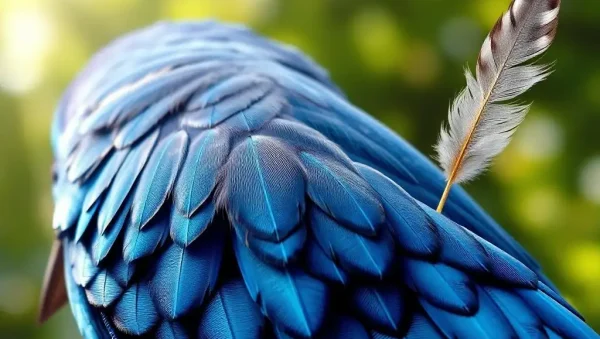
The feather structure itself includes the shaft, barbs, and barbules that zip together like Velcro. When this zipper fails, feathers appear frazzled. Regular bathing encourages preening, which naturally realigns barbules and distributes oil from the uropygial gland. This oil, also called preen oil, waterproofs feathers and maintains their sheen. If you notice excessive powder down (in cockatoos or African greys), it’s normal for some species, but excessive flaking may indicate low humidity. Keep a hygrometer in their room—aim for 45–60% humidity—especially during winter or air-conditioned months. Moisture in the air is as vital as water for bathing.
🚿 Safe Bathing Techniques: Water, Mist, and Shower
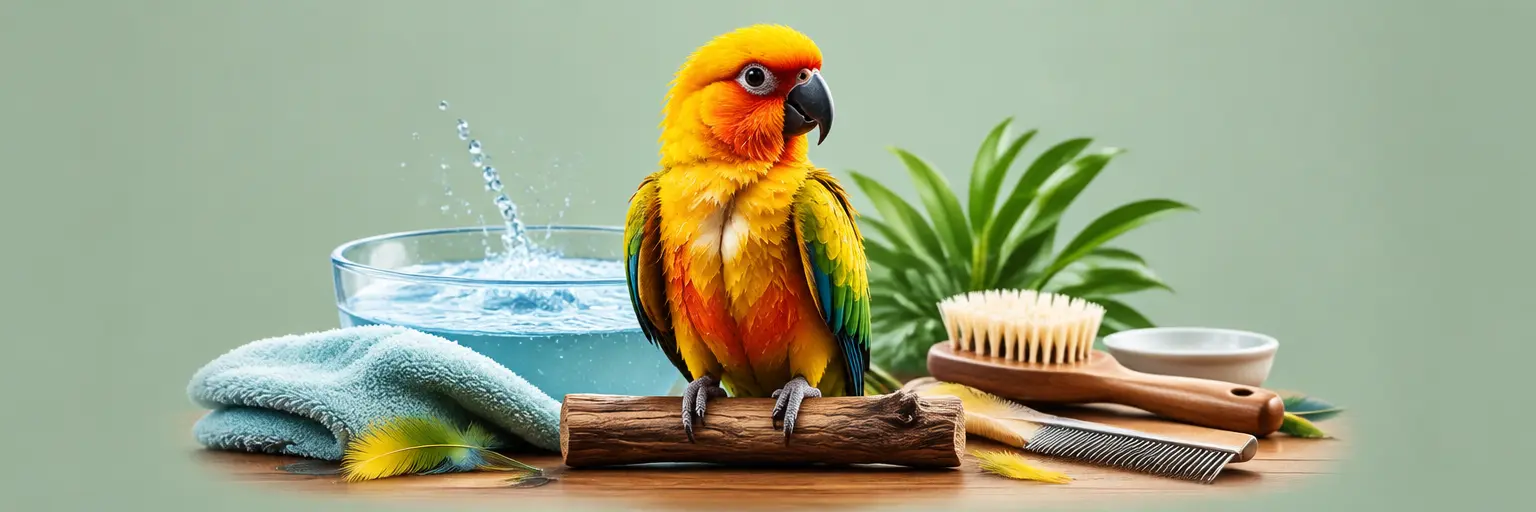
Bathing isn’t optional—birds need it for feather integrity, respiratory health, and mental stimulation. The simplest method is a shallow lukewarm water dish (not cold or hot) placed in their cage daily. Many birds prefer a morning bath, mimicking dew. For larger birds, a gentle spray mist with warm water from a clean plant mister replicates tropical rain. Keep the nozzle about 12 inches away and spray from above, so droplets fall like natural precipitation. Never spray directly into the face or nostrils—birds have a delicate respiratory system and can aspirate water. Alternatively, a dedicated bird shower perch in your human shower, running a gentle steam or drizzle, works wonders for active parrots.
Frequency depends on species and environment. Desert-dwelling birds (e.g., budgies) may bathe every other day, while tropical species (e.g., lorikeets) can enjoy daily sessions. Watch your bird’s cues: if they vigorously flutter in their water dish, they want more. If they avoid it, try a different method—some birds love a warm mist, others prefer a wet leafy vegetable like spinach to roll on. After bathing, ensure they are not in a draft. Provide a warm, draft-free area to dry, as wet feathers lose insulation rapidly. You can also offer a small heated perch (on low setting) away from the water source to help them dry comfortably. Never use hair dryers, as high heat and air pressure damage feathers.
🪮 Preening, Feather Powder, and Uropygial Gland Care
Preening is a bird’s natural grooming behavior where they run each feather through their beak, realigning barbs and removing debris. You should not interrupt this, as it’s crucial for their mental well-being. However, you can assist birds that struggle—such as elderly, arthritic, or overgrown-beak individuals—by gently rubbing the feather sheaths off with clean fingers or a soft cloth. Some species (cockatiels, budgies) produce feather dust or powder down, a natural byproduct that gathers in cages. While you can’t stop dust production, you can manage it by wiping perches and cage bars weekly with a damp cloth, and using a HEPA air purifier near their cage to reduce airborne particles for both their respiratory health and yours.
The uropygial gland, located at the base of the tail, secretes the preen oil. Inspect this area monthly for swelling, scabs, or blockages—these are unusual but can happen due to infection or over-preening. If the gland looks shiny, clean, and non-tender, it’s normal. Signs of a problem include redness, a hard lump, or your bird excessively biting at that area—consult an avian vet immediately, as surgical drainage may be needed. Conversely, some birds (like Amazons) may over-produce oil, making feathers look greasy. Gently wipe with a damp cotton ball (never soap) to help them. Never use human shampoos or conditioners—they strip natural oils and can cause skin irritation.
✂️ Wing, Nail, and Beak Grooming During Feather Care
Feather care overlaps with other grooming tasks, particularly wing clipping and nail trimming. A proper wing clip should only be done by a vet or experienced handler, as incorrect clipping can cause injuries or balance issues. The goal is not to prevent flight entirely but to limit lift so the bird can glide safely to the floor—typically clipping the first 4–6 primary flight feathers on each wing. Never clip only one wing, as this causes unbalanced flight and painful falls. Regular nail trims (every 4–6 weeks) prevent snagging on perches, which can pull feathers out painfully. Use a bird-specific nail clipper and quick-stop powder (styptic) to control bleeding if you cut too short.
Beak overgrowth can interfere with preening—an overlong beak prevents proper feather alignment. Offer natural wood perches, cuttlebone, and mineral blocks to promote wear. If the beak becomes severely overgrown, a vet will trim it, but this rarely needs doing if the bird has proper chewing materials. During feather care, inspect the beak for cracks or flaking, and clean any dried food buildup with a soft toothbrush (never your own). Also, check the cere (the area above the beak) for crusting, which can indicate mites or vitamin deficiency. A holistic approach integrating all grooming elements ensures your bird’s feathers receive the full benefit of a healthy body. Combine these routines with monthly vet checkups to catch early issues.
🌿 Creating a Feather-Friendly Environment: Humidity, Diet, and Stress Reduction
Feather condition is a direct indicator of environmental quality. Dry indoor air causes brittle feathers, flaky skin, and static electricity, which can damage feather structure. Place a humidifier in the bird’s room or use a shallow water dish near a heat source (never on it) to evaporate moisture. Ideal humidity for most pet birds is 50–60%. Additionally, provide a full-spectrum UVB light (not just UVA) for 10–12 hours daily—birds synthesize vitamin D3 from UVB, which is essential for calcium metabolism and feather protein formation. Without enough UVB, feathers become weak and prone to breakage. Natural sunlight through a window is insufficient because glass blocks UVB rays, so invest in a bird-specific lighting fixture and replace bulbs every six months.
Diet plays a monumental role in feather health. A seed-only diet is often deficient in vitamins A, E, and essential fatty acids, leading to dull, brittle feathers. Offer a high-quality pelleted diet (≥60% of their food), plus fresh vegetables (dark leafy greens and orange veggies like carrots, sweet potato), small amounts of fruit, and occasional protein like scrambled eggs or whole grains. Omega-3 fatty acids, found in flaxseed or a small pinch of chia seeds, improve feather flexibility and shine. Stress is another major feather killer—birds that are bored, lonely, or frightened often pluck or chew their feathers. Enrichment toys, daily out-of-cage time, and consistent interaction mitigate anxiety. A calm, predictable routine around bathing and feeding builds trust, making grooming a positive bonding experience rather than a stressful event.
Frequently Asked Questions
How often should I bathe my bird?
Most birds benefit from bathing 2–3 times a week, but adjust based on species and personal preference. Budgies and cockatiels enjoy frequent misting, while larger parrots may prefer every other day. Watch your bird’s reaction—if they eagerly enter a water dish or flutter under spray, increase frequency. If they resist, try a different method.
Can I use human shampoo or soap on my bird’s feathers?
Absolutely not. Human shampoos and soaps strip essential oils from feathers and skin, causing dryness, itching, and potential skin infections. Use only plain lukewarm water for bathing. For stubborn dirt or droppings, allow them to soak and gently wipe off with damp cotton—never chemical cleaners.
Why is my bird’s feather dust excessive?
Feather dust (powder down) is normal in species like cockatoos, African greys, and cockatiels. It repels dirt and helps waterproofing. However, excessive dust can indicate low humidity or poor diet. Increase mist bathing, add a humidifier, and ensure balanced nutrition. If dust is accompanied by bald patches or skin redness, consult an avian vet.
My bird is plucking feathers—what should I do first?
Plucking is a symptom, not a disease. First, rule out medical causes (skin mites, allergies, infection) with a vet visit. Then assess stress, boredom, or cage size. Add foraging toys, increase social time, and ensure at least 10–12 hours of darkness for sleep. Never punish plucking—it worsens anxiety. Consider a vet-recommended avian behaviorist.
Should I use a blow dryer after my bird bathes?
No. Hair dryers produce hot, turbulent air that damages feather shafts and burns sensitive skin. Instead, let your bird dry naturally in a warm, draft-free area. You can gently dab with a soft towel (never rub) to remove excess water. A space heater placed at a safe distance (at least 3 feet) can provide ambient warmth without direct airflow.