Feather Perfect: The Ultimate Guide to Bird Feather Health
😊 Maintain your feathered friend's vibrant plumage! This expert bird feather health guide from PetCareWorld offers essential tips for preventing and treating…
Read article
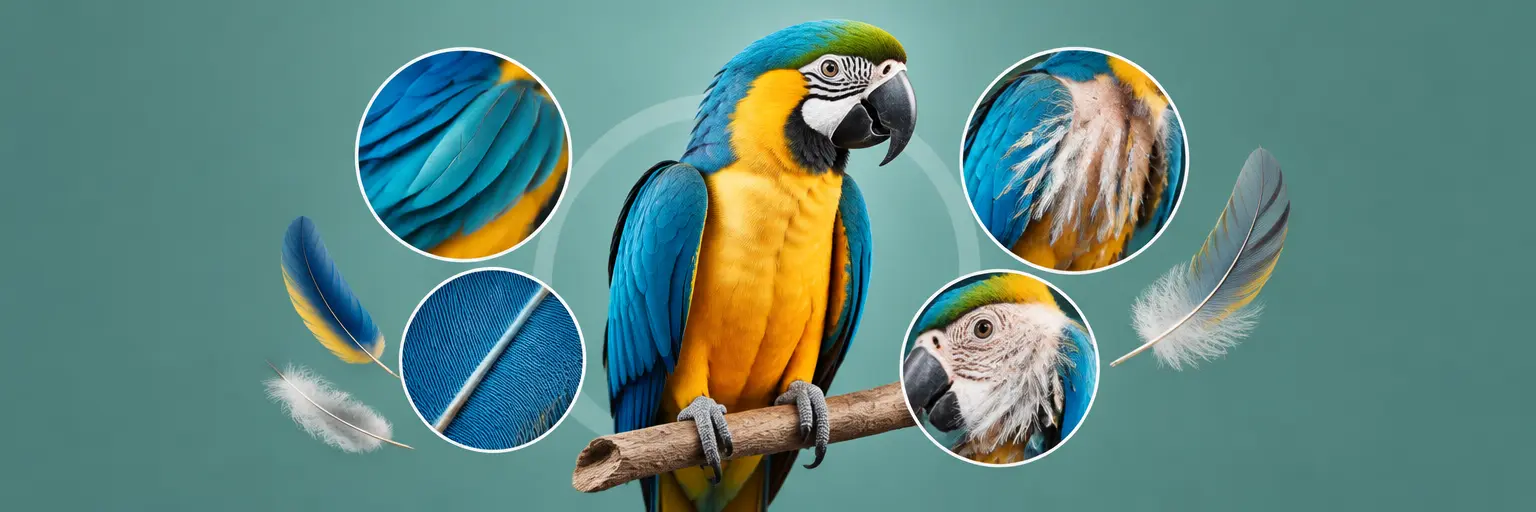
Your bird’s feathers are more than just a colorful coat—they’re a vital indicator of overall health, insulation, and flight capability. Proper feather care and understanding the molting process are essential for every bird owner, whether you have a parrot, canary, or cockatiel. During molting, birds naturally shed old, worn feathers to make way for new growth, but this period can be stressful and nutrient-demanding. Watch for signs like excessive feather loss, bald patches, or abnormal feather picking, which may signal nutritional deficiencies, stress, or underlying illness. Support your feathered friend with a protein-rich diet, ample hydration, and gentle bathing to ease itching and remove debris. Regular access to sunlight or full-spectrum lighting helps trigger healthy molting cycles. By mastering these fundamentals, you’ll ensure your bird’s plumage stays vibrant, strong, and resilient—keeping them comfortable, active, and beautifully feathered all year round. Learn how to spot healthy versus problematic molting and discover practical tips to turn this natural transition into a breeze.
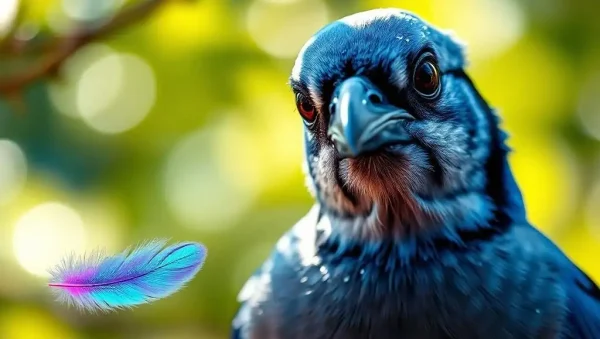
😊 Maintain your feathered friend's vibrant plumage! This expert bird feather health guide from PetCareWorld offers essential tips for preventing and treating…
Read article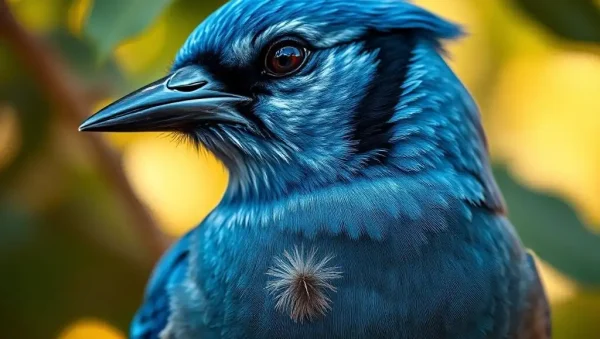
🤔 Notice your bird's feathers changing color? PetCareWorld explains what altered plumage signifies, offering insights into potential health issues and underlying causes.…
Read article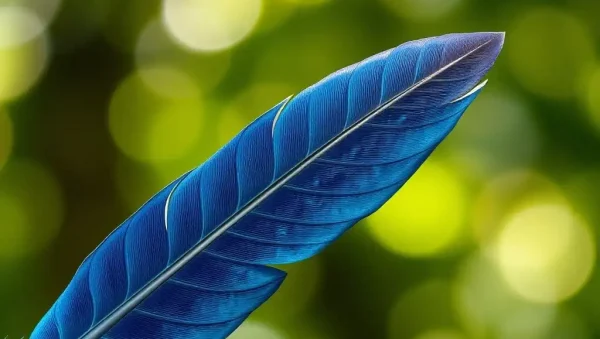
🤔 Discover if those stress lines on your bird's feathers are a cause for concern. PetCareWorld explores potential bird feather stress lines…
Read articleYour bird's feathers are more than just a colorful coat—they are vital indicators of overall bird health, insulation, flight capability, and social signaling. The molting process, during which old feathers are shed and new ones grow, is a natural but taxing phase that requires specialized nutritional and environmental support. This guide from PetCareWorld explores the essentials of feather health and molting, helping you recognize normal cycles, prevent common issues like feather plucking, and ensure your feathered friend remains vibrant and resilient throughout every stage of its life.
Molting is a cyclical process where birds replace worn-out feathers with fresh growth, typically occurring once or twice a year depending on species, age, and lighting conditions. During this period, you may notice increased preening, loose feathers around the cage, and a slightly scruffy appearance. Normal molting follows a symmetrical pattern, with feathers shedding gradually rather than in large bald patches. This phase can last from several weeks to a few months, and each new feather emerges from a vascularized pin structure that eventually unfurls into a smooth, healthy vane.
Key expectation for owners: A healthy molt should not cause lethargy or loss of appetite, though birds may be more irritable due to heightened skin sensitivity. Ensure your bird has access to bathing opportunities, as moisture softens the keratin sheaths, making removal easier and less stressful. If your bird experiences excessive bleeding, bare patches, or appears painful, consult an avian veterinarian promptly, as these can signal underlying bird health issues like poor diet or systemic illness.
Feathers are composed of approximately 90% protein, making high-quality amino acids the cornerstone of feather health and molting support. During molt, your bird’s protein requirement can increase by up to 25%, so a diet of only seeds, which are high in fat and low in protein, is insufficient. Incorporate a balanced pellet base, supplemented with cooked eggs, legumes, and small amounts of lean meat or insects for insectivorous species. Vitamins A, D3, E, and B-complex—especially biotin—play critical roles in keratin production and feather follicle function.
What you can expect from this approach: A noticeable improvement in feather color intensity, shaft strength, and reduced breakage. Always provide a cuttlebone or mineral block for calcium, as deficiencies can lead to brittle feathers and abnormal molting patterns. Hydration is equally important; offer fresh water daily and consider misting to encourage preening. Avoid over-supplementing without veterinary guidance, as excess vitamins can be toxic and harm bird health rather than help.
Molting is strongly influenced by photoperiod—the duration of daily light exposure. In the wild, seasonal changes trigger molt, but indoor birds rely on consistent, artificial lighting. Provide 10–12 hours of daylight (using a full-spectrum lamp) followed by a dark, quiet night to mimic natural rhythms. Temperature should remain stable between 65–80°F (18–27°C), avoiding drafts that chill the bird during vulnerable feather regrowth. Humidity levels below 40% can dry out skin, causing itching and incomplete feather unfurling.
Practical expectations: By adjusting your home environment, you can reduce stress-induced feather loss and promote smoother molting. Use a humidifier in dry climates or place shallow water dishes near the cage for evaporation. Sudden changes in temperature or light can disrupt the molting cycle, so keep the bird’s enclosure away from heating vents, windows with harsh sun, or air conditioning units. Regularly check new feather pins for signs of damage, as broken pins can lead to bleeding and infection.
Feather plucking is a distressing symptom that distinguishes from natural molting—it involves the bird actively removing intact feathers, often due to stress, boredom, allergies, or underlying medical conditions like dermatitis or parasitic infections. Abnormal molt patterns include continuous heavy shedding, feather cysts, or delayed growth. Observe your bird’s behavior: does it chew feathers only over the chest and wings? Is there a sudden onset after a move or new pet? These clues help differentiate behavioral versus physical causes.
What to expect from troubleshooting: First, rule out medical issues with a vet exam, including skin scrapes and blood work. Next, enrich the environment with foraging toys, social interaction, and out-of-cage time to reduce psychological triggers. For temporary moisture, aloe vera sprays can soothe irritated skin, but never apply human lotions. If you notice excessive itching, lesions, or continuous blood on feather shafts, these are emergency signs requiring immediate professional care, not just home adjustments.
Proper grooming accelerates comfortable feather shedding and prevents damaging “pin feather” breakage. Offer a shallow bath 2–3 times weekly during molt, or gently mist your bird with lukewarm water. Additionally, provide a preening-friendly environment—clean, smooth perches of varying diameters help remove old sheaths naturally. Some owners opt for gentle hand-assisted removal of dried keratin caps, but only if the feather is fully mature and the shaft is white; never pull red/brown pins as they are blood-filled and painful.
Expected outcomes of regular grooming: Fewer retained sheaths, cleaner feather condition, and reduced irritation that leads to self-trauma. Check the oil gland near the tail base; healthy preening spreads its secretions for waterproofing. During molt, supplementing with omega-3 fatty acids (like flaxseed oil) supports skin barrier function. Avoid clipping wings during active peak molt, as new blood feathers need protection. Proper grooming paired with optimal nutrition ensures your bird emerges from molting with a fuller, brighter plumage and stronger overall bird health.
Most birds complete a molt in 6 to 12 weeks, but small species like budgies may finish in 3–4 weeks, while larger parrots can take several months. The duration depends on age, genetics, diet, and environmental stability. If molting stretches beyond four months or feathers grow abnormally sparse, a vet visit is recommended to rule out metabolic disease.
Yes, bathing is highly beneficial during molt. It softens the outer keratin sheaths, making them easier to remove and reducing itchiness. Use plain lukewarm water—never soap or shampoo. Offer a shallow dish or mist spray three times a week. After bathing, keep your bird in a warm, draft-free room to prevent chilling.
This could indicate an incomplete molt, often caused by stress, malnutrition, or hormonal imbalances. Check for underlying issues like low protein intake, vitamin A deficiency, or thyroid problems. Also, assess recent changes in routine or household noise. If bare skin persists beyond a month, seek avian veterinary evaluation.
Yes, but handle gently, avoiding direct pressure on the dark, blood-filled pins. These are highly sensitive, and rough handling can cause pain and rupture. Gently stroke the head and neck, but let your bird preen its own body. Supervised hand-reduction of only dry, white sheaths is safe if performed carefully.
Absolutely. Increase protein and healthy fats temporarily to support feather production. Add cooked egg, plain scrambled egg, or a commercial molt supplement. Also boost vegetables high in beta-carotene like sweet potato and kale. After the molt, you can taper back to a maintenance diet, but continue providing balanced nutrition to prevent future deficits.