Setting Up a Reptile Terrarium: The Essential Basics
Welcome to PetCareWorld’s dedicated guide on setting up a reptile terrarium from scratch. Whether you are a first-time reptile keeper or looking to refine your enclosure skills, this subcategory covers the foundational elements every reptile owner must master. From choosing the right glass tank and substrate to managing heat gradients, UVB lighting, and humidity levels, we simplify the science behind creating a safe, stress-free habitat. A properly configured terrarium is the cornerstone of reptile health, preventing common issues like metabolic bone disease and respiratory infections, so let’s build a thriving environment your scaly friend will love.
🦎 Choosing the Right Tank Size and Material
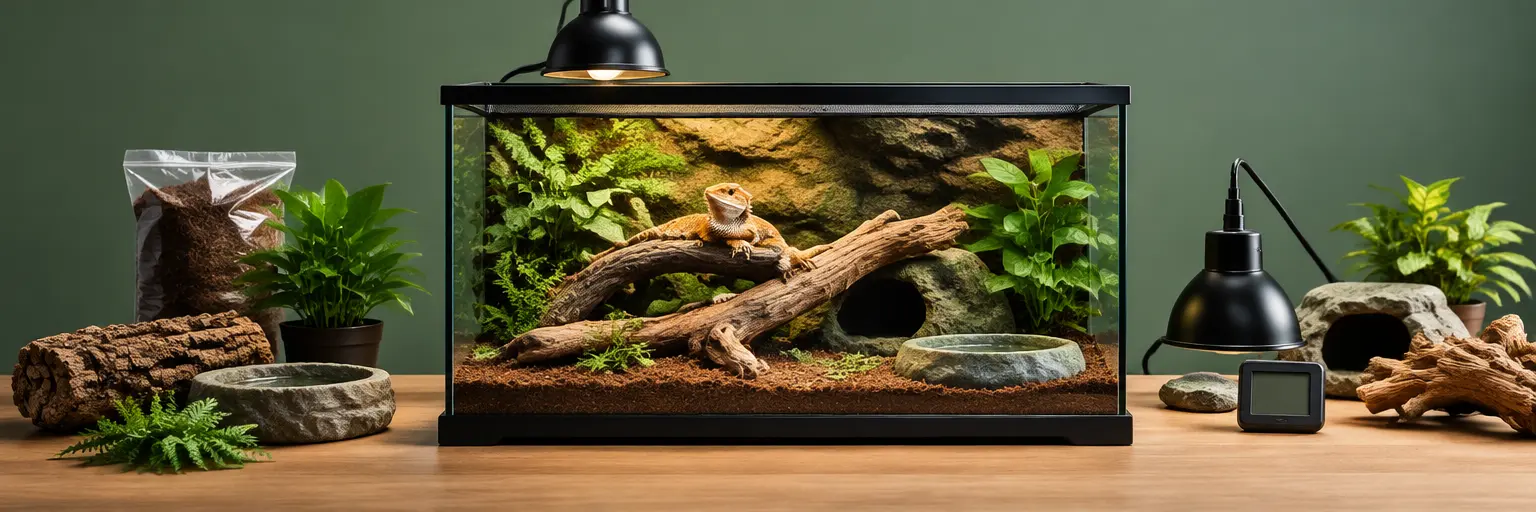
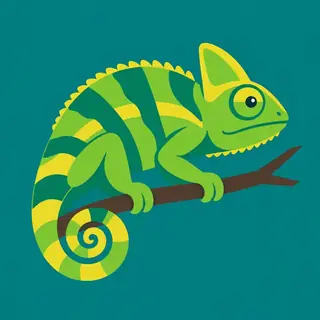
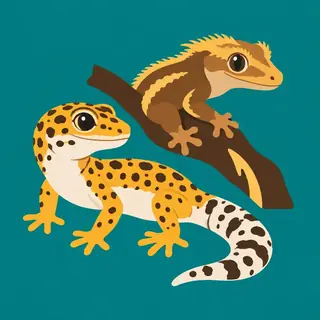
Selecting the correct enclosure is the first critical decision. The tank size should mimic your reptile’s natural roaming space—a juvenile leopard gecko needs a 20-gallon long tank, while adult bearded dragons require a 75-gallon or larger. Glass terrariums offer excellent visibility and heat retention, while PVC or wooden vivariums excel at maintaining humidity. Always ensure the lid is secure with proper ventilation to prevent escapes. A too-small tank causes stress and stunted growth, so prioritize horizontal floor space for terrestrial species and vertical height for arboreal reptiles like chameleons.
Material choice directly influences thermal dynamics. Glass loses heat quickly, making it ideal for desert species but challenging for tropical ones. Conversely, wood and PVC insulate better, reducing energy costs and stabilizing temperature fluctuations. For beginners, a front-opening glass terrarium is user-friendly for cleaning and feeding. Consider the adult size of your reptile, not just its current size, to avoid an expensive upgrade later. Always research your specific species’ spatial needs before purchasing to guarantee long-term comfort and health.
🌡️ Heat Sources and Temperature Gradients
Reptiles are ectothermic, meaning they rely on external heat to regulate body temperature. A proper terrarium must have a thermal gradient, with a basking zone set at 85–95°F and a cool zone at 70–80°F, depending on the species. Use a combination of an overhead heat lamp for daytime basking and an under-tank heating pad or ceramic heat emitter for nighttime warmth. Always attach a thermostat to prevent overheating, which can cause burns or death. Never use hot rocks—they cause severe thermal burns due to uneven heat distribution.
Invest in a digital thermometer with probes placed at both ends of the enclosure to monitor the gradient accurately. Infrared temperature guns are also helpful for spot checks. During the day, provide a 12-hour light-dark cycle, and at night, switch to a nocturnal heat source that emits no visible light if your reptile is nocturnal. Remember that ambient room temperature affects the terrarium, so adjust wattage seasonally. Consistent, controlled heat is non-negotiable for digestion, metabolism, and immune function, making this the most vital element of your setup.
💡 UVB Lighting: The Silent Health Essential
UVB light is critical for synthesizing vitamin D3, which enables calcium absorption—essential for bone health. Without it, reptiles develop metabolic bone disease, a painful and often fatal condition. Choose a fluorescent UVB tube that spans at least two-thirds of the tank’s length, with a reflector for maximum output. For desert species like bearded dragons, use a 10.0–12% UVB bulb; for forest dwellers like crested geckos, a 5.0–6% is sufficient. Replace bulbs every 6–12 months, as UVB output declines even if visible light persists.
Position the UVB bulb 10–12 inches above the basking spot, without glass or plastic blocking the rays, since they filter out UVB. A mesh screen reduces output, so place the bulb inside the terrarium when possible. Combine UVB with a white heat bulb for a natural day cycle. Never rely on sunlight through a window—glass filters out UVB entirely. For nocturnal species that don’t bask, UVB is still beneficial but often provided in lower concentrations. Regularly observe your reptile for signs of lethargy or bone deformities, and consult a vet if concerns arise.
🪨 Substrate Selection: Safety and Practicality
Substrate is the flooring material inside your terrarium, and choosing correctly prevents impaction—a digestive blockage from accidental ingestion. For arid species, use reptile-safe sand mixed with soil, but avoid pure calcium sand that encourages consumption. For tropical reptiles, coconut fiber or sphagnum moss retains humidity. Beginners often prefer paper towels, newspapers, or reptile carpet for ease of cleaning and zero impaction risk, especially with young animals. Never use pine, cedar, or cat litter as these are toxic or abrasive.
Layer substrate 1–2 inches deep for digestibility, but for burrowing species like leopard geckos, provide 3–4 inches of a loose, diggable mix. Avoid sharp materials like crushed walnut shells that cause scratches. Spot-clean daily and fully replace the substrate every 4–6 weeks to prevent bacterial growth. If you notice your reptile licking the substrate frequently, switch to a non-particulate option immediately. Consider live plants or leaf litter for enrichment, but ensure they are reptile-safe and pesticide-free. A good substrate balances aesthetics with health, making it a key factor in your terrarium’s ecosystem.
🌿 Humidity and Hydration Management
Maintaining proper humidity is as crucial as temperature. Rainforest species, like green tree pythons, need 60–80% humidity, while desert dwellers, like uromastyx, require only 20–30%. Use a hygrometer to monitor levels, and adjust using a misting system, manual spray bottle, or a shallow water dish placed over a heat source to evaporate moisture. For arid tanks, provide a moist hide—a container filled with damp sphagnum moss—to support shedding. Avoid constant dampness, which promotes scale rot and fungal infections.
Water should always be fresh and dechlorinated; bowls must be heavy enough to prevent tipping. Some reptiles prefer to drink from leaves or a dripper system, so mimic natural rainfall with a timed misting schedule. For species that absorb water through their skin, like amphibians (if applicable), maintain a wet but not waterlogged substrate. Use a digital hygrometer with memory to track daily fluctuations. Remember that ventilation affects humidity—mesh tops lower it, while solid lids raise it. Regularly assess your reptile’s shedding success and overall skin condition as indicators of proper humidity levels.
🌱 Decor, Hides, and Enrichment
A bare tank causes chronic stress, lowering immunity and appetite. Provide at least two hides—one on the warm side and one on the cool side—so your reptile can thermoregulate safely. Use cork bark, rock caves, or commercially available reptile hides. Add climbing branches, vines, and sturdy ledges for arboreal species. Live plants like pothos, snake plants, and bromeliads improve aesthetics and humidity but choose non-toxic options. Arrange decor to create visual barriers, reducing fear and promoting natural behaviors like climbing, burrowing, and basking.
Environmental enrichment prevents boredom and obesity. Rotate decor every few weeks, introduce new scents safely via food items, and offer puzzle feeders for intelligent species. Ensure all items are securely anchored to prevent collapses that could injure your pet. Avoid sharp edges and ensure any wood is heat-treated to remove pests. The goal is to replicate a microhabitat that encourages activity and mental stimulation. A well-designed interior not only benefits the reptile’s well-being but also enhances your viewing pleasure, making your terrarium a striking centerpiece in your home.
Frequently Asked Questions
What is the easiest reptile to keep for beginners?
Leopard geckos are ideal for beginners due to their docile nature, simple diet of insects, and modest terrarium requirements. They tolerate a range of temperatures, need minimal UVB exposure, and adapt well to captive life. Their care is forgiving, making them perfect for learning the basics of heat, substrate, and feeding without high risk.
How often should I clean my reptile terrarium?
Spot-clean daily by removing feces, uneaten food, and shedding skin. Perform a deep cleaning every 4–6 weeks by emptying the tank, washing all decor with a reptile-safe disinfectant, and replacing the substrate. Regular cleaning prevents bacterial growth and parasite infestations, ensuring a healthy environment.
Do I need a thermostat with a heat lamp?
Yes, absolutely. A thermostat is mandatory to regulate temperatures and prevent overheating, which can cause burns or death. Even low-wattage bulbs can spike temperatures dangerously. Use a dimming or pulse thermostat for overhead lamps and an on/off for heat mats, ensuring safe, stable conditions.
Can I use a regular household bulb for basking?
You can use a broad-spectrum incandescent bulb for heat, but it provides no UVB. For basking, a dedicated reptile bulb is better to emit proper wavelengths. While regular bulbs work for warmth, they lack targeted spectral output, so combine them with a separate UVB fluorescent tube for complete lighting.
How can I raise humidity without making the substrate soggy?
Use a spray bottle to mist decor and one side of the tank, then let it dry partially before reapplying. Provide a humid hide with damp moss instead of wetting the entire substrate. Increase ventilation slightly to prevent condensation and always use a hygrometer to target your species’ specific range.