
Creating the Perfect Reptile Home: MustHave Basics for a Thriving Terrarium

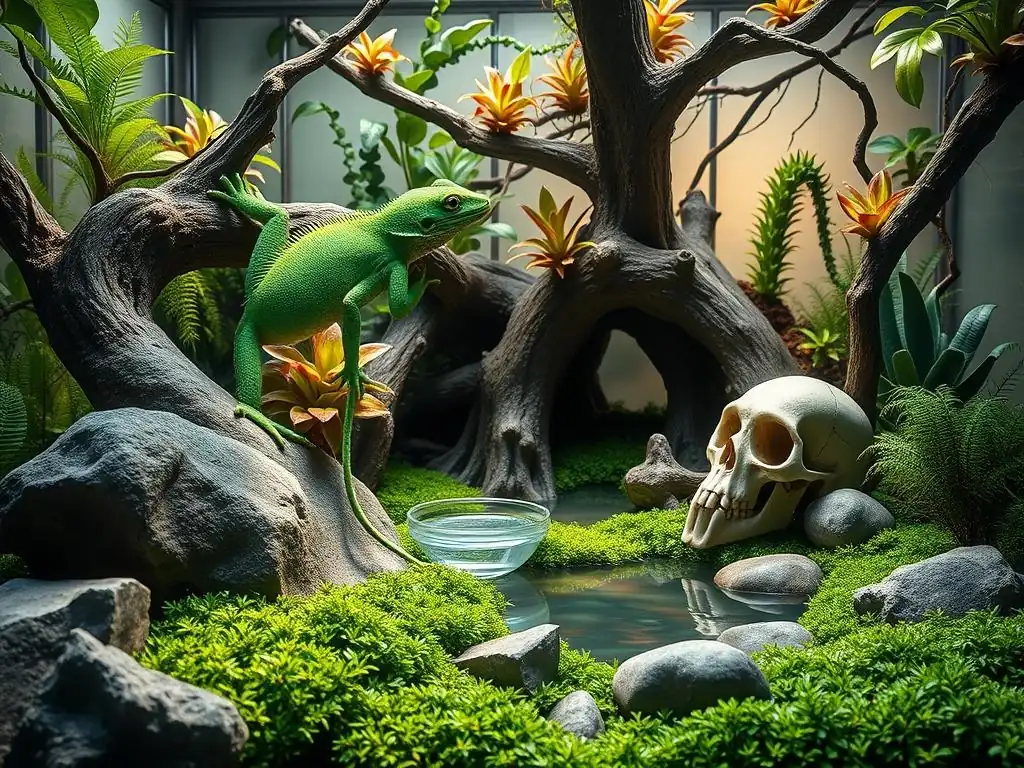
Welcome to PetCareWorld, your ultimate guide to a happier, healthier life for your beloved companions! Are you ready to create a thriving paradise for your scaly friend? Our expert guide on the best reptile terrarium setup unlocks the secrets to building the perfect habitat, ensuring your reptile thrives. Discover the must-have basics and delve into the details that transform a simple enclosure into a vibrant, enriching environment. Dive in and unlock the key to a flourishing reptile companion!
- The Ultimate Best Reptile Terrarium Setup Guide: Choosing the Right Enclosure
- Creating the Ideal Reptile Terrarium Environment: Temperature and Humidity Control
- Essential Equipment for a Successful Reptile Terrarium Setup
- Decorating Your Reptile Terrarium: Enhancing Aesthetics and Enrichment
- Best Practices for Reptile Terrarium Setup: A Step-by-Step Guide
- Common Mistakes to Avoid When Setting Up a Reptile Terrarium
-
Frequently Asked Questions
- What are the essential components of a reptile terrarium?
- How do I choose the right substrate for my reptile?
- What kind of lighting is necessary for a reptile terrarium?
- How important is humidity control in a reptile terrarium?
- Where can I find more information on setting up a terrarium for my specific reptile?
- Final Reflection: Cultivating a Thriving Ecosystem, One Terrarium at a Time
- Unleash Your Inner Reptile Keeper: Build the Perfect Habitat Today!
The Ultimate Best Reptile Terrarium Setup Guide: Choosing the Right Enclosure
Creating a thriving reptile habitat requires careful planning and attention to detail. This comprehensive guide will walk you through the essential steps to building the perfect reptile terrarium, focusing on providing a safe, stimulating, and species-appropriate environment for your scaly friend. We'll cover everything from selecting the right enclosure size to understanding crucial aspects like ventilation and substrate selection. This guide aims to be your ultimate resource for setting up a successful reptile terrarium, helping you provide the best possible care for your pet and ensuring their long-term health and happiness.
Following these steps will dramatically increase your chances of success in keeping a happy and healthy reptile, making your experience more rewarding and less stressful. This guide will help you avoid common pitfalls and create a truly exceptional reptile home, earning you the title of the best reptile keeper on the block! 🦎
Selecting the Appropriate Terrarium Size for Your Reptile
Choosing the right terrarium size is paramount. A terrarium that's too small will stress your reptile, leading to health problems, while one that's too large can make temperature and humidity regulation difficult. The size of your terrarium should be determined by the adult size of your reptile, considering both its length and its overall body mass. For example, a large adult bearded dragon will require a significantly larger enclosure than a juvenile leopard gecko.
Remember to factor in the space your reptile needs for basking, hiding, and exploring. A good rule of thumb is to aim for a terrarium that allows your reptile ample room to move around comfortably without feeling cramped. Consider the species-specific requirements: arboreal (tree-dwelling) reptiles need taller enclosures, while terrestrial (ground-dwelling) reptiles need more floor space.
Avoid overcrowding, as this can lead to increased stress and aggression, particularly in social species. Always research the specific needs of your chosen reptile species before purchasing a terrarium. Accurate measurements and species-specific knowledge are crucial for responsible reptile keeping.
Essential Materials: Substrate, Hiding Places, and Branches for Reptile Habitats
Once you've chosen the right enclosure, selecting the appropriate substrate is key. The substrate should be safe, absorbent, and appropriate for your reptile's species. Avoid substrates that can be ingested and cause impaction, such as sand or small gravel, for species prone to accidental ingestion. Paper towels, reptile carpet, or specific reptile-safe substrates are generally safer options.
Providing ample hiding places is crucial for reducing stress and promoting natural behaviors. These can include caves, cork bark, or half-logs. The number and placement of hiding places should also be species-specific. For example, nocturnal reptiles will need more dark hiding places, while diurnal reptiles may benefit from a combination of sunny and shady retreats.
Similarly, the inclusion of branches, rocks, and other climbing structures depends on your reptile's species and natural behaviors. Arboreal species require more climbing opportunities, while terrestrial species may not need as many. Remember to choose materials that are durable, easy to clean, and appropriate for the size and weight of your reptile. The correct substrate, along with appropriate hiding places, creates a safe and enriching environment for your reptile.
Understanding Ventilation: Crucial for Reptile Terrarium Health
Proper ventilation is absolutely crucial for maintaining a healthy and safe environment within your reptile terrarium. Inadequate ventilation can lead to the buildup of harmful gases, such as ammonia, and can create an environment prone to mold and bacterial growth. This can severely impact your reptile's respiratory system and overall health.
Ventilation should be sufficient to allow for the exchange of fresh air while maintaining appropriate temperature and humidity levels. Most commercially available terrariums have built-in ventilation, but you may need to supplement this with additional ventilation holes or screens depending on the species and terrarium size. The location and size of ventilation openings should be carefully considered to avoid creating drafts that could chill your reptile.
Proper airflow is essential for preventing the build-up of moisture, which can lead to respiratory infections and other health problems. Always research the specific ventilation requirements of your reptile species to ensure you provide a safe and healthy environment. Regular cleaning and maintenance of the ventilation system are also vital for preventing the accumulation of debris and ensuring optimal airflow.
Lighting Requirements: UVB and UVB Lamps for Reptile Well-being
Providing the correct lighting is paramount for a thriving reptile terrarium. Reptiles, unlike mammals, cannot produce their own Vitamin D3, crucial for calcium absorption and overall bone health. This is where UVB lighting comes in. UVB lamps emit ultraviolet B radiation, which allows your reptile to synthesize Vitamin D3 when exposed. A deficiency in Vitamin D3 can lead to serious metabolic bone disease (MBD), a debilitating condition characterized by weakened bones, skeletal deformities, and potentially death. Therefore, selecting the appropriate UVB bulb is not just beneficial, it's essential.
The type of UVB bulb you'll need depends on the specific species of reptile you're keeping. Some reptiles require higher UVB output than others. For example, desert-dwelling species often need stronger UVB than those from rainforest environments. Always research the specific needs of your reptile species before purchasing a bulb. Look for reputable brands that clearly state the UVB output (measured in UVB%) and the distance at which that output is effective. Don't solely rely on the wattage; a higher wattage doesn't automatically translate to better UVB production.
Beyond UVB, you'll also need a heat source to maintain the correct basking temperature. Reptiles are ectothermic, meaning they rely on external sources of heat to regulate their body temperature. A proper basking spot is crucial for digestion, immune function, and overall activity levels. The type of heat source will again depend on your reptile's needs and the size of your terrarium.
Ceramic heat emitters (CHEs) are a popular choice as they produce heat without emitting light, which can disrupt your reptile's natural day-night cycle. Heat lamps, on the other hand, provide both heat and light, and are suitable for diurnal (day-active) species. However, ensure the lamp doesn't get too hot and avoid placing it directly above your reptile.
Always use a thermometer to monitor the basking spot temperature and adjust the heat source as needed to maintain the ideal range for your specific reptile. A consistent temperature gradient within the terrarium is key, allowing your reptile to thermoregulate effectively. This means providing a range of temperatures within the enclosure, from a warmer basking area to a cooler resting area.
Remember to replace your UVB and heat lamps regularly, according to the manufacturer's recommendations. UVB output diminishes over time, reducing its effectiveness. A faded or old bulb won't provide the necessary UVB radiation, increasing the risk of MBD. Regular replacement ensures your reptile continues to receive the essential UVB and heat it needs to thrive.
Investing in a timer for your lights helps simulate natural daylight cycles and promotes healthy behaviors in your pet. Proper lighting is a cornerstone of responsible reptile keeping, contributing significantly to the health and longevity of your scaly companion. Failing to provide adequate lighting can have severe consequences, so prioritize this aspect of terrarium setup.
Creating the Ideal Reptile Terrarium Environment: Temperature and Humidity Control
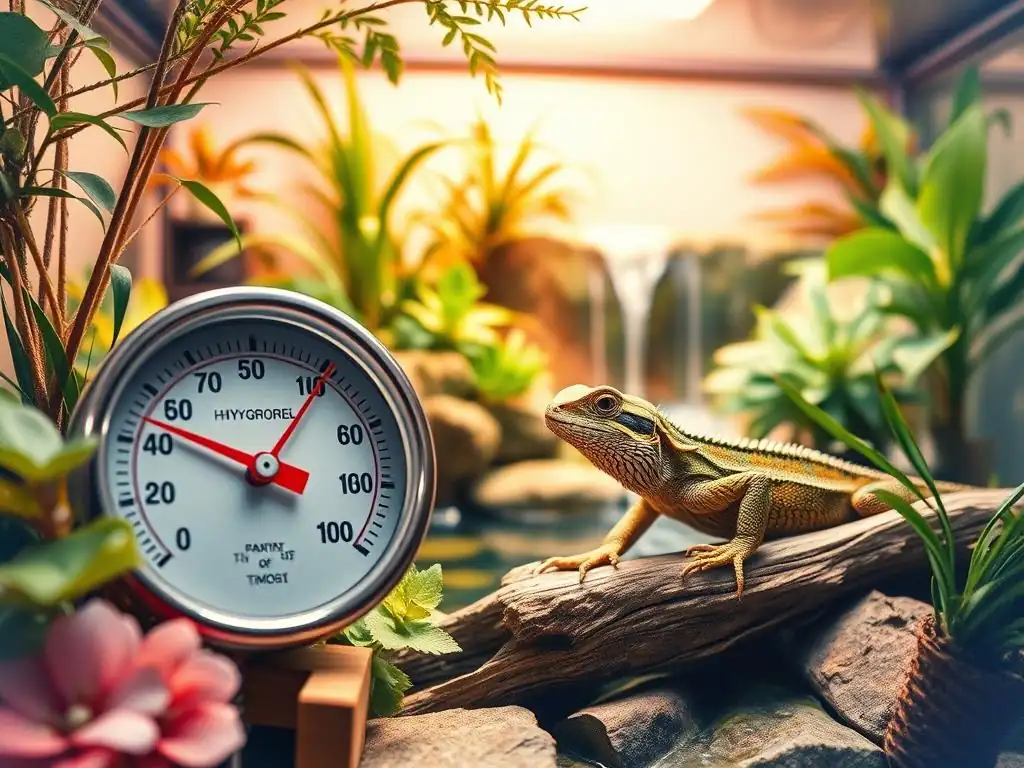
Maintaining the correct temperature and humidity levels is paramount for the health and well-being of your reptile. These environmental factors directly impact their digestion, immune function, and overall vitality. A poorly regulated environment can lead to serious health problems, including metabolic bone disease (MBD) in many species.
This section will delve into the specifics of creating and maintaining the ideal conditions for your specific reptile. Remember, always research the specific needs of your reptile species; these are general guidelines and may not apply to all reptiles. Finding a reliable “best reptile terrarium setup guide” specific to your pet is crucial.
Maintaining Optimal Temperature Gradients for Reptiles
Reptiles are ectothermic, meaning they rely on external sources of heat to regulate their body temperature. Creating a thermal gradient within the terrarium is crucial. This means providing a range of temperatures within the enclosure, allowing your reptile to thermoregulate by moving between warmer and cooler areas. This is vital for digestion and overall health.
For example, a bearded dragon might require a basking spot reaching 100-105°F (38-41°C) with a cooler end of the enclosure around 75-80°F (24-27°C). This gradient allows the reptile to bask under the heat source to raise its body temperature and then move to a cooler area to prevent overheating. The specific temperature requirements vary greatly depending on the species.
Always consult reputable resources specific to your reptile's species to determine the precise temperature gradient needed. Failure to provide the correct temperature gradient can lead to stress, illness, and even death. Using a combination of heat lamps, heat mats, and under-tank heaters, and strategically placing them within the terrarium, will help you to create a suitable gradient.
Achieving and Maintaining Proper Humidity Levels in Your Reptile Terrarium
Humidity is another critical factor to consider when setting up a reptile terrarium. Different species have vastly different humidity requirements. For example, a desert species like a leopard gecko will require much lower humidity than a tropical species like a green tree frog. Incorrect humidity can lead to respiratory infections, shedding problems, and dehydration.
Maintaining proper humidity often involves a combination of methods. These include:
- Substrate Selection: Certain substrates retain moisture better than others. Coco coir, cypress mulch, and sphagnum moss are commonly used to maintain higher humidity levels.
- Misting: Regularly misting the enclosure with water can help increase humidity. The frequency of misting depends on the species and the substrate’s ability to retain moisture.
- Water Dishes: Providing a large, shallow water dish allows for evaporation, increasing humidity.
- Humidity Hiding Places: Creating humid hide boxes or caves using moist sphagnum moss can provide reptiles with a safe place to hydrate and shed their skin.
Regular monitoring is essential to ensure humidity remains within the appropriate range for your reptile. Incorrect humidity levels can severely impact your reptile's health. Knowing your specific reptile's needs is crucial for achieving and maintaining proper humidity.
Using Hygrometers and Thermometers for Accurate Monitoring
Accurate monitoring of temperature and humidity is essential for maintaining a healthy reptile terrarium. Investing in reliable thermometers and hygrometers is crucial. These instruments should be placed strategically within the enclosure to provide accurate readings of both the basking spot and the cooler areas. Digital thermometers and hygrometers are generally preferred for their accuracy and ease of reading.
Tips for Accurate Readings
- Place thermometers and hygrometers at different locations within the enclosure to get a complete picture of the temperature and humidity gradient.
- Calibrate your instruments regularly to ensure accuracy. Instructions for calibration are usually included with the product.
- Avoid placing instruments directly under heat sources, as this will give inaccurate readings.
- Consider using multiple thermometers and hygrometers for redundancy and more accurate monitoring.
Remember, consistent monitoring is key to ensuring your reptile thrives in its environment. Regularly checking the temperature and humidity allows for prompt adjustments, preventing potential health problems. By diligently maintaining the optimal temperature and humidity levels, you are providing your reptile with the best possible chance for a long, healthy life. This is a crucial step in creating the best reptile terrarium setup guide for your particular pet.
Essential Equipment for a Successful Reptile Terrarium Setup
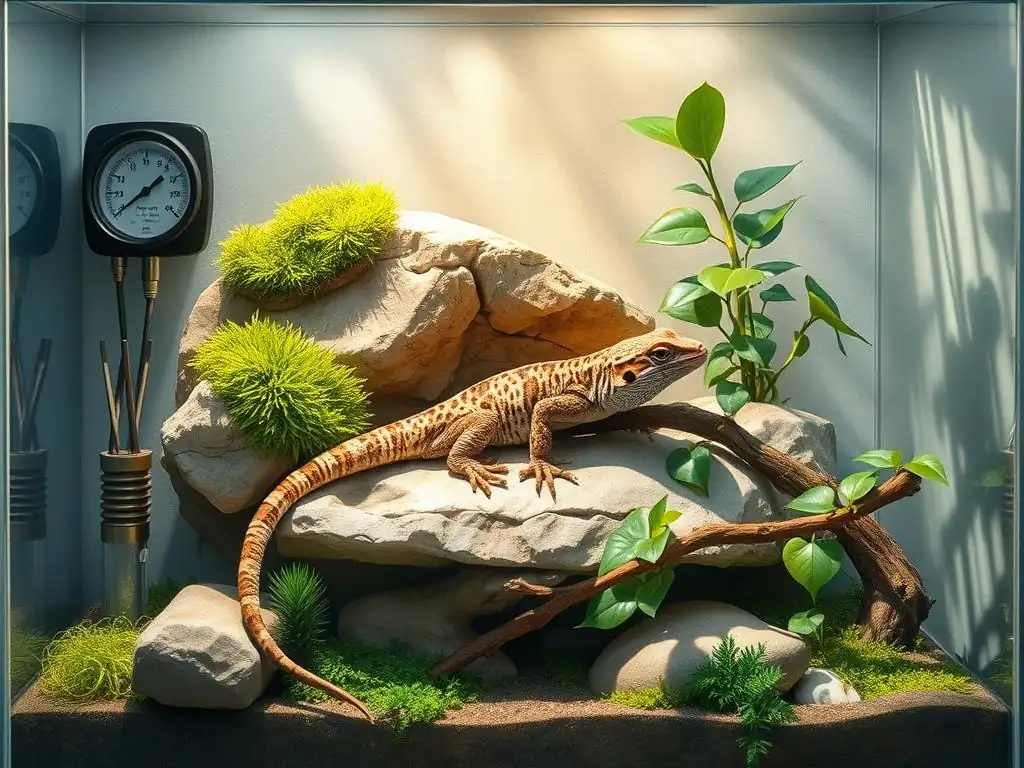
This section delves into the crucial equipment necessary for establishing a thriving reptile terrarium. A well-equipped habitat is paramount for your reptile's health, happiness, and longevity. Ignoring these essentials can lead to stress, illness, and even death for your scaly companion. This guide focuses on providing the best reptile terrarium setup for optimal reptile care.
Water Dishes: Size and Placement for Reptile Hydration
Proper hydration is critical for reptile health. Dehydration can lead to a range of health problems, impacting everything from digestion to shedding. The size and placement of your water dish are crucial factors.
The water dish should be large enough for your reptile to fully submerge itself, if that's part of its natural behavior (many species, especially smaller lizards and some snakes, will partially or fully submerge themselves for drinking and thermoregulation). For a large adult bearded dragon, for instance, a sizable, shallow dish might be necessary. A smaller species like a leopard gecko might only need a small, shallow dish. Avoid excessively deep water dishes, especially for smaller reptiles, to prevent accidental drowning.
Placement is equally important. Position the water dish in an easily accessible area, away from heat sources like basking lamps. Overheating the water can make it less appealing to your reptile, while a constantly hot water source could lead to burns.
Consider the natural behavior of your specific reptile species; some prefer a water source in a shaded area, while others might prefer it near their basking spot. Regularly monitor the water temperature and change the water daily to prevent bacterial growth and maintain hygiene. This simple step in your reptile care routine will go a long way towards ensuring your pet remains healthy and hydrated.
Food and Water Bowls: Choosing the Right Options for Your Reptile
Selecting the appropriate food and water bowls is more than just aesthetics; it's crucial for maintaining hygiene and preventing injuries. The material, size, and design of these bowls directly impact your reptile's well-being.
- Material: Opt for non-porous, easy-to-clean materials like ceramic or glass. Avoid wood or porous materials, as these can harbor bacteria and are difficult to sanitize effectively. Plastic bowls are generally acceptable, but choose BPA-free options and replace them regularly as they can become scratched and difficult to clean thoroughly.
- Size: The size of the bowl should be appropriate for the size of your reptile and the amount of food or water it consumes. A bowl that's too small may lead to spillage and mess, while a bowl that's too large can be cumbersome and unstable.
- Design: Consider the design of the bowl, especially for species that might be prone to knocking things over. Heavy, stable bowls are generally preferred. Some reptiles benefit from shallow, wide dishes, preventing them from accidentally getting their heads stuck or potentially injuring themselves.
The table below summarizes ideal bowl choices for different reptile sizes:
| Reptile Size | Food Bowl Material | Water Dish Material | Bowl Size Considerations |
|---|---|---|---|
| Small (e.g., gecko) | Ceramic, Glass, BPA-free Plastic | Ceramic, Glass | Shallow, small, stable |
| Medium (e.g., skink) | Ceramic, Glass | Ceramic, Glass | Medium-sized, stable |
| Large (e.g., iguana) | Ceramic, Glass | Ceramic, Glass, Large, shallow | Large, heavy, stable, potentially multiple smaller bowls |
Remember to clean and disinfect food and water bowls regularly to prevent the spread of bacteria and parasites. This contributes significantly to the overall hygiene of your reptile's terrarium and helps maintain a healthy environment.
Cleaning and Maintenance Supplies for Reptile Terrariums
Maintaining a clean and sanitary terrarium is essential for preventing disease and ensuring your reptile's health. This requires a dedicated approach to cleaning and maintenance using the right supplies. Regular cleaning is crucial and the frequency will depend on the species and size of your reptile and the type of substrate used.
Here's a checklist of essential cleaning and maintenance supplies:
- [ ] Paper towels or reptile-safe cleaning cloths: Avoid using abrasive materials that could scratch the terrarium's surfaces.
- [ ] Reptile-safe disinfectant: Choose a disinfectant specifically formulated for reptile enclosures to avoid harming your pet. Always follow the manufacturer's instructions carefully. Avoid using household cleaners, which can contain harmful chemicals.
- [ ] Substrate cleaning tools: This could include a small shovel, brush, or vacuum cleaner (for larger enclosures). The specific tools will depend on the type of substrate you're using.
- [ ] Water sprayer: A water sprayer is useful for spot cleaning and misting the enclosure, especially for reptiles that require higher humidity levels.
- [ ] Waste disposal bags: Use sturdy bags for easy and hygienic disposal of waste materials.
Regular maintenance, including spot cleaning, complete substrate changes (frequency varies depending on the substrate), and disinfection, plays a critical role in preventing bacterial and parasitic infections, contributing to a healthy and thriving reptile environment. Remember to always research the specific cleaning needs of your reptile species. Failing to maintain a clean environment can lead to health problems and significantly reduce the lifespan of your reptile. Prioritizing cleanliness is a cornerstone of responsible reptile ownership and creating the best reptile terrarium setup.
Decorating Your Reptile Terrarium: Enhancing Aesthetics and Enrichment
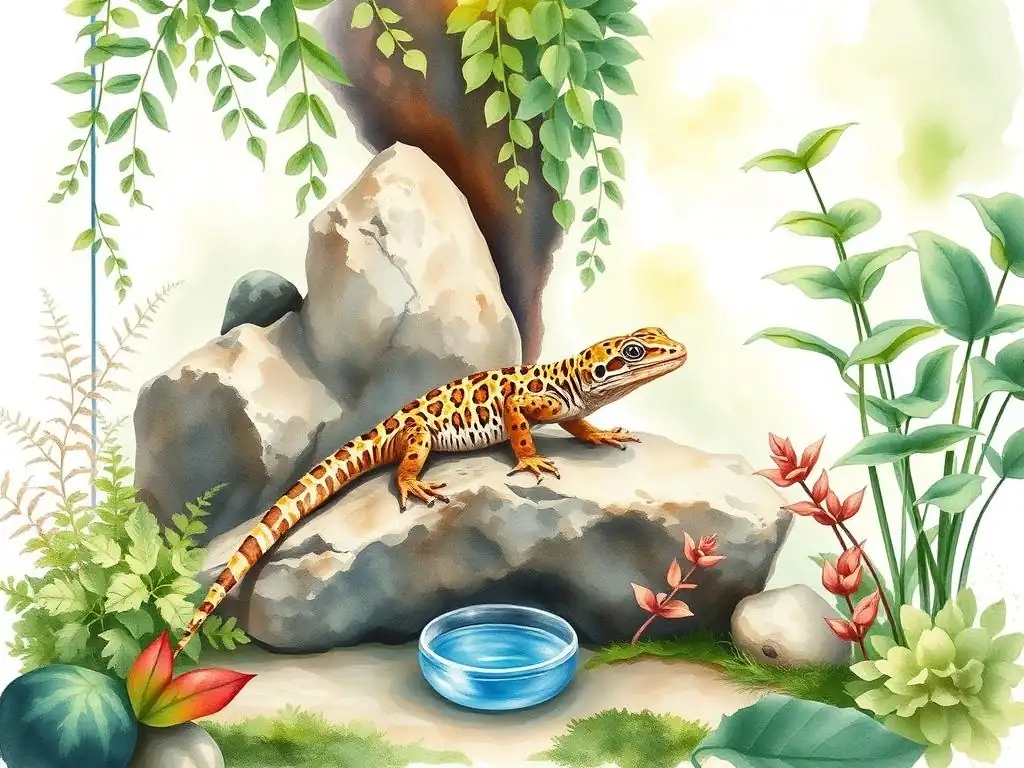
Creating a visually appealing and enriching environment for your reptile is crucial for its well-being. A stimulating terrarium isn't just about aesthetics; it contributes significantly to your reptile's physical and mental health. The best reptile terrarium setup guide emphasizes the importance of a balanced approach, blending visual appeal with practical functionality.
Safe and Engaging Decorations for Reptile Terrariums
Selecting appropriate decorations is paramount. Avoid anything that could be ingested, causing injury or illness. For example, small rocks might be swallowed by smaller reptiles, leading to impaction. Opt for larger, smooth stones or river rocks instead. Always research the specific needs of your reptile species; a setup perfect for a bearded dragon might be entirely unsuitable for a corn snake.
Here's a checklist for safe and engaging décor:
- Substrates: Choose substrates appropriate for your reptile's needs and burrowing habits. Reptiles like Leopard Geckos thrive on paper towels or reptile carpet for ease of cleaning, while others, such as certain species of snakes, need a deeper substrate for burrowing. Avoid substrates that can be ingested and cause impaction.
- Hides: Provide multiple hiding places—at least one on the warm side and one on the cool side of the terrarium—to help your reptile feel secure and regulate its temperature. These can be commercially available hides, or creatively constructed using natural materials like cork bark or large pieces of wood (ensure these are thoroughly cleaned and free from pesticides).
- Branches and Climbing Structures: For arboreal reptiles (those that climb), sturdy branches of appropriate size and thickness are essential. These provide exercise and enrichment. Again, ensure they are cleaned properly and free from any potential hazards.
- Water Dishes: A shallow, stable water dish is crucial for hydration. Choose a dish that's easy to clean and won't tip over. The size should be appropriate for your reptile's size.
Creating Natural Habitats for Reptiles: Landscaping Your Terrarium
The goal is to mimic your reptile's natural habitat as closely as possible. This provides a more enriching and stimulating environment. Consider the following:
- Species-Specific Needs: Research the natural environment of your reptile. A desert reptile will need a different setup than a rainforest dweller. For example, a desert species might need a dry substrate and sparse vegetation, while a rainforest species might require higher humidity and lush foliage.
- Temperature Gradients: Maintain a proper temperature gradient within the terrarium. This allows your reptile to thermoregulate by moving between warmer and cooler areas. You can achieve this using heat lamps or under-tank heaters, combined with strategically placed rocks and branches.
- Lighting: Proper lighting is crucial for reptiles, especially those requiring UVB radiation for vitamin D3 synthesis. Invest in high-quality UVB and heat lamps, ensuring they are appropriately positioned and sized for your terrarium. The best reptile terrarium setup guide will always emphasize the importance of proper lighting.
- Plants: Select non-toxic plants appropriate for your reptile's habitat and needs. Avoid plants that are poisonous or could pose a choking hazard. Some reptiles may even nibble on plants, so carefully consider the plant's safety and suitability.
Avoid Toxic Plants and Materials in Reptile Habitats
Toxicity is a significant concern when landscaping a reptile terrarium. Many common household plants are toxic to reptiles. Always research the toxicity of any plant before introducing it to your reptile's enclosure. Furthermore, ensure all materials used in the terrarium are non-toxic and safe for your reptile. This includes adhesives, paints, and any other materials used in constructing or decorating the enclosure.
Avoid using treated wood, as the chemicals can be harmful. Always opt for natural, untreated materials whenever possible. Remember, a safe and enriching environment is the cornerstone of a healthy and thriving reptile. Using the best reptile terrarium setup guide will minimize the risk of harm to your pet.
Best Practices for Reptile Terrarium Setup: A Step-by-Step Guide
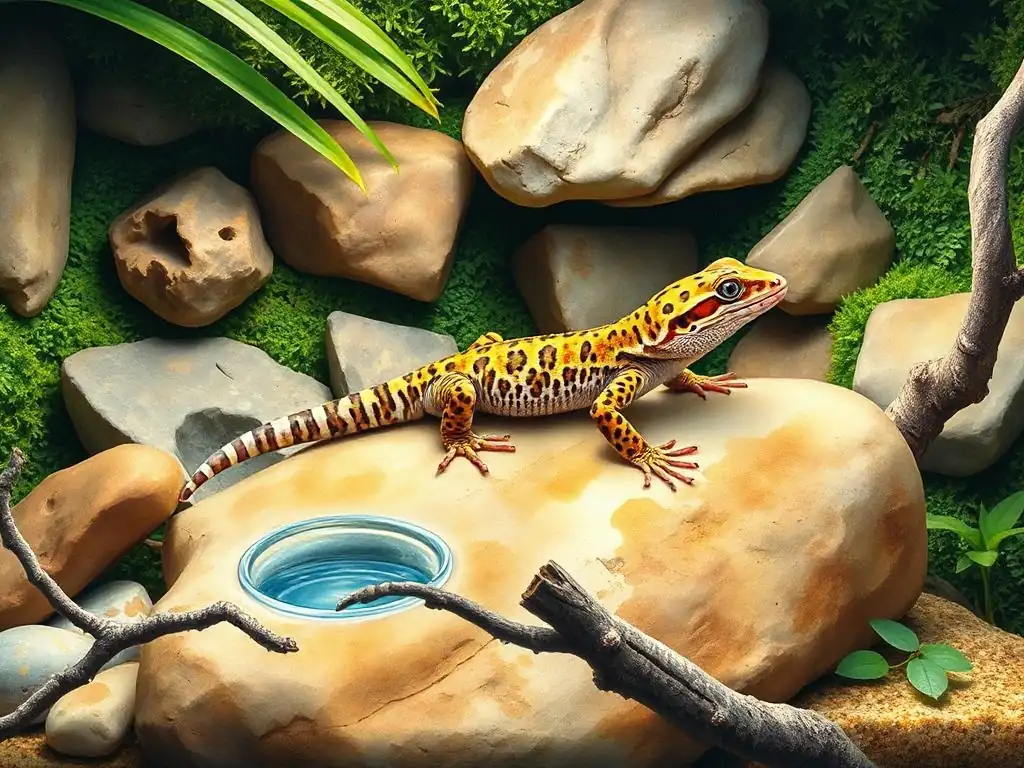
This section provides a detailed, step-by-step guide to setting up the best reptile terrarium, focusing on creating a thriving and healthy environment for your scaly companion. Following these best practices will significantly improve your reptile's quality of life and contribute to its longevity. Remember, the ideal setup varies depending on the specific species; this guide offers general principles applicable to many common reptile pets. Always research the specific needs of your reptile before proceeding.
Step-by-Step Guide to Setting Up Your Reptile Terrarium
Setting up a reptile terrarium is a multi-step process requiring careful planning and execution. Let's break it down:
- Choosing the Right Terrarium: Select a terrarium appropriate for your reptile's adult size. Consider the species' arboreal (tree-dwelling) or terrestrial (ground-dwelling) nature. For arboreal species, taller enclosures are necessary, while terrestrial species benefit from longer, wider tanks. The material of the terrarium matters too – glass is commonly preferred for its visibility and ease of cleaning, while screen enclosures offer better ventilation, which is crucial for some species. The size is critical; overcrowding stresses reptiles and can lead to health problems.
- Substrate Selection: The substrate forms the base of your terrarium and plays a vital role in maintaining humidity and providing a natural environment. Popular choices include paper towels (easy to clean, but less aesthetically pleasing), coconut fiber (holds moisture well), cypress mulch (good drainage and moisture retention), and reptile carpet (easy to clean, but lacks naturalistic appeal). Avoid substrates that can be ingested and cause impaction, such as sand or small gravel, especially for young or smaller reptiles. The ideal substrate depends heavily on the species; research the specific needs of your reptile.
- Temperature and Humidity Control: Maintaining the correct temperature and humidity gradients is paramount. This often requires a combination of heating elements (under-tank heaters, heat lamps, ceramic heat emitters) and humidity control measures (water bowls, misting systems, humidity gauges). Invest in accurate thermometers and hygrometers to monitor these parameters. Different species have very specific temperature and humidity requirements – consistent monitoring is key to preventing health issues. For example, a bearded dragon requires a basking spot significantly hotter than their ambient temperature, while a leopard gecko prefers a consistently warmer, more humid environment.
- Lighting: Reptiles require specific lighting for thermoregulation and vitamin D3 synthesis. UVB lighting is essential for many reptiles to prevent metabolic bone disease (MBD). The type and strength of the UVB bulb will depend on your reptile's species and the distance from the basking spot. Consider using a timer to mimic natural day/night cycles. Always follow the manufacturer’s instructions for bulb placement and replacement.
- Hides and Enrichment: Provide ample hiding places to reduce stress and allow your reptile to feel secure. These can include caves, cork bark, or artificial plants. Enrichment is crucial for mental stimulation and preventing boredom. Include branches for climbing (for arboreal species), rocks for basking, and appropriate toys or climbing structures. The more stimulating the environment, the happier and healthier your reptile will be.
Acclimating Your Reptile to Its New Environment
Introducing your reptile to its new terrarium requires a gradual process to minimize stress. Avoid sudden changes in temperature, humidity, or handling. Here's a suggested approach:
- Initial Observation: Allow your reptile to settle in a quiet location for at least 24 hours without disturbance. Observe its behavior – is it exploring, hiding, or exhibiting any signs of stress?
- Gradual Introduction: Over several days, gradually introduce food and water. Monitor food intake and waste production to assess its adaptation. Avoid handling during this period unless absolutely necessary.
- Monitoring: Closely monitor your reptile's behavior, appetite, and overall health for at least the first week. Any signs of illness or unusual behavior should prompt a veterinary check-up. This careful acclimation minimizes stress and maximizes the chances of a successful transition. The initial period is crucial for building trust and ensuring the reptile feels safe and secure in its new home.
Ongoing Maintenance and Care for a Healthy Reptile
Maintaining a healthy reptile terrarium is an ongoing commitment. Regular cleaning, monitoring, and preventative measures are essential.
- Cleaning: Regular spot cleaning is vital, removing waste and uneaten food daily. Complete terrarium cleaning (substrate replacement, thorough cleaning of décor) should be performed every few weeks or months, depending on the species and size of the enclosure. Always use reptile-safe cleaning products and thoroughly rinse all surfaces before returning your reptile to its enclosure.
- Monitoring: Regularly check temperature, humidity, and lighting. Replace UVB bulbs according to the manufacturer’s recommendations, typically every 6-12 months. Monitor your reptile's behavior, appetite, and shedding patterns. Any deviation from the norm should be investigated. Regular monitoring is a proactive approach to identifying potential issues early.
- Preventative Care: Provide a balanced diet appropriate for your reptile's species. Consult a veterinarian or reputable reptile expert for dietary advice. Regular veterinary check-ups are recommended for preventative care and to address any health concerns promptly. Preventative care reduces the risk of illness and prolongs your reptile's lifespan. A healthy reptile will be more active, exhibit normal behaviors, and thrive in its environment. This commitment to ongoing care is essential for responsible reptile ownership.
Common Mistakes to Avoid When Setting Up a Reptile Terrarium
This section focuses on the pitfalls many new reptile keepers encounter when setting up their terrarium. Avoiding these mistakes will significantly increase your reptile's chances of thriving. A successful setup hinges on understanding your specific reptile's needs, which vary greatly depending on species. This guide highlights common errors to steer clear of.
Avoiding Common Mistakes in Reptile Terrarium Setup
One of the most frequent errors is neglecting proper research. Before acquiring any reptile, thorough investigation into its specific environmental requirements is crucial. This includes understanding the ideal temperature gradient (both basking and ambient), humidity levels, substrate type, and appropriate lighting. Failing to meet these needs can lead to health problems, including metabolic bone disease (MBD) in reptiles requiring UVB and calcium supplementation. For example, a leopard gecko, a popular pet reptile, requires a much drier environment than a green tree frog. Improper humidity can lead to respiratory infections and skin problems in amphibians.
Another frequent mistake is inadequate enclosure size. Many beginners underestimate the space needed for their reptile to thrive. Cramped living conditions lead to stress, hindering growth and impacting overall well-being. Always choose an enclosure that provides ample room for movement, exploration, and natural behaviors, like basking and hiding. For example, a young bearded dragon might seem comfortable in a small enclosure initially, but as it grows, it will require a significantly larger space to prevent stress and health issues. Consider the adult size of your reptile before purchasing the terrarium.
A third common mistake is overlooking the importance of proper ventilation. Poor ventilation traps moisture, leading to bacterial and fungal growth, increasing the risk of respiratory infections and other health issues. Ensure your terrarium has adequate ventilation holes, ideally located at both the top and bottom for optimal airflow. This prevents stagnant air and promotes a healthier environment for your reptile.
Finally, many keepers make the error of ignoring the importance of a secure enclosure. Your reptile's enclosure must be escape-proof. Reptiles are adept at finding weaknesses, and even seemingly small gaps can allow escape. Secure all lids and doors properly, using appropriate latches and ensuring no openings exist. A successful escape can lead to injury, loss of the reptile, or damage to your home.
Troubleshooting Common Reptile Terrarium Problems
This section addresses common problems encountered in reptile terrarium setups and offers solutions. Early detection and swift action are vital in preventing serious health issues.
Let's consider some examples:
| Problem | Possible Cause(s) | Solution |
|---|---|---|
| Lethargy and lack of appetite | Incorrect temperature gradient, improper lighting, illness | Check temperature and UVB/UVA lighting; consult a veterinarian immediately. |
| Shedding difficulties | Dehydration, improper humidity, nutritional deficiencies | Increase humidity, provide a shallow water dish; review dietary needs. |
| Respiratory infections | Poor ventilation, overly damp environment, stress | Improve ventilation, reduce humidity, address potential stressors. |
| Metabolic bone disease (MBD) | Lack of UVB lighting, insufficient calcium intake | Supplement with UVB lighting and calcium-rich food; consult a veterinarian. |
Addressing these issues promptly is key to maintaining a healthy reptile. Remember, proactive monitoring is crucial for preventing significant problems.
Ensuring Your Reptile's Long-Term Health and Happiness
Maintaining a thriving reptile terrarium requires ongoing care and attention to detail. This section emphasizes the long-term aspects of providing a suitable habitat for your reptile companion.
Regular cleaning and maintenance are essential to prevent the buildup of harmful bacteria and parasites. Regularly spot-clean the enclosure, removing waste and uneaten food daily. A thorough cleaning, including substrate replacement, should be performed at least every few months, depending on the species and enclosure size. This meticulous approach significantly reduces the risk of illness and promotes a healthier environment.
Furthermore, providing appropriate enrichment is crucial for your reptile's well-being. This includes providing hiding places, climbing structures, and other environmental features that stimulate natural behaviors. A lack of enrichment can lead to stress and behavioral problems. The type and amount of enrichment will vary depending on the species. For instance, arboreal species require branches and vines for climbing, while terrestrial species benefit from hiding caves and burrows.
Finally, a consistent monitoring schedule is paramount. Regularly observe your reptile's behavior, appetite, and overall appearance. Any changes should be carefully assessed, and veterinary attention sought if necessary. Early intervention is vital in addressing potential health problems and ensuring your reptile's long-term health and happiness. Think of it as preventative healthcare for your scaly friend! 🦎
Frequently Asked Questions
What are the essential components of a reptile terrarium?
A successful reptile terrarium needs several key elements: a suitable substrate, proper temperature and humidity control (often requiring heating and lighting), adequate ventilation, and appropriate hiding places. Consider the specific needs of your reptile species.
How do I choose the right substrate for my reptile?
Substrate selection depends entirely on your reptile's species and environmental needs. Research your specific reptile's preferences; some thrive in soil-based substrates, while others need paper towels or specific reptile-safe bark.
What kind of lighting is necessary for a reptile terrarium?
Reptiles need specific lighting for thermal regulation and vitamin D3 synthesis. You’ll likely need a combination of UVB and heat lamps, carefully positioned to create a thermal gradient within the terrarium. Consult reptile-specific guides for accurate wattage and placement.
How important is humidity control in a reptile terrarium?
Maintaining the correct humidity is crucial for many reptiles. Too little humidity can cause shedding problems, while too much can lead to respiratory infections. Use a hygrometer to monitor humidity and adjust accordingly (e.g., misting, water features).
Where can I find more information on setting up a terrarium for my specific reptile?
PetCareWorld offers many species-specific guides and articles. You can also consult reputable herpetological websites and books, and speak to experienced reptile keepers or veterinarians specializing in reptiles. Thorough research is paramount.
Final Reflection: Cultivating a Thriving Ecosystem, One Terrarium at a Time
Creating the perfect reptile home isn't just about providing shelter; it's about fostering a miniature ecosystem that mirrors the natural world, ensuring the well-being and longevity of our scaly companions. The principles of proper terrarium setup—substrate selection, temperature and humidity control, appropriate lighting, and enrichment—are not merely technical details; they are fundamental to responsible reptile ownership. Ignoring these aspects can lead to significant health problems and ultimately, suffering for these fascinating creatures.
The responsibility we bear as reptile keepers extends far beyond simply providing food and water. It's about understanding the intricate needs of each species and striving to replicate their natural habitat as closely as possible. This journey of learning and adaptation is deeply rewarding, fostering a profound connection with these often misunderstood animals. The greatness of a nation and its moral progress can be judged by the way its animals are treated.
- Mahatma Gandhi. This quote, while broad in scope, speaks to the ethical considerations inherent in caring for any animal, and particularly highlights the importance of responsible reptile keeping.
Now, consider your own approach to reptile care. Are you providing your reptile with the best possible environment? Take a moment to reflect on the information presented in this guide. Perhaps there's an area where you can make improvements, a detail you overlooked, or a new enrichment opportunity to explore. Embrace the ongoing learning process, and remember that every step you take towards creating a more enriching and natural environment for your reptile contributes to their well-being and strengthens the bond you share. Let's work together to ensure that every reptile thrives under our care.
Unleash Your Inner Reptile Keeper: Build the Perfect Habitat Today!
Thanks for exploring the world of reptile care with us! You've gained the foundational knowledge to create a thriving terrarium. Ready to put your expertise to the test?
- Craft your dream reptile habitat: Design a perfect environment using the insights from this article to create a space your reptile will love. Remember to carefully consider temperature, humidity, and substrate. This is your chance to be creative and build a truly unique habitat!
- Share your creation: Show us your terrarium on social media using #PetCareWorldReptileHaven – we'd love to see your work and offer support!
- Become a reptile care expert: Delve deeper into species-specific needs and discover even more ways to ensure your reptile's well-being.
Ready to build the ultimate reptile paradise? What special feature will you add to make your terrarium truly unique?